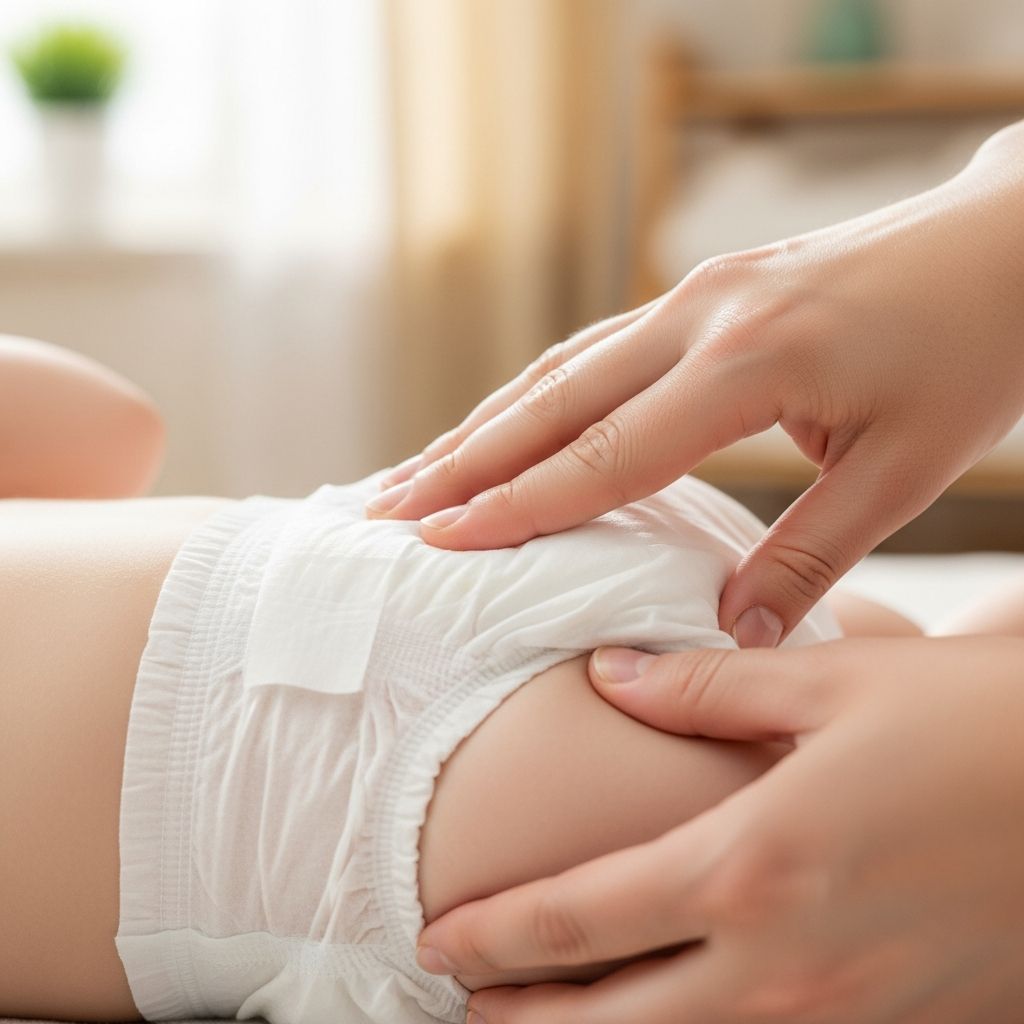
Many babies experience redness, irritation, or full-blown diaper rash at some point, but for little ones with sensitive skin, the wrong diaper can trigger flare-ups almost every day. Choosing thoughtfully designed diapers and using them in the right way goes a long way toward keeping your baby comfortable and rash free.
This guide walks through the key features to look for, the most common irritants to avoid, and everyday habits that can help protect your baby’s delicate skin, whether you prefer disposable or cloth options.
Why Sensitive Skin Needs Extra Care
A baby’s skin is thinner and less developed than adult skin, which means irritants can penetrate more easily and moisture can stay trapped against the surface longer. That combination makes the diaper area especially vulnerable to redness, inflammation, and infection when conditions are not ideal.
For some babies, even small exposures to fragrances, certain adhesives, or rough materials are enough to cause discomfort. Others may react only when their skin is also stressed by teething, illness, or frequent loose stools. Understanding why flare-ups happen helps parents choose diapering solutions that minimize these triggers.
Main Triggers of Diaper Irritation
Although every baby is unique, most diaper-related irritation can be traced to a handful of common causes. Paying attention to these helps narrow your options and adjust your routine.
- Prolonged wetness: When urine or stool sits against the skin, it changes the skin’s pH and breaks down its protective barrier.
- Friction and rubbing: Diapers that are stiff, poorly fitting, or too tight can chafe the inner thighs, waist, and buttocks.
- Ingredients in the diaper: Dyes, perfumes, lotions, and certain chemicals can irritate some babies, especially if the skin is already inflamed.
- Microbial overgrowth: Warm, moist environments allow yeast and bacteria to thrive, turning simple redness into a more stubborn rash.
Key Features of Diapers for Sensitive Skin
Instead of grabbing the first box on the shelf, scan the packaging for a few specific design choices that can be kinder to delicate skin. These features do not guarantee a perfect fit for every baby, but they increase the odds that the diaper will be gentle and effective.
- Soft, breathable topsheet: The inner layer that touches the skin should feel smooth, flexible, and cloth-like rather than stiff or plasticky.
- High absorbency core: A more efficient absorbent core pulls moisture away quickly and holds it, reducing the time skin stays wet.
- Minimal added chemicals: Many parents look for products that advertise no perfumes, latex, or added lotions, especially for newborns.
- Stretchy fit: Elastic at the waist and legs that stretches comfortably without digging in helps reduce friction and leaks.
- Breathable backsheet: Some diapers use materials designed to allow water vapor to escape while still containing liquids, which can keep the area less humid.
Understanding Common Diaper Labels
Diaper packaging uses a patchwork of marketing terms and certification logos that can be confusing when you are already short on sleep. Knowing what common phrases usually mean makes it easier to compare brands.
| Label term | What it usually implies | How it relates to sensitive skin |
|---|---|---|
| Hypoallergenic | Formulated to reduce the likelihood of an allergic reaction; often omits some common irritants. | Can be a good starting point, but there is no universal standard, so babies may still react. |
| Fragrance-free | No added perfumes or masking scents. | Helpful for babies sensitive to fragrance chemicals; often recommended for rashes. |
| Dye-free (or limited dyes) | Reduces or removes colored inks, especially in the inner lining. | Useful if your baby develops irritation exactly where prints or colored areas touch the skin. |
| Chlorine-free (ECF/TCF) | Refers to how the pulp is bleached; ECF avoids elemental chlorine, TCF avoids all chlorine-based bleaching. | Mainly a concern for by-products and environmental impact; some parents also prefer this for sensitive skin. |
| Dermatologist-tested | Product has been evaluated on skin under controlled conditions. | Suggests the brand considered skin health, though methods and criteria may vary. |
| Plant-based | Some components, usually the topsheet or outer layer, use plant-derived materials. | Can feel softer and may appeal to families seeking fewer petroleum-based materials. |
Materials and Ingredients to Approach Carefully
Modern diapers use a mix of superabsorbent polymers, cellulose, adhesives, and elastic materials. Many babies tolerate these components without issue, but some ingredients are more likely to cause trouble for sensitive skin.
- Added fragrances and perfumes: These do not improve performance but can provoke reactions, especially when skin is already inflamed.
- Heavy inner dyes and inks: Designs on the outside are mostly cosmetic, but dye on the inner lining can occasionally correlate with irritation points.
- Lotions and barrier creams inside the diaper: Some diapers include a built-in lotion; while convenient, this may not suit all babies, especially those sensitive to certain emollients.
- Harsh cleaning agents in reusable systems: For cloth diapers, strongly scented detergents, fabric softeners, or inadequate rinsing can leave irritants behind.
Disposable vs. Cloth for Sensitive Skin
Parents often wonder whether disposable or cloth diapers are better for sensitive skin, but the answer depends on what exactly irritates their baby. Both categories offer skin-friendly choices when used thoughtfully.
| Type | Potential advantages | Potential challenges |
|---|---|---|
| Disposable diapers |
|
|
| Cloth diapers |
|
|
Practical Steps to Prevent Diaper Rash
The right diaper is only one part of preventing irritation. Gentle, consistent habits around changing and cleaning make just as much difference, if not more, than any single product choice.
- Change early and often: Aim to change wet diapers before they feel heavy, and soiled diapers as soon as possible to limit contact with stool.
- Use gentle wipes or plain water: Avoid harsh scrubbing; pat instead of rub, and consider fragrance-free wipes or soft cloths with lukewarm water.
- Allow air time: Let your baby spend a few minutes without a diaper, especially after a bath or during a rash flare.
- Apply barrier ointment when needed: A thin layer of a zinc oxide or petroleum-based barrier can protect the skin when it is red or when frequent stools are expected.
- Choose appropriate sizes: Diapers that are too small can pinch and rub; too large can leak and keep skin wet.
How to Test a New Diaper on Sensitive Skin
Switching brands or styles is common as babies grow, but when skin is reactive, sudden changes can be stressful. A simple testing approach makes the transition more controlled and less risky.
- Start with a small pack: Before committing to a large box or subscription, buy a trial size or smallest available pack.
- Introduce gradually: Use the new diaper during the day for a few changes rather than switching all at once, so you can quickly spot issues.
- Check skin at every change: Look for new redness, raised bumps, or areas that seem unusually warm.
- Consider other variables: If a rash appears, think about recent diet changes, illness, or antibiotics that might also be contributing before blaming the diaper alone.
- Keep notes: For very sensitive babies, jot down which brands, sizes, and routines coincided with clear or irritated skin.
Eco-Friendly Options and Sensitive Skin
Many parents of sensitive-skinned babies also gravitate toward eco-conscious diapers because these products tend to highlight material choices, reduced additives, and transparency about manufacturing practices. While “green” does not automatically mean better for the skin, there is often overlap between diapers marketed as eco-friendly and those designed with fewer potential irritants.
Look for brands that clearly list their materials, avoid unnecessary perfumes, and offer certifications from independent testing organizations when possible. Balancing absorbency, cost, and environmental priorities is personal, but parents can usually find at least one option that fits their values and their baby’s comfort.
Signs It’s Time to Call the Pediatrician
Most diaper rashes respond to simple measures such as more frequent changes, barrier creams, and switching diaper types. However, persistent or severe symptoms deserve professional attention to rule out infection or allergic reactions.
- Rash that does not improve after two to three days of careful home treatment.
- Open sores, blisters, or areas that ooze fluid.
- Bright red, shiny patches with distinct borders or rash that spreads beyond the diaper area.
- Signs your baby is in significant pain, such as crying whenever the diaper is touched or changed.
- Associated fever, lethargy, or other signs of illness.
Simple Diaper-Rash-Friendly Daily Routine
For parents who like a straightforward checklist, the following daily routine prioritizes prevention without adding too many complicated steps. It can be adjusted as needed, but it provides a useful starting framework.
- Choose a soft, fragrance-free diaper that fits well around the waist and legs.
- Change every two to three hours during the day, or sooner if wet or soiled.
- Use gentle, unscented wipes or plain water at each change, patting dry.
- Give a short period of diaper-free time at least once per day when practical.
- Apply a thin barrier layer at bedtime or during times of frequent stooling, such as while teething or after starting new foods.
Frequently Asked Questions
1. How can I tell if my baby needs a special “sensitive” diaper?
If your baby’s skin stays mostly clear with routine care, a standard, unscented diaper may be enough. Signs that a more specialized product might help include frequent redness that appears in the exact shape of the diaper, rashes that recur as soon as one heals, and irritation that seems to worsen after introducing a new brand or style.
2. Are newborns more likely to react to certain diapers?
Newborn skin is especially thin and delicate, so some providers suggest starting with simple, fragrance-free diapers and avoiding unnecessary additives in the first few months. As babies grow and their skin barrier strengthens, some parents find they can expand their options without triggering problems.
3. Do I need to size up to prevent rashes?
Using the correct size is more important than always sizing up. A diaper that is too small may cause friction and leave deep red marks, while one that is too big could leak, keeping skin wetter for longer. Follow the brand’s weight guidelines as a starting point and then check for gaps, tightness, and marks after a couple of hours of wear.
4. Can switching to cloth diapers cure diaper rash?
Some babies with sensitivities improve when switched to well-laundered cloth diapers made from natural fibers, while others do best in very absorbent disposables that keep them drier. Cloth is not a guaranteed cure, but it does allow more control over fabrics and detergents, which can help in certain situations.
5. Should I change diapers overnight if my baby is sleeping?
Nighttime changes are a balance between skin health and everyone’s sleep. Many parents use more absorbent overnight diapers and a barrier ointment to protect skin through longer stretches. However, if your baby already has a rash, changing at least once overnight or immediately after a bowel movement may prevent the area from worsening.
6. Are all “natural” or “organic” diapers better for sensitive skin?
Labels like “natural” or “organic” usually refer to certain components, such as organic cotton in the topsheet or sustainably sourced pulp. These features can be appealing but do not guarantee fewer reactions. The most reliable strategy is to look for clear ingredient information, avoid known triggers for your baby, and consider overall fit and absorbency alongside material claims.