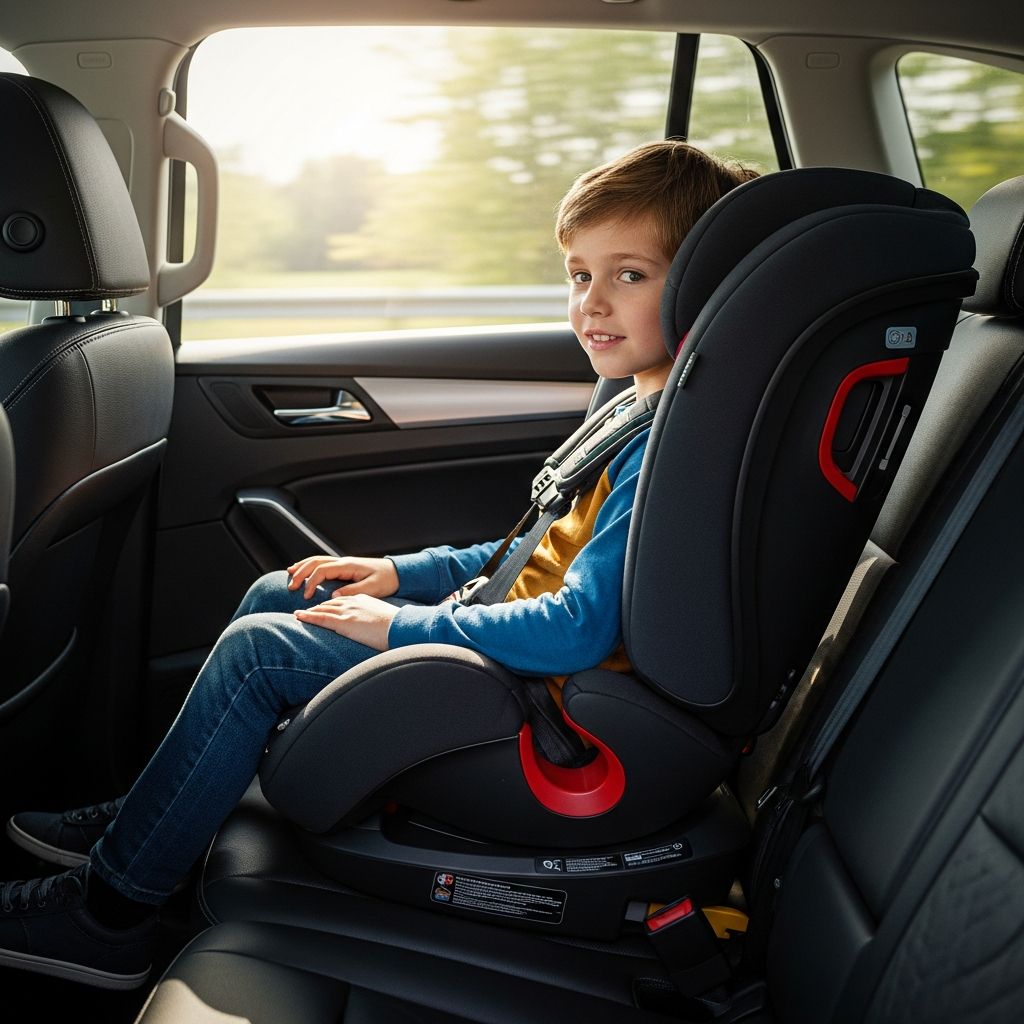
Selecting a car seat that accompanies your child from infancy through the elementary school years offers both practicality and peace of mind. These multi-stage seats adapt to growth phases, reducing the need for frequent replacements while adhering to strict safety protocols. With proper selection and maintenance, such seats can provide reliable protection up to around age 10, aligning with key developmental milestones.
Understanding Child Passenger Safety Stages
Child safety in vehicles follows a progression based on age, size, and developmental needs. The foundational guideline emphasizes keeping children in the most protective position for as long as possible. For newborns and infants under one year, rear-facing installation is mandatory, offering superior head, neck, and spine protection during collisions.
Transitioning beyond infancy, children typically move to forward-facing harnessed seats around ages 1 to 3, but experts recommend extending rear-facing until the seat’s maximum height or weight limits—often up to 40-50 pounds. From ages 4 to 7, forward-facing seats with harnesses remain ideal until outgrown, followed by high-back boosters that position the vehicle’s seat belt correctly. By ages 8 to 12, boosters ensure the lap belt fits low across the hips and the shoulder belt crosses the chest properly, preventing internal injuries.
Always prioritize the back seat through at least age 12 to avoid airbag risks. These stages underscore why versatile seats matter: they support seamless progression without compromising protection.
Why Choose a Multi-Stage Car Seat?
Investing in an all-in-one or convertible seat means one product evolves with your child, potentially lasting 7-10 years. These seats feature adjustable harnesses, multiple recline positions, and booster modes, accommodating weights from 4 pounds to over 100 pounds and heights up to 57 inches. Parents appreciate the cost savings—avoiding multiple purchases—and the familiarity of a single, well-known system.
- Versatility: Switches from rear-facing infant support to forward-facing toddler harness, then belt-positioning booster.
- Space Efficiency: Fits growing kids without bulk, ideal for family vehicles.
- Safety Continuity: Consistent engineering tested across stages reduces transition errors.
Beyond convenience, these seats incorporate side-impact protection, energy-absorbing foam, and steel frames for crash durability. However, no seat lasts indefinitely; expiration dates enforce material integrity and regulatory compliance.
Car Seat Expiration Explained
Every car seat has a shelf life, typically 6-10 years from the manufacture date, not purchase date. Plastics degrade under UV exposure, heat cycles, and stress; harnesses weaken, and standards evolve—older models may lack modern LATCH systems or tether anchors. Manufacturers like Graco specify 7 years for some plastic-reinforced paths and 10 for steel-reinforced or boosters; Britax all-in-ones expire at 10 years.
To find the date, inspect the molded label on the seat’s side, back, or base—it lists ‘Date of Manufacture’ (DOM). Add the useful life (per manual) for the expiration. Infant carriers often max at 6 years due to lighter-duty materials, while combination seats extend longer. Even unused seats age, so check before handing down.
| Seat Type | Typical Expiration | Key Factors |
|---|---|---|
| Infant Carrier | 6 years | Carry handle stress, lighter plastics |
| Convertible | 8 years | Harness wear, multi-position use |
| All-in-One/Booster | 10 years | Steel reinforcements, belt paths |
Post-expiration use risks failure in crashes; discard safely by disassembling and recycling plastics.
Top Features of Seats Lasting to Age 10
Look for seats covering 5-120 pounds and 57+ inches. Essential attributes include:
- Extended Rear-Facing Limits: Up to 50 pounds/40+ inches for prolonged protection.
- Harness Slots: Multiple heights for growing shoulders.
- Booster Mode: High-back with belt guides, transitioning to backless.
- Installation Ease: Rigid LATCH, push-button connectors, or ClickTight tech for secure fits.
- Comfort Extras: Machine-washable fabrics, ventilation, no-rethread harnesses.
Steel or aluminum frames enhance longevity. Cup holders and armrests suit older kids. Verify NHTSA ease-of-use ratings (5 stars ideal) via their registry.
Popular Longevity-Focused Car Seat Options
Several models stand out for decade-long utility:
- Graco 4Ever DLX: Rear-facing to 40 lbs, forward to 65 lbs, booster to 120 lbs. 10-year life for steel-reinforced paths.
- Britax One4Life: All stages to 120 lbs/63 inches; ClickTight install. Expires 10 years from DOM.
- Chicco NextFit Zip: Rear to 40 lbs, forward to 50 lbs, booster to 100+ lbs. Quick-zip covers, 10-year span.
- Diono Radian 3RXT: Slim profile, rear to 50 lbs, booster to 120 lbs. Steel frame endures heavy use.
These accommodate most kids to age 10, depending on size—tall children may transition sooner. Compare via independent crash tests from Consumer Reports or NHTSA.
Installation and Daily Use Best Practices
Correct installation is paramount—80% of seats are misused. Use LATCH for lighter kids (under 65 lbs combined child/seat weight); seat belts for boosters. Angle rear-facing seats 30-45 degrees with pool noodle or built-in adjusters. Tighten harness to pinch-test firmness; position chest clip at armpits.
Regular checks: Inspect for cracks, fraying straps, recalls at NHTSA.gov. Clean with mild soap; air-dry. Register for recall alerts. For siblings, confirm non-expired seats in good condition before reuse.
Navigating Growth Transitions
Monitor fit monthly under age 2, then quarterly. Rear-facing outgrow signs: head within 1 inch of top, knees bent, or weight limit hit. Forward-facing: shoulders below top slots, harness snug. Booster-ready: ears above seat-back, belt fits without it? Test the 5-step fit: lap low, shoulder on chest, upright posture, knees bend naturally, able to stay seated.
By age 8-10, many fit boosters; by 4’9″ and 80-100 lbs, adult belts may suffice—but boosters cut injury risk 45% until perfect fit.
Frequently Asked Questions
Can a car seat really last until age 10?
Yes, all-in-one models support from 4-120 lbs, covering most kids to age 10 if within limits. Always check height/weight specs.
How do I know if my car seat has expired?
Locate the manufacture date on the label, add the useful life from the manual (6-10 years typical). Discard if past due.
Is it safe to use a secondhand car seat?
Only if never crashed, not expired, all parts intact, and under 2 years old. Avoid unknown histories.
When should my child switch from rear- to forward-facing?
Stay rear-facing as long as possible, until max height/weight—often age 2-4.
Do boosters expire?
Yes, typically 10 years; check for belt guide wear.
Future-Proofing Your Child’s Safety
As vehicles add advanced driver aids, car seats must evolve too. Prioritize seats with tether anchors and side-impact tech. Annual technician inspections at fire stations ensure optimal setup. By choosing durable, multi-use seats and respecting expirations, parents safeguard kids through a decade of drives.
References
- Car Seat Recommendations for Children by Age & Size — NHTSA. 2023. https://www.nhtsa.gov/sites/nhtsa.gov/files/documents/carseat-recommendations-for-children-by-age-size.pdf
- The Lowdown on Car Seat Expiration Dates — The Bump. 2023. https://www.thebump.com/a/car-seat-expiration
- Why Do Car Seats Expire? (And Can You Use an Expired One?) — Safe in the Seat. 2026-03-31. https://www.safeintheseat.com/post/why-do-car-seats-expire
- Child Car Seat Expiration Dates are Important! — Roy Dwyer. 2023. https://roydwyer.com/child-car-seat-expiration-dates-important/
- When Do Car Seats Expire? — Graco Baby. 2023. https://www.gracobaby.com/carseatexpirationpage.html
- Car Seat Expiration and Date of Manufacture: A Britax Guide — Britax. 2023. https://us.britax.com/knowledge-center/safety-testing-and-tips/car-seat-expiration-and-date-of-manufacture-a-britax-guide