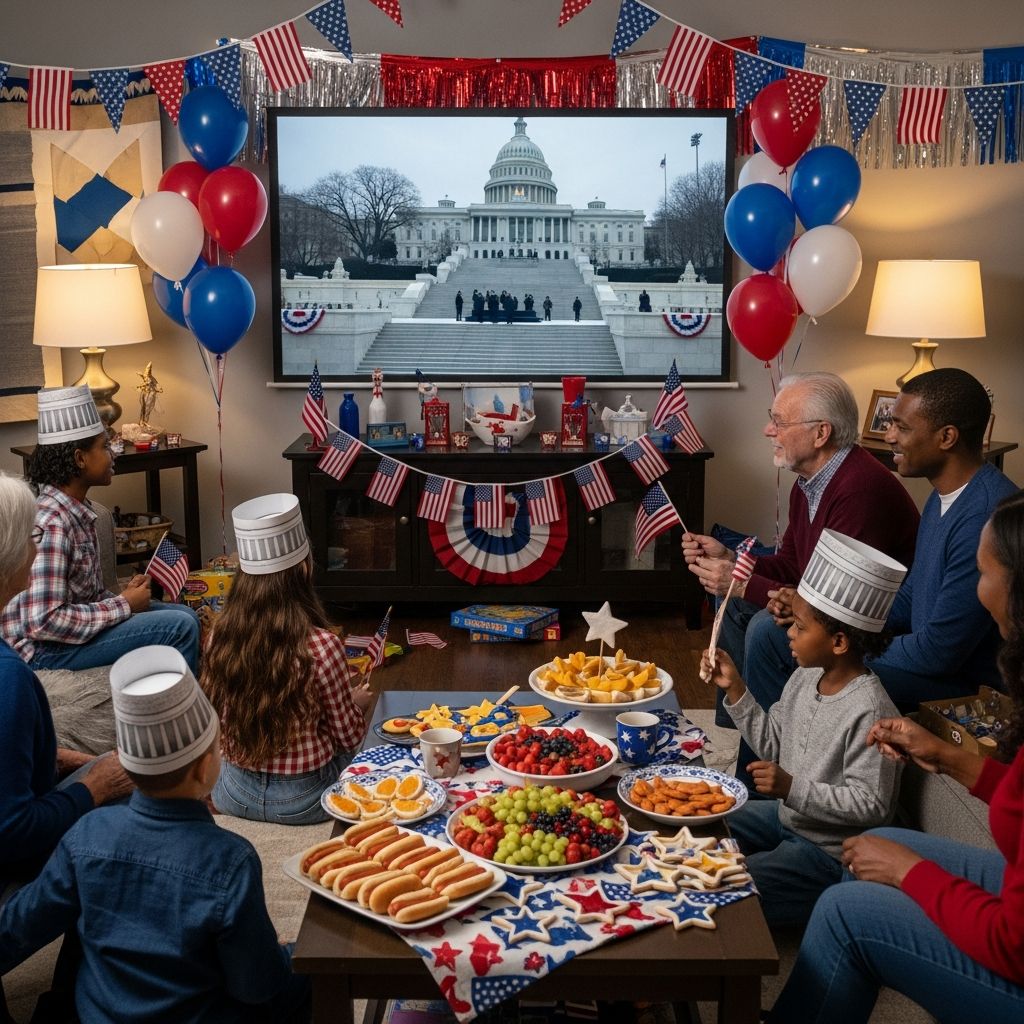
Turning inauguration day into a viewing party at home is a creative way to teach kids about democracy, spark thoughtful conversation, and enjoy a shared moment of national history together. With a bit of planning, you can transform a regular afternoon in front of the television into an engaging family tradition your children will remember for years.
Why Celebrate the Inauguration at Home?
The presidential inauguration is more than a swearing-in ceremony; it marks the peaceful transfer or continuation of power and highlights the importance of civic participation. Watching together as a family helps children connect abstract ideas like “branches of government” or “oath of office” to real people and real events they can see and discuss.
Hosting a home viewing party also gives you control over the tone and content, allowing you to create a hopeful, respectful atmosphere that focuses on learning, kindness, and shared values rather than partisan conflict.
Planning the Party: Start with Your Goals
Before you think about decorations or snacks, decide what you want this gathering to accomplish. Your goals will shape everything from the guest list to the activities.
- Goal: Make history feel real. Focus on visuals like portraits of past presidents, timelines, and maps.
- Goal: Introduce basic civics. Build in simple explanations of key terms and roles, plus short games about government.
- Goal: Create a fun, low-stress memory. Keep the schedule flexible, offer easy finger foods, and prioritize comfort over perfection.
Consider the ages of the kids who will join you. Younger children might only pay attention for a short time, so plan quick, hands-on activities, while older kids and teens might enjoy discussion prompts or light debate about issues and values.
Setting the Scene: Patriotic but Playful Decor
Your space doesn’t need to look like a formal event hall to feel special. A few thoughtful touches can signal to kids that this is a meaningful day, even if you’re just gathered in the living room.
Simple Decor Ideas
- Color palette: Use red, white, and blue as your base, but mix in softer tones like navy and cream to avoid a cluttered look.
- DIY bunting: Have kids cut triangles or circles from colored paper and string them across a doorway or along the TV stand.
- Tabletop “civics corner”: Arrange a few children’s books about presidents, the White House, or voting, along with a small flag on a side table.
- Photo area: Tape or frame pictures of notable national landmarks (like the Capitol building or the National Mall) to create a simple backdrop for silly “official” portraits.
Optional Decor Table
| Element | Low-Effort Option | Kid Involvement |
|---|---|---|
| Garlands | Store-bought streamers in patriotic colors | Kids tape or hang them around the room |
| Centerpiece | Jar with colored paper stars or crayons | Kids cut stars, draw small flags, or add stickers |
| Wall Art | Printed outline map of the U.S. | Kids color states or label capitals |
| Seating | Throw blankets and pillows in coordinating colors | Kids assign “VIP seats” with name tags |
Designing the Menu: Snacks with a Civic Twist
Food is a powerful way to keep kids engaged and comfortable during a long program. You do not need a complicated menu; the goal is to offer familiar favorites with small touches that tie into the day’s theme.
Easy Patriotic Bites
- Red, white, and blue snack tray: Arrange strawberries or cherry tomatoes, white cheese cubes or popcorn, and blueberries on a large platter.
- Flag-inspired flatbread: Use a rectangular flatbread as your canvas, with stripes made of sauce and cheese and a “star field” created with olives or chopped vegetables.
- Mini “ballroom” skewers: Assemble bite-size skewers with a mix of sweet and savory elements such as fruit and cheese or chicken and waffle pieces.
- Civics trail mix bar: Set out bowls of nuts, pretzels, cereal, and chocolate pieces so guests can make their own “campaign mix” in cups.
Kid-Friendly Drinks
- Layered punch: Use colored juices or sports drinks with different sugar levels to create a red, white, and blue layered beverage, or keep it simple with one bright color and fun ice cubes.
- “Oath of office” water station: Dress up a pitcher of water with sliced lemon and a simple sign reminding “citizens” to stay hydrated during this important event.
- Hot chocolate for winter inaugurations: If it’s cold outside, offer cocoa with marshmallows and call it your “Inauguration Day Warm-Up.”
Creating a Flexible Viewing Schedule
The full inauguration broadcast can run for several hours, including parades, musical performances, and commentary. Young children may not want to sit through everything, so plan approximate times when you will gather the group for the most important moments.
- Before the ceremony: Welcome guests, explain what the inauguration is, and let kids choose a simple activity (coloring page, puzzle, or craft).
- Oath and speech: Encourage everyone to pause other activities to watch the oath of office and the incoming president’s address.
- Afterward: Serve your main snacks, play a quick game, or take “official portrait” photos inspired by the event.
Let children know that it is okay to quietly draw or build with blocks while the TV is on, as long as they return for the key parts you’ve highlighted. This keeps the atmosphere relaxed and kid-friendly instead of overly formal.
Explaining the Inauguration to Kids
Inaugurations can feel abstract or overwhelming for children. Clear, age-appropriate explanations make the event more meaningful and help kids feel included in the conversation.
Simple Talking Points
- What is an inauguration? A special ceremony where the president promises to do their best to lead the country according to the Constitution.
- Why does it matter? It shows that leaders follow rules, not just personal wishes, and that the country continues even as people in office change.
- Who is involved? The president, vice president, judges, leaders from other branches of government, and guests who represent different parts of the country.
Encourage children to share what they notice: the clothing, the flags, the crowd, the music, or how people behave during the ceremony. Observations like these make the moment feel personal instead of distant.
Hands-On Activities to Keep Kids Engaged
While adults may be content to listen quietly, children usually need something to do with their hands. Incorporate light, structured activities that align with what they see on screen.
Civics-Themed Crafts
- Design your own presidential seal: Provide paper plates or circles, colored pencils, and stickers. Ask kids to create a symbol that represents what they think a leader should care about (for example, helping people, protecting nature, or encouraging learning).
- Make a mini “campaign poster” for values: Instead of promoting a person, invite kids to create posters for ideas like fairness, honesty, or kindness.
- Build a paper ballot box: Decorate a small cardboard box with stars and stripes and use it later for games or polls.
Interactive Games
- “Civics scavenger hunt” bingo: Create simple bingo-style cards with items kids might spot during the broadcast, such as a flag, a marching band, a choir, a limousine, or a large crowd cheering.
- “If I were president…” circle: Go around the room and let each child finish the sentence “If I were president, I would…” Encourage optimistic and imaginative ideas.
- Trivia cards: Prepare a small stack of questions like “Where does the president live?” or “How many branches of government do we have?” Use multiple-choice options for younger children.
Encouraging Respectful Conversation
Politics can be an emotional topic for adults, and kids are often very aware of tension. Your viewing party is an opportunity to model calm, respectful discussion even when people hold different opinions.
Ground Rules for Grown-Ups and Kids
- Speak kindly about people, even leaders you disagree with.
- Focus on values and ideas rather than name-calling or mocking.
- Make it clear that questions are welcome and that it is okay not to know every answer.
- Pause or change the channel if coverage becomes too heated or upsetting for children.
Encouraging kids to ask questions like “Why do we have elections?” or “What does the vice president do?” is often more useful than offering long speeches or technical explanations. Short, honest answers go a long way.
Including Learning Moments Before and After
Your inauguration viewing party does not have to begin and end with the broadcast. Short, meaningful activities before and after help children connect what they saw to larger ideas about civic life.
Before the Broadcast
- Map the moment: Show kids where the ceremony takes place on a map or globe. Point out Washington, D.C., and talk briefly about the capital.
- Mini timeline: Draw a quick line on paper showing Election Day, the time in between, and inauguration day.
- Vocabulary warm-up: Introduce two or three words they will hear, such as “oath,” “Constitution,” or “democracy,” with very simple definitions.
After the Ceremony
- Reflection drawing: Ask children to draw their favorite moment—maybe a musician, a parade float, or the moment people put their hands over their hearts.
- One word check-in: Have each person share one word that describes how they feel after watching (for example: hopeful, curious, proud, or thoughtful).
- Gratitude circle: Invite everyone to name one thing they are grateful for about living in a democracy, such as being able to vote, speak freely, or attend school.
Adapting for Different Family Types and Settings
No two families are alike, and your viewing party should reflect your circumstances, values, and comfort levels. You can easily adapt these ideas whether you are hosting a crowd or keeping it small.
- Small households: Treat it like a cozy movie night with a special snack and one meaningful activity rather than a full schedule.
- Multi-generational gatherings: Invite grandparents to share what they remember from past inaugurations, keeping their stories brief and kid-friendly.
- Blended or shared households: Keep the focus on shared values like fairness, honesty, and kindness, and avoid pressuring anyone to reveal their vote or political preferences.
- Virtual gatherings: Use video chat so friends or relatives can watch together, play bingo remotely, or answer trivia in real time.
Keeping It Low-Pressure for the Host
It is easy to get carried away by elaborate inspiration and end up feeling stressed instead of excited. Remember that your kids will cherish your presence, attention, and calm more than the perfect centerpiece or complicated recipe.
- Choose one or two decor ideas, not a full makeover.
- Pick snacks that can be assembled quickly or bought ready-made.
- Print or sketch a simple schedule, but stay flexible in case kids get tired or overwhelmed.
- Give yourself permission to keep political conversations light and age-appropriate.
The heart of the event is coming together to witness a historic moment, ask questions, and reaffirm your family’s commitment to empathy, curiosity, and civic responsibility.
Sample Inauguration Viewing Party Plan
If you like having a roadmap, this sample outline can help you structure your own celebration. Adjust the timing and activities to suit your family’s needs.
| Time | Activity | Focus |
|---|---|---|
| 30 minutes before | Welcome, quick explanation, set up snacks | Context and comfort |
| 15 minutes before | Vocabulary warm-up and scavenger hunt cards | Learning key terms |
| Oath & main speech | Group viewing with minimal distractions | Witnessing the central ceremony |
| After speech | Snacks, crafts, and “If I were president…” sharing | Processing and reflection |
| End | One-word check-in and gratitude circle | Emotional closure |
Frequently Asked Questions (FAQs)
How long should an inauguration viewing party last with kids?
For younger children, aim for 60 to 90 minutes that include both watching and activities. Older kids might comfortably participate for two hours or more if you mix in breaks, crafts, and snacks. Ending on a positive note is more important than watching every single televised segment.
What if our family does not all support the same candidate?
A viewing party can still be a bonding experience if you agree in advance to focus on respect, learning, and common values. You can emphasize the importance of peaceful transitions and the idea that citizens can disagree while still caring about their country and one another.
How do I handle difficult questions about politics?
It is perfectly acceptable to say “That is a big question, and I need time to think about it.” You can offer simple, honest answers focused on fairness, safety, and kindness, and follow up later with more detail if needed. Avoid graphic descriptions or frightening predictions, especially with younger children.
Do we need fancy decorations or special outfits?
No. Simple touches like a few colored balloons, a paper banner, or wearing clothes in the national colors can make the day feel special without creating extra work. The main “decoration” your kids will remember is your attention and enthusiasm.
How can we continue the learning after inauguration day?
You might track one or two news stories over the following months, write a family “letter to our leaders,” or visit your local city hall, library, or community meeting. These small follow-ups show kids that civic engagement is an ongoing journey, not just a one-day event on television.
With thoughtful planning and a focus on warmth and curiosity, an inauguration viewing party can become one of your family’s favorite recurring traditions—part civics lesson, part celebration, and entirely about growing thoughtful, engaged citizens.