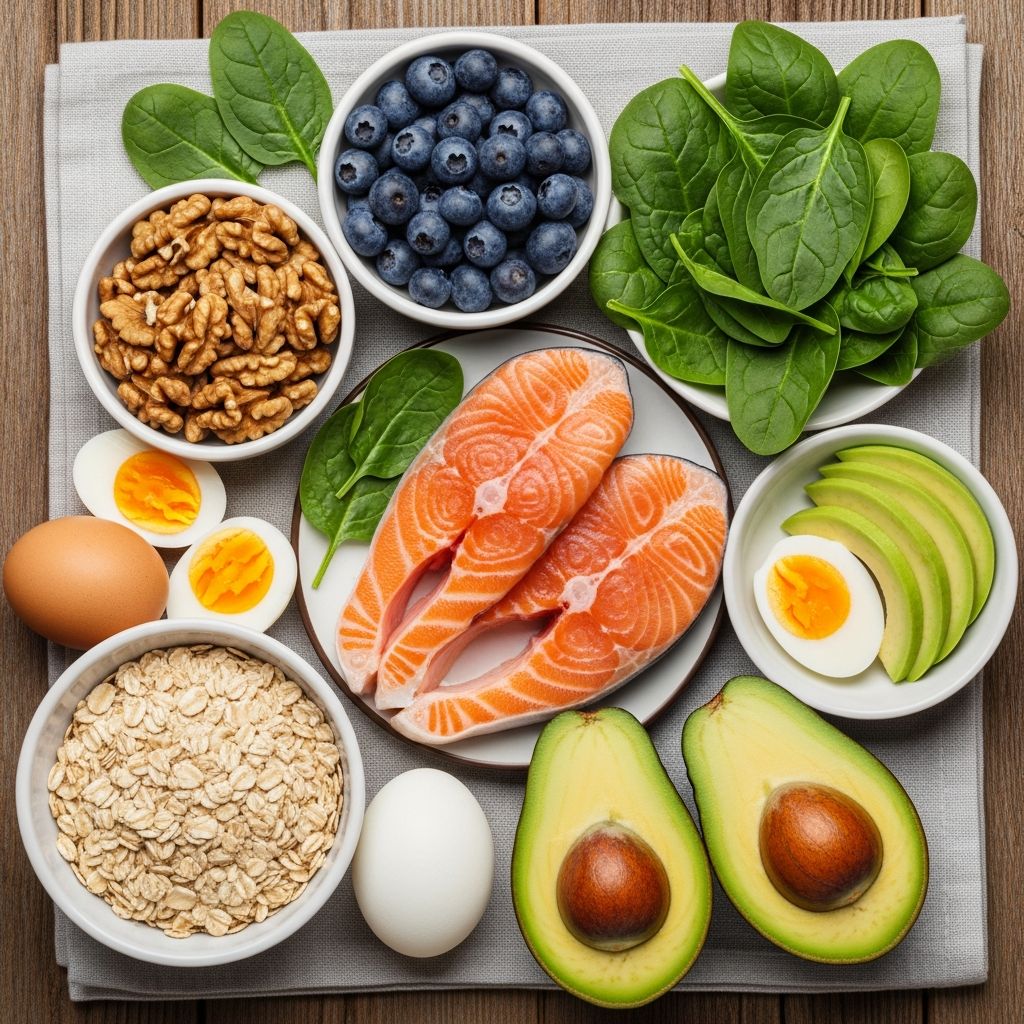
Children’s brains develop rapidly, especially in the early years, requiring specific nutrients to support neuron growth, memory formation, and focus. Incorporating brain-boosting foods into daily meals can significantly enhance cognitive abilities, as supported by research from leading health institutions.
Why Nutrition Matters for Young Minds
The brain consumes about 20% of the body’s energy, making quality fuel essential. Key nutrients like omega-3 fatty acids, choline, iron, and antioxidants protect brain cells, promote synaptic connections, and prevent deficiencies that impair learning. According to the American Academy of Pediatrics, nutrients such as choline, folate, iodine, iron, omega-3s, protein, and vitamins A, D, B6, B12, and zinc are critical for toddlers’ brain development. Deficiencies, like low iron affecting one in 10 U.S. children under 3, can lead to learning issues and ADHD-like symptoms.
Starting from infancy, a diet rich in these elements builds a foundation for academic success and emotional regulation. Parents can prioritize whole foods over processed options to deliver sustained mental energy and neuroprotection.
Fatty Fish: Omega-3 Powerhouses for Memory and Attention
Fatty fish stand out as premier brain foods due to high levels of DHA and EPA, omega-3 fatty acids vital for brain structure. DHA improves memory and attention in children. Safe options for kids include salmon, sardines, mackerel, shrimp, tilapia, crab, and cod—low in mercury unlike tuna or swordfish.
Children under 3 can safely consume 1-ounce servings 2-3 times weekly, while older kids benefit from about 10.5 ounces (300g) of oily fish per week. These provide protein, zinc, iron, choline, iodine, and B12, all promoting nerve health and cognitive function.
| Nutrient | Brain Benefit | Examples |
|---|---|---|
| DHA/EPA | Enhances attention, memory | Salmon, mackerel, sardines |
| Iodine | Supports cognition | Ocean fish |
| Vitamin B12 | Nerve health | Most fish |
For non-seafood eaters, alternatives like chia seeds (5,000mg ALA per ounce), hemp seeds (2,600mg per 3 tbsp), ground flaxseed, or algal oil supplements (400-500mg DHA/EPA daily) mimic these benefits.
Eggs: Choline-Rich Boost for Learning
Eggs are a versatile, kid-approved source of choline, crucial for brain development and cognitive function. Two whole eggs daily meet choline needs for children 8 and under. They also supply protein, B12, and omega-3s if fortified.
Choline aids neurotransmitter production, supporting memory and learning. Omega-3 fortified eggs add extra brain fuel, making them ideal for breakfast.
Berries and Citrus: Antioxidant Shields for Brain Cells
Berries like wild blueberries, raspberries, blackberries, strawberries, and dark cherries pack anthocyanins and flavonoids. These antioxidants protect neurons, boost blood flow, and foster new cell growth. A study showed 8-10-year-olds had better memory two hours after wild blueberry juice.
Citrus fruits provide vitamin C, aiding neuron growth and cell protection. Other options like bell peppers, tomatoes, and goji berries offer similar perks.
| Nutrient | Brain Benefit | Best Sources |
|---|---|---|
| Anthocyanins | Protects cells, boosts memory | Wild blueberries (253mg/1½ cups) |
| Flavonoids | Improves blood flow | Raspberries, blackberries |
| Vitamin C | Neuron growth | Oranges, bell peppers |
Leafy Greens and Veggies: Folate and Iron for Development
Leafy greens such as spinach, kale, arugula, collards, and cruciferous veggies like broccoli, cauliflower, and Brussels sprouts deliver folate, lutein, vitamin K, iron, and beta carotene. Folate supports brain function; 3 cups (100g) raw spinach provides nearly 50% of 4-8-year-olds’ needs. Iron builds the hippocampus for learning and memory, combating anemia risks.
- Spinach: Folate powerhouse for cognition.
- Broccoli: Antioxidants and iron.
- Kale: Vitamin K for cognitive support.
Other veggies like beets, carrots, celery, and seaweed add B vitamins, iodine, and omega-3s.
Nuts, Seeds, and Legumes: Healthy Fats and Minerals
Nuts (walnuts, almonds, hazelnuts, pistachios) and seeds (chia, hemp, flax) offer vitamin E, omega-3s (DHA in walnuts), and zinc for cognitive function and stress reduction. A ¼ cup walnuts or 2-3 tbsp almonds suits ages 4-8.
Beans (kidney, pinto, soybeans, black beans) provide zinc, protein, iron, folate, choline, and omega-3s—perfect meat alternatives for vegetarians. Protein aids long-term memory; zinc prevents developmental delays.
Dairy and Proteins: Probiotics, Iodine, and More
Unsweetened yogurt supplies protein, zinc, choline, iodine, and probiotics for gut-brain health. Iodine is key for thyroid hormones regulating cognition. Lean beef or alternatives like soy burgers offer zinc and iron.
Whole Grains: Steady Energy for Focus
Whole grains like brown rice, quinoa, oats, whole wheat, and barley provide B-vitamins, fiber, and complex carbs for stable blood sugar and nerve support. They sustain mental energy throughout school days.
| Grain | Key Benefits |
|---|---|
| Brown Rice | Nutrient-rich for sustained energy |
| Quinoa | Protein and minerals |
| Oats | Morning focus fuel |
Practical Meal Ideas for Busy Families
Integrate these foods seamlessly:
- Breakfast: Oatmeal with berries, chia seeds, and yogurt.
- Lunch: Salmon salad wrap with spinach and whole wheat tortilla.
- Snack: Apple slices with almond butter and a boiled egg.
- Dinner: Quinoa bowl with broccoli, beans, and lean beef.
Fortified options like omega-3 eggs or orange juice add convenience. Aim for variety to cover all nutrients.
Age-Specific Guidelines and Precautions
Toddlers (under 3): Small portions of low-mercury fish, mashed veggies, soft fruits. School-age (4-8): Increase to daily nuts/seeds, 300g fish weekly. Avoid choking hazards like whole nuts for young kids; grind or use butters.
Monitor allergies; consult pediatricians for supplements. Mild iodine deficiency impacts reasoning, so prioritize seafood or yogurt.
Frequently Asked Questions (FAQs)
What are the most important nutrients for kids’ brain health?
Choline, omega-3s (DHA/EPA), folate, iron, iodine, zinc, protein, and B vitamins top the list for development and function.
How much fatty fish should children eat weekly?
About 10.5 ounces (300g) of oily fish, with low-mercury choices 2-3 times weekly for under 3s (1oz servings).
Are eggs safe and beneficial daily for kids?
Yes, two whole eggs meet choline needs for ages 8 and under, providing brain-boosting protein and B12.
What if my child won’t eat fish or is vegetarian?
Use chia, hemp, flaxseeds, algal oil, beans, fortified eggs, or yogurt for similar omega-3s and minerals.
Can berries really improve memory in children?
Yes, anthocyanins in wild blueberries enhanced memory in 8-10-year-olds within hours in studies.
References
- 8 Foods to Boost Child Brain Health — HML Functional Care. Accessed 2026. https://hmlfunctionalcare.com/8-foods-to-boost-child-brain-health/
- Baby brain food: 7 foods to fuel brain development — UCLA Health. Accessed 2026. https://www.uclahealth.org/news/article/baby-brain-food-7-foods-to-fuel-brain-development
- Best Brain-Boosting Foods: What to Eat for Better Memory and Focus — Northwestern Medicine. Accessed 2026. https://www.nm.org/healthbeat/healthy-tips/nutrition/best-food-for-a-healthy-brain
- Brain Food For Toddlers — Texas Children’s Hospital. Accessed 2026. https://www.texaschildrens.org/content/patient-stories/brain-food-for-toddlers
- The crucial brain foods all children need — Harvard Health Publishing. 2018-01-23. https://www.health.harvard.edu/blog/brain-food-children-nutrition-2018012313168