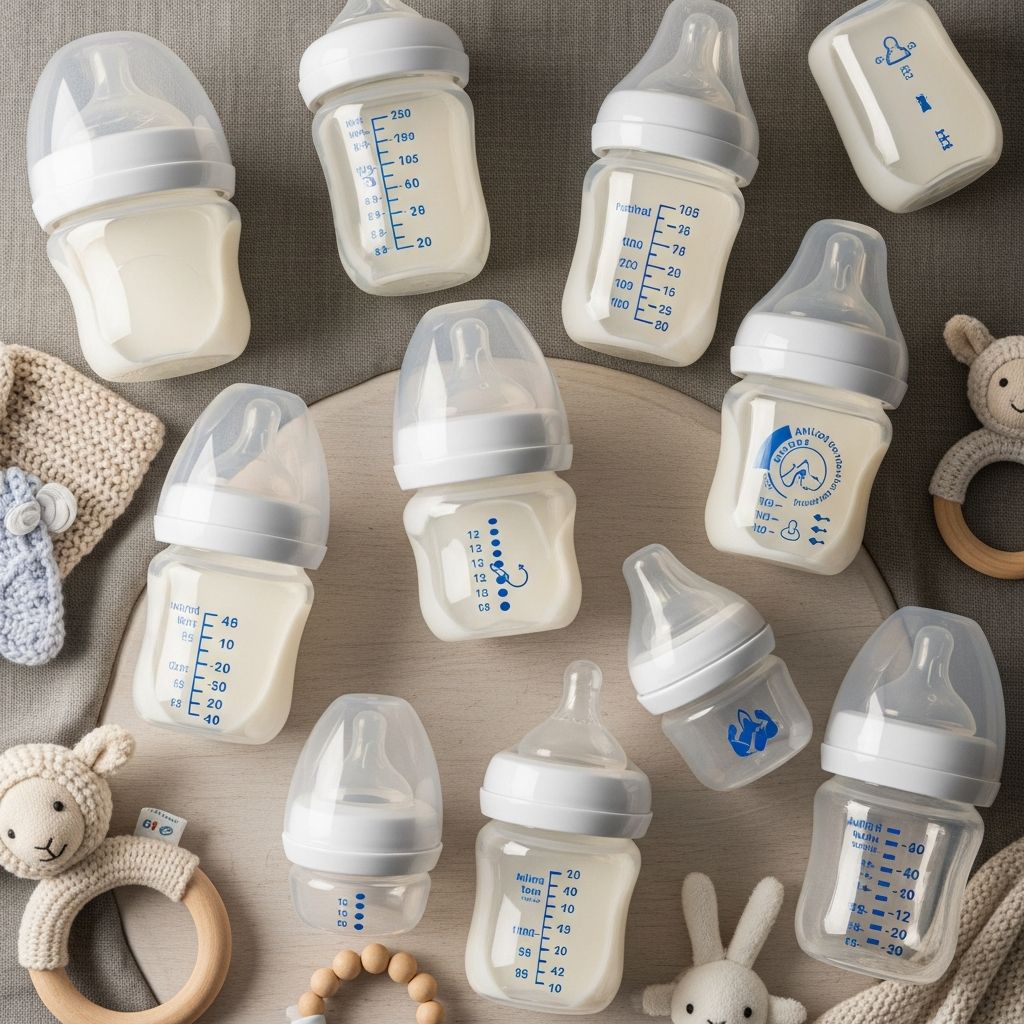
Few things are more stressful than watching a baby cry in obvious discomfort and not knowing how to help. While gas and colic are common in newborns, the way a baby is fed can significantly influence how much air they swallow and how comfortable they feel after a feeding. Choosing and using the right bottle is one of the most practical ways to ease a baby’s gassy belly.
Why Gas and Colic Happen in Babies
Newborn digestive systems are immature, so it’s easy for extra air and partially digested milk to trigger discomfort. Gas bubbles can stretch the intestines, making a baby feel crampy and fussy. Colic, often described as intense crying for no clear medical reason, can be worsened by swallowing air during feeds. While gas and colic are rarely dangerous, they can be exhausting for parents and upsetting for babies.
Because babies rely entirely on caregivers for feeding and burping, details such as bottle design, nipple shape, feeding position, and pace of feeding can all influence how much air they take in. Adjusting these variables often brings noticeable relief.
How Bottles Influence Gas and Discomfort
Every baby swallows some air while feeding, but poorly designed bottles can make this worse. When a bottle allows air to mix with milk or creates a strong vacuum, a baby may gulp, swallow more air, and need to work harder to get milk. This extra effort can lead to gas, spit-up, and crying right after or between feeds.
Modern anti-colic bottles aim to control or redirect the air inside the bottle. Some use internal vents, others use special valves in the nipple, and a few rely on collapsible liners or silicone pouches so the milk flows without drawing in outside air. These features cannot cure colic by themselves, but they can remove one major trigger: unnecessary air intake.
Key Bottle Features That Help Gassy Babies
Instead of chasing the single “best” bottle, look for practical features that match your baby’s age, feeding style, and tummy sensitivity. The goal is to maintain a steady, gentle milk flow with as little trapped air as possible.
- Effective venting system: Internal vents, valves, or air channels help keep air away from the milk so your baby swallows less air with each suck.
- Appropriate nipple flow: Nipples that are too fast can cause gulping and choking, while those that are too slow can lead to frustrated, air-swallowing sucking.
- Breast-like shape (if needed): For babies who switch between breast and bottle, a wide, soft nipple that encourages a deep latch can limit air at the corners of the mouth.
- Easy-to-clean parts: A bottle that is simple to assemble and wash reduces the chance of clogged vents or mold, which can affect how the system works.
- Comfortable size and grip: A shape that fits easily in your hand promotes a steadier feeding posture and fewer abrupt shifts that might introduce bubbles.
Types of Anti-Gas Bottle Designs
Anti-colic bottles fall into a few general categories, each tackling air in a slightly different way. Understanding how they function will help you decide which is most likely to work for your baby and your daily routine.
| Design Type | How It Works | Pros | Possible Drawbacks |
|---|---|---|---|
| Internal vent system | A plastic or silicone vent runs through the bottle, channeling air away from the milk as baby drinks. | Very effective at limiting bubbles; popular for babies with severe gas or reflux. | More pieces to wash and assemble; vents can clog if not cleaned carefully. |
| Vented nipple | Small holes or a valve in the nipple release air as baby feeds, reducing vacuum buildup. | Fewer parts; often easier to clean and assemble than full internal systems. | If vents are blocked or damaged, the bottle may leak or lose its anti-colic effect. |
| Collapsible liner or pouch | A disposable liner or silicone pouch shrinks as milk is removed, so air does not enter the milk space. | Very low air intake; convenient for on-the-go feeds. | Ongoing cost of liners or specialty parts; more waste; may feel less sturdy. |
| Angled or offset bottle | The bottle or nipple is angled so milk stays in the nipple while baby feeds in a more upright position. | Helps keep milk in the nipple and promotes upright feeding, which can also reduce reflux. | Can be bulkier to hold; not all brushes fit well for cleaning corners. |
Matching Bottle Type to Your Baby’s Needs
Every baby is unique, and the same bottle that works beautifully for one child may be a poor fit for another. Consider your baby’s current challenges: frequent spit-up, loud gulping, excessive gas, or resistance when switching between breast and bottle. Each symptom offers clues about what might help.
For example, a baby who chokes and coughs during feeds might need a slower-flow nipple and more upright positioning, while a baby who seems to endlessly suck without satisfaction could benefit from a slightly faster flow and a bottle that limits vacuum buildup. Observing your baby during feeds is more important than relying on package labels alone.
Signs Your Baby’s Bottle May Be Contributing to Gas
Because babies cannot explain what hurts, caregivers need to watch for patterns. Certain behaviors during and after feeds can hint that the current bottle is not a good match or that it is being used in a way that encourages extra air swallowing.
- Frequent gulping, clicking sounds, or milk leaking from the corners of the mouth.
- Very short feeds followed by intense crying, or unusually long feeds with little satisfaction.
- Hard, bloated belly; frequent pulling up of the legs; sudden painful cries shortly after feeding.
- Excessive spit-up, burping, or arching the back during or after feeds.
Choosing the Right Nipple Flow
Nipple flow rate strongly influences how much air a baby swallows. Newborns often do best with the slowest flows, which allow them to coordinate sucking, swallowing, and breathing. If milk pours too quickly, a baby may gulp to keep up, swallow more air, and feel overwhelmed. If it is too slow, they may suck intensely and draw in air around the nipple.
Watch your baby’s cues instead of following age ranges on packaging too strictly. A good flow pattern looks like rhythmic sucking with brief pauses to swallow and breathe, little to no coughing or sputtering, and a relaxed, content expression during and after the feed.
Feeding Techniques That Reduce Gas
The bottle itself is only half the story; how it is used matters just as much. Simple adjustments in feeding position, pace, and burping can make even a basic bottle work more effectively for a gassy baby.
- Use a semi-upright position: Hold your baby at a gentle incline so the head is higher than the stomach, which helps milk flow down while air rises up and is easier to burp out.
- Angle the bottle correctly: Aim for a position where the nipple stays filled with milk instead of foam or bubbles, minimizing how much air reaches your baby’s mouth.
- Try paced bottle feeding: Allow brief pauses every few swallows by tipping the bottle down or gently removing it for a moment, imitating the natural rhythm of breastfeeding.
- Burp during and after feeds: Instead of waiting until the end of the bottle, pause halfway through and gently burp your baby, then again once the feed is over.
Cleaning and Maintenance: Protecting the Vent System
Even the best anti-colic design will fail if the parts are clogged, warped, or assembled incorrectly. Milk residue and soap film can block tiny vents, causing leaks or making the bottle act like a regular non-vented design. Consistent cleaning habits protect both your baby’s health and the function of the bottle.
- Disassemble every piece, including vents, valves, and silicone inserts, after each use.
- Use a dedicated bottle brush and a smaller brush or toothpick-style tool for vent holes and narrow channels.
- Inspect parts regularly for cracks, cloudiness, or warping, and replace them when they show wear.
- Follow the manufacturer’s recommendations for boiling, steaming, or dishwasher use so parts do not deform.
Bottle Materials: Plastic, Glass, Silicone, and More
The material of the bottle will not directly decide how gassy your baby is, but it affects durability, weight, and ease of cleaning. Plastic bottles are lightweight and hard to break but can scratch over time, creating spots where bacteria cling. Glass bottles are sturdy and easy to clean thoroughly, though heavier and breakable. Silicone bodies are soft and flexible, which some parents like for grip and collapsible designs.
Consider how often you will bottle-feed, who will be feeding your baby, and where the feeds take place. For example, a lightweight, shatter-resistant bottle may be best for older siblings or caregivers with less arm strength, while glass might appeal more to parents who prioritize heat resistance and a very smooth interior surface.
Breastfeeding and Bottles: Protecting the Latch
Many families combine breast and bottle feeding, whether by choice or necessity. In these cases, bottle choice should support the baby’s ability to maintain a deep, effective latch at the breast. Wide, gently sloped nipples that encourage the baby to open wide can help, especially when paired with slow flow rates that more closely mimic breastfeeding.
When introducing a bottle to a breastfed baby, it can help to choose a time when your baby is calm and slightly hungry but not frantic, and to let someone other than the breastfeeding parent offer the bottle at first. Patience and consistency are usually more important than any particular brand.
Practical Process for Testing New Bottles
- Start with one or two designs that match your top priorities: strong venting, breast-like nipple, or ease of cleaning.
- Use each bottle consistently for several days while keeping other variables (formula type, feed timing) as stable as possible.
- Track your baby’s behavior: length of feeds, amount of spit-up, ease of burping, and overall fussiness before and after eating.
- Adjust details like nipple size and feeding position before giving up on a bottle entirely.
- If needed, introduce a different style and compare notes instead of switching randomly at every fussy feed.
When to Talk With a Pediatrician
Although bottle adjustments can dramatically improve comfort, persistent or severe symptoms deserve professional attention. Red flags include poor weight gain, blood in stool or spit-up, very forceful vomiting, or a baby who seems inconsolable for long stretches most days. These signs may indicate reflux disease, food allergy, or another medical concern that goes beyond simple gas.
A pediatrician can evaluate whether a formula change, feeding schedule adjustment, medication, or referral to a specialist is appropriate. Bringing a log of feeding times, amounts, behaviors, and bottle types can make that conversation more productive.
Frequently Asked Questions About Bottles and Gas
Do anti-colic bottles completely prevent gas?
No bottle can eliminate gas entirely, because some air swallowing and digestive gas production are normal. Anti-colic designs aim to reduce excess air intake and lessen the severity or frequency of gas-related discomfort. For many babies, this reduction is enough to produce calmer feeds and easier sleep, but some gassiness will still occur.
How long should I try a bottle before deciding it doesn’t work?
Unless your baby shows an obvious negative reaction, such as extreme choking or refusal, it is sensible to give a new bottle at least several days of consistent use. Babies often need time to adjust to a different nipple shape or flow. During that period, focus on gentle positioning, burping, and observing patterns before concluding that a bottle is not a good match.
Is it okay to switch bottles frequently?
Constantly switching can make it harder to identify what actually helps or hurts. It is better to change one variable at a time: bottle style, nipple flow, or feeding position. Keeping a simple log of what you used and how your baby responded can reveal trends and prevent you from buying unnecessary products.
Do I need different bottles for breast milk and formula?
Most bottles work for either breast milk or formula. The bigger difference is how your baby drinks, not what is in the bottle. That said, some formulas are thicker and may work better with slightly larger nipple holes. Always start at a slower flow and adjust if your baby is straining to get milk despite strong sucking.
When will my baby naturally grow out of gas and colic?
Many babies experience peak gassiness and colicky behavior in the first 6 to 8 weeks of life and gradually improve over the next few months. As the digestive tract matures and babies spend more time upright and moving, gas becomes easier to pass. The right bottle and feeding techniques can make those early months more manageable while nature does the rest.
Final Thoughts for Tired Parents
Helping a gassy or colicky baby can feel like solving a puzzle with too many pieces. While no single bottle is a guaranteed cure, understanding how design, nipple flow, and feeding technique interact gives you powerful tools to ease your baby’s discomfort. With a bit of patient experimentation and careful observation, most families do find a setup that leads to calmer feeds and more peaceful nights.