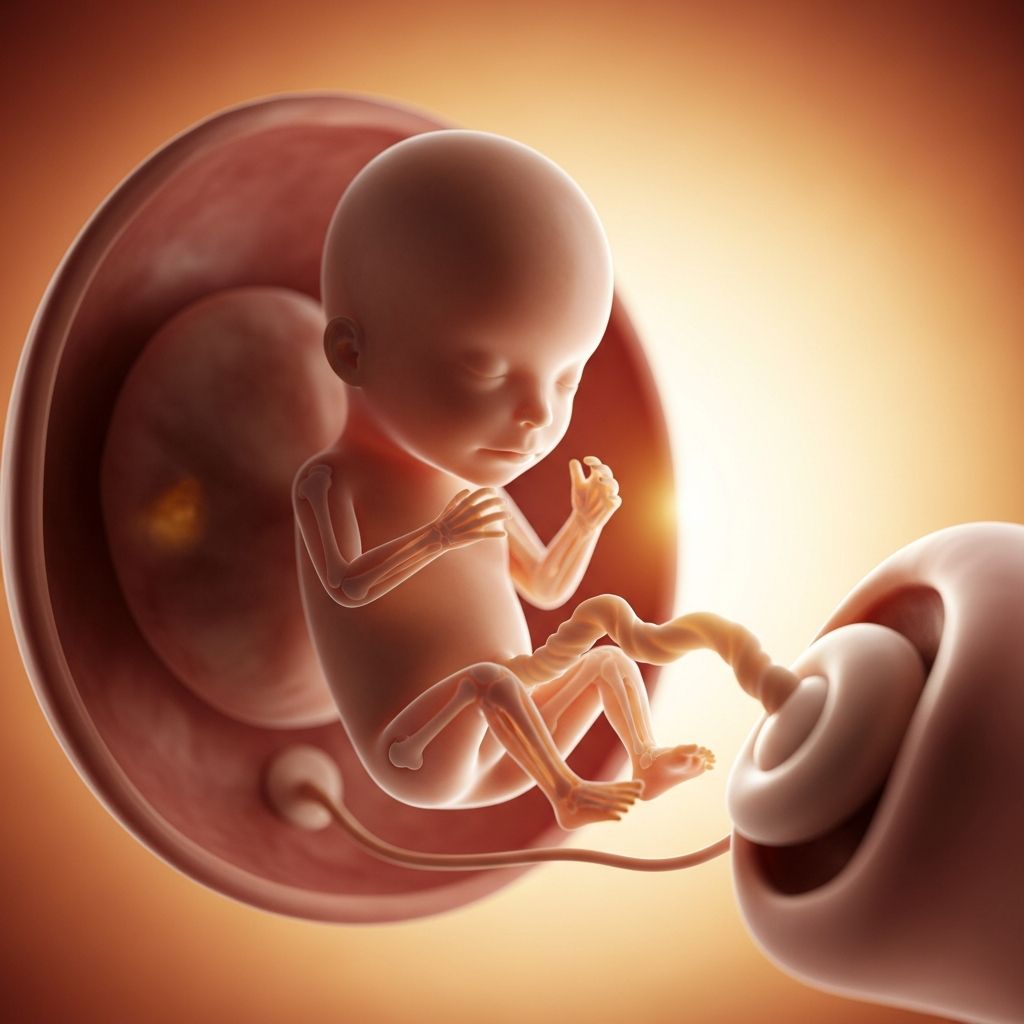
Entering the second trimester at **14 weeks pregnant**, your baby transitions from embryonic to fetal stages with remarkable advancements. Organs refine, physical features sharpen, and early sensory capabilities emerge, marking a vibrant period of growth.
Key Milestones in Fetal Anatomy and Physiology
By week 14, or 12 weeks post-conception, the fetus exhibits distinct structural changes. The neck becomes prominently defined, allowing better head control and movement. Red blood cells begin forming in the spleen, a critical step for oxygen transport that shifts to bone marrow later.
The baby’s size averages **3.5 inches (87 mm) crown-to-rump** and **1.5 ounces (45 grams)**, comparable to a lemon. Arms lengthen proportionally, enhancing body balance, while the liver starts bile production.
- Neck development: Separates head from torso for fluid motion.
- Hematopoiesis shift: Spleen produces red blood cells.
- Limb refinement: Arms elongate; hands open, close, and reach mouth.
- Skin changes: Thickens slightly; lanugo (fine hair) appears on face.
Sensory and Neurological Progress
Neural pathways advance, enabling facial expressions like grimacing or squinting via brain maturation. Eyes initiate slow movements, though eyelids remain fused. Taste buds and nasal structures develop, laying groundwork for sensory experiences.
Hair follicles emerge under the skin, and genitals fully form, though ultrasound detection varies. Reflexes activate: touching hands or feet prompts curling.
| Developing Feature | Description | Function |
|---|---|---|
| Brain & Facial Muscles | Enables frowns, squints | Early expression practice |
| Eyes | Slow side-to-side motion | Prepares for vision |
| Spleen | Red blood cell formation | Oxygen circulation |
| Hands | Grasping, thumb-sucking | Motor skill building |
Maternal Body Transformations at 14 Weeks
The second trimester often brings relief from first-trimester fatigue. Energy levels rise as nausea subsides for many. The uterus expands, making the baby bump noticeable, especially in subsequent pregnancies.
Breasts enlarge, potentially producing colostrum—nutrient-rich pre-milk. Hormonal shifts may cause skin changes like new moles or tags, typically benign but worth monitoring.
- Increased vitality and reduced sickness.
- Visible abdominal rounding.
- Breast tenderness eases; colostrum possible.
- Skin adaptations: monitor changes.
Nutrition and Lifestyle Recommendations
Prioritize folate, iron, and calcium for bone hardening and blood production. Hydrate adequately and engage in moderate exercise like walking to support circulation.
Avoid smoking, alcohol, and limit caffeine. Prenatal vitamins ensure nutrient gaps are filled, aiding spleen function and overall growth.
Medical Checkups and Screenings
Week 14 aligns with the anomaly scan window (around 18-20 weeks), but earlier ultrasounds confirm viability. Hear the heartbeat via Doppler.
Discuss genetic screening if not completed. Blood tests monitor health markers. Miscarriage risk drops post-critical organ formation.
Emotional Well-being for Expectant Parents
Heightened emotions are normal; connect with partners or support groups. Visualize baby via apps showing 14-week models.
Track symptoms in a journal. Many feel excitement as movements subtly begin, though perceptible kicks arrive later (16-20 weeks).
Comparing Week 14 to Adjacent Weeks
| Week | Key Baby Change | Size (Crown-Rump) | Mom’s Experience |
|---|---|---|---|
| 13 | Bones harden (skull, limbs) | ~3 inches | Nausea fading |
| 14 | Neck defines; spleen active | 3.5 inches, 1.5 oz | Energy boost |
| 15 | Bone visibility on ultrasound | ~4 inches | Bump prominent |
| 16 | Coordinated limbs; eyes move | 4.75 inches, 4 oz | Possible flutters |
Common Concerns and Solutions
Concern: No movement felt. Normal—fetus active but too small (quickening ~18-20 weeks).
Concern: Skin changes. Benign; consult if irregular.
Concern: Weight gain. Aim 1-2 lbs/week; focus quality nutrition.
Frequently Asked Questions
Is week 14 the start of the second trimester?
Yes, second trimester spans weeks 13-27, with reduced risks.
What size is baby at 14 weeks?
About 3.5 inches long, 1.5 ounces—lemon-sized.
Can you feel kicks at 14 weeks?
Rarely; most feel first flutters weeks 16-20.
Does gender show on ultrasound at 14 weeks?
Genitals formed but often unclear until 18+ weeks.
How to boost baby’s development?
Balanced diet, prenatal care, rest, no substances.
Preparing for Next Stages
Anticipate growth spurts: by week 20, baby reaches 6.3 inches, 11 ounces. Plan maternity clothes, birthing classes.
Strengthen pelvic floor with Kegels. Research doulas or midwives.
References
- Fetal development: The second trimester — Mayo Clinic. 2023-10-15. https://www.mayoclinic.org/healthy-lifestyle/pregnancy-week-by-week/in-depth/fetal-development/art-20046151
- Pregnancy Week by Week — March of Dimes. 2024-05-20. https://www.marchofdimes.org/pregnancy-week-week
- Pregnancy at week 14 — Pregnancy Birth & Baby. 2023-11-10. https://www.pregnancybirthbaby.org.au/pregnancy-at-week-14
- 14 Weeks Pregnant — American Pregnancy Association. 2024-02-28. https://americanpregnancy.org/healthy-pregnancy/week-by-week/14-weeks-pregnant/
- Pregnancy Calendar: Week 14 — Nemours KidsHealth. 2023-09-05. https://kidshealth.org/en/parents/week14.html
- Fetal Development: Stages of Growth — Cleveland Clinic. 2024-07-12. https://my.clevelandclinic.org/health/articles/7247-fetal-development-stages-of-growth