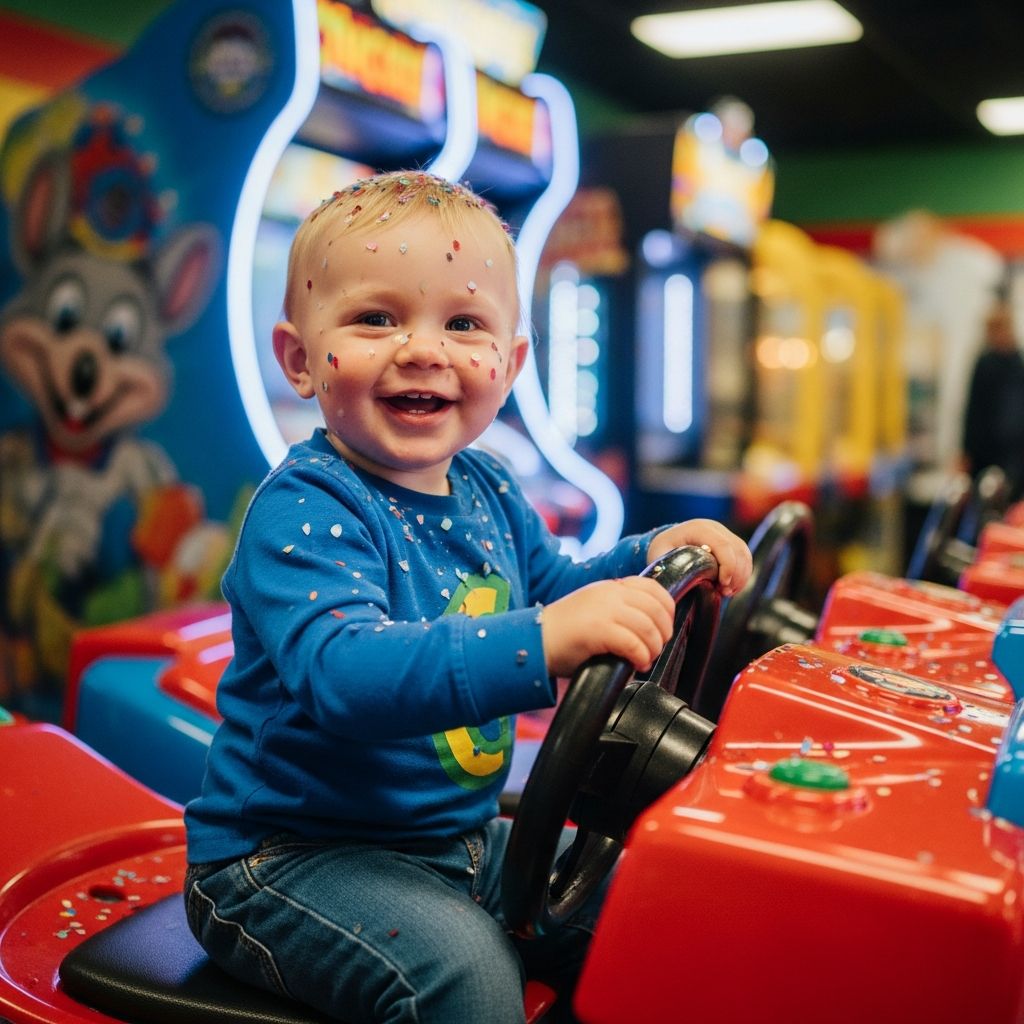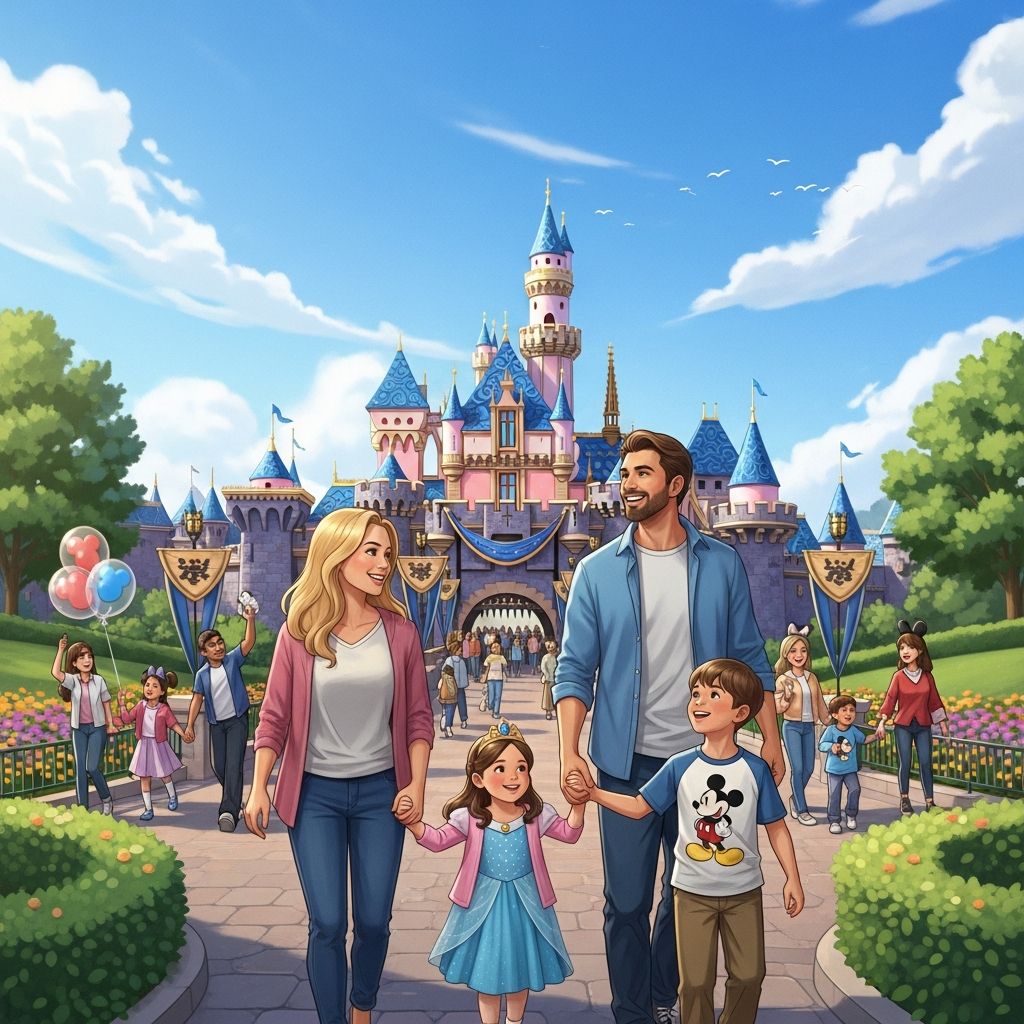
Parents ask this all the time: Is there really a “best” age for Disneyland? The honest answer is that different ages offer different kinds of magic – and different kinds of challenges. Instead of one perfect number, what truly matters is matching the trip to your child’s stage, your budget, and your expectations.
This guide breaks down how kids experience Disneyland at each age range, what trade-offs to expect, and how to decide when your family is most likely to have a fun, memorable, and manageable visit.
Key Questions Before You Pick an Age
Before focusing on birthdays and height charts, step back and think about what you want from the trip. Clarifying your priorities will make the “best age” much easier to spot for your family.
- Is this a once-in-a-lifetime trip or one of many? If you plan to go only once, you may want to wait until your child can remember more, ride more, and stay up later.
- What is your main goal? Adorable baby photos? A big kid thrill-ride marathon? A relaxed, stroller-friendly visit? Different ages serve different goals.
- How does your child handle crowds, noise, and new situations? Sensitive or easily overwhelmed kids may enjoy the park more at an age when they can better communicate feelings and take breaks.
- What is your realistic budget? Younger kids may cost less in tickets and food, but you may need strollers, naps, and shorter days. Older kids can do more but pay adult prices sooner.
Once you’re clear on these points, you can look at each age range with a more practical lens.
Babies Under 2: Sweet Photos, Limited Memories
Taking an infant to Disneyland is less about their memories and more about yours. For some families, it’s a beautiful way to celebrate a new baby; for others, the logistics feel overwhelming. The experience is mostly about being together in a magical place, not about the baby actively engaging with everything.
- Pros
- Many babies are content people-watching, napping in a stroller, and listening to music and sounds.
- Photo opportunities with characters and in front of iconic landmarks can be priceless keepsakes.
- If you have older kids, the baby can simply “come along for the ride” while older siblings enjoy the attractions.
- Cons
- Baby’s schedule (naps, feeding, bedtime) will heavily shape your day and may limit time in the park.
- Parents spend more time managing logistics (diapers, bottles, shade, temperature) than riding attractions.
- The baby will not remember the trip, so the emotional payoff is primarily for parents and older siblings.
Who this age works best for: Families who already love Disneyland, parents visiting for themselves or older kids, or those who are comfortable traveling with a baby and don’t mind a slower pace.
Toddlers 2–3: Big Wonder, Big Feelings
The toddler years can be both magical and meltdown-prone. Children at this age are beginning to recognize characters, understand simple storylines, and react with huge emotions – delight, fear, excitement, and exhaustion, sometimes in the same ten minutes.
- What’s magical at this age
- Seeing beloved characters and rides come to life feels completely real and thrilling.
- Many gentler attractions, parades, and shows are perfectly suited to their shorter attention spans.
- The park is full of colors, music, and movement that toddlers find endlessly fascinating.
- What can be hard
- Long lines, loud noises, and crowds can be overwhelming, leading to tears or refusal to ride.
- Toddlers may be afraid of characters up close, even if they love them on screen.
- Nap time and early bedtimes may conflict with parades, fireworks, and evening shows.
Success tips for the toddler years:
- Plan a clear mid-day break for naps or quiet time; don’t try to power through a full open-to-close day.
- Use a stroller even if your child rarely uses one at home; park days involve far more walking than usual.
- Keep expectations modest; aim for a few rides and experiences rather than trying to “do it all.”
Preschoolers 4–6: Imagination at Full Strength
Many families consider early childhood the most enchanting age for Disneyland. Kids in this range usually still believe in the magic of characters and stories but have more stamina and communication skills than toddlers.
- Why this age feels magical
- Children eagerly participate in themed lands, shows, and character interactions, often fully “in character” themselves.
- They can express what they like and don’t like, making it easier to choose attractions that suit them.
- They are often tall enough for a wider range of rides, though not always the biggest thrill rides.
- Potential challenges
- Lines can still test their patience, especially later in the day or during busy seasons.
- Some darker or louder attractions may be too intense despite meeting the height requirement.
- They may get “stuck” on one favorite ride or area and resist moving on to other parts of the park.
How to plan for 4–6-year-olds:
- Alternate exciting rides with calmer activities such as shows, character meet-and-greets, or snack breaks.
- Involve your child in planning by showing videos or maps ahead of time so they know what to expect.
- Consider staying nearby so you can return to your hotel for a break if needed.
Big Kids 7–10: Often the “Sweet Spot”
For many families, ages 7 to 10 strike a highly satisfying balance between wonder and practicality. Kids are usually tall enough for the majority of attractions, can handle longer days, and will remember the trip much more clearly.
- Major advantages at this age
- Most children can tolerate longer lines with the help of games, conversation, or small distractions.
- They tend to be brave enough to try more thrilling rides but still enjoy the classic, gentler attractions.
- They remember the experience in detail, often talking about it for years afterward.
- What to watch for
- Some kids become very ride-focused and may rush past slower, story-based experiences.
- They may develop strong preferences that require compromise between siblings.
- Peer influences and media may shape expectations, so clear communication about what is realistic helps.
Planning tips for big kids:
- Let them help craft the daily plan, including must-do rides and snacks, so they feel invested.
- Consider later nights with fireworks or evening shows, counterbalanced by a slower morning or rest day.
- Talk through intense rides in advance so they can decide whether they truly want to try them.
Tweens and Teens: Thrill-Seekers and Night Owls
Older kids experience Disneyland differently than younger ones. The focus often shifts from pure fantasy to thrills, gadgets, and social media-worthy moments. This can be an incredibly fun phase if you adjust your expectations.
- Why older kids can be great at Disneyland
- They can handle long days, late nights, and more intense attractions without constant breaks.
- They often enjoy helping with navigation, mobile ordering, and planning strategies.
- They appreciate more subtle details in themed lands, storytelling, and ride design.
- Potential drawbacks
- Some tweens and teens may act disinterested or “too cool,” especially around characters or shows aimed at younger kids.
- It can be harder to find activities that everyone in a mixed-age group enjoys together.
- The cost of tickets, food, and souvenirs rises as kids age into adult pricing and bigger appetites.
How to keep older kids engaged:
- Give them some freedom to explore certain areas or rides independently within agreed-upon boundaries.
- Focus on thrills, immersive lands, and unique snacks or experiences that cater to their interests.
- Invite them to capture photos or videos and create trip content if they enjoy social media or photography.
Age vs. Experience: A Side-by-Side Look
The table below gives a high-level view of how each age group typically experiences Disneyland. Every child is unique, but this overview can help you quickly compare what to expect.
| Age Range | Main Highlights | Biggest Challenges | Best For Families Who… |
|---|---|---|---|
| Under 2 | Sweet photos, calm stroller rides, family time | Heavy logistics, no lasting memories for the child | Are frequent visitors or happy with a slow-paced, adult-driven trip |
| 2–3 | Big reactions, character recognition, simple attractions | Meltdowns, fear of characters, strict nap/bedtime needs | Want to see Disney through a toddler’s eyes and accept a flexible schedule |
| 4–6 | Strong imagination, more ride options, can communicate preferences | Patience still limited, occasional ride fears, potential overstimulation | Value magic and playfulness more than squeezing in every major ride |
| 7–10 | Can handle more rides, better stamina, vivid memories | More opinions, desire for thrills may clash with younger siblings’ needs | Want a balance of thrills, memories, and manageable logistics |
| 11+ | Thrill rides, long days, tech-savvy planning | Possible “too cool” attitude, higher costs, less interest in little-kid activities | Enjoy theme parks as adventure destinations and like collaborating with older kids |
Other Factors That Matter More Than Age
Age is only one piece of the puzzle. Two children the same age can have completely different experiences depending on personality, schedule, and family style. Consider these additional factors alongside the number on the birthday cake.
- Temperament: A cautious, highly sensitive child may enjoy a later trip more than an early one, while a flexible, curious child might thrive at the park even as a preschooler.
- Daily routine: If your child’s mood falls apart when naps or bedtimes are disrupted, avoid schedules that require late nights or very early mornings.
- Family composition: If you have multiple children, the “best” age may be a compromise that works reasonably well for everyone instead of perfectly for one.
- Season and crowd level: Visiting during lower-crowd times can make it easier for younger kids to cope with lines and overstimulation.
- Your own energy level: Parents’ stamina, patience, and flexibility matter just as much as kids’ energy when navigating a full park day.
Practical Planning Tips for Any Age
Regardless of when you go, a bit of pre-planning makes Disneyland feel more magical and less stressful. Think of your plan as a loose framework rather than a strict schedule.
- Design a flexible daily rhythm
- Start early if your kids are morning people; hit key rides before crowds build.
- Schedule one extended break daily, either back at the hotel or in a quiet park area.
- Decide ahead of time whether you are prioritizing nighttime shows or an early bedtime.
- Pack with kids’ comfort in mind
- Comfortable shoes, layers for changing weather, and sun protection can make or break the day.
- Small distractions (coloring pages, sticker books, simple games) help during longer waits.
- Pack familiar snacks to reduce hunger-related meltdowns and save money.
- Set realistic expectations together
- Talk before the trip about how you might not ride everything, and that plans may change.
- Explain what lines, crowds, and noise might feel like so kids aren’t surprised.
- Celebrate small wins: a favorite ride, a fun snack, or a sweet character moment can define the day.
So, What Age Is “Best” for Disneyland?
There is no single perfect age that fits every family. Instead, there are different best ages for different goals. Some parents cherish the baby photos and peaceful stroller walks, others crave the pure preschool wonder, and many prefer the practical, memory-rich years of elementary school.
- If your priority is adorable photos and sharing a favorite place with your baby, going in the first couple of years can be meaningful.
- If you dream of wide-eyed magic and make-believe, ages 4–6 shine, as long as you keep expectations realistic and build in plenty of breaks.
- If you want a strong mix of thrills, stamina, and lasting memories, many families find the 7–10 range feels just right.
- If your kids are already older, it is absolutely not “too late.” Teens and tweens can have an unforgettable experience when the trip is planned around their interests.
The best age is ultimately the one that fits your child’s personality, your budget, and your family’s travel style. When those three line up, Disneyland can be magical at almost any stage.
Frequently Asked Questions About the Best Age for Disneyland
Will my child remember Disneyland if we go before age 5?
Memories at very young ages can be fuzzy or short-lived, and many children do not retain detailed memories of big trips before early elementary school. That does not mean the experience has no value; you will remember the joy, photos, and time together, and your child may retain emotional impressions even if the specific details fade. If concrete memories for your child are a top priority, consider waiting until the early school years.
Is it worth taking a toddler to Disneyland?
It can be worth it if you adjust your expectations and plan gently. Toddlers often delight in simple things: music, lights, short rides, and character sightings from a distance. However, expect more breaks, possible fear of costumed characters, and a limited number of attractions per day. If you dislike traveling with nap schedules and diaper bags, you may prefer to wait.
What if my kids are different ages?
Mixed-age groups are common, and there is no perfect solution that works for everyone every moment. Aim for a balance: some time focused on little-kid attractions, some time for older kids’ thrill rides, and shared activities the whole family can enjoy together. Consider using rider-swap options or splitting up briefly if adults outnumber small children and everyone is comfortable with the plan.
How many days do we really need?
For families with young kids, one or two days can feel both exciting and exhausting, especially when naps and bedtimes are involved. Families with older children who want to ride more attractions and see more shows may appreciate two or three days. More days allow a slower pace, but even a single well-planned day can be special if you keep your goals realistic.
What’s more important: age or timing within the year?
Both play a role. Age influences stamina, fear levels, and ride eligibility, while season affects crowd levels, temperature, and park hours. A younger child may do better during a less crowded, cooler time of year, while an older child can usually handle busier seasons. If you can, choose a combination of a good age range and a moderate-crowd season for the smoothest experience.
How do I know if my child is ready for thrill rides?
Meeting a height requirement does not guarantee emotional readiness. Talk about what the ride does (fast drops, darkness, loud noises) in simple, honest terms. Watch point-of-view videos together before your trip and let your child decide whether it looks fun or too intense. Respect a “no,” even if you think they might enjoy it once they try; feeling safe and heard leads to a better overall day.
Is it ever “too late” for a first Disneyland trip?
Not at all. Older kids, teens, and even adults experience Disneyland differently but just as meaningfully. Instead of focusing on character hugs and tiny rides, you might highlight thrill attractions, immersive lands, food, and shared adventures. The core of the trip – time together in a playful, imaginative place – can be deeply rewarding at any age.