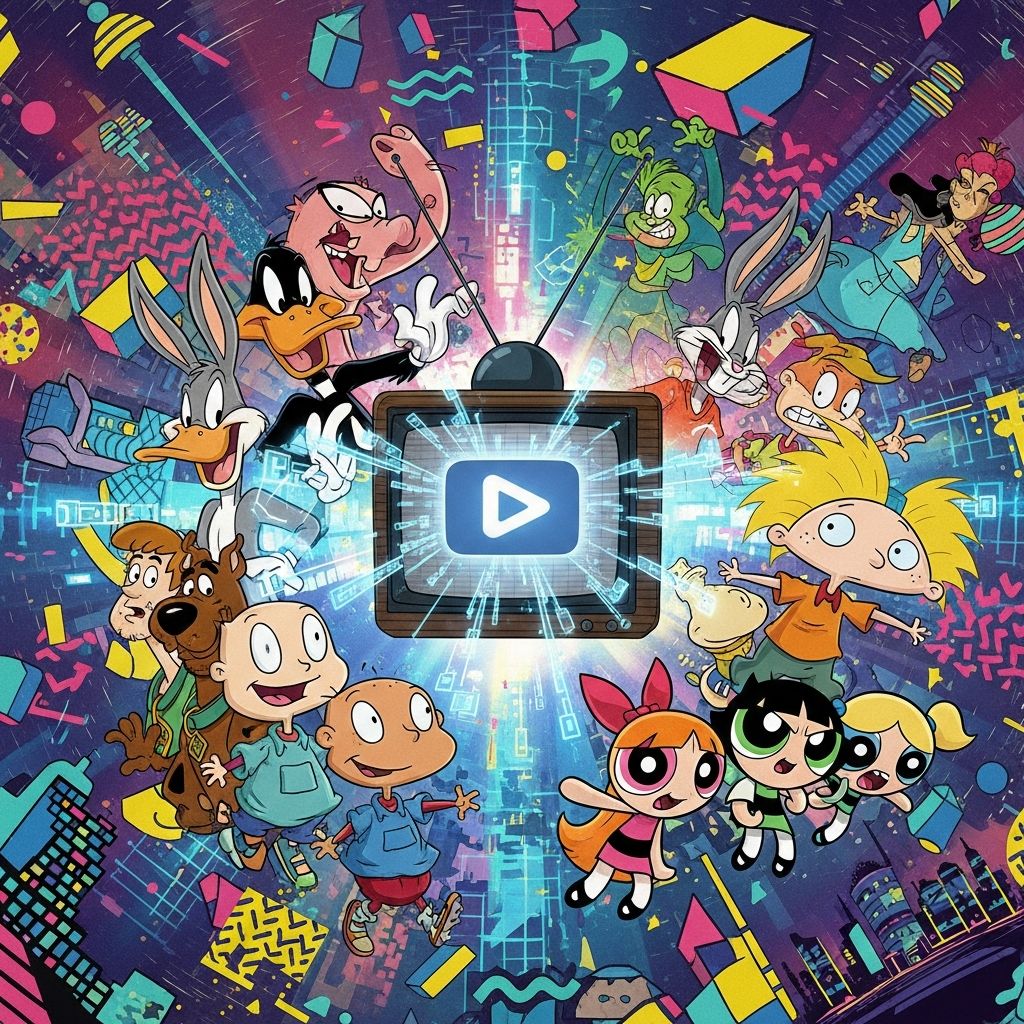
The 1990s are widely remembered as a golden age of TV animation, when creators pushed beyond simple slapstick to tell funnier, stranger, and more emotionally rich stories that appealed to both kids and adults. Today, streaming platforms make it easy to revisit those shows and introduce them to a new generation.
This guide offers an original, fresh look at standout ’90s cartoons, how to watch them legally, and how to decide which ones are right for your family.
Why ’90s Cartoons Still Matter for Families Today
Beyond nostalgia, ’90s animated series remain influential because they combined humor, memorable characters, and surprisingly thoughtful themes.
- Storytelling depth: Many shows experimented with serialized plots and character growth, rather than purely standalone gags.
- Cross-generational appeal: Writers often embedded jokes and references that adults could appreciate while kids enjoyed the action and visual comedy.
- Cultural impact: Characters and catchphrases from this era still show up in memes, merchandise, and modern reboots, reflecting their ongoing popularity.
Rewatching these series can be a way for parents to share part of their own childhood while still offering fresh entertainment to kids who grew up with streaming instead of Saturday-morning TV.
Streaming Platforms That Feature Classic ’90s Cartoons
Most popular ’90s cartoons now live across several major subscription and free platforms. Availability changes over time, but the services below are especially notable:
- Paramount+ – Home to many Nickelodeon favorites from the ’90s, plus other family TV from that era.
- Disney+ – Hosts classic Disney animation along with superhero shows and certain anime titles licensed to the platform.
- Hulu – Carries a mix of kids’ animation and more mature cartoons that originally aired on cable.
- Max – Known for Cartoon Network classics and certain Warner Bros. animated series, though some titles rotate off over time.
- Netflix – Offers a rotating collection of older cartoons and newer spin-offs or reboots based on ’90s brands.
- Ad-supported free platforms (Pluto TV, Tubi, The Roku Channel) – Provide curated channels focused on retro kids’ shows and classic Nickelodeon content.
Because licensing deals change, a show that’s on one service now may move later; always double-check the current platform before planning a family watch night.
Iconic ’90s Cartoons by Type of Family Experience
Instead of listing every single series, this guide groups notable ’90s cartoons by the kind of experience they offer. Within each group, examples highlight what parents and kids might enjoy most.
1. Everyday Kid Adventures and Slice-of-Life Laughs
These shows revolve around school, friendship, and neighborhood drama, making them easy for kids to relate to while still feeling nostalgic for adults.
- Relatable childhood challenges: Stories about fitting in, dealing with bullies, or managing family expectations.
- Gentle humor: Comedic situations grounded in reality, balanced with a bit of absurdity.
- Emotional moments: Occasional episodes touching on moving, loss, or growing up.
Parents who grew up watching similar shows can use them to start conversations about how childhood has changed—and how it hasn’t.
2. Superheroes, Action, and Big-Scale Story Arcs
’90s action cartoons pushed the boundaries of what kids’ animation could tackle, including serialized plots and surprisingly mature themes for a young audience.
- Superhero teams and vigilantes: Shows based on comic book characters introduced many children to large, interconnected fictional universes.
- Serialized storytelling: Multi-episode arcs about identity, prejudice, or responsibility helped raise the bar for animated drama.
- Stylized visuals: Distinct art styles and moody lighting gave these series a cinematic feel compared to earlier Saturday-morning cartoons.
Because of their complexity and occasional intensity, these shows tend to work best for older kids who are ready for more dramatic storytelling.
3. Surreal Comedy and Off-the-Wall Weirdness
The ’90s were also famous for cartoons that embraced pure absurdity. These series often exaggerated physical comedy, surreal imagery, and strange supporting characters.
- Highly stylized animation: Exaggerated character designs and experimental color palettes.
- Rapid-fire jokes: Visual gags, wordplay, and background details that reward rewatching.
- Occasional gross-out humor: Some shows deliberately tested broadcast standards, which may not appeal to every family.
These cartoons lend themselves well to short, casual viewing sessions—great for a few episodes before bedtime or on weekend mornings.
4. Educational Adventures That Still Feel Fun
Not all beloved ’90s series were purely silly. Some blended science, history, and social topics with imaginative premises to keep learning entertaining.
- Field-trip storytelling: Characters travel to the inside of the human body, out into space, or back in time to make facts memorable.
- Charismatic guides: Memorable teachers or mentors who model curiosity, critical thinking, and teamwork.
- Built-in discussion points: Episodes often end with questions or prompts you can talk about afterward.
Parents who want screen time to double as educational enrichment may find these series especially appealing.
5. Anime Gateways and Global Storytelling
The ’90s also marked a major turning point for Japanese animation in many Western households. Syndicated anime series helped normalize serialized plots and more emotional stakes in kids’ television.
- Ongoing sagas: Long-running series with evolving characters, rivalries, and battles.
- Themes of friendship and perseverance: Many plots revolve around training, competition, and loyalty.
- Cultural exposure: Kids encounter different storytelling rhythms, visual conventions, and sometimes references to Japanese culture.
For families, these shows can be a doorway into discussing cultural differences and how animation varies around the world.
Sample Comparison: ’90s Cartoon Styles at a Glance
| Cartoon Type | Best For | Typical Age Range* | Primary Appeal |
|---|---|---|---|
| Slice-of-life school & family stories | Relatable situations, light drama | 6–11+ | Friendship, growing up, gentle humor |
| Superhero & action series | Older kids who enjoy comic-style drama | 9–13+ | Action, moral choices, big villains |
| Surreal comedies | Families who like oddball humor | 7–12+ | Fast jokes, weird characters, visual gags |
| Educational adventures | Parents seeking learning-oriented shows | 5–10 | Science, history, problem-solving |
| Anime sagas | Kids ready for long, ongoing plots | 8–14+ | Epic battles, friendship, perseverance |
*Age ranges are broad suggestions only. Always consider your child’s individual sensitivity and maturity.
Practical Tips for Parents Streaming ’90s Cartoons
Even when you’re revisiting your own childhood favorites, it helps to be intentional about what your kids watch and how you watch together.
Check Content Ratings and Parental Controls
Several ’90s cartoons were originally created to push boundaries or appeal to teens and adults, not just young kids. Today, major streaming services include ratings and parental controls to help families manage access.
- Use profile-based age restrictions to filter out content that skews more mature.
- Skim episode descriptions or previews before letting younger children watch independently.
- Be aware that humor acceptable in the ’90s may land differently by today’s standards.
Use Episodes as Conversation Starters
Many cartoons from this era include themes that are surprisingly rich for family discussion:
- Friendship and conflict: Talk about how characters resolve arguments or deal with misunderstandings.
- Responsibility and consequences: Point out when characters learn from mistakes or face the results of risky choices.
- Diversity and empathy: Some shows feature characters from different backgrounds, species, or planets—ideal for talking about inclusion.
Balance Nostalgia With Your Child’s Interests
It can be tempting to insist that your kids love the exact same shows you adored, but their tastes may lean toward modern pacing and visuals.
- Start with a short “sampler” night: one episode each from a few different series.
- Let kids vote on what to continue, even if their favorite isn’t your own childhood go-to.
- Mix classics with newer reboots or spin-offs to bridge the gap between eras.
Building a ’90s Cartoon Watch List
To get started, you can design a simple mini-marathon schedule that rotates through genres and platforms so things never feel repetitive.
- Night 1: Comedy & nostalgia – A couple of light, school-focused or neighborhood-set episodes.
- Night 2: Heroes & adventures – An action-heavy installment from a superhero or fantasy series.
- Night 3: Learn & explore – One educational-leaning cartoon episode followed by a quick real-world fact check together.
- Weekend bonus: A longer anime or serialized story arc that you watch across several days.
Revisiting these series on streaming platforms allows you to pause, rewind, or skip episodes—something that wasn’t possible in the broadcast era—so you can tailor the experience to your family’s pace.
Frequently Asked Questions About ’90s Cartoons and Streaming
Are ’90s cartoons appropriate for younger kids today?
Many are, but not all. Some series feature slapstick violence, mild language, or jokes aimed at older viewers. Review ratings, skim episodes yourself, and use parental controls on streaming platforms to fine-tune what your child can access.
Why do some ’90s cartoons move between streaming services?
Rights to classic shows are governed by licensing agreements between studios and platforms. When deals expire, a show may leave one service and appear on another, or disappear temporarily until a new contract is signed.
Is it better to show kids original episodes or modern reboots?
Both can work. Original episodes give you the authentic ’90s style and pacing, while reboots often offer updated animation and cultural references. A mix of the two can help kids appreciate how characters and storytelling have evolved over time.
How can I make ’90s cartoon nights feel special?
Keep it simple but intentional: choose a regular time, dim the lights, make a favorite snack from your own childhood, and briefly explain why a show mattered to you. Inviting kids into your memories can make the viewing experience more meaningful.
Are there legal free options for watching old cartoons?
Yes. Several ad-supported services offer classic kids’ TV and dedicated retro channels at no cost, supported by commercials. These can be a good way to test whether your family enjoys older shows before subscribing to multiple paid platforms.
References
- Blast From the Past: 90s Kids Shows To Stream with Your Family — Mommy Poppins. 2023-08-18. https://mommypoppins.com/anywhere-kids/tv-film-movies/blast-from-the-past-90s-kids-shows-to-stream-with-your-family
- 20 of the Very Best ’90s Cartoons and Where to Stream Them — Fatherly. 2022-03-24. https://www.fatherly.com/play/best-90s-cartoons-where-to-stream
- The Ultimate ’90s Kid Binge-Watch Guide — Paramount+. 2021-03-04. https://www.paramountplus.com/recommended/news/1010207/the-ultimate-90s-kid-binge-watch-guide/
- TV Parental Guidelines — TV Parental Guidelines Monitoring Board. 2020-09-01. https://www.tvguidelines.org/ratings/
- 2025 Will Be a Sad Year for Cartoon Network Fans as More Classic Shows Leave Max — Collider. 2024-10-16. https://collider.com/cartoon-network-shows-leaving-max/
- Watch 90’s Kids: Live TV Channel for Free — Pluto TV. 2023-05-03. https://pluto.tv/us/live-tv/6452c814939a590008567a3b