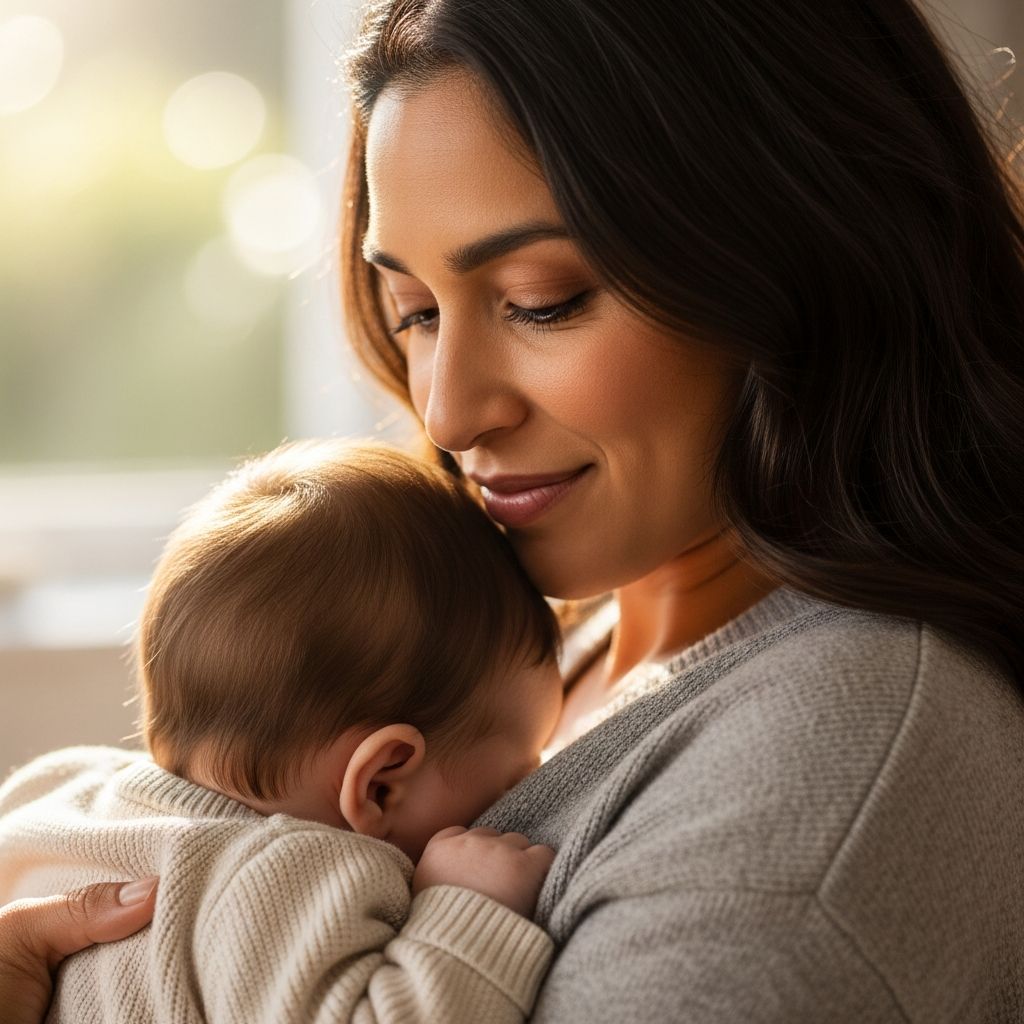
Motherhood presents a unique blend of profound joy and intense challenges, where isolation can amplify difficulties. Forming bonds with other mothers creates a foundation of shared understanding that eases the journey, offering emotional relief, practical guidance, and enduring relationships.
Overcoming Isolation in Modern Motherhood
New mothers often face solitude amid sleep-deprived nights and endless responsibilities, leading to heightened stress and emotional strain. Research highlights that participatory women’s groups significantly mitigate these issues by fostering connections that validate experiences and reduce loneliness.
Daily life for many involves juggling infant care without nearby family, exacerbating feelings of disconnection. Communities counteract this by providing spaces where mothers exchange stories, normalizing the ups and downs of parenting.
- Shared narratives diminish self-doubt, as hearing similar struggles confirms normalcy.
- Regular interactions rebuild social ties lost during pregnancy transitions.
- Virtual platforms extend reach, enabling support across distances and schedules.
Emotional Lifeline from Peer Networks
The core strength of mom groups lies in their ability to deliver empathy from those who truly comprehend. Peers offer validation for fluctuating emotions, from elation to anxiety, creating a judgment-free zone that bolsters mental well-being.
Studies show these groups decrease stressors and enhance social bonds, crucial during vulnerable postpartum phases. Mothers report feeling seen and heard, which combats postpartum mood challenges affecting diverse populations.
| Emotional Benefit | Impact on Mothers | Supporting Evidence |
|---|---|---|
| Validation | Reduces isolation and self-doubt | Peer sharing normalizes experiences |
| Empathy | Lowers anxiety levels | Group interventions cut stress |
| Encouragement | Builds resilience | Long-term mental health gains |
Practical Assistance That Frees Up Time
Beyond words, maternal networks provide tangible help like meal prep, errands, or babysitting, granting precious time for rest and self-care. This reciprocity strengthens ties and prevents burnout.
Professional referrals also flow freely—lactation experts, therapists, or pediatricians—empowering informed choices. Community venues host workshops, amplifying access to resources.
- Meal trains sustain nutrition during hectic weeks.
- Shared childcare enables personal recharge moments.
- Resource swaps streamline parenting hacks.
Fostering Knowledge and Skill Sharing
Mom groups serve as living classrooms where successes and mishaps inform collective wisdom. Tips on sleep routines, feeding methods, and developmental milestones circulate, steepening the learning curve positively.
This exchange builds competence, as mothers adapt advice to their contexts, gaining confidence in decisions. Evidence from interventions links such groups to improved neonatal outcomes through informed practices.
Inclusive sharing addresses disparities, with members advocating for equitable access to care, benefiting underserved groups.
Cultivating Confidence and Self-Worth
Celebrating small victories within a group ignites pride and assurance. Peers’ affirmations reinforce that every effort matters, spilling into broader life empowerment.
This boost is vital for navigating uncertainties, turning novices into assured caregivers. Positive reinforcement loops enhance self-efficacy, proven to sustain through parenting stages.
Long-Term Bonds Beyond the Early Days
Connections forged in support circles often evolve into lifelong friendships, extending support as children grow. Playdates, milestone events, and ongoing check-ins weave families together.
These networks create ripple effects: healthier parenting leads to resilient kids and robust communities. Data indicates reduced mortality rates from strong maternal solidarity.
- Family gatherings mark shared growth.
- Advice adapts to toddlerhood and beyond.
- Mutual aid persists through life shifts.
Building Inclusive and Diverse Circles
True support embraces varied backgrounds, cultures, and experiences. Groups prioritizing inclusivity bridge gaps, particularly for those facing higher maternal health risks.
Active efforts like multilingual sessions or culturally sensitive topics ensure broad participation, enriching perspectives and outcomes for all.
Finding and Nurturing Your Mom Community
Start locally via libraries, health centers, or apps; online forums fill gaps for remote parents. Consistency nurtures bonds—attend regularly, contribute openly.
Professional integration, like doulas or counselors, complements peer efforts for holistic care.
Frequently Asked Questions (FAQs)
What are the top benefits of joining a mom group?
Key advantages include emotional validation, stress reduction, practical help, knowledge sharing, and lasting friendships that enhance mental health and parenting confidence.
How do mom support groups impact child health?
By improving maternal well-being, these groups indirectly boost neonatal outcomes, with studies showing up to 30% mortality reductions in supported communities.
Are online mom groups as effective as in-person ones?
Yes, digital platforms provide flexible, immediate access, supplementing face-to-face interactions and sustaining connections across barriers.
How can I make my mom group more inclusive?
Promote diverse voices, share resources equitably, host varied events, and address cultural needs to welcome all backgrounds.
Do benefits of mom groups last beyond infancy?
Absolutely; relationships endure, offering ongoing support through childhood milestones and family transitions.
References
- The Power of Community and Solidarity Among Mothers and Families — The Herd. 2023. https://www.theherdma.com/blog/the-power-of-community-and-solidarity-among-mothers-and-families
- How New Moms Can Support Each Other — American SPCC. 2023. https://americanspcc.org/how-new-moms-can-support-each-other/
- Motherhood made easier with a support village — March of Dimes. 2024. https://www.marchofdimes.org/find-support/blog/motherhood-made-easier-support-village
- The Benefits of Attending Support Groups for New Moms — Ready Nest Counseling. 2023. https://www.readynestcounseling.com/post/the-benefits-of-attending-support-groups-for-new-moms
- Why joining a mom group may be the mental health boost you need — Calm.com. 2023. https://www.calm.com/blog/mom-group
- Could Postnatal Women’s Groups Be Used to Improve Outcomes for Mothers and Infants? — PMC (National Library of Medicine). 2018-11-13. https://pmc.ncbi.nlm.nih.gov/articles/PMC6245133/