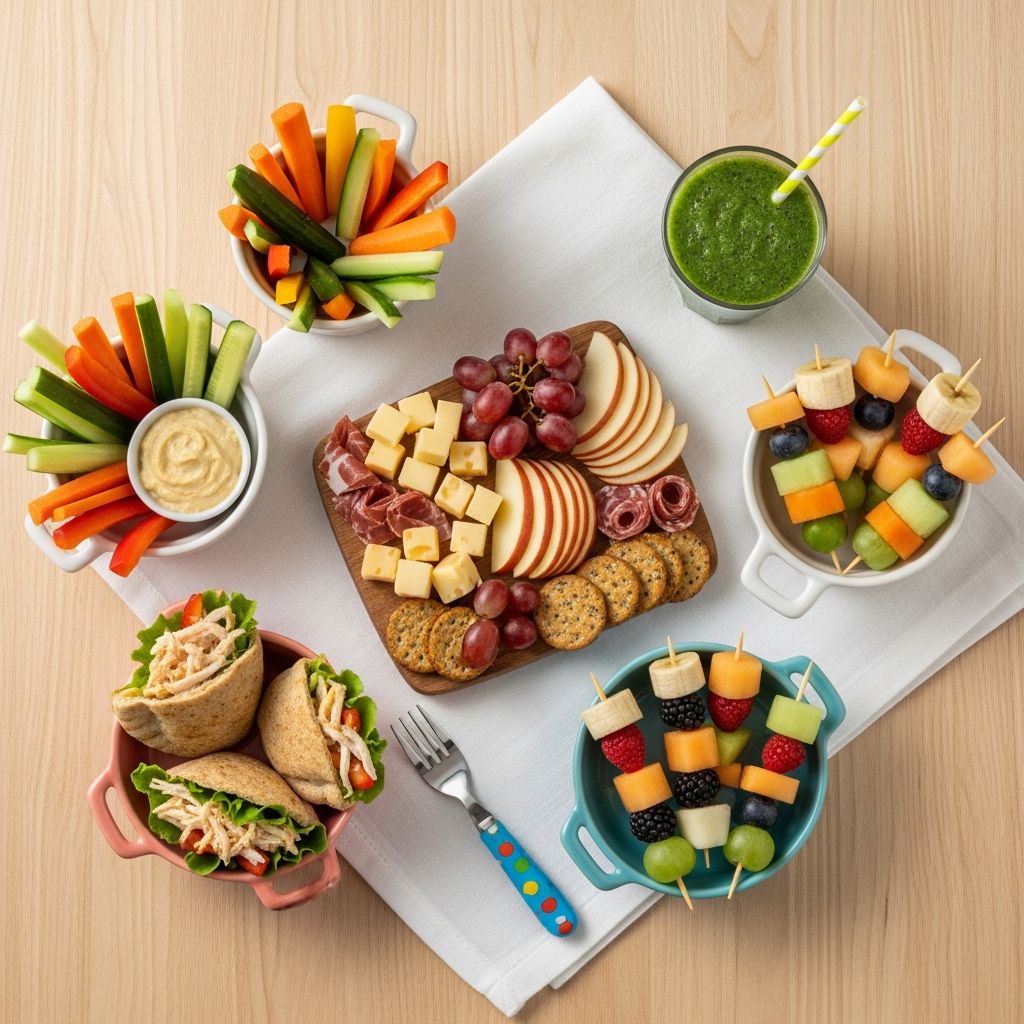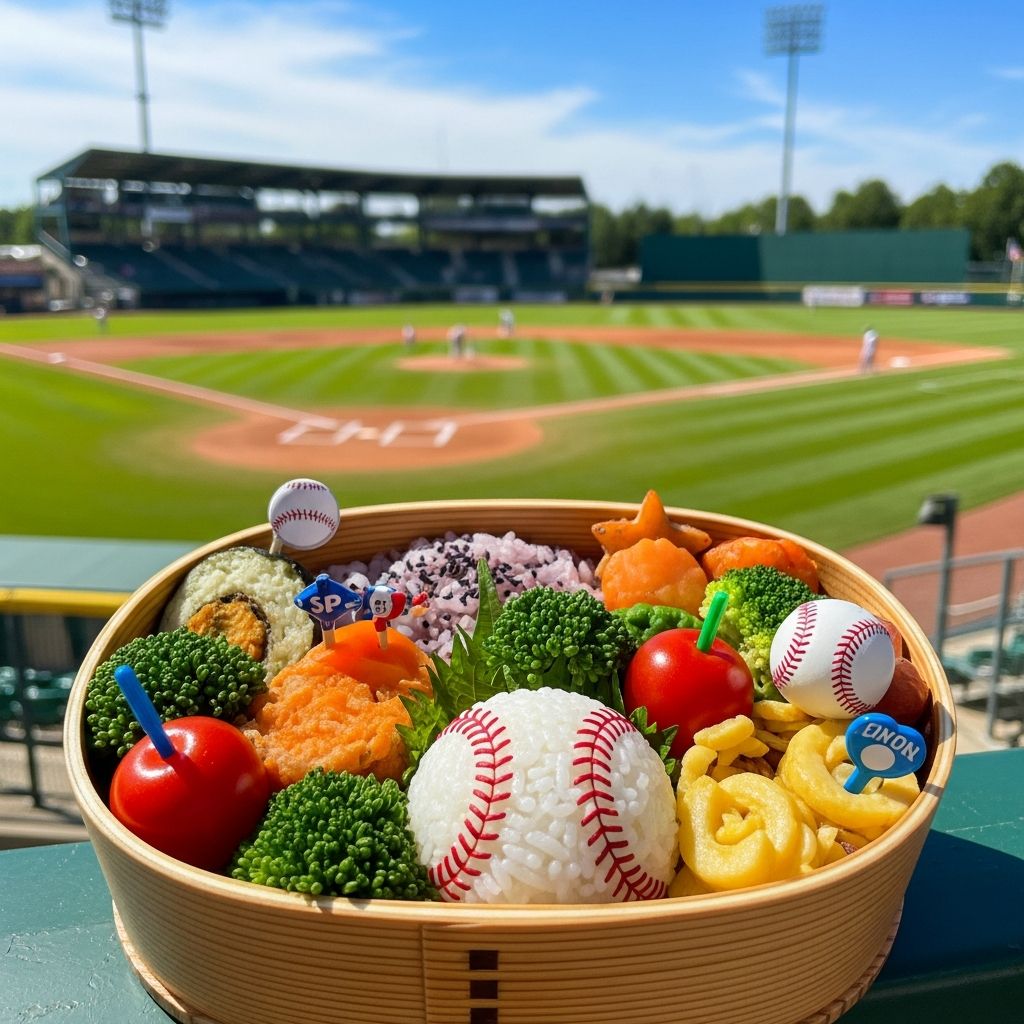
Little League season means long evenings at the field, rushing from school to practice, and kids who are always hungry. A baseball-themed lunch box can be both a fun surprise and a reliable way to keep young players fueled for class and game time.
Why Baseball-Themed Lunches Work So Well
Kids eat better when food feels playful and personal, and a baseball theme taps into their excitement about the season. Turning a simple meal into a mini ballpark can make even picky eaters more curious and willing to try new foods.
Beyond the cuteness factor, themed lunches help parents plan with intention: thinking in terms of innings, positions, and game gear becomes a clever way to remember proteins, grains, fruits, and veggies.
The Game Plan: Building a Balanced Baseball Lunch
Before diving into designs, it helps to have a structure that keeps nutrition in check while leaving room for creativity. Think of the lunch box as your stadium, and each food type as a position on the field.
Five Essential “Positions” in the Lunch Box
- Protein power hitter: Lean meat, beans, cheese, yogurt, or eggs to support growing muscles.
- Whole-grain infield: Bread, tortillas, crackers, or pasta to provide steady energy during school and practice.
- Fruit outfield: Fresh, dried, or pureed fruit for natural sweetness and vitamins.
- Veggie defense: Colorful vegetables for crunch, fiber, and long-lasting fullness.
- Hydration and extras: Water or low-sugar drinks plus one small fun element like a themed pick or sticker.
| Position | Role | Examples |
|---|---|---|
| Protein Hitter | Main energy and muscle support | Grilled chicken strips, turkey roll-ups, hummus, boiled egg, cheese cubes |
| Grain Infield | Slow-burning fuel | Whole-wheat sandwich, pita wedges, brown rice, whole-grain crackers |
| Fruit Outfield | Quick energy and vitamins | Berries, apple slices, melon balls, orange segments, grapes (sliced for young kids) |
| Veggie Defense | Fiber, crunch, and color | Carrot coins, cucumber rounds, cherry tomatoes, snap peas, bell pepper strips |
| Hydration & Extras | Fluids and fun factor | Water bottle, lightly flavored water, milk box, themed napkin or pick |
Designing the Ballpark: Layout and Containers
The way the lunch is arranged can transform ordinary ingredients into a stadium scene without complicated techniques. A simple bento-style box with dividers makes it easy to separate the “field,” “dugout,” and “stands” for different food groups.
Silicone cups, reusable dividers, and small containers help you position foods like players on the field and keep wet and dry items from mingling before lunchtime.
Simple Layout Ideas
- The Field Center: Use the largest compartment for a green base like lettuce, spinach, or even a green napkin, then place the main item in the middle as the “ball” or “player.”
- The Dugout: Reserve one long section or corner for protein snacks like rolls of deli meat or small sandwiches.
- The Stands: Line up fruit and veggies in smaller sections so they look like colored rows of cheering fans.
Idea 1: Mini Ballpark Slider Box
This lunch centers on a small, easy-to-hold slider that looks like a ballgame classic but is balanced enough for school or practice days. It works well for kids who prefer finger foods and familiar flavors.
What You Need
- 1–2 mini whole-grain slider buns
- Cooked lean burger patty or turkey patty, cut to fit the buns
- Cheese slice or cheese rounds
- Leaf lettuce or spinach
- Cherry tomatoes or grape tomatoes
- Sliced cucumbers or pickle rounds
- Apple slices or orange wedges
- Small container of ketchup or mustard
How to Arrange It
- Place the slider buns in the center compartment like the focus of the field.
- Add lettuce and a thin slice of cheese inside, then tuck the patty between the buns.
- Slice a piece of cheese into a small round and use a food-safe marker or very fine strips of red bell pepper to draw “stitching” so it resembles a baseball.
- Surround the slider with cucumber or pickle rounds to look like bases arranged around the main player.
- Use another compartment for cherry tomatoes and stack them like fans in the stands.
- Fill the last section with apple slices or orange wedges for a naturally sweet “seventh-inning stretch” treat.
For younger kids, cut the slider into halves or quarters and secure with toothpick flags decorated with tiny baseball doodles on paper tape.
Idea 2: Dugout Snack Box for Double-Header Days
When there are back-to-back games or a practice right after school, kids may need more snack-style fuel than a single large sandwich. A dugout snack box keeps everything in bite-sized, mix-and-match portions.
Key Components
- Lean protein bites: chicken pieces, baked tofu cubes, or turkey roll-ups.
- Crunchy grains: pretzel sticks, whole-grain crackers, or mini rice cakes.
- Fresh produce: carrot coins, bell pepper strips, grapes, berries, or melon.
- Dip: hummus, yogurt-based ranch, or guacamole in a leakproof cup.
- Hydration: a chilled water bottle or refillable sports bottle.
The Dugout Look
- Line one long compartment with protein bites and think of it as the team bench.
- Stack pretzel sticks or crackers parallel to the protein, suggesting bats ready for the next hitter.
- Use colorful fruits and vegetables to fill the remaining spaces, mixing colors as if you are dressing the crowd in the stands.
- Place the dip in the center, like the coach calling the plays from the dugout.
Because everything is already cut into pieces, kids can graze between innings or during a quick break without needing extra utensils or help opening large packages.
Idea 3: Home Plate Wrap Box
Wraps are versatile, easy to slice, and ideal for creating the shape of home plate when arranged thoughtfully. This lunch is particularly good for kids who like sandwiches but are tired of the usual square slices.
Ingredients
- Whole-wheat or spinach tortilla
- Mashed beans, hummus, or a thin layer of cream cheese
- Sliced turkey, chicken, or roasted vegetables
- Shredded lettuce or baby spinach
- Grated carrots or bell pepper strips
- Side fruit: kiwi slices, strawberries, or a small banana
- Side veggie: snap peas or cucumber rounds
Assembly and Presentation
- Spread the tortilla with your chosen base (hummus, beans, or soft cheese).
- Layer protein, then greens, then colorful vegetables in a thin, even layer.
- Roll the tortilla tightly and slice into short segments.
- Arrange three or four pieces together in the shape of a home plate in the main compartment.
- Fill smaller compartments with fruit and veggies, separating with silicone cups if needed.
To reinforce the theme, add a small note that says “Safe at home!” on a sticky label or napkin tucked under the wrap pieces.
Idea 4: Outfield Veggie Garden Box
For kids who enjoy crunch and color, a veggie-centered lunch can still feel like a treat when it is arranged as an outfield of greens and bright stripes. This box is also perfect as a shareable team snack platter.
Veggie Outfield Essentials
- Base of baby spinach, lettuce, or shredded cabbage
- Carrot sticks or coins
- Cucumber slices
- Cherry tomatoes or halved grape tomatoes
- Snap peas or green beans
- Small mozzarella balls or cheese cubes for protein
- Favorite dip: hummus, yogurt ranch, or salsa
Stadium-Style Arrangement
- Use a flat, wide container and cover the base with greens to create the field.
- Make “rows” of vegetables from one side to the other, like sections of seats in the outfield.
- Add cheese pieces between rows to break up colors and add protein.
- Place the dip in a small container in one corner like a scoreboard box.
If packing for a single child, reduce the portion sizes and tuck whole-grain crackers or pita wedges in a separate compartment or bag so they stay crisp.
Easy Time-Saving Tips for Busy Game Days
Parents often juggle work, homework, and late games, so elaborate designs are not always realistic. Focusing on a few recurring shortcuts keeps the lunchbox special without adding stress.
- Prep like a coach: Wash, chop, and portion fruits and veggies on one weekend day so you can grab and pack quickly all week.
- Reuse ideas: Keep a small list of two or three favorite themed layouts and rotate them instead of inventing a new design every day.
- Think edible accessories: Use small food picks, reusable sandwich wraps, or napkins with baseball prints to dress up a very simple meal.
- Pack the night before: Assemble most of the lunch in the evening and add any items that might get soggy (like crackers) in the morning.
Keeping It Safe: Food and Field Conditions
Because many baseball days involve warm weather and hours at the field, it is important to think about temperature and food safety. Certain foods hold up better than others when there is a delay between packing and eating.
- Use insulated containers: A soft cooler or insulated lunch bag with a reusable ice pack helps keep protein and dairy at safe temperatures.
- Choose heat-tolerant items: Hard cheese, firm fruits like apples or grapes, and sturdy vegetables like carrots tend to fare better than delicate salads.
- Keep sauces contained: Pack dressings and dips in tight-lidded containers to avoid leaks on uniforms or homework.
- Teach smart storage: Remind your child to keep the lunch in a shaded, cool spot or in a classroom refrigerator when possible.
Allergy-Friendly and Flexible Swaps
Many teams include kids with allergies or dietary preferences, so having backup options helps everyone feel included. You can preserve the baseball theme while switching out components to match different needs.
- Dairy-free: Replace cheese with extra beans, grilled meat, tofu bites, or a dairy-free yogurt cup.
- Gluten-free: Use lettuce wraps, gluten-free tortillas, or rice cakes instead of bread or regular crackers.
- Nut-free: Skip nut butters and choose seed-based spreads, hummus, or plain meat and veggie combinations.
- Veggie-forward: Layer wraps and boxes with roasted vegetables, legumes, and whole grains while still using sports-themed shapes and layouts.
When sending snacks for the whole team, consider including clear labels or a simple note that highlights common allergens so other parents and coaches can make informed choices.
Simple Decoration Ideas Without Extra Sugar
Baseball-themed food does not have to rely on candy or frosting to look festive. Small visual touches can completely change how kids perceive their lunch, often with nothing more than a marker, a cookie cutter, or a colorful wrap.
- Baseball shapes: Use small round cutters for cheese, cucumbers, or tortillas and add “stitches” with tiny strips of red pepper or edible marker.
- Bat sticks: Arrange pretzel rods or carrot sticks in bundles tied with a small strip of parchment like a bat rack.
- Team colors: Choose fruits and veggies that match your child’s team colors, such as red peppers and blueberries or green grapes and orange carrots.
- Mini pennants: Tape small triangle paper flags onto toothpicks and write short messages like “Go Team!” or your child’s jersey number.
FAQs About Baseball-Themed Lunch Boxes
How often should I pack a themed baseball lunch?
There is no rule about frequency; some families enjoy a themed lunch every game day, while others reserve it for the first and last games of the season or for tournament weekends. The goal is to keep it fun rather than feel like another chore, so choose a rhythm that fits your schedule.
Do I need special tools to make these lunches?
Fancy equipment is optional. A sharp knife, a cutting board, and a few small containers are enough to create shapes, separate ingredients, and build the ballpark effect. Cookie cutters, food-safe markers, and silicone cups are nice extras but not required.
How can I get my child involved in packing?
Let your child choose one or two components, such as the fruit or the type of wrap, and invite them to help place “players” on the field or decorate a cheese “baseball.” Involving them in the process empowers them to make healthier choices and builds excitement for eating what they helped create.
What if my child is a picky eater?
Start with familiar favorites and change only one small element at a time, such as offering a different dip or introducing a new fruit alongside a beloved one. Maintaining the playful baseball design while gently adding small variations can expand their comfort zone without overwhelming them.
Can these ideas work for older kids or teens?
Yes, older players may prefer larger portions and less obvious decoration, but the same principles still help: balanced components, portable containers, and thoughtful layouts. You can tone down the cutesy shapes and instead focus on hearty wraps, grain bowls, and high-protein snacks packed in team colors.
Bringing the Ballpark to the Lunch Table
With a few simple ideas and a bit of planning, any everyday lunch box can feel like a nod to the baseball field your child loves. These lunches do more than look cute; they reinforce good fueling habits and create small moments of joy in the middle of a busy season.
Whether you choose a slider box, a dugout snack spread, or a wrap arranged like home plate, the key is to keep things colorful, balanced, and manageable for your schedule. When kids open their lunch to find a little bit of the ballpark inside, they carry that excitement straight into the classroom and onto the field.