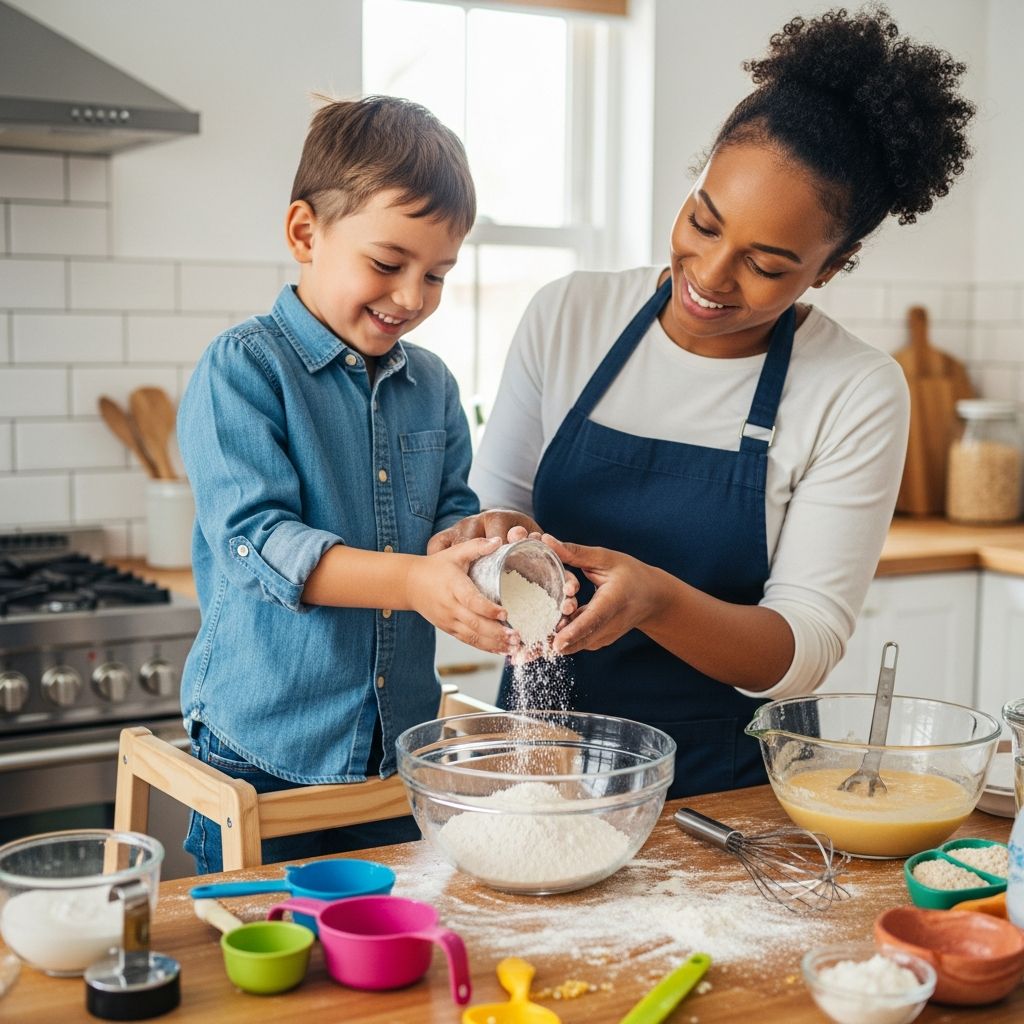
Involving children in kitchen tasks offers a multifaceted approach to their growth, blending fun with essential learning opportunities. This practice not only strengthens family ties but also equips kids with practical life skills that extend far beyond mealtime.
Building Strong Family Connections Through Shared Cooking
One of the most rewarding aspects of kitchen involvement is the opportunity it provides for quality family time. In today’s fast-paced world, where schedules often pull families apart, cooking together creates dedicated moments for interaction and collaboration. Parents and children working side by side to prepare a meal foster deeper emotional bonds, turning routine chores into cherished memories.
These shared experiences encourage open communication, as family members discuss recipes, share stories, and laugh over minor mishaps. Children feel valued when entrusted with responsibilities, enhancing their sense of belonging within the household. Over time, these interactions build trust and mutual respect, laying the foundation for stronger familial relationships.
Cognitive Development: Math, Science, and Language in Action
Kitchen activities serve as a natural classroom for cognitive skills. Measuring ingredients introduces concepts like fractions, volume, and proportions, making abstract math tangible and engaging. For instance, doubling a recipe requires understanding multiplication, while timing bakes teaches basic time management.
Science comes alive through observations of chemical reactions, such as dough rising or eggs transforming when heated. These hands-on experiments help children grasp states of matter and cause-and-effect relationships without formal instruction. Additionally, reading recipes aloud expands vocabulary, improves reading comprehension, and encourages following sequential instructions.
Research supports these outcomes, showing that children engaged in cooking demonstrate improved academic readiness, particularly in STEM-related areas.
Fostering Fine and Gross Motor Abilities
From stirring batter to chopping soft vegetables, kitchen tasks refine both fine and gross motor skills crucial for overall development. Younger children practice scooping and pouring, which strengthens hand-eye coordination and grip strength. Older kids advance to peeling, grating, and kneading, further honing precision and dexterity.
These activities also promote bilateral coordination, using both hands simultaneously, which benefits handwriting and other school tasks. Consistent practice builds endurance and control, contributing to physical confidence.
Cultivating Responsibility, Independence, and Confidence
Assigning age-appropriate roles teaches children accountability, as they learn to complete tasks from start to finish, including cleanup. This instills a sense of ownership and prepares them for adult responsibilities like meal planning and organization.
Grocery shopping together introduces budgeting and list-making, while pantry organization covers storage and inventory management. Success in these areas boosts self-esteem, as children take pride in their contributions to family meals. Positive reinforcement during the process amplifies this effect, encouraging a growth mindset.
Promoting Healthy Eating and Nutritional Awareness
Children who participate in food preparation are far more likely to try new foods, including fruits and vegetables. Studies indicate they consume an extra serving of veggies daily and develop broader palates. Hands-on exposure demystifies unfamiliar ingredients, using senses to explore textures, smells, and tastes.
Parents can weave in lessons about nutrition, origins of foods, and balanced diets, fostering lifelong healthy habits. Picky eaters often become adventurous tasters when invested in the creation process. This approach reduces food refusals and increases mealtime enjoyment.
Encouraging Creativity, Patience, and Cultural Exploration
The kitchen sparks imagination as children experiment with flavors, substitute ingredients, or invent recipes. This trial-and-error builds problem-solving and resilience. Patience develops through waiting for dough to rise or sauces to simmer.
Cooking also opens doors to cultural heritage via family recipes or global cuisines, preserving traditions and broadening worldviews. These elements make learning joyful and therapeutic, reducing stress through focused activity.
Age-Appropriate Kitchen Tasks: A Developmental Guide
Tailoring tasks to developmental stages ensures safety and success. The following table outlines suitable activities by age group:
| Age Group | Safe Tasks | Skills Developed |
|---|---|---|
| Toddlers (2-3 years) | Washing produce, tearing lettuce, mixing with hands | Fine motor, sensory exploration |
| Preschoolers (4-5 years) | Measuring dry ingredients, stirring, counting items | Math basics, hand-eye coordination |
| School-age (6-8 years) | Reading recipes, peeling veggies, simple chopping | Reading, responsibility, precision |
| Tweens (9-12 years) | Using appliances, meal assembly, cleanup | Independence, time management |
This progression keeps engagement high while minimizing risks.
Essential Kitchen Safety Protocols for Families
- Supervise constantly, especially near heat sources or sharp tools.
- Use child-sized utensils and step stools for reach.
- Teach hygiene: handwashing, avoiding cross-contamination.
- Establish rules for appliances: no touching without permission.
- Keep hazardous items (knives, cleaners) out of reach.
Implementing these measures creates a secure environment where learning thrives.
Practical Tips for Seamless Kitchen Integration
Start simple with no-bake recipes or salads to build confidence. Involve kids in planning weekly menus to spark excitement. Celebrate efforts, not perfection, to maintain positivity. Rotate roles to expose everyone to various skills.
Incorporate themes like “international nights” for variety. Clean as you go to teach organization without overwhelming post-meal tidying.
Frequently Asked Questions (FAQs)
What is the youngest age for kitchen help?
Toddlers as young as 2 can safely wash veggies or mix soft doughs under close watch, focusing on sensory play.
Does cooking reduce picky eating?
Yes, involvement increases willingness to try and enjoy diverse foods, backed by research on higher veggie intake.
How often should families cook together?
Aim for 2-3 times weekly to balance benefits with schedules, prioritizing consistency over frequency.
Can busy parents make this work?
Absolutely—prep-ahead tasks or weekend sessions work well, with kids handling simple steps independently.
What if my child loses interest?
Reignite with fun themes, their recipe choices, or baking sweets to sustain engagement.
References
- The Benefits of Including Kids in the Kitchen — Utah State University Extension. 2023-10-15. https://extension.usu.edu/healthwellness/research/benefits-of-including-kids-in-the-kitchen
- 10 Tasty Benefits of Cooking with Kids — Baketivity. 2024-05-22. https://baketivity.com/blogs/news/10-tasty-benefits-of-cooking-with-kids-boost-skills-bond-and-have-fun
- Benefits of Involving Kids in the Kitchen — Sprout Kids. 2023-08-10. https://sprout-kids.com/blogs/sprouting-ideas/benefits-of-involving-kids-in-the-kitchen
- How Kids Can Help in Kitchen — Pathways.org. 2024-01-12. https://pathways.org/how-kids-can-help-in-kitchen
- Why You Should Let Your Kids Help Out In the Kitchen — Sunshine House. 2023-11-05. https://sunshinehouse.com/blog/why-you-should-let-your-kids-help-out-in-the-kitchen/