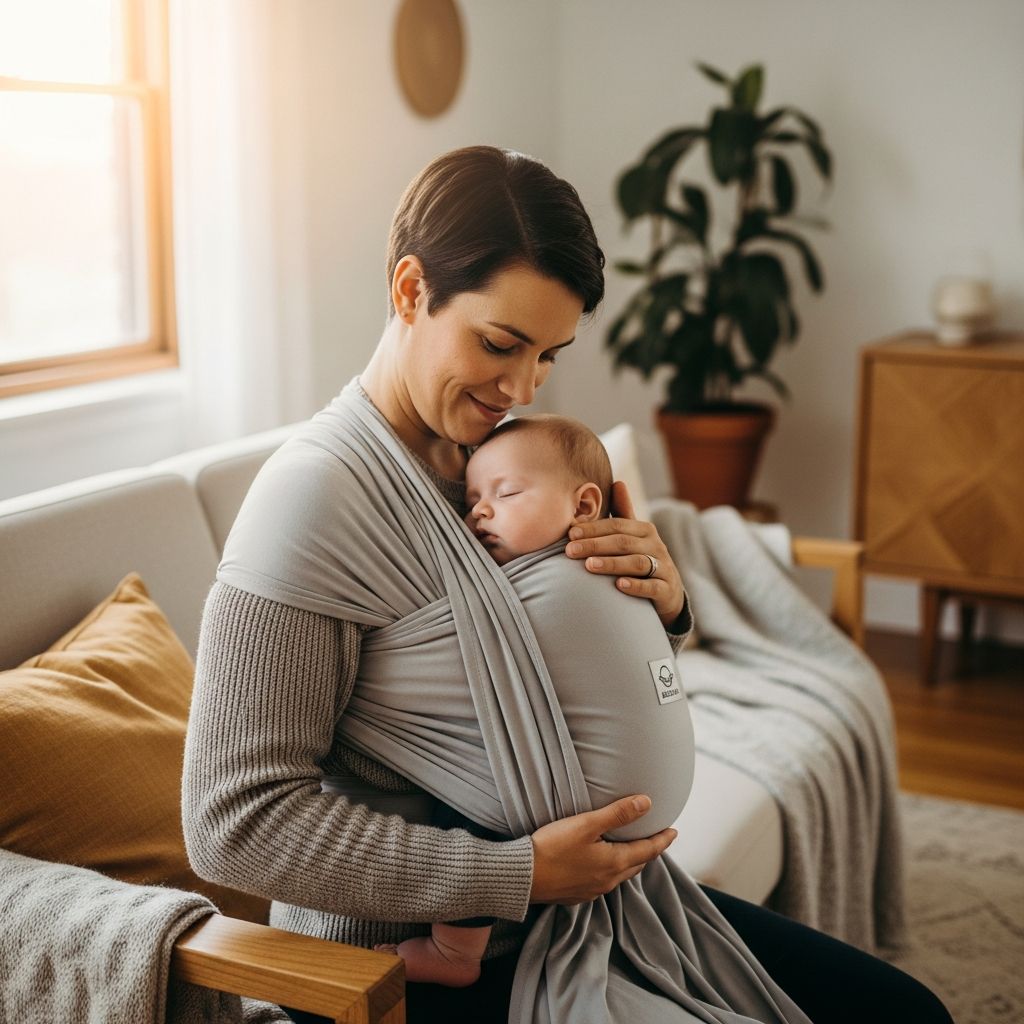
Carrying a newborn while trying to live everyday life can feel like juggling with one hand tied behind your back. A soft, stretchy wrap like the Beluga Baby Wrap offers a way to keep your baby close while freeing your hands and easing the transition into life with a new little person.
Why Consider a Stretchy Wrap in the First Place?
During the first months, many babies want nothing more than to be held, rocked, and kept close to a caregiver’s heartbeat. A stretchy wrap carrier makes this constant closeness practical, allowing you to move, eat, and even take care of older children while your baby rests snugly against your chest.
The Beluga Baby Wrap belongs to the category of long fabric wraps that you tie around your body to create a custom, supportive seat for your baby. Rather than fixed buckles or rigid frames, it uses a soft, elastic fabric to mold around both of you, creating a secure and cozy hold.
Key Features of the Beluga Baby Wrap
This particular wrap stands out because of its fabric, design, and age range. It is intended primarily for the newborn period through the early months, when babies are light enough to benefit from a soft, form-fitting carrier.
- Soft, bamboo-based fabric: The wrap is made from a bamboo-derived rayon blend, with added fibers for support and gentle stretch. The fabric feels smooth and cool against the skin, which many parents appreciate in both warmer and cooler climates.
- Four-way stretch: Unlike some knits that stretch only in one direction, this wrap stretches in multiple directions. That flexibility lets it hug your baby from all sides, helping create a snug, womb-like feel while still being supportive.
- Newborn-friendly weight range: The wrap is designed primarily for younger babies, typically from birth (when full-term and healthy) up to a specified maximum weight listed by the manufacturer. This makes it especially useful in the so-called “fourth trimester.”
- Compact and travel-friendly: Because it is just fabric, it folds down smaller than many structured carriers. It is easy to tuck into a diaper bag, stroller basket, or even a larger purse.
- Variety of colors and prints: Beluga Baby offers neutral tones, muted prints, and statement colors, so caregivers can choose a style that matches their wardrobe or feels like an extension of their personal style.
Benefits for Baby and Caregiver
Parents often choose the Beluga Baby Wrap not only for convenience, but also for emotional and developmental benefits. Many babies relax and fall asleep more easily when they are held in a close, upright position, listening to a familiar heartbeat and feeling gentle movement.
Caregivers benefit from fewer hours spent trapped in a chair with arms full and from the freedom to move through the day more naturally. For parents navigating recovery, postpartum mood changes, or the demands of multiple children, hands-free babywearing can feel like an essential tool rather than an optional accessory.
Commonly Reported Benefits
- Shorter crying spells, especially during late-afternoon and evening fussiness.
- Easier on-the-go soothing for babies dealing with gas, mild reflux, or general restlessness.
- More opportunities for skin-to-skin contact and responsive feeding cues.
- Two free hands for simple tasks like preparing food, tidying up, or reading with older siblings.
- Increased confidence in handling newborn life and getting out of the house.
Safety First: Babywearing Essentials
Any baby carrier is only as helpful as it is safe. Before using a wrap, it is crucial to understand basic babywearing safety principles. These guidelines help protect your baby’s airway, posture, and overall comfort while also keeping your own body supported.
A good mental checklist for safe babywearing includes positioning, visibility, and tightness. The goal is always a snug, upright hold where your baby’s face and head are easy to see and kiss, with a natural curve to the spine and a deep, supported seat.
| Checkpoint | What to Look For |
|---|---|
| Airway | Baby’s nose and mouth are fully visible and unobstructed; no fabric covering the face. |
| Head position | Chin lifted slightly away from the chest; you can fit at least two adult fingers under the chin. |
| Tightness | Wrap is snug enough that baby does not slump; their body moves with yours when you lean or bend. |
| Height | Baby is high on your chest—close enough that you can easily kiss the top of their head. |
| Hip support | Legs are in an “M” shape, with knees higher than the bum and fabric supporting from knee to knee. |
Always follow the manufacturer’s instructions for weight limits, age recommendations, and suitable carry positions. Avoid activities that add risk, such as cooking over open flames, cycling, or any sport that could cause falls, while your baby is in the wrap.
Getting Started: Learning to Tie the Wrap
The first few attempts at using a long wrap can feel confusing, but the learning curve is shorter than it looks. Many caregivers find that after a handful of tries in front of a mirror, tying the wrap begins to feel as automatic as tying shoes.
Beluga Baby provides visual resources that walk you through each step. It helps to practice at home when you and your baby are calm, ideally with another adult nearby the first few times so you can focus fully on the wrap and your baby’s position.
Practical Tips for Your First Wraps
- Practice the tying steps with a doll or stuffed animal before adding your baby. This builds muscle memory without the stress of a wiggly newborn.
- Pre-tie the wrap before leaving home so you can simply pop baby in once you arrive at your destination, avoiding long fabric ends brushing the ground.
- Start with short wear sessions, such as 10–15 minutes, to see how your body and your baby respond before moving on to longer stretches.
- Adjust the tightness before placing baby inside; it is easier to tweak the fit on an empty wrap than after baby is already positioned.
Comfort for the Wearer: Posture and Fit
Comfortable babywearing depends on spreading your baby’s weight evenly rather than letting it hang from your shoulders. The Beluga Baby Wrap’s wide fabric lets you distribute weight across your back, shoulders, and torso, which can reduce strain when compared with narrow straps.
To keep your own body supported, pay attention to how the wrap rests on your shoulders and back. The fabric should sit flat, not twisted, and should form a gentle “X” across your back that feels firm but not restrictive.
Tips to Reduce Soreness
- Keep the wrap snug. If it feels too loose, you may instinctively hunch your shoulders to hold baby closer, leading to neck tension.
- Spread the fabric widely over your shoulders instead of letting it bunch like a rope. Wider distribution equals less pressure.
- Check your posture in a mirror: stand tall, with shoulders down and back, and your core lightly engaged.
- Alternate sides where you tuck extra fabric or knots so that your body does not always bear pressure on the same areas.
Everyday Ways to Use the Beluga Baby Wrap
Once tying the wrap becomes second nature, it can integrate into almost every part of daily life with a newborn. Many parents rely on it during the classic “witching hour” of evening fussiness, when babies are often hard to settle in a crib or bassinet.
Beyond soothing, the wrap also supports outings and routines that help caregivers feel like themselves again—things like going for a walk, preparing a simple meal, or playing on the floor with an older child while the baby snoozes on your chest.
Example Daytime Uses
- Morning: Pop baby into the wrap after the first feed to tidy the kitchen or sit and drink coffee with both hands.
- Midday: Use the wrap for a contact nap while catching up on messages, reading, or gently walking indoors.
- Afternoon: Wear your baby on a stroller-free walk to the park, freeing your hands for your toddler or a drink of water.
- Evening: Slip baby into the wrap during the fussiest hour, pairing the movement of walking and rocking with the closeness they crave.
Wrap Versus Structured Carrier: How Does Beluga Baby Compare?
Some caregivers wonder whether to invest in a soft wrap, a buckle carrier, or both. Each has its own strengths, and many families choose different tools for different stages or situations.
The table below compares a stretchy wrap like the Beluga Baby Wrap with a typical soft structured carrier to help clarify which might better suit your needs right now.
| Feature | Beluga Baby Wrap | Soft Structured Carrier |
|---|---|---|
| Ideal age range | Newborn through early months; especially suited to tiny babies. | Often better from a few months onward, depending on brand and insert requirements. |
| Fit customization | Highly customizable; fabric conforms exactly to wearer and baby. | Adjustable straps and buckles, but limited to the built-in shape. |
| Learning curve | Takes practice to learn to tie, but becomes quick with repetition. | Usually faster to put on initially, with less fabric to manage. |
| Storage and portability | Very compact; folds into a small bundle. | Bulkier; may not fit into a small bag. |
| Closeness and softness | Soft, cuddly feel; excellent for skin-to-skin and cuddly naps. | More structured feel; often cooler on the back but less snuggly. |
Style, Care, and Practical Details
Because you may wear your wrap for hours at a time, comfort and aesthetics matter. Many caregivers treat their wrap as part of their outfit, choosing shades that coordinate easily with their everyday wardrobe.
Bamboo-based fabrics typically require gentle washing to maintain softness and elasticity. Always check the care label, but in general it is wise to wash the wrap on a cool, delicate cycle, avoid harsh detergents or fabric softeners, and lay flat or hang to dry rather than using high heat.
Choosing Colors and Prints
- Neutral shades (gray, black, oatmeal) tend to match most outfits and are popular for everyday use.
- Softer tones (dusty rose, sage, sky blue) photograph beautifully and can feel soothing and calm.
- Patterns and limited-edition prints can feel like a special accessory and may help hide minor stains.
Frequently Asked Questions About the Beluga Baby Wrap
Is the Beluga Baby Wrap suitable for newborns?
Yes, this style of wrap is designed specifically with newborns and small infants in mind. As long as your baby meets the manufacturer’s minimum weight guidelines and has no medical restrictions on babywearing, the wrap can often be used from the very first weeks.
How long can I wear my baby at one time?
There is no single ideal time limit, because every baby and caregiver is different. Many families aim for shorter stretches at first, gradually increasing as long as everyone remains comfortable and the baby’s airway and position are checked frequently.
Can I breastfeed in the wrap?
Some parents do nurse while using a stretchy wrap, but it requires practice and careful attention to safety. Typically the baby is lowered slightly for feeding, then returned to the safe upright position with the face visible and chin away from the chest when feeding is complete.
Is it too hot to wear in warm weather?
The bamboo-blend fabric is generally lighter and more breathable than many thick cotton or polyester carriers, but there are still several layers of fabric over you and your baby. In warm weather, dress your baby lightly underneath, stay in the shade when possible, and check often for signs of overheating, such as flushed skin or damp hair.
Will I still need another carrier later?
Many families use a stretchy wrap like the Beluga Baby Wrap for the newborn months and then transition to a soft structured carrier or other style as their baby grows heavier and more curious. Others continue using the wrap within the recommended weight range while adding additional carrier options for hikes, travel, or back carries once age-appropriate.
Making the Most of Your Beluga Baby Wrap
The early weeks with a new baby can feel intense, but having a tool that keeps your hands free while keeping your baby close can lighten that load. The Beluga Baby Wrap combines softness, stretch, and thoughtful design to help you move more freely without sacrificing connection.
With safe positioning, a bit of practice, and realistic expectations, a stretchy wrap can transform your daily rhythm. Instead of choosing between holding your baby and doing everything else, you can often do both at once—walking, comforting, and bonding while still participating in your own life.