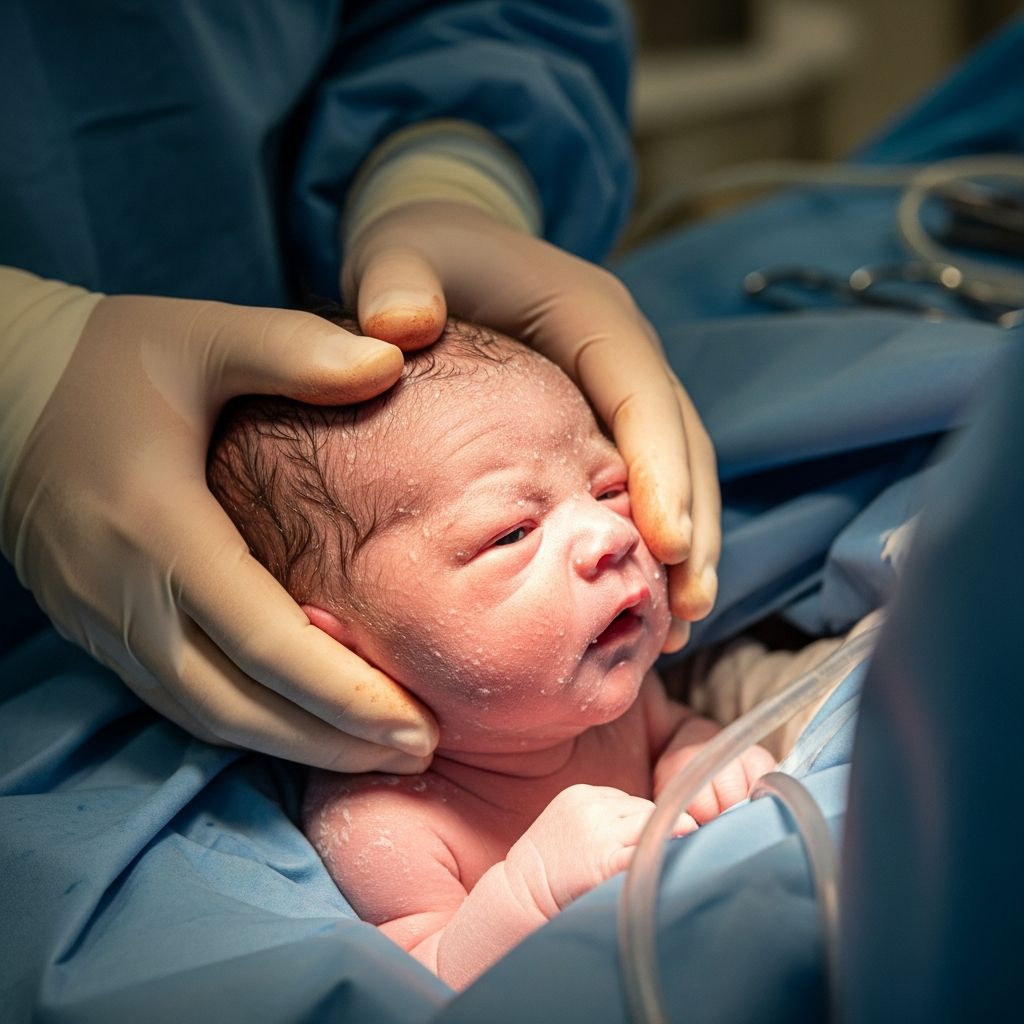
Cesarean deliveries, commonly known as C-sections, bring millions of babies into the world safely each year, yet the traditional terminology often carries a clinical, detached tone that can undermine the mother’s active role in the process. The emerging term ‘belly birth’ seeks to change this by framing the experience as a powerful, intentional act of birth through the abdomen, fostering greater emotional ownership and pride for parents. This shift in language aligns with broader movements toward patient-centered care in obstetrics.
The Power of Words in Childbirth Experiences
Language shapes perceptions, especially in intimate events like birth. Terms like ‘natural birth’ for vaginal deliveries inadvertently position C-sections as ‘unnatural’ or lesser, implying passivity for the mother who ‘has’ a C-section rather than ‘gives’ birth. This subtle distinction can contribute to feelings of inadequacy or failure among new parents, particularly after unplanned surgeries.
By contrast, ‘belly birth’ emphasizes agency, portraying the delivery as a deliberate pathway through the mother’s body. Advocates argue this rephrasing validates all birth methods equally, reducing stigma and promoting mental well-being during postpartum recovery. Studies in maternal psychology highlight how positive framing correlates with lower rates of postpartum depression.
Medical Realities of Cesarean Births
A C-section involves surgical incisions in the abdomen and uterus to deliver the baby, typically under regional anesthesia like an epidural. It’s the safest option in about 30-40% of U.S. births, according to health authorities, often due to complications that make vaginal delivery risky.
Common indications include:
- Fetal distress: When the baby’s heart rate shows intolerance to labor.
- Malposition: Breech or transverse presentations where the baby isn’t head-down.
- Multiples: Twins or more, especially if preterm or malpositioned.
- Placental issues: Placenta previa blocking the cervix or cord prolapse.
- Maternal factors: Prior C-sections, health conditions like heart disease, or obstructions such as fibroids.
While vaginal births often allow shorter recovery (2-6 weeks), C-sections require 6-8 weeks due to the major abdominal surgery involved. However, advancements like ‘gentle C-sections’—with skin-to-skin contact immediately post-delivery and transparent drapes—enhance bonding and mimic vaginal birth benefits.
Historical Context and Modern Evolution
C-sections trace back centuries but became viable in the modern era with anesthesia and sterile techniques in the late 19th century. Today, they save lives routinely, with refinements like the low transverse ‘bikini cut’ minimizing bleeding and improving healing. The World Health Organization advises C-sections only when medically necessary, underscoring their role as a critical intervention rather than routine.
Innovations continue: family-centered protocols now prioritize parental involvement, allowing partners in the operating room and immediate newborn contact, which supports hormonal bonding and breastfeeding initiation. This evolution positions ‘belly birth’ as a natural descriptor for these empowered procedures.
Empowering Mothers Through Inclusive Terminology
Shifting to ‘belly birth’ reclaims narrative control for mothers. Instead of surgery overshadowing the miracle of birth, it highlights the body’s role in welcoming life via the belly. This is particularly healing for those with traumatic or emergency C-sections, where up to 50% report dissatisfaction tied to loss of control.
Healthcare providers adopting this language report stronger patient satisfaction. Midwives and doulas champion it alongside terms like ‘surgical birth,’ creating space for pride in all pathways. Parents planning future pregnancies benefit too, as positive prior experiences predict better outcomes.
| Aspect | Vaginal Birth | Belly Birth (C-Section) |
|---|---|---|
| Delivery Method | Through birth canal | Abdominal/uterine incision |
| Recovery Time | 2-6 weeks | 6-8 weeks |
| Pain Management | Labor pain, then postpartum | Anesthesia during, then incision pain |
| Planning | Spontaneous or induced | Often scheduled |
| Bonding | Immediate skin-to-skin possible | Enhanced with gentle protocols |
This comparison illustrates equivalences in achievement, dispelling myths of inferiority.
Benefits and Challenges of Belly Births
Advantages:
- Scheduled timing reduces labor uncertainty.
- Avoids prolonged labor pain.
- Safer for specific risks, preventing emergencies.
- Gentle versions promote family involvement.
Potential Drawbacks:
- Longer hospital stays (3-4 days vs. 1-2).
- Infection or adhesion risks (1-2% incidence).
- Impacts future deliveries; VBAC possible but not always.
Preparation mitigates these: prenatal education on incision care, mobility aids, and nutrition accelerates healing. Support networks, including postpartum doulas, amplify recovery success.
Preparing for Your Belly Birth Journey
Anticipate your experience with these steps:
- Discuss with providers: Review indications and preferences early.
- Opt for gentle protocols: Request skin-to-skin and clear drapes.
- Build a support team: Include partners, doulas for advocacy.
- Post-op plan: Stock easy meals, arrange help for 6 weeks.
- Mental prep: Journal or join belly birth communities online.
Evidence shows informed parents experience less anxiety and faster recovery.
Real Stories: Voices from Belly Birth Moms
Many share transformative tales. One mother recounted her emergency belly birth after fetal distress: ‘Calling it my belly birth let me own the strength it took to bring my son safely.’ Another planned hers for twins: ‘It felt empowering, not medical—watching him emerge from my belly was magical.’ These narratives underscore language’s role in healing.
Frequently Asked Questions About Belly Births
Is a belly birth as valid as vaginal birth?
Absolutely. Both are heroic feats of bringing life; medical bodies affirm C-sections’ life-saving necessity when indicated.
Can I have a vaginal birth after a belly birth?
Yes, VBAC succeeds in 60-80% of eligible cases, but consult your doctor on risks like uterine rupture.
How painful is recovery from a belly birth?
Managed with meds, it’s comparable to major surgery; walking early aids healing within weeks.
Are gentle belly births available everywhere?
Increasingly in hospitals embracing family-centered care; request in your birth plan.
Does terminology like ‘belly birth’ really matter?
Yes—positive language boosts confidence, recovery, and bonding per maternal health experts.
Future Directions in Birth Language and Care
As obstetrics advances, expect wider ‘belly birth’ adoption alongside tech like robotic surgery for precision. Advocacy groups push for standardized inclusive terms, potentially in guidelines from ACOG. Ultimately, celebrating all births—vaginal or abdominal—cultivates a supportive culture for families.
This holistic view ensures every parent feels accomplished, regardless of path. Embracing ‘belly birth’ marks progress toward equity in maternal experiences.
References
- C-section – Mayo Clinic — Mayo Clinic. 2023-10-15. https://www.mayoclinic.org/tests-procedures/c-section/about/pac-20393655
- This new term for C-sections gives power back to moms — Today’s Parent. 2023-05-20. https://www.todaysparent.com/pregnancy/giving-birth/this-new-term-for-c-sections-gives-power-back-to-moms/
- C-section vs. vaginal birth: the difference and which is best for you — The Mother Baby Center. 2023-04-12. https://www.themotherbabycenter.org/blog/2023/04/c-section-vs-vaginal-birth/
- Having a c-section — March of Dimes. 2024-01-10. https://www.marchofdimes.org/find-support/topics/birth/having-c-section
- C-sections (caesareans) – everything you need to know — Tommy’s. 2023-11-05. https://www.tommys.org/pregnancy-information/giving-birth/caesarean-section/c-sections-everything-you-need-know