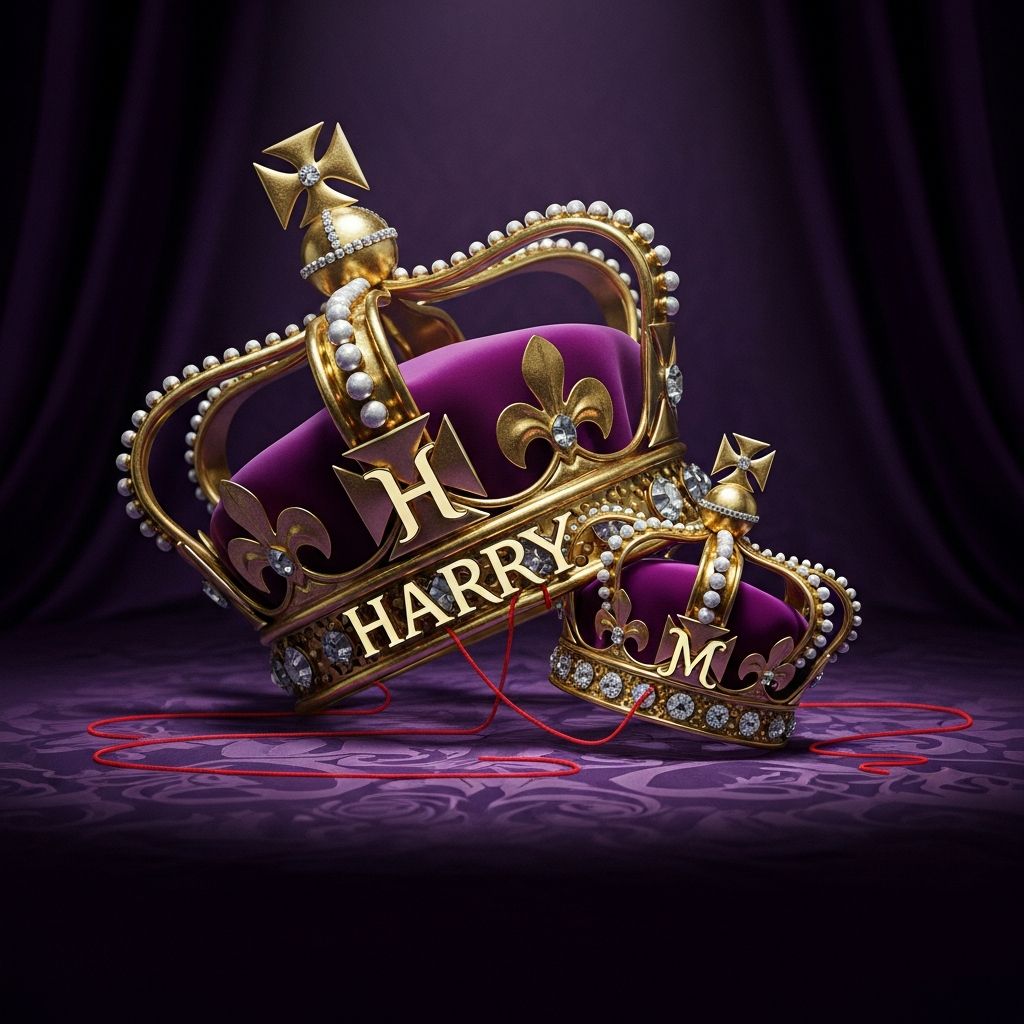
Prince Harry and Meghan Markle, once central figures in the British monarchy, made headlines in early 2020 by announcing their intention to step back from senior royal roles. This decision led to significant adjustments in how they would be addressed, sparking discussions on tradition, protocol, and personal branding. While they retained their dukedom, the loss of ‘His/Her Royal Highness’ (HRH) designations marked a clear boundary between their past duties and future independence.
The 2020 Royal Exit: A Turning Point
The couple’s departure from full-time royal life was framed as a pursuit of financial independence while supporting the Crown selectively. Queen Elizabeth II’s statement outlined a ‘progressive’ arrangement, effective after a transition period ending in spring 2020. Key elements included ending scheduled engagements, repaying public funds for their Frogmore Cottage renovation, and relinquishing HRH usage.
- Harry surrendered honorary military appointments, a notable sacrifice given his service background.
- The Sussexes would split time between the UK and North America, primarily Canada initially, while keeping Frogmore as their UK base.
- Financial support from Prince Charles (now King Charles III) was anticipated during the shift.
This move allowed them to earn private income, a departure from the Sovereign Grant-funded lifestyle of working royals. The Queen’s praise for their contributions and Meghan’s integration highlighted a supportive tone amid the changes.
Title Adjustments: Avoiding Misinterpretation
Initial announcements specified addressing them as ‘Harry, Duke of Sussex’ and ‘Meghan, Duchess of Sussex.’ This phrasing drew immediate scrutiny because it echoed conventions for divorced former royals, like Sarah Ferguson (‘Sarah, Duchess of York’) and Diana Spencer (‘Diana, Princess of Wales’).
Buckingham Palace quickly deemed the formulation ‘erroneous’ and promised revisions. The concern was that it implied marital separation, which was not the case. Ultimately, the couple kept their Duke and Duchess titles without HRH prefixes, ensuring clarity in their ongoing marital status.
| Individual | Pre-Divorce/Exit | Post-Divorce/Exit | Notes |
|---|---|---|---|
| Harry & Meghan | HRH Duke/Duchess of Sussex | Duke/Duchess of Sussex | Retained titles post-2020 step-back; no divorce. |
| Sarah Ferguson | HRH Duchess of York | Sarah, Duchess of York | Post-divorce from Prince Andrew. |
| Diana Spencer | HRH Princess of Wales | Diana, Princess of Wales | Post-divorce from Prince Charles. |
This table illustrates how title styles historically signal personal status changes, underscoring the Palace’s need for precision.
Legal Entitlements vs. Protocol Expectations
Legally, Harry and Meghan remain entitled to their Sussex titles, granted upon marriage in 2018. Royal convention permits ‘Sussex’ as a family surname. However, their agreement barred HRH in public contexts and prohibited ‘Sussex Royal’ branding for commercial ventures.
These restrictions aim to prevent profiting from royal associations. Yet, as private citizens, they navigate a gray area where titles enhance prestige without formal duties. This balance has fueled perceptions of selective adherence to the spirit of the deal.
Recent Accusations: Titles in the Spotlight
Years later, Meghan faces criticism for invoking her Duchess title in non-royal settings. During a Harper’s Bazaar interview promotion, a staffer reportedly announced her formally, prompting royal commentators to question motives. Experts like Helena Chard argue it underscores attachment to royal prestige, especially amid business launches like her ‘As Ever’ lifestyle brand.
- British broadcaster Helena Chard: ‘Meghan attaches enormous importance to her royal status… It gets people talking.’
- Royal expert Hilary Fordwich: ‘Beyond pretentious… hypocritical at best.’
- Richard Fitzwilliams: ‘Highlights how attached to her royal links Meghan is.’
Similar incidents include signing gifts as ‘HRH Meghan, Duchess of Sussex’ and announcements at events like the La Brea Tar Pits. Critics contend these blur lines between egalitarianism—once cited as a reason for leaving—and title exploitation for commercial gain.
Business Ventures and the Title Dilemma
Post-2020, the Sussexes have built multimedia empires, including Netflix deals, Spotify podcasts (now ended), and individual projects. Meghan’s entrepreneurial pivot includes lifestyle products, where the Duchess title arguably boosts marketability in the U.S.
Royal expert Jennie Schofield warns of a ‘fine line,’ noting poor optics when titles promote businesses. While no rules are formally broken, the agreement’s intent—to separate royal identity from profit—appears tested. Harry, less criticized, shares the dukedom but focuses more on philanthropy like the Invictus Games.
Public Perception and Media Dynamics
The couple’s narrative contrasts media intrusion and family support shortages with their high-profile life in California. Retaining titles sustains visibility, aiding causes like mental health and women’s rights. However, U.K. tabloids amplify controversies, portraying title use as opportunistic.
Audience reactions vary: supporters view it as rightful inheritance; detractors see hypocrisy. Polls post-2020 showed mixed approval, with title retention a flashpoint. This ongoing tension reflects broader monarchy modernization debates.
Implications for the Monarchy
The Sussex situation tests royal adaptability. Precedents like Edward VIII’s abdication or Andrew’s scandals inform responses, but Harry-Meghan’s model—partial involvement without HRH—is novel. King Charles III’s slimmer monarchy prioritizes working royals, sidelining ex-members.
Future policy might formalize title usage for non-working royals, preventing commercial overreach. For the Sussexes, reconciliation seems distant amid lawsuits and memoirs, yet family ties persist privately.
Frequently Asked Questions (FAQs)
Why did Harry and Meghan give up their HRH titles?
They stepped back to achieve financial independence, agreeing not to use HRH publicly as part of Queen Elizabeth II’s 2020 arrangement.
Can they still use Duke and Duchess of Sussex?
Yes, these titles are permanent unless removed by the monarch; they remain legally entitled despite protocol limits on commercial use.
Is Meghan’s title use in business controversial?
Yes, experts criticize it as blurring royal prestige with profit, though legally permissible.
What happens to Frogmore Cottage?
They repaid renovation costs and it serves as their UK residence, though primarily U.S.-based now.
Will their children get royal titles?
Currently styled as Prince Archie and Princess Lilibet since 2023, but not HRH unless actively working royals.
References
- Palace Revises New Titles for Prince Harry, Meghan Markle — TIME. 2020-01-21. https://time.com/5768763/buckingham-palace-harry-meghan-new-titles-divorce/
- Harry and Meghan Give Up Royal Titles: Their New Roles Explained — The Royal Family Channel (YouTube). 2020-01-19. https://www.youtube.com/watch?v=B6MnhzbOXxw
- Meghan Markle accused of clinging to royal title after recent interview — Fox News. 2024 (approx., recent). https://www.foxnews.com/entertainment/meghan-markle-accused-clinging-royal-title-after-recent-interview-experts