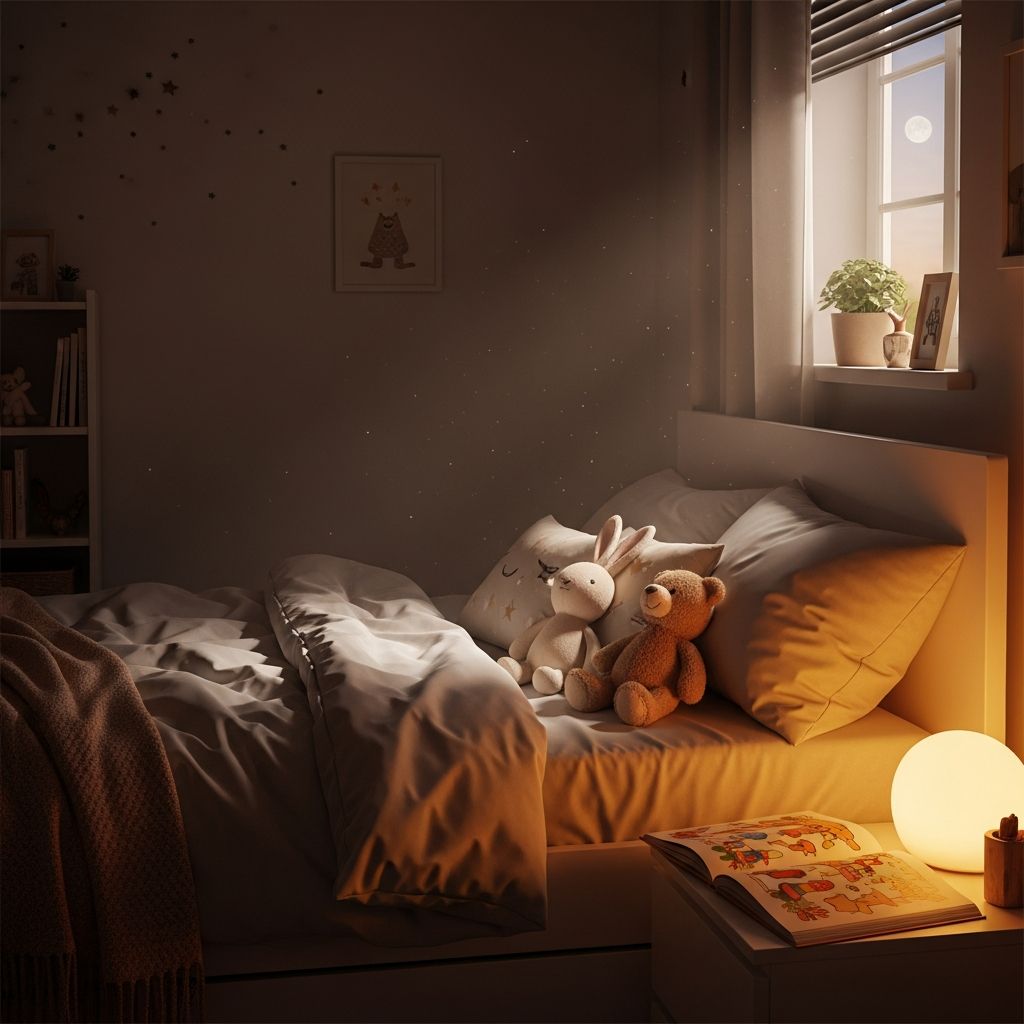
Establishing a reliable bedtime routine transforms chaotic evenings into calm transitions to sleep, benefiting both children and parents. Consistent practices signal the body it’s time to wind down, improving sleep quality and daytime behavior.
Why Bedtime Routines Matter for Growing Minds and Bodies
A structured approach to evenings supports healthy development by regulating circadian rhythms—the body’s internal clock that governs sleep-wake cycles. Children who follow predictable patterns fall asleep faster, experience fewer night wakings, and show enhanced focus and mood during the day. Research highlights that routines incorporating relaxing activities like reading reduce bedtime resistance and promote deeper rest.
Without structure, kids may struggle with overstimulation from screens or irregular schedules, leading to insufficient sleep. The Sleep Foundation notes that quality rest is crucial for cognitive growth, emotional regulation, and physical health in young ones.
Core Elements of an Effective Evening Wind-Down
Build your routine around 3-4 calming steps performed in the same order nightly. Key components include hygiene tasks, quiet engagement, and a soothing send-off to sleep.
- Hygiene essentials: Brushing teeth, a quick wash-up, and bathroom visit prevent discomfort overnight.
- Quiet activities: Reading, soft music, or light stretching eases the mind from daytime energy.
- Comfort setup: Dim lights, cozy pajamas, and a final cuddle foster security.
Keep the sequence short—20-45 minutes depending on age—to maintain engagement without fatigue.
Tailored Routines by Age Group
Adjust expectations and activities to match developmental stages for optimal cooperation.
Infants and Toddlers (0-3 Years)
For the youngest, aim for 11-14 hours of total sleep including naps. Start routines post-dinner with a warm bath to relax muscles, followed by feeding or a light snack, diaper change, and gentle rocking with a lullaby. Limit to 20-30 minutes; consistency builds trust and predictability.
| Activity | Duration | Purpose |
|---|---|---|
| Bath or wipe-down | 5-10 min | Relaxes body, signals end of day |
| Feed/snack | 10 min | Prevents hunger wakings |
| Lullaby/cuddle | 5-10 min | Promotes emotional bonding |
Preschoolers (3-5 Years)
Extend to 30-40 minutes, incorporating choice to build independence. After homework check and bath, include 15 minutes of puzzles or coloring in low light, then storytime and a bathroom break. Preparing tomorrow’s clothes reduces morning stress.
- Pajama selection: Let them pick for ownership.
- Calm play: Avoid screens; opt for books or soft toys.
- Story sharing: Read together to spark imagination calmly.
School-Age Kids (6-12 Years)
30-45 minutes suits this group, blending responsibility with relaxation. Review the day, handle hygiene, read independently or discuss highlights, then lights out in a cool, dark room. Involve them in planning to encourage buy-in.
Use visual charts with pictures for younger ones or checklists for older kids to track progress and earn rewards like stickers.
Optimizing the Sleep Environment
A conducive space amplifies routine effectiveness. Maintain 65-72°F temperature, total darkness (use blackout curtains or nightlights sparingly), and minimal noise—white noise machines mask disruptions effectively.
- Bedding: Breathable fabrics and firm mattresses support comfort.
- Lighting: Warm, low bulbs mimic sunset for melatonin release.
- Scent: Mild lavender diffusers can soothe without overwhelming.
Common Roadblocks and Smart Solutions
Resistance is normal; address it proactively.
| Challenge | Solution |
|---|---|
| Screen addiction | Power off 1 hour prior; blue light blocks melatonin. |
| Stalling tactics | Set firm boundaries with a timer; praise compliance. |
| Night fears | Pre-bed worry journal or breathing exercises. |
| Inconsistent schedules | Align weekends close to weekdays; gradual fading for shifts. |
Flexibility for travel or illness prevents total derailment, but revert quickly.
Nutrition and Activity’s Role in Evening Calm
Avoid caffeine or sugar post-lunch; opt for protein-rich snacks like yogurt if needed. Daily exercise earlier in the day tires the body naturally, but skip vigorous play near bed.
Tracking Progress and Making Adjustments
Monitor sleep logs for 2 weeks to refine. If issues persist, consult pediatricians—underlying factors like anxiety may need addressing. Occupational therapists offer tailored fading techniques for special needs.
Rewards reinforce habits: Weekly extra stories for full compliance boost motivation.
Frequently Asked Questions
What if my child refuses the routine?
Stay calm, gently redirect without negotiation, and shorten initially to build success. Consistency wins over time.
How late is too late for screens?
At least 60 minutes before bed to allow melatonin production.
Can rewards backfire?
Intrinsic praise pairs best with small incentives; phase out to avoid dependency.
What’s the ideal sleep duration by age?
Infants: 12-16 hrs; Toddlers: 11-14 hrs; Preschool: 10-13 hrs; School-age: 9-12 hrs.
Should routines differ on weekends?
Keep within 1 hour of weekdays to preserve rhythms.
Long-Term Benefits of Solid Sleep Foundations
Families embracing these strategies report less parental exhaustion and thriving kids. Over time, children internalize habits, gaining self-soothing skills for life.
References
- Kids Bedtime Routine to Transition to School Day — Aveeno. 2023-09-15. https://www.aveeno.com/journal/kids/effective-bedtime-routine-for-kids-to-smoothly-transition-to-the-school-day
- Bedtime Routines for Children — Sleep Foundation. 2024-05-20. https://www.sleepfoundation.org/children-and-sleep/bedtime-routine
- What makes a good bedtime routine for kids? 10 do’s and don’ts — Calm.com. 2024-02-10. https://www.calm.com/blog/kids-bedtime-routine
- Positive bedtime routines: babies, children and teenagers — Raising Children Network (Australian Government-funded). 2023-11-05. https://raisingchildren.net.au/toddlers/sleep/better-sleep-settling/bedtime-routines
- How to Create a Sleep Routine for Your Child: Tips for Every Age — Copakids (Children’s Hospital Colorado affiliate). 2024-01-12. https://copakids.com/child-healthcare-news/how-to-create-a-sleep-routine-for-your-child-tips-for-every-age/
- Sleep Strategies for Children — Tumble N’ Dots (OT-approved). 2023-08-22. https://tumblendots.com/blog/sleep-strategies-for-children/
- A Good Night’s Sleep Can Be Routine for Kids – and Their Parents — Seattle Children’s Hospital. 2024-03-18. https://www.seattlechildrens.org/health-safety/nutrition-wellness/good-night-sleep-routine/