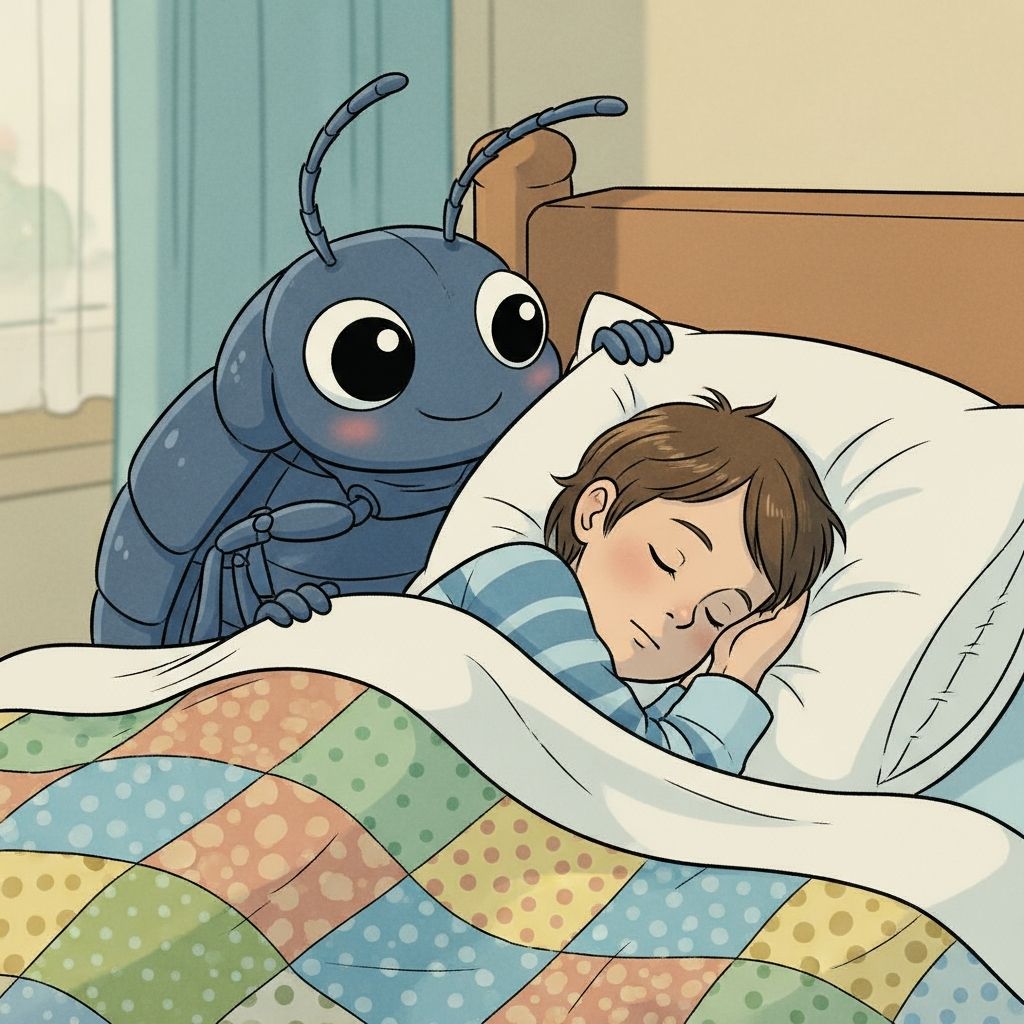
Bed bugs might sound like creepy creatures from a bedtime rhyme, but they are real insects that sometimes share our homes. This guide explains what bed bugs are, how they can affect kids, and what families can do to find them, treat bites, and keep everyone calm and comfortable.
Meet the Bed Bug: Tiny Nighttime Visitor
Bed bugs are very small insects that feed on the blood of people and animals while they sleep. They are usually most active at night and hide during the day.
- Color: Reddish-brown
- Shape: Flat and oval, a bit like a tiny apple seed
- Size: About 1–7 millimeters long — often compared to the size of Lincoln’s head on a penny
- Wings: They do not fly; they crawl.
- Favorite snack: Blood from sleeping people or animals
Because they are so thin and flat, bed bugs are experts at squeezing into small cracks and seams where they are hard to see.
Where Do Bed Bugs Like to Hide?
Even though they are called “bed” bugs, they can hide in many places in and around where people sleep or rest.
- Mattress seams and piping
- Box springs and bed frames
- Headboards and footboards
- Sofas, chairs, and cushions
- Cracks in walls, baseboards, or floors
- Backpacks, suitcases, and duffel bags
- Clothing piles, stuffed animals, and curtains
Bed bugs are also great hitchhikers. They can catch a ride on bags, clothing, or furniture when people travel from place to place, including homes, hotels, dorms, and sometimes schools or child care centers.
Do Bed Bugs Make Kids Sick?
Health experts agree on one important fact: bed bugs are not known to spread diseases to people. That means they are different from some other insects like mosquitoes or ticks, which can carry germs.
Still, bed bugs can cause problems, especially for kids:
- Itchy bites: The most common issue is itchy red bumps at the bite sites.
- Loss of sleep: Itching and worrying about bugs can make it hard for kids to fall or stay asleep.
- Skin infections: Scratching a lot can break the skin, which may lead to infection if germs enter the open areas.
- Allergic reactions: Some kids may have stronger reactions like swelling or hives and rarely more serious allergic responses.
- Stress and embarrassment: Kids might feel worried, scared, or embarrassed about having bugs in their bed.
Good news for families: with calm steps, bed bug problems can be managed, and kids can stay healthy.
What Do Bed Bug Bites Look and Feel Like?
Bed bug bites can look similar to mosquito or other insect bites, so it’s not always easy to tell the difference just by looking.
| Feature | Typical Bed Bug Bite |
|---|---|
| Appearance | Small red bumps, sometimes with a tiny red dot in the middle |
| Location on body | Areas that are uncovered at night, such as face, neck, arms, and hands |
| Pattern | Often appear in lines or clusters, but this is not always the case |
| Feeling | Itchy; in some kids, itching can be intense |
| Timing | Usually noticed in the morning after sleeping |
Because many insect bites look alike, doctors and school nurses often need a story about recent travel, home conditions, or seeing bugs before deciding bed bugs are likely.
Clues That Bed Bugs May Be Around
Finding actual bugs is the clearest sign, but families can also watch for other hints in bedrooms or living spaces.
- Live bed bugs, especially in mattress seams or furniture crevices
- Tiny white eggs or pale eggshells hidden in cracks
- Small dark spots (bed bug droppings) on sheets, mattresses, or furniture
- Reddish stains on bedding from crushed bugs
- Clusters or lines of unexplained itchy bites on skin
In heavy infestations, some people notice a musty or sweet odor, but this is not always present and is less common in mild problems.
How Bed Bugs Affect Kids’ Daily Lives
Even when they do not carry disease, bed bugs can still disturb how kids feel and act each day.
- Sleep troubles: Itching and anxiety can lead to shorter or broken sleep, which might cause tiredness, irritability, or trouble focusing in class.
- School performance: Being sleepy or uncomfortable from bites can make homework and learning harder.
- Social worries: Kids might be afraid that classmates will find out and tease them, even though bed bugs can happen in any home.
- Family stress: Parents may feel guilty or overwhelmed, especially when dealing with cleaning and pest control.
Reminding children that bed bugs are a common problem and not a sign that their family is “dirty” can reduce shame and fear.
Helping Kids If They Have Bed Bug Bites
Most bed bug bites get better on their own in a week or two and do not need special treatment. However, parents and caregivers can take simple steps to help kids feel more comfortable.
Comfort and Skin Care
- Gently wash bite areas with mild soap and water.
- Use a cool cloth or ice pack (wrapped in a towel) for short periods to reduce itching.
- Ask a healthcare provider or pharmacist about kid-safe anti-itch creams or oral medicines if itching is strong.
- Keep kids’ fingernails short to lower the chance of scratching skin open.
Watch for Infection or Allergy
Most bites are mild, but some signs mean it is time to call a doctor or nurse.
- Increasing redness, warmth, or swelling around bites
- Pus or yellow crusts on the skin
- Fever or feeling ill along with the bites
- Very large swelling, many hives, or trouble breathing (emergency)
These can be signs of infection or an allergic reaction that needs medical attention.
Getting Rid of Bed Bugs: Teamwork for Families
Removing bed bugs usually requires patience and a plan. In many cases, families work with professional pest control services, especially for larger infestations.
Steps Families Can Take
- Stay calm: Bed bugs are upsetting, but panicking makes problem-solving harder.
- Reduce clutter: Clear piles of clothes, toys, and papers so there are fewer hiding spots.
- Wash and heat-dry: Launder bedding, pajamas, and washable toys in hot water and dry them on the highest safe heat setting to help kill bugs and eggs.
- Vacuum often: Vacuum mattresses, box springs, furniture, and floors, then empty the vacuum outside.
- Use encasements: Mattress and box spring covers designed for bed bugs can trap any insects inside, where they eventually die.
- Follow professional advice: If you hire a licensed pest control company, follow their instructions about treatments, cleaning, and follow-up visits.
Unlike some pests, bed bugs can live for months without feeding and may hide far from beds, so one quick spray is rarely enough to solve the problem.
Preventing Bed Bugs Around Kids
It is not always possible to prevent bed bugs completely, but families can lower the risk with a few habits.
At Home
- Regularly check mattresses, bed frames, and nearby furniture for signs of bugs or spots.
- Keep beds pulled slightly away from walls and avoid letting bedding touch the floor.
- Limit clutter in bedrooms, especially around sleeping areas.
- Be careful with secondhand furniture: inspect closely before bringing items into the home.
At School or Child Care
Bed bugs do not spread by casual person-to-person contact, but they may travel on belongings like backpacks or clothing.
- Teach kids to keep coats and bags in their own spaces when possible.
- Remind children not to share hats, sweaters, or bedding items.
- If the school reports a bed bug issue, follow any cleaning or bagging instructions given.
When Traveling
- Inspect hotel or guest beds, especially seams and headboards, for signs of bugs.
- Keep suitcases on racks or hard surfaces, not directly on beds.
- When returning home, wash and dry travel clothes on high heat if possible.
Talking With Kids About Bed Bugs
How adults explain bed bugs can shape how scared or calm kids feel about them.
- Use simple phrases like “tiny bugs that make you itchy” rather than scary stories.
- Explain that many families deal with bed bugs at some point and it does not mean their home is dirty.
- Focus on what the family is doing: cleaning, washing, and maybe calling experts.
- Encourage kids to tell an adult if they notice bites or see bugs, instead of hiding it.
Letting children help with safe tasks like sorting laundry can give them a sense of control instead of fear.
Frequently Asked Questions (FAQs)
Can bed bugs give my child a serious disease?
According to public health agencies, bed bugs are not known to spread diseases to people, including children. Their main impact is itchy bites and possible reactions.
My child has red bumps. How do I know if they are from bed bugs?
Bed bug bites commonly appear on skin exposed at night, such as the face, neck, arms, and hands, and may show up in rows or clusters. However, many insect bites look alike, so noticing bugs or other signs in the sleeping area and, if needed, speaking with a healthcare provider or school nurse is important.
Should my child stay home from school if we have bed bugs?
In most places, kids are not excluded from school just because of bed bugs, since they do not spread through casual contact like a cold. Still, it is helpful to inform the school so staff can watch for signs on belongings and support the family.
Do we need to throw away all of our furniture?
Many items can be cleaned, treated, or encased rather than discarded. Washing, vacuuming, using high heat in dryers, and working with professional pest control can often save beds and furniture. Always follow safety instructions from experts.
How long will it take to get rid of bed bugs?
Because bed bugs can hide well and survive for months without feeding, solving an infestation usually takes multiple weeks and often several treatments. Staying consistent with cleaning and follow-up visits is key.
References
- About Bed Bugs — Centers for Disease Control and Prevention. 2024-01-18. https://www.cdc.gov/bed-bugs/about/index.html
- Bed Bugs and Schools — U.S. Environmental Protection Agency. 2023-06-15. https://www.epa.gov/ipm/bed-bugs-and-schools
- Bed bugs — Colorado Department of Public Health and Environment. 2022-09-09. https://cdphe.colorado.gov/child-care-school-settings/bed-bugs
- Bedbugs – Symptoms and causes — Mayo Clinic. 2023-05-03. https://www.mayoclinic.org/diseases-conditions/bedbugs/symptoms-causes/syc-20370001
- Bedbug Bites — American Academy of Pediatrics, HealthyChildren.org. 2021-07-01. https://www.healthychildren.org/English/health-issues/conditions/from-insects-animals/Pages/Bedbug-Bites.aspx
- Bed Bugs and Kids: A Guide for Parents — CHOC Health. 2022-10-20. https://health.choc.org/bed-bugs-and-kids-a-guide-for-parents/
- Bedbugs | Advice for Parents — Cincinnati Children’s Hospital Medical Center. 2020-11-12. https://www.cincinnatichildrens.org/health/b/bedbugs