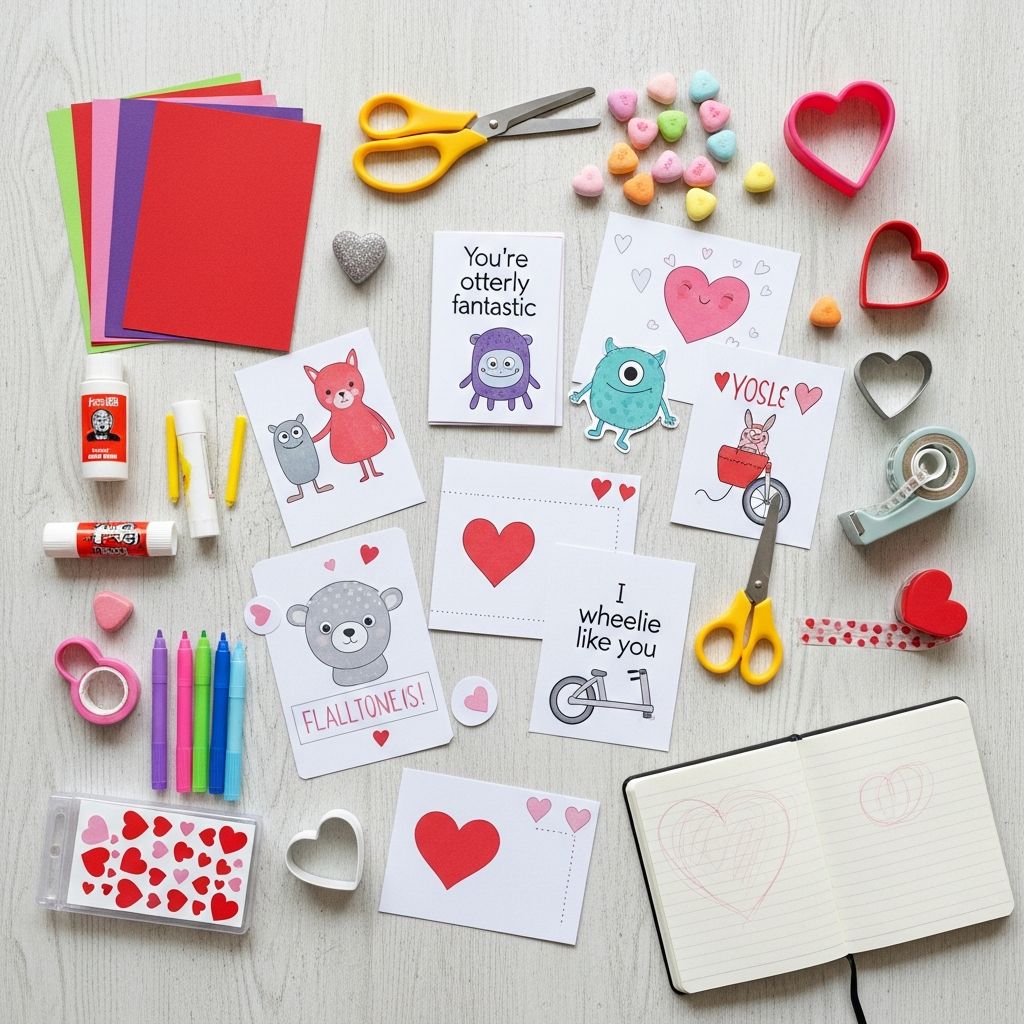
Valentine’s Day with kids does not have to mean frantic late-night crafting or overspending on character-themed card packs. Free printable Valentines make it easy to celebrate with creativity, kindness, and a tiny budget, whether your child needs 25 cards for school or you want a cozy family activity at home.
Why Printable Valentines Make Life Easier
Printable Valentines combine the best of both worlds: they are quick to produce like store-bought cards, yet can be personalized and decorated like handmade creations. For busy caregivers, they are a practical way to meet classroom expectations while still giving children a sense of ownership over what they share with friends.
Because most printables are designed for standard home printers, you can create dozens of cards in minutes, then let kids handle the fun part—coloring, cutting, and signing. This keeps the focus on connection and creativity instead of last-minute errands and impulse purchases.
Types of Free Printable Valentines You Can Use
Free printable Valentines now go far beyond simple folded cards. With a quick search, you will find designs that double as mini games, classroom activities, and keepsakes kids are excited to bring home and show off.
When choosing which templates to print, think about your goals: are you mainly trying to handle a classroom card exchange, fill a cozy afternoon at home, or sneak in some learning disguised as holiday fun?
Classic Card-Style Printables
Traditional card templates are the easiest place to start. These usually come as sheets of several small cards with playful illustrations and short, kid-friendly messages.
- Print-and-cut cards with cute animals, hearts, or puns.
- Black-and-white cards designed for kids to color themselves.
- Foldable cards with a front image and blank interior for personal notes.
Card-style printables work especially well for school exchanges because they are quick to prepare in batches and can be tailored to different age groups and reading levels.
Activity-Based Printable Valentines
Some printable Valentines double as simple activities children can complete after the party is over. These are ideal if you want to send home something that lasts longer than a piece of candy.
- Mini coloring sheets with a space for the giver’s name.
- Simple mazes or matching games with Valentine’s imagery.
- Small word searches using positive, friendship-themed vocabulary.
Activity-based cards are particularly useful in classrooms because they can keep kids focused and engaged during party time or transitions without adding extra prep for the teacher.
Coupons, Notes, and Kindness Cards
Printable Valentines can also encourage kids to give experiences or kind actions instead of trinkets. These formats help shift the holiday’s focus from stuff to meaningful gestures.
- “Love coupons” for extra storytime, a game night, or choosing the family movie.
- Affirmation cards with a short compliment and space to add a personal note.
- Kindness challenge cards suggesting simple good deeds kids can complete.
These formats are perfect for family celebrations, sibling exchanges, or social-emotional learning activities at school.
Planning a Stress-Free Printable Valentine Project
A little planning turns a stack of printable pages into a smooth, enjoyable project instead of a rushed chore. Think through the basics first: how many cards you need, how much time you have, and what materials you already own.
Once you have that information, you can pick printables that fit your schedule and your child’s age, then set up a simple assembly line that works for your household or classroom.
Step-by-Step Prep Checklist
- Confirm your numbers. Ask the teacher or group leader how many cards are needed and whether names should be written on the “to” line.
- Choose a style. Decide whether you want classic cards, activities, or a mix, and select designs that match your child’s interests.
- Check your supplies. Make sure you have enough paper, ink, kid-friendly scissors, glue, and coloring tools.
- Schedule craft time. Break the project into short sessions over several days instead of doing everything the night before.
- Assign kid-sized tasks. Let kids color, sign, decorate, and help with simple cutting if they are ready for that skill level.
Dividing the work into clear steps helps children feel involved and keeps adults from feeling overwhelmed when deadlines approach.
Smart Printing Tips for Better Results
Printing at home works best when you match the paper and settings to how the Valentines will be used. A few small tweaks can make free printables look like polished, store-worthy cards.
Focus on three main choices: paper type, print quality, and how you cut and assemble the finished pieces.
Paper and Ink Choices
Regular printer paper is fine for simple class cards, but a slightly heavier paper gives cards more durability and a nicer feel in kids’ hands. Many families keep a small stash of cardstock on hand just for holidays and school projects.
- Use basic paper for coloring-heavy designs that will be layered onto another surface.
- Use cardstock for stand-alone cards, bookmarks, or coupons.
- Test a single page first to check color saturation and readability before printing all your copies.
Cutting and Finishing
Straight, clean edges make even the simplest printable look intentional. If you expect to cut dozens of cards, consider using a paper trimmer instead of scissors to save time and reduce hand strain.
- Cut along light guide lines when available, or use a ruler to help keep edges straight.
- Round corners with scissors or a corner punch for a softer, more polished look.
- Add a piece of tape or a small dot of glue to attach mini treats or pencils when allowed.
Simple finishing touches, like adding a sticker or drawing a tiny doodle, make mass-produced cards feel more personal without adding much time.
Adding Personal Touches Kids Will Love
Personalization is what transforms a free printable into something that feels thoughtfully made. Children love seeing their own handwriting, drawings, and choices reflected in the finished cards they give away.
Encouraging kids to customize their Valentines also turns the project into a creative activity rather than just a checklist item for parents.
Personalization Ideas
- Let each child pick a color scheme or favorite character theme for their set.
- Invite them to add short messages or inside jokes for close friends or siblings.
- Provide small stickers, washi tape, or stamps so they can embellish the designs.
- Encourage older kids to write a few extra words of appreciation to teachers or helpers.
You can also print a variety of different card designs and allow kids to match specific styles to different friends, which can be a gentle way to practice empathy and thoughtfulness.
Turning Printables into Learning Opportunities
Valentine’s Day printables are more than decorations; they can support fine motor skills, early literacy, and social-emotional growth without feeling like formal lessons. Kids simply experience the project as holiday fun while also practicing useful skills.
By choosing or slightly adapting printables, you can easily align them with whatever your child is currently learning at home or school.
Skills You Can Target
| Skill Area | How Printables Help | Example Activity |
|---|---|---|
| Fine motor | Cutting, coloring, folding, and gluing build hand strength and coordination. | Have children cut out heart shapes and glue them onto card fronts in patterns. |
| Writing | Signing cards and adding short notes gives natural handwriting practice. | Create a simple sentence frame such as “You are a great ____” for kids to fill in. |
| Reading | Short phrases, puns, and labels are approachable text for emerging readers. | Ask kids to match cards with similar words or read their messages aloud. |
| Math | Counting, sorting, and simple patterns can be integrated into card prep. | Let kids count out how many cards they need and group them by design. |
| Social-emotional | Valentines encourage gratitude, empathy, and inclusive social habits. | Brainstorm one positive quality for each classmate and add it to their card. |
Framing the project in terms of giving and appreciation also offers a natural opportunity to discuss feelings, friendship dynamics, and ways to be inclusive of everyone in a group.
Ideas for Different Age Groups
Not every printable style works for every age. Adjusting the level of detail and the complexity of tasks helps kids feel capable and keeps frustration low.
Below are simple guidelines for tailoring printable Valentine projects to preschoolers, early elementary kids, and older children.
Preschool and Kindergarten
Young children benefit from large images, minimal text, and tasks that support emerging hand skills. Short, structured craft sessions keep them interested without melting down.
- Choose oversized cards or single images they can color freely.
- Pre-cut cards and simple shapes; let them focus on decorating and adding stickers.
- Help them sign with a first initial or trace their name if full writing is still difficult.
Early Elementary
Children in the early grades are ready for more independence and detail. They can handle more steps as long as instructions remain clear and the project is broken into manageable chunks.
- Offer designs with a mix of images and short phrases they can read themselves.
- Invite them to cut out their own cards using kid-safe scissors and guidelines.
- Encourage them to write full names and add short custom messages.
Older Kids and Tweens
Older kids often appreciate humor, customization, and a chance to put their own spin on things. They may also enjoy helping younger siblings with their projects.
- Provide more intricate or pun-based designs that match their interests.
- Let them redesign or remix printables by adding doodles, patterns, or digital edits.
- Encourage them to create Valentine coupons or notes with more specific, thoughtful messages.
Creative Ways to Use Printable Valentines Beyond Cards
Once you start printing Valentine designs, it is easy to repurpose them into decorations, games, and keepsakes. This stretches the value of free resources and helps create a festive atmosphere without buying themed décor.
Think of each printed page as raw material that can be cut, glued, and combined in new ways to support your celebration.
Simple Décor Ideas
- String printed hearts or mini cards onto ribbon to make a cheerful garland.
- Use individual cards as place settings at a family dinner or classroom snack table.
- Frame a favorite printable as seasonal art for the mantle, entryway, or kids’ room.
Games and Group Activities
- Create a Valentine scavenger hunt by hiding printed hearts around the house.
- Turn matching picture cards into a simple memory game for younger children.
- Organize a class or family “kindness wall” where everyone posts printed hearts with written compliments.
These activities help keep the focus on fun and connection, whether you are planning a classroom party, a playdate gathering, or a quiet evening at home.
Keeping Valentine’s Day Inclusive and Low-Pressure
One of the biggest benefits of free printable Valentines is that they help level the playing field. Every child can show up with cards they feel proud of, regardless of budget or crafting experience at home.
With a bit of planning and clear communication, you can help kids approach Valentine’s Day as a celebration of friendship and kindness rather than a competition over the fanciest goodies.
Inclusive Celebration Tips
- Encourage kids to make a card for every classmate or group member.
- Focus on messages of friendship and appreciation rather than romance.
- Offer non-food or allergy-friendly options, such as pencils, stickers, or activity-based printables.
- Remind kids that thoughtful words and time spent creating are just as valuable as store-bought items.
Frequently Asked Questions About Free Printable Valentines
Do I need special software to use printable Valentines?
Most printable Valentines come in standard file formats designed to open in common programs already installed on many computers or devices. You simply download, open, and print the pages you want, making sure your printer is set to the correct paper size and orientation.
How can I save ink when printing lots of cards?
To reduce ink usage, choose designs with more white space or black-and-white outlines that kids can color themselves. You can also lower your printer’s quality setting slightly or select a grayscale option for certain pages.
Is it okay to resize printable designs?
Resizing is usually fine as long as you maintain proportions so images and text do not become squished or distorted. Test-print a single page at the new size to make sure everything remains legible and visually appealing before printing in bulk.
What if I do not have a color printer?
Black-and-white printables work beautifully when paired with crayons, markers, or colored pencils. Many children actually prefer coloring their own designs, so a simple monochrome template can become a highly personalized project.
How far in advance should we start making Valentines?
Starting one to two weeks before a party or classroom exchange gives you time to spread the project over several shorter sessions. This helps avoid burnout and allows kids to stay enthusiastic and focused while they work.
Making Valentine’s Day Meaningful Without Overspending
Free printable Valentines offer a simple, flexible way to celebrate love and friendship without stretching your budget or your schedule. By focusing on personalization, thoughtful messages, and small shared activities, you help children experience the holiday as an opportunity to express gratitude and kindness.
With a printer, a bit of paper, and a handful of art supplies, your family or classroom can create a Valentine’s Day that feels special, low-pressure, and genuinely memorable for everyone involved.