What Makes the Bean Teardrop Different
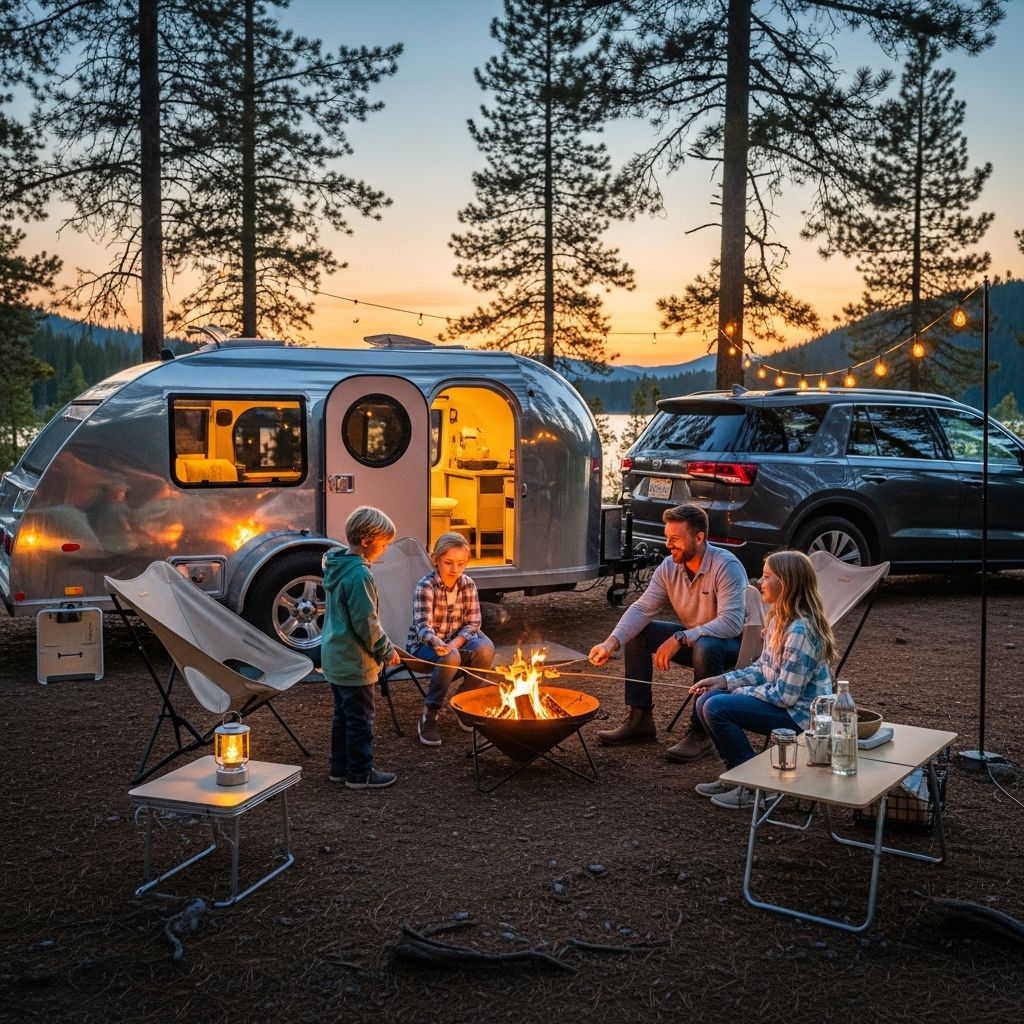
Most teardrop trailers are tiny, basic boxes: a mattress, a tiny kitchen, and not much else. The Bean teardrop, built in Salt Lake City, Utah, takes that same small footprint and rethinks it as a modern, rugged adventure pod. Instead of feeling cramped, it’s designed to feel like a compact, well-thought-out hotel room on wheels that can handle dirt roads and mountain passes just as easily as a paved campground.
- One-piece fiberglass shell that’s strong, lightweight, and weather-tight.
- Off-road suspension (like Timbren or similar) for rough terrain and better towing.
- Full outdoor kitchen with pass-through galley, not just a tiny cooktop.
- Designed to sleep three adults comfortably, not just two.
- Integrated solar and power options so you’re not chained to a campground.
This combination of durability, comfort, and smart layout is what turns the Bean from a simple weekend trailer into a genuine overlanding or family adventure machine.
Family-First Design: Sleeping Three in a Teardrop
One of the biggest hurdles with traditional teardrops is that they’re really built for two. The Bean solves that by stretching the interior just enough and using clever space planning so that three adults (or two adults plus kids) can sleep without feeling like sardines. The mattress is usually a full or queen size, and the cabin layout is optimized so that headroom and legroom are maximized, even with the low profile.
- Queen-sized foam mattress with good support for all-night comfort.
- Vertical headroom that lets adults sit up or change clothes without crouching.
- Storage nooks and cubbies built into the walls and under the bed for clothes, gear, and kids’ items.
- Optional interior lighting (often dimmable) so parents can move around at night without waking everyone.
For families, this means no more choosing between comfort and size. You can pack the whole crew into a small, easy-to-tow package and still have a decent night’s sleep.
Outdoor Kitchen That Feels Like Home
Where many teardrops give you a tiny counter and a single burner, the Bean treats the kitchen as a real outdoor living space. The pass-through galley opens on both sides, so one person can cook while another hands in supplies from inside the cabin. This makes meal prep faster, safer, and more social, especially when you’re camping with kids or a partner.
- Pass-through galley with counter space on both sides of the trailer.
- Standard two-burner stove, often with a cover that doubles as extra prep area.
- Optional sink and water system (fresh and gray tank) for real camp cooking.
- Ample storage for pots, pans, utensils, and food, so you’re not constantly unpacking a separate box.
Because the kitchen is fully outdoors, there’s no cooking smell trapped inside the cabin, and cleanup is easy. It also means you can keep the cabin cool in summer by doing most of the cooking outside, while still having shelter from wind or rain.
Off-Road Ready, Not Just Campground-Ready
Many small campers are fine on paved roads but feel sketchy on dirt, gravel, or mountain trails. The Bean is built from the ground up to be more capable, with features that matter when you’re chasing remote spots or dealing with rough access roads.
- Heavy-duty suspension (often Timbren or similar) that soaks up bumps and keeps the trailer stable.
- High ground clearance and rugged undercarriage to clear rocks and ruts.
- One-piece fiberglass shell that resists dents, leaks, and UV damage over years of use.
- Optional off-road tires and upgraded brakes for better control and safety.
This off-road focus means you’re not limited to RV parks or big campgrounds. You can pull into dispersed sites, national forest spots, or even private land where a larger RV would never fit, giving your family access to quieter, more scenic locations.
Power, Water, and Real Off-Grid Capability
A trailer that looks cool is one thing; one that actually lets you camp off-grid is another. The Bean offers several upgrades that turn it into a true self-contained unit, so you’re not dependent on hookups for more than a few days.
- Solar panel options (often 100–200W) paired with a lithium or AGM battery bank.
- Interior 12V outlets and USB ports for charging phones, lights, and small devices.
- Fresh water tank and gray water tank for sink use, plus optional outdoor shower.
- Propane system for the stove and, in some models, a small heater or fridge.
With these systems, a family can camp for a long weekend or even a week in the backcountry with minimal resupply. That freedom is a huge upgrade over basic teardrops that only work when you’re near power and water.
Smart Storage and Everyday Practicality
One of the quiet wins of the Bean is how much gear it can actually hold. Because it’s designed for real trips, not just showrooms, it includes thoughtful storage solutions that make packing and unpacking much easier.
- Large tongue box (often oversized) for bulky items like firewood, tools, or extra propane.
- Under-bed storage for clothes, sleeping bags, and camping gear.
- Interior cubbies and pockets for small items like toiletries, books, and kids’ toys.
- Exterior storage options like rear racks or side trays for bikes, kayaks, or coolers.
For families, this means fewer extra boxes or totes to haul behind the vehicle. The trailer itself becomes the main storage unit, keeping everything organized and protected from weather.
How It Tows: Size, Weight, and Vehicle Compatibility
Because the Bean is a teardrop, it’s much lighter and smaller than a traditional travel trailer, which opens up a lot of vehicle options. Most models fall in the 1,500–2,000 lb dry weight range, so they can be towed by a wide range of SUVs, trucks, and even some larger crossovers.
- Dry weight typically between 1,500–2,000 lbs, depending on model and options.
- GVWR (gross vehicle weight rating) that stays within the towing capacity of many mid-size SUVs and trucks.
- Compact length and width that makes backing up, parking, and storing much easier than a large RV.
- Good aerodynamics and low profile that reduce wind resistance and improve fuel economy while towing.
This makes the Bean a realistic option for families who don’t own a heavy-duty truck but still want a capable, comfortable camper.
Customization: Making It Your Own
Bean offers several trailer models (like the Classic Bean, Bean Stock, Mean Bean, etc.) and a range of factory options so you can tailor the trailer to your family’s style and budget.
- Choice of interior finishes, colors, and fabrics to match your taste.
- Optional upgrades like larger solar, bigger water tanks, or an outdoor shower.
- Choice of kitchen layout, storage configuration, and lighting packages.
- Special edition or limited-run models with unique features or themes.
Because it’s built to order, you can prioritize what matters most: more power for off-grid trips, more storage for gear, or a simpler, lighter setup for weekend getaways.
Real-World Use: Weekends, Road Trips, and Family Adventures
The Bean really shines when you use it the way it’s designed: for frequent, flexible trips. Whether it’s a quick Friday night escape, a multi-week road trip, or a series of backcountry overlanding adventures, the trailer’s combination of comfort and capability pays off.
- Easy to hook up and unhitch, so short trips feel low-effort.
- Compact size that fits in driveways, garages, or small storage units.
- Durable construction that holds up to regular use, not just occasional camping.
- Family-friendly layout that keeps everyone comfortable, even on longer trips.
For parents, that means less stress about packing and setup, and more time actually enjoying the outdoors with kids.
Pros and Cons at a Glance
| Pros | Cons |
|---|---|
| Modern, rugged design with one-piece fiberglass shell | Higher price than basic teardrops or DIY builds |
| Off-road suspension and high ground clearance | Limited interior space compared to larger travel trailers |
| Pass-through galley and full outdoor kitchen | Lead times can be several months due to custom builds |
| Designed to sleep three adults comfortably | Not ideal for full-time living or very long trips without upgrades |
| Good off-grid capability with solar and water options | Requires a capable tow vehicle (SUV, truck, or large crossover) |
FAQs
Can a Bean trailer really sleep three adults?
Yes, most Bean models are designed around a queen-sized mattress and an interior layout that maximizes usable space, so three adults can sleep comfortably, especially if they’re not extremely tall. It’s tighter than a large RV, but much more livable than a typical two-person teardrop.
What kind of vehicle do I need to tow a Bean trailer?
A mid-size SUV, truck, or large crossover with a towing capacity of at least 2,500–3,000 lbs is usually sufficient. Always check your vehicle’s specific towing specs and the Bean model’s GVWR to ensure a safe match.
Is the Bean trailer good for off-road camping?
Yes, Bean trailers are built with off-road capability in mind, including heavy-duty suspension, high ground clearance, and a rugged one-piece shell. They’re well suited for forest roads, gravel tracks, and dispersed camping, though extreme rock crawling is still best left to dedicated overland rigs.
How long is the wait time for a custom Bean trailer?
Wait times vary by model and options, but they’re often in the range of several months (e.g., 3–6 months or more) because each trailer is built to order. It’s best to contact Bean directly for current lead times when placing an order.
Can I camp off-grid with a Bean trailer?
Absolutely. With solar panels, a battery bank, fresh and gray water tanks, and a propane system, a Bean can support off-grid camping for several days to a week, depending on usage. Adding an outdoor shower and extra storage makes it even more self-sufficient.