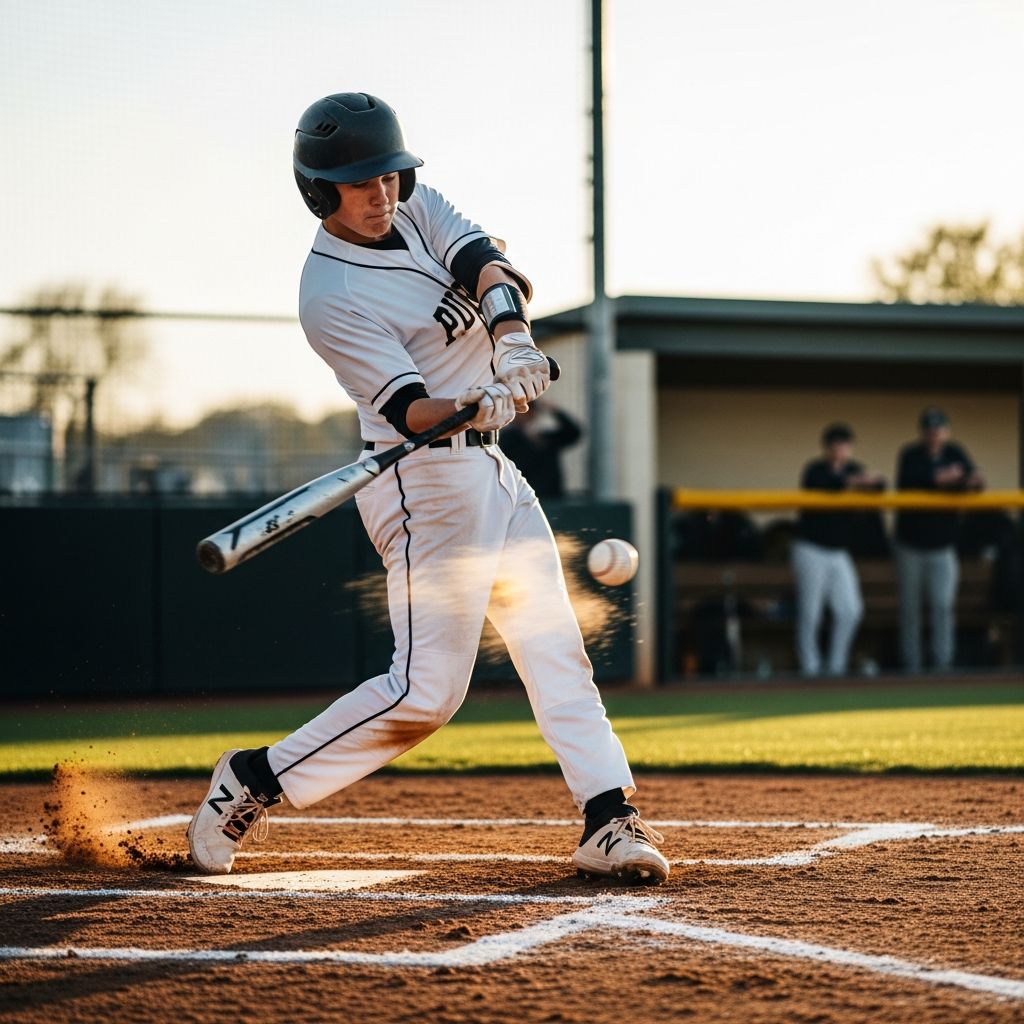
Baseball is a sport built on speed, power, and split-second decisions. That combination makes it exciting, but it also means that one careless moment can lead to an avoidable injury. Learning smart safety habits lets you enjoy the game, improve your skills, and protect your long-term health at the same time.
This guide breaks down practical, teen-focused tips to keep you safer every time you step onto the diamond — whether you play on a school team, in a league, or just for fun with friends.
Why Baseball Safety Matters
Fast-moving balls, swinging bats, sliding into bases, and repetitive throwing all create chances for injuries. Head and face injuries are especially common without proper protection, and overuse of the shoulder or elbow can cause problems that last long after the season ends.
Making safety a priority helps you:
- Avoid serious injuries like concussions, broken bones, or eye damage.
- Prevent overuse problems such as shoulder and elbow pain from repetitive throwing.
- Perform better by staying healthy, flexible, and focused all season.
- Enjoy the game more without worrying about preventable accidents.
Essential Protective Gear (and How to Use It Right)
Wearing the right equipment every time you practice or play is one of the simplest ways to protect yourself. Gear only works if it fits correctly and is used consistently.
Core Gear Every Player Should Have
- Batting helmet with face and eye protection
- Wear a helmet when batting, waiting on deck, and running the bases.
- Choose a helmet with a face guard or eye protectors (such as safety goggles or built-in shield) to reduce facial and eye injuries.
- Helmet should fit snugly, sit level on your head, and not wobble when you move.
- Glove and protective eyewear
- Use a glove sized correctly for your position and hand.
- If you wear glasses or contacts, consider sports goggles or shatter-resistant lenses.
- Athletic supporter and cup
- Essential for anyone playing catcher, infield, or pitching.
- Helps prevent serious groin injuries from balls or collisions.
- Cleats
- Choose molded rubber or plastic cleats; many youth leagues ban metal spikes due to higher injury risk.
- Cleats should be snug but comfortable to reduce slips and ankle injuries.
Extra Protection by Position
| Position | Recommended Extra Gear | Why It Helps |
|---|---|---|
| Catcher | Face mask, throat guard, chest protector, shin guards, catcher’s mitt, cup | Protects from foul tips, wild pitches, and collisions at the plate. |
| Pitcher | Properly fitted glove, possible protective headgear (league dependent) | Reduces impact from line drives and overuse injuries with good mechanics. |
| Infield | Mouthguard, cup | Helps prevent dental and groin injuries from hard-hit ground balls. |
| Outfield | Cap or sunglasses, optional mouthguard | Improves vision in bright sunlight and protects teeth on diving plays. |
Warm-Up, Stretching, and Conditioning
Jumping into hard throws or full-speed sprints without preparing your body increases the chance of muscle strains and joint injuries. A routine warm-up and basic conditioning program can dramatically reduce those risks.
Pre-Game and Pre-Practice Routine
Try to arrive early enough to complete a simple sequence like:
- Light cardio (5–10 minutes) — jogging, high knees, or easy shuffles to raise your heart rate.
- Dynamic stretches — leg swings, arm circles, lunges with a twist.
- Position-specific warm-up — gradually build up throwing distance and speed; start with short, easy tosses.
Staying in Shape During the Season
- Keep up with cardio fitness (jogging, cycling, or other sports) to handle long games and tournaments.
- Include core and shoulder strengthening to support your throwing arm and reduce overuse injuries.
- On days off, do light stretching or mobility work rather than complete inactivity.
Safe Throwing and Pitching Habits
Repetitive throwing, especially for pitchers, places a lot of stress on the shoulder and elbow. Following age-appropriate guidelines and listening to pain signals is critical.
Guidelines for Pitchers and Frequent Throwers
- Follow your league’s pitch count and rest rules (for example, Little League enforces daily pitch limits and required rest days).
- Do not pitch on multiple teams in the same season without talking to a sports medicine professional or coach about total workload.
- Avoid learning or using advanced breaking pitches (like heavy curveballs or sliders) too early; they place extra stress on growing joints.
- Stop immediately and tell an adult if you feel pain, loss of strength, or unusual fatigue while throwing.
Healthy Throwing Technique
Coaches and athletic trainers can teach safe mechanics, but some basics include:
- Use a smooth throwing motion instead of snapping your arm suddenly.
- Release the ball out in front of your body after your arm passes your head.
- Keep your eyes on the target to improve accuracy and reduce awkward movements.
Field Awareness and Playing Smart
Many baseball injuries happen not because of a lack of skill, but due to miscommunication, horseplay, or not paying attention to what is happening on the field.
Situational Awareness
- Always know where the ball is and where your teammates are positioned.
- Call loudly for fly balls to avoid collisions (“Mine!” or “I got it!”).
- Never walk behind or near someone who is swinging a bat; stay in designated warm-up areas.
- Listen for coaches’ signals and instructions before each pitch.
Safe Sliding and Base Running
- Practice sliding techniques with supervision before trying them in a game.
- Do not slide headfirst in youth and teen leagues unless your league specifically teaches and allows it; feet-first is safer for younger players.
- Use or advocate for break-away bases that detach when hit hard, reducing ankle and leg injuries when sliding.
- Stay in the base path and avoid intentionally colliding with fielders.
Hydration, Heat, and Sun Safety
Games and practices often happen in hot, sunny weather. Dehydration, heat-related illness, and sunburn are common but largely preventable with a few smart habits.
Hydration Basics
- Drink water before, during, and after activity, not just when you feel thirsty.
- On hot or humid days, take more frequent water breaks; sports drinks may help replace electrolytes during long or intense games.
- Avoid energy drinks or high-caffeine beverages around games because caffeine can contribute to dehydration.
Protecting Your Skin and Eyes
- Use a broad-spectrum sunscreen of SPF 15 or higher; reapply every 2–4 hours or after heavy sweating.
- Choose sweat- and water-resistant formulas for long practices.
- Wear a hat or visor and consider sunglasses with UV protection to help track fly balls in bright sun.
Environment and Equipment Checks
A quick look around the field before practice or a game can prevent trips, falls, and collisions.
Inspecting the Field
- Scan the outfield and infield for holes, rocks, broken glass, or debris; remove or mark any hazards.
- Check that bases are secure or that break-away bases are installed properly.
- Make sure fences, backstops, and dugouts are in good repair without sharp edges or protruding nails.
Checking Your Gear
- Look over bats, balls, and gloves for cracks, broken laces, or other damage.
- Replace helmets that are cracked or have damaged padding; follow your league’s replacement guidelines.
- Do not alter safety equipment (for example, drilling holes or using harsh chemicals or paints) because this can weaken materials.
When Pain or Injury Happens
Even with perfect safety habits, injuries can still occur. Knowing how to respond helps prevent small issues from becoming serious problems.
Speak Up Early
- Tell a coach, parent, or athletic trainer right away if you feel pain, dizziness, or something “just isn’t right.”
- Do not try to “tough it out” or hide injuries to stay in the game; playing through pain can lead to long-term damage.
- If you have a history of asthma, heart problems, or other medical conditions, make sure your coach knows and that your inhaler or medications are available.
Basic First Aid and RICE
For many minor sports injuries such as sprains or strains, the RICE method is commonly recommended:
- Rest — Stop playing to avoid further damage.
- Ice — Apply cold packs to reduce pain and swelling (usually 15–20 minutes at a time with a barrier between ice and skin).
- Compress — Use an elastic bandage (not too tight) if advised.
- Elevate — Raise the injured area above heart level when possible.
Seek medical care right away if you notice:
- Severe pain, obvious deformity, or inability to move a limb.
- Head injury with confusion, vomiting, or loss of consciousness (possible concussion).
- Persistent pain or swelling that does not improve with rest.
The Role of Coaches, Parents, and Teammates
Safety works best when everyone on the team is committed to it. Adults and teammates create the environment that either supports or undermines safe behavior.
How Adults Can Help
- Ensure players get a pre-participation physical exam before starting a season of competitive play.
- Enforce rules about helmets, safe sliding, and pitch counts every time.
- Provide supervision at all practices and games, with someone trained in first aid and CPR available whenever possible.
- Keep a stocked first-aid kit easily accessible in the dugout.
Being a Safety-Minded Teammate
- Encourage friends to wear their gear correctly, even during informal scrimmages.
- Support teammates who report injuries instead of pressuring them to keep playing.
- Avoid clowning around with bats, balls, or equipment, especially in the dugout and on-deck areas.
Keeping Baseball Fun and Low-Stress
Pressure to win, fear of losing a spot, or trying to impress coaches can tempt players to ignore pain or skip safety steps. Remember that youth and teen sports are about learning, staying active, and enjoying the game.
- Focus on skill development and teamwork over perfect stats.
- Talk with your coach if you feel overwhelmed, burned out, or pressured to play through injuries.
- Balance baseball with school, sleep, and downtime to protect your mental and physical health.
Frequently Asked Questions (FAQs)
Do I really need a helmet even in casual or backyard games?
Yes. Any time someone is pitching, hitting, or swinging a bat, a batting helmet with proper protection significantly reduces the risk of head and facial injuries. Serious injuries can happen even at low speeds.
How can I tell if I might have a concussion from being hit in the head?
Warning signs include headache, dizziness, confusion, nausea, trouble remembering plays, or feeling “out of it.” If you suspect a concussion, stop playing immediately and get evaluated by a healthcare professional.
Is it okay to use metal spikes if my league allows them?
Youth and many teen leagues prefer molded or rubber cleats because they lower the risk of cuts and serious foot or leg injuries from accidental contact. Follow your league rules and talk with a coach or athletic trainer about what is safest for your level.
How much water should I drink during a game?
Start hydrated by drinking water before warm-ups, then take small, regular sips during every break or between innings. Drink again after the game. In hot weather or long tournaments, you may also use sports drinks to replace electrolytes.
When should a pitcher stop throwing and see a doctor?
A pitcher should stop immediately if there is pain in the elbow or shoulder, loss of control or speed, numbness, or any popping sensation. Persistent pain, especially if it returns when throwing, should be checked by a sports medicine professional.
References
- Baseball and Softball Safety — Rush University Medical Center. 2022-03-01. https://www.rush.edu/news/baseball-and-softball-safety
- Baseball & Softball – Safety Tips — UPMC Children’s Hospital of Pittsburgh. 2023-05-10. https://www.chp.edu/injury-prevention/safety/sports/baseball
- Sports Injury Prevention: Baseball — Boston Children’s Hospital. 2023-04-18. https://www.childrenshospital.org/sports-injury-prevention/baseball
- 5 Safety Tips for Baseball Players and Coaches — Valley Children’s Healthcare. 2025-05-02. https://www.valleychildrens.org/blog/5-safety-tips-baseball-players-and-coaches
- 7 Tips for Safer Youth Baseball — NJM Insurance Group. 2022-04-05. https://blog.njm.com/7-tips-for-safer-youth-baseball
- Baseball Safety • Keeping Kids Safe and Not Out — ActiveKidMD / OC Sports Medicine. 2021-06-15. https://activekidmd.com/baseballsafety/
- Medical and Safety Resources — USA Baseball. 2022-08-01. https://www.usabaseball.com/about/medical-and-safety