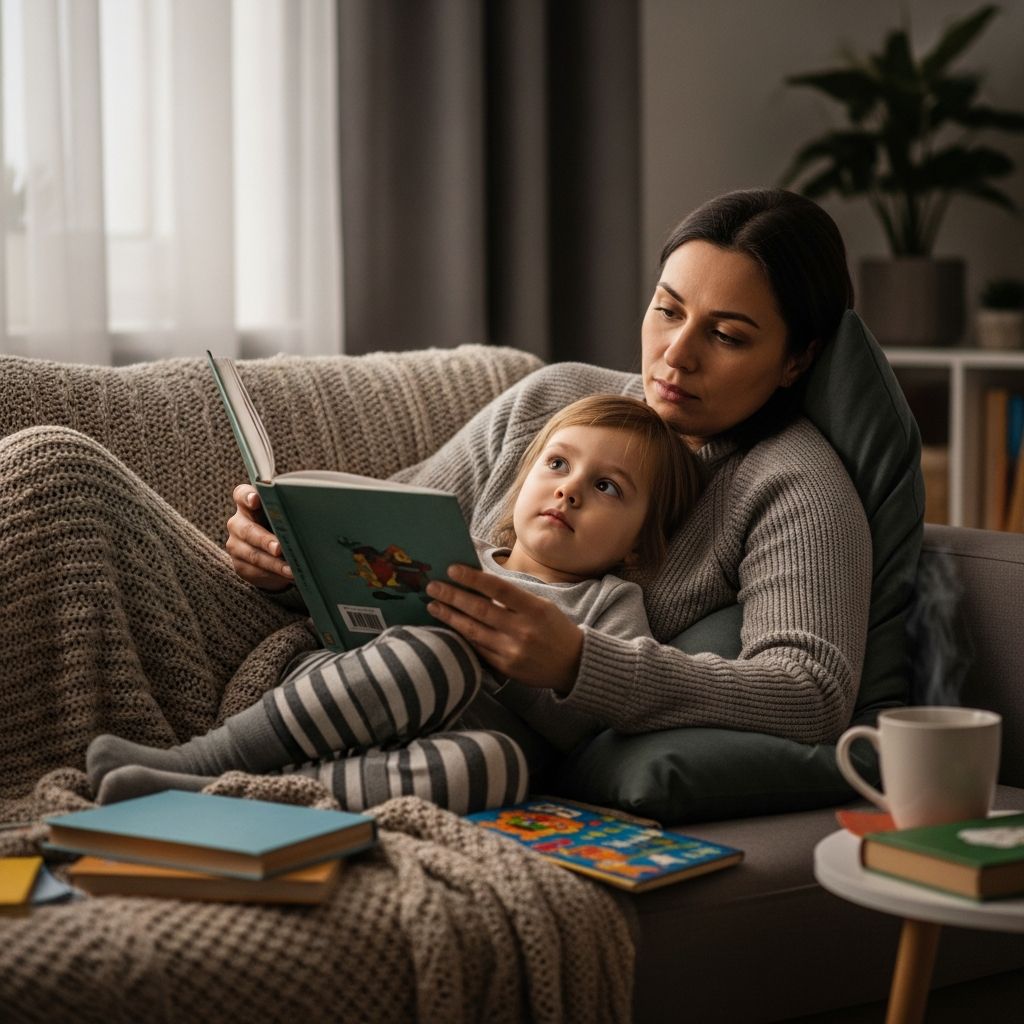
Modern parents often seek a middle ground between rigid discipline and unchecked leniency. Balanced parenting, sometimes dubbed gentle-ish, emerges as a pragmatic philosophy that fosters deep emotional bonds while enforcing necessary structure. This approach acknowledges parental limits and child development stages, promoting empathy alongside accountability for sustainable family harmony.
Understanding the Shift to Balanced Parenting
Parenting evolves with societal needs, and balanced parenting reflects today’s realities. Unlike purely gentle methods that emphasize unwavering empathy, this style allows flexibility for high-stress moments. Parents validate emotions but guide behavior firmly, creating secure attachments without sacrificing authority.
- Core Philosophy: Prioritize understanding while maintaining leadership.
- Key Difference: Permits occasional frustration expression from parents, modeling authentic emotional regulation.
- Target Audience: Busy families balancing work, multiple children, and personal well-being.
Research indicates that such adaptive styles reduce child anxiety and enhance social skills, as children learn emotions are valid yet manageable.
Foundational Principles of Gentle-ish Discipline
At its heart, balanced parenting rests on empathy-driven guidance. Parents view misbehavior as communication, responding with curiosity rather than correction. This builds trust, essential for long-term resilience.
| Principle | Description | Real-World Benefit |
|---|---|---|
| Empathy First | Acknowledge child’s feelings before addressing actions. | Reduces tantrums by 30-50% through validation. |
| Firm Boundaries | Set clear, consistent limits with natural consequences. | Promotes self-control and responsibility. |
| Modeling Behavior | Demonstrate calm responses in conflicts. | Children mirror emotional regulation skills. |
| Flexible Enforcement | Adapt rules to context, allowing ‘ish’ moments. | Prevents parental burnout and resentment. |
These pillars ensure children feel seen while learning societal expectations, leading to better academic outcomes and peer relationships.
Why Parents Are Embracing This Flexible Model
Surveys reveal overwhelming preference for balanced approaches among parents facing daily pressures. It counters extremes: authoritarian styles breed rebellion, permissive ones foster entitlement. Gentle-ish offers emotional intelligence training without exhaustion.
- Stronger family ties through mutual respect.
- Improved child self-awareness and stress management.
- Reduced power struggles, saving parental energy.
Experts note that children in empathetic yet structured homes exhibit fewer behavioral issues and higher self-esteem into adolescence.
Practical Strategies for Everyday Implementation
Applying balanced parenting transforms chaos into cooperation. Start small: during meltdowns, pause, name the emotion (“You’re furious because bedtime interrupts play”), then redirect (“Let’s read a story to wind down”).
- Morning Routines: Offer choices within limits, like outfit options, to build autonomy.
- Mealtime Battles: Validate hunger frustration, enforce ‘one bite’ rules calmly.
- Sibling Squabbles: Facilitate apologies and shared problem-solving sessions.
- Tech Limits: Co-create screen-time contracts with input from kids.
For working parents, batch-prep empathy scripts: “I get it, this is tough. Here’s our plan.” Consistency yields confident kids who self-regulate.
Navigating Challenges and Common Pitfalls
No style is flawless. Critics argue gentle-ish risks inconsistency, potentially confusing children. Counter this with visual charts tracking rules and consequences.
- Pitfall: Over-Validation – Balance with action: “I hear you; now clean up.”
- Pitfall: Parental Guilt – Self-care is mandatory; model boundaries by saying no.
- Pitfall: Partner Disconnect – Align on core rules via weekly check-ins.
Studies affirm that even imperfect empathetic parenting outperforms punitive methods in fostering secure attachments and emotional health.
Long-Term Outcomes for Children and Families
Balanced parenting invests in futures. Kids develop independence, navigating goals autonomously with high self-esteem. Families report deeper communication, fewer conflicts, and joyful bonds.
| Age Group | Observed Benefits |
|---|---|
| Toddlers | Lower anxiety, better social responses. |
| School-Age | Superior academic performance, peer skills. |
| Teens | Resilience in risks, strong parental trust. |
Proponents highlight lifelong ripples: emotionally intelligent adults with healthy relationships.
Real Parent Stories: Gentle-ish in Action
Consider Sarah, a mom of two: “Pure gentle felt impossible during exhaustion. Adding firm ‘no’s’ with hugs worked wonders.” Or Mike: “My kids now apologize proactively, understanding impacts.” These anecdotes underscore adaptability’s power.
Frequently Asked Questions
What sets balanced parenting apart from strict gentle parenting?
It incorporates realistic flexibility, allowing parental humanity while upholding empathy and boundaries for sustainable practice.
Does this approach work for strong-willed children?
Yes, by channeling energy through choices and consequences, it builds self-regulation without breaking spirits.
How do I handle public meltdowns?
Stay calm, validate quietly (“I see you’re upset”), remove to calm space, then debrief later.
Can single parents adopt gentle-ish methods?
Absolutely; focus on connection rituals like daily check-ins to amplify impact despite solo challenges.
What if my child exploits empathy?
Enforce pre-set consequences consistently, reinforcing that feelings don’t negate responsibility.
Building Your Balanced Parenting Toolkit
Success demands tools: journals for reflection, apps for routine tracking, communities for support. Prioritize sleep and self-compassion—parental regulation precedes child’s.
Balanced parenting isn’t perfection; it’s progress. By blending heart with structure, parents craft resilient families thriving amid modern demands.
References
- What Is Gentle Parenting? Core Tenets, Pros, And Cons — BetterHelp. 2023. https://www.betterhelp.com/advice/parenting/what-is-gentle-parenting/
- Gentle Parenting: What It Is, How It Can Help, and Possible Drawbacks — Brown University Health. 2023. https://www.brownhealth.org/be-well/gentle-parenting-what-it-how-it-can-help-and-possible-drawbacks
- Gentle parenting — EBSCO Research Starters. 2024. https://www.ebsco.com/research-starters/social-sciences-and-humanities/gentle-parenting
- Gentle Parenting: Debunking the Misconceptions — Bozeman Counseling. 2024-09-27. https://www.bozemancounseling.org/blog/2024/9/27/gentle-parenting-debunking-the-misconceptions
- Buzzwords Explained: What is Gentle Parenting — ZERO TO THREE. 2023. https://www.zerotothree.org/resource/distillation/buzzwords-explained-gentle-parenting/
- What Is Gentle Parenting? — Cleveland Clinic Health Essentials. 2023. https://health.clevelandclinic.org/what-is-gentle-parenting