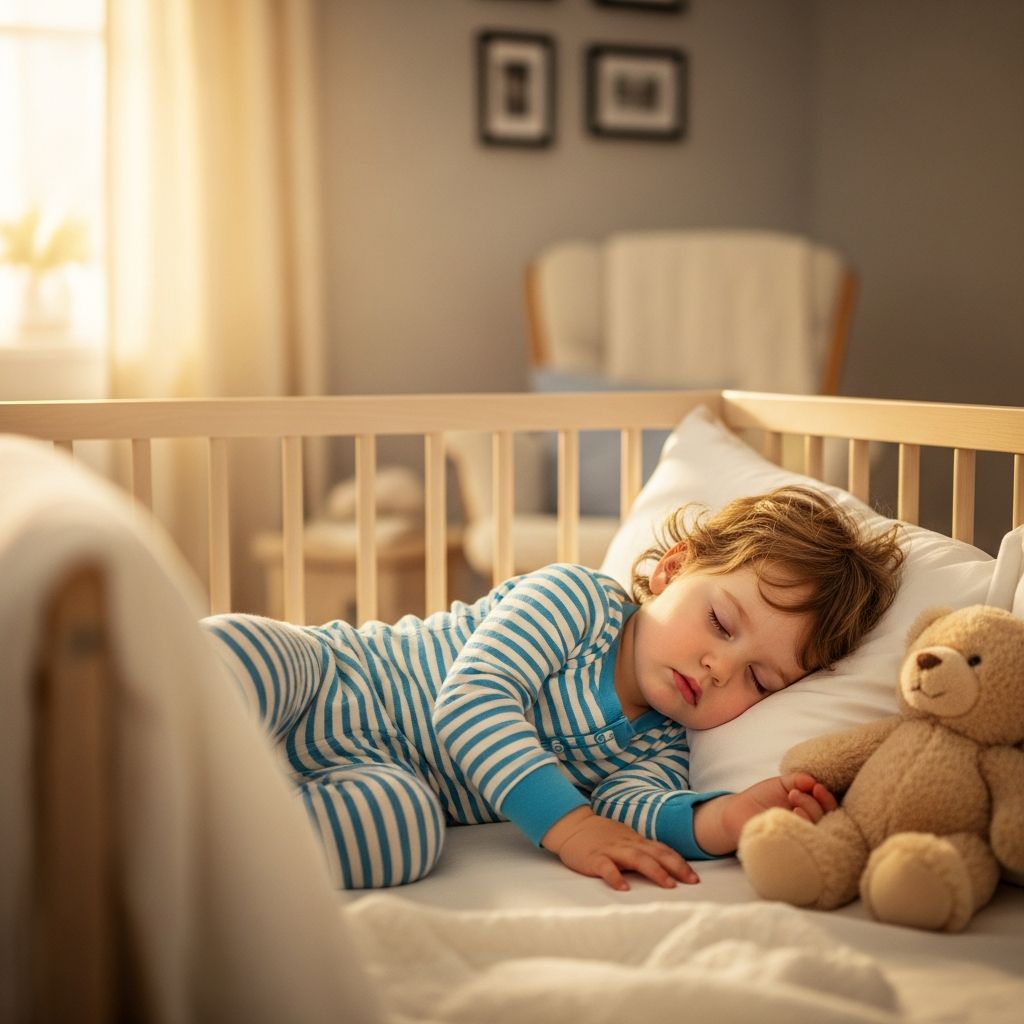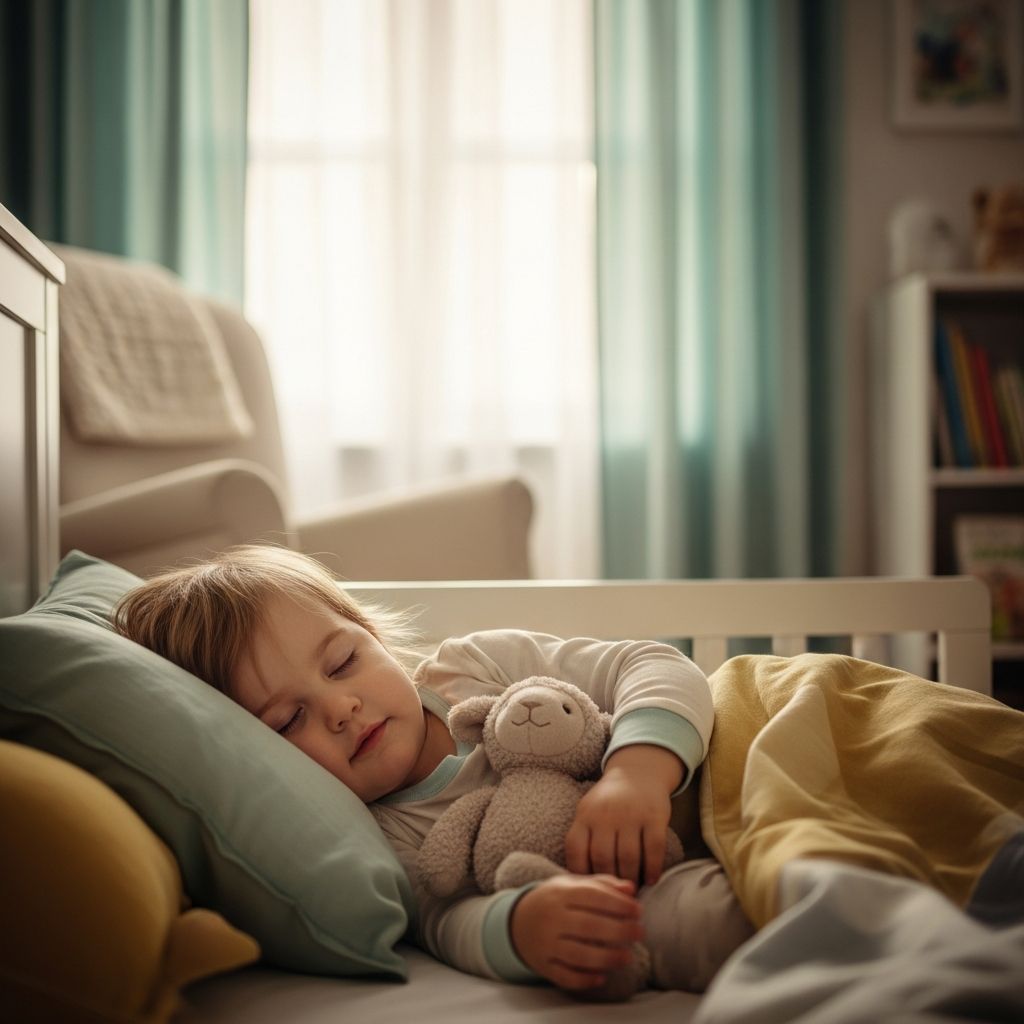
Transitioning children from relaxed summer nights to structured school-year sleep patterns is crucial for their cognitive development, emotional stability, and physical health. Quality rest directly influences attention spans, memory retention, and stress management, setting the foundation for academic achievement.
Understanding Age-Appropriate Sleep Needs
Every child requires a specific amount of nightly rest based on developmental stage to support growth and learning. Insufficient sleep can impair focus and heighten irritability, while adequate hours promote resilience and productivity.
| Age Group | Recommended Sleep Duration | Key Benefits |
|---|---|---|
| Preschoolers (3-5 years) | 10-13 hours | Supports rapid brain development and emotional regulation |
| School-age (6-13 years) | 9-12 hours | Enhances memory consolidation and academic performance |
| Teens (14-17 years) | 8-10 hours | Regulates mood and counters hormonal shifts |
Calculate ideal bedtimes by subtracting required hours from morning wake-up times, accounting for school buses or start bells. Consistency across weekdays and weekends reinforces the body’s internal clock, or circadian rhythm.
Gradual Shift to School Sleep Cycles
Abrupt changes shock the system; instead, initiate adjustments two to three weeks prior. Advance bedtime and wake-up by 10-15 minutes every 2-3 days until aligned with school demands.
- Week 1: Shift 15 minutes earlier daily, maintaining morning light exposure to reset rhythms.
- Week 2: Incorporate family-wide changes for mutual support and modeling.
- Final Days: Lock in routine with positive reinforcement like stickers for compliance.
This incremental approach minimizes resistance and ensures children arrive at school refreshed, smiling for those milestone photos. Natural morning sunlight exposure accelerates circadian realignment.
Designing Relaxing Evening Wind-Down Rituals
A predictable sequence of calming activities cues the brain for rest, reducing time to fall asleep. Aim for 30-60 minutes of screen-free zone starting 1-2 hours before lights out.
- Warm bath or shower to lower core body temperature.
- Gentle hygiene: brushing teeth, moisturizing.
- Quiet bonding: storytelling, soft lullabies, or cuddles.
- Reflection: light journaling or gratitude sharing for older kids.
- Dim lights and soothing sounds to ease into slumber.
Avoid stimulating play or arguments; focus on tranquility. For teens, incorporate mindfulness apps with audio guides, but only post-screen curfew.
Optimizing the Bedroom for Restful Nights
The sleep space must promote uninterrupted rest. Transform it into a cool, dark sanctuary free from distractions.
- Darkness: Blackout curtains block streetlights and dawn rays.
- Cool Temperature: Set thermostat to 60-67°F (15-19°C) for optimal comfort.
- Quiet Ambiance: White noise machines mask household sounds; avoid evening chores nearby.
- Comfort Essentials: Supportive mattress, breathable bedding, minimal clutter.
Reserve beds strictly for sleep—no homework or gadgets—to strengthen sleep associations.
Daytime Habits That Boost Nighttime Sleep
Morning and afternoon choices profoundly impact evening drowsiness. Strategic activity builds sleep pressure naturally.
| Time of Day | Recommended Actions | Rationale |
|---|---|---|
| Morning | Natural sunlight, balanced breakfast | Triggers alertness hormones, stabilizes appetite |
| Afternoon | 60 minutes moderate exercise, limited naps (<30 min) | Increases deep sleep stages, prevents grogginess |
| Evening | No caffeine post-noon, light dinner 3 hours pre-bed | Prevents arousal from stimulants or digestion |
Balance extracurriculars to preserve downtime; overscheduling correlates with sleep deficits in adolescents.
Combating Screen Time Interference
Blue light from devices suppresses melatonin, the sleep hormone, delaying onset by hours. Enforce a 60-90 minute “tech blackout” with family charging stations outside bedrooms.
- Replace scrolling with board games or hobbies.
- Use night mode filters if essential, but prioritize disconnection.
- For resistant teens, link privileges to compliance.
Studies affirm that screen-free evenings yield faster sleep initiation and superior quality.
Addressing Common Sleep Challenges by Age
Young Children (3-5 Years)
Bedtime resistance peaks here; use reward charts and consistent enforcement. Night terrors? Comfort without full wake-up.
School-Agers (6-13 Years)
Homework battles spill into late nights—prioritize completion earlier. Fostering independence in routines builds lifelong habits.
Teenagers (14-17 Years)
Shifted circadian rhythms make early rises tough. Promote later weekend wake-ups but cap at 2-hour drifts; consider morning light therapy.
Persistent issues warrant pediatric consultation for underlying factors like sleep apnea.
Family Involvement and Long-Term Success
Parental modeling amplifies adherence—align family schedules to demonstrate commitment. Track progress via shared calendars, celebrating milestones.
CBT-I techniques, like stimulus control, offer evidence-based solutions for chronic issues, outperforming meds long-term.
Frequently Asked Questions
What if my child refuses the new schedule?
Stay firm yet empathetic; use visual timers and incentives. Gradual shifts reduce pushback over time.
Can weekends differ from school nights?
Limit shifts to 1-2 hours max to preserve rhythm continuity.
How soon before school to start?
Two weeks ideal for smooth adaptation without stress.
Is melatonin safe for kids?
Consult a doctor first; prioritize behavioral strategies.
What about nap times?
Cap at 30 minutes early afternoon for young ones; eliminate for school-agers.
References
- Back to School Sleep Tips: Routines, Schedules, & Sleep Hygiene — Sleep Foundation. 2023. https://www.sleepfoundation.org/school-and-sleep/back-to-school-sleep-tips
- How to get your kids back on a school sleep schedule — American Academy of Sleep Medicine (via YouTube/Dr. Pilar Bradshaw). 2023. https://www.youtube.com/watch?v=4hBBhMlx4gA
- Get Your Child’s Sleep Schedule Back on Track Before School — Frederick Health. 2025-07. https://www.frederickhealth.org/news/2025/july/get-your-childs-sleep-schedule-back-on-track-bef/
- Back-to-School Sleep Tips — Kaiser Permanente. 2023. https://mydoctor.kaiserpermanente.org/mas/news/back-to-school-sleep-tips-2769805
- The Back-to-School Sleep Reset: A Guide to Your Child’s Well-being — Plena Mind. 2023. https://plenamind.com/blog/the-back-to-school-sleep-reset-a-guide-to-your-childs-well-being/
- Back to School Bedtime Routines and Strategies for Parents — Great Hearts America. 2023. https://arizona.greatheartsamerica.org/back-to-school-bedtime-routines-and-strategies-for-parents/
- Back to School Sleep Tips — National Sleep Foundation. 2023. https://www.thensf.org/back-to-school-sleep-tips/