By the time children reach 10 years old, they should possess a toolkit of practical abilities that enable them to navigate daily life with growing independence. These skills span household chores, personal safety, social interactions, and basic self-care, laying the groundwork for responsible adulthood. Drawing from child development principles, this guide outlines 20 key competencies, offering parents actionable strategies to teach them effectively.
Why Life Skills Matter in Early Childhood
Mastering life skills during the elementary years boosts children’s confidence, problem-solving abilities, and emotional resilience. Research from early education experts emphasizes that routines and hands-on practice help kids internalize habits like organization and empathy, reducing parental workload while preparing children for real-world challenges. Starting early ensures these behaviors become second nature, fostering self-reliance without overwhelming young minds.
Household Management Skills
Teaching kids to contribute to home upkeep instills responsibility and organizational habits. Begin with simple tasks and gradually increase complexity to match their growing capabilities.
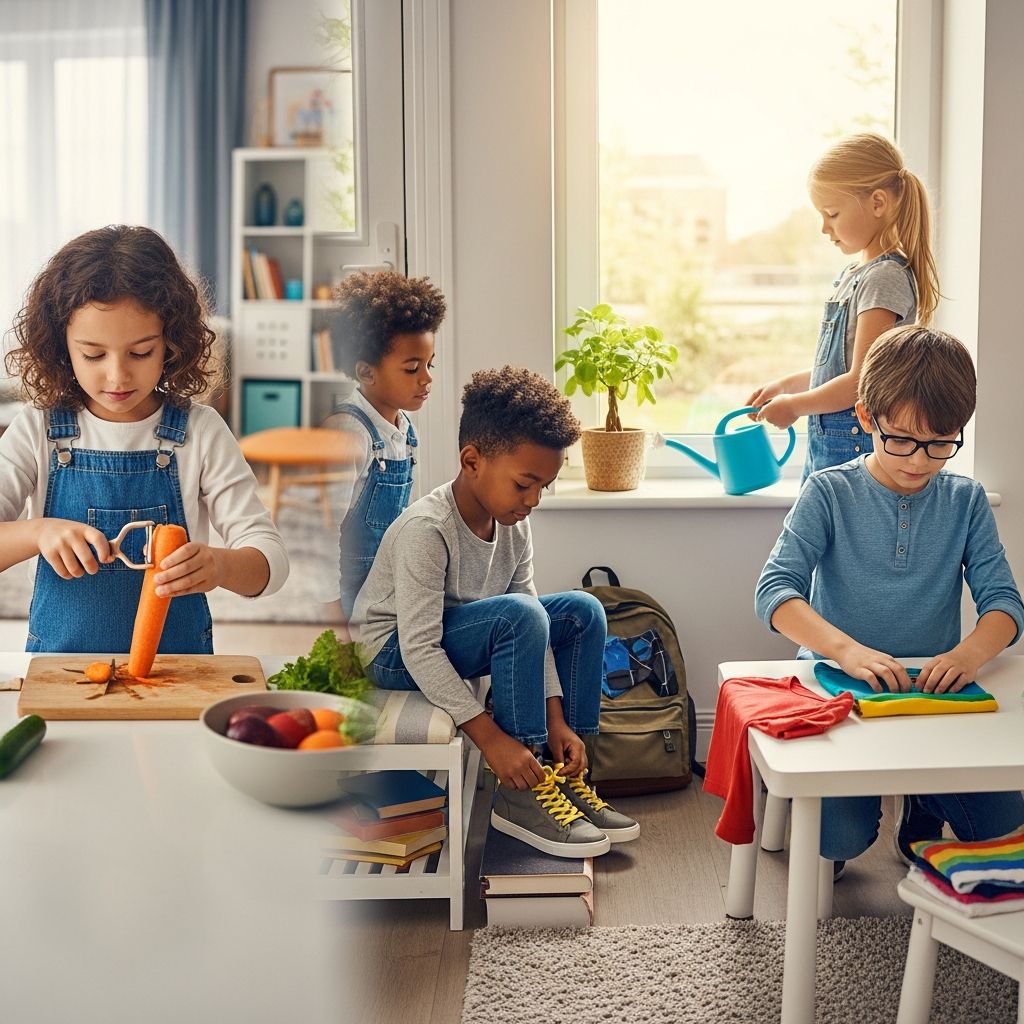
- Cleaning Personal Spaces: Children should independently tidy their rooms, including making beds, dusting surfaces, and organizing toys or clothes. Use timers for fun challenges to build speed and thoroughness.
- Laundry Basics: Sort clothes by color, load the washer, and fold simple items like towels or t-shirts. Supervised practice prevents mishaps and teaches care for fabrics.
- Dish Handling: Load and unload dishwashers or wash dishes by hand, dry them properly, and put them away. This promotes hygiene and appreciation for shared spaces.
Kitchen and Nutrition Competencies
Basic cooking empowers kids to make healthy choices and reduces reliance on processed foods. Start with no-cook recipes before introducing heat sources under supervision.
- Simple Meal Prep: Prepare snacks like fruit salads, sandwiches, or yogurt parfaits. Teach measuring ingredients to develop math skills alongside culinary ones.
- Table Setting and Etiquette: Arrange utensils correctly—fork left, knife and spoon right, napkin on lap—and clear plates post-meal. Role-play family dinners to practice politeness, like saying ‘please’ and ‘thank you’.
- Grocery List Planning: Help create shopping lists based on weekly menus, identifying healthy options like vegetables over sugary snacks.
Personal Hygiene and Self-Care Routines
Good hygiene prevents health issues and builds self-esteem. Make it engaging with songs or rewards to encourage daily adherence.
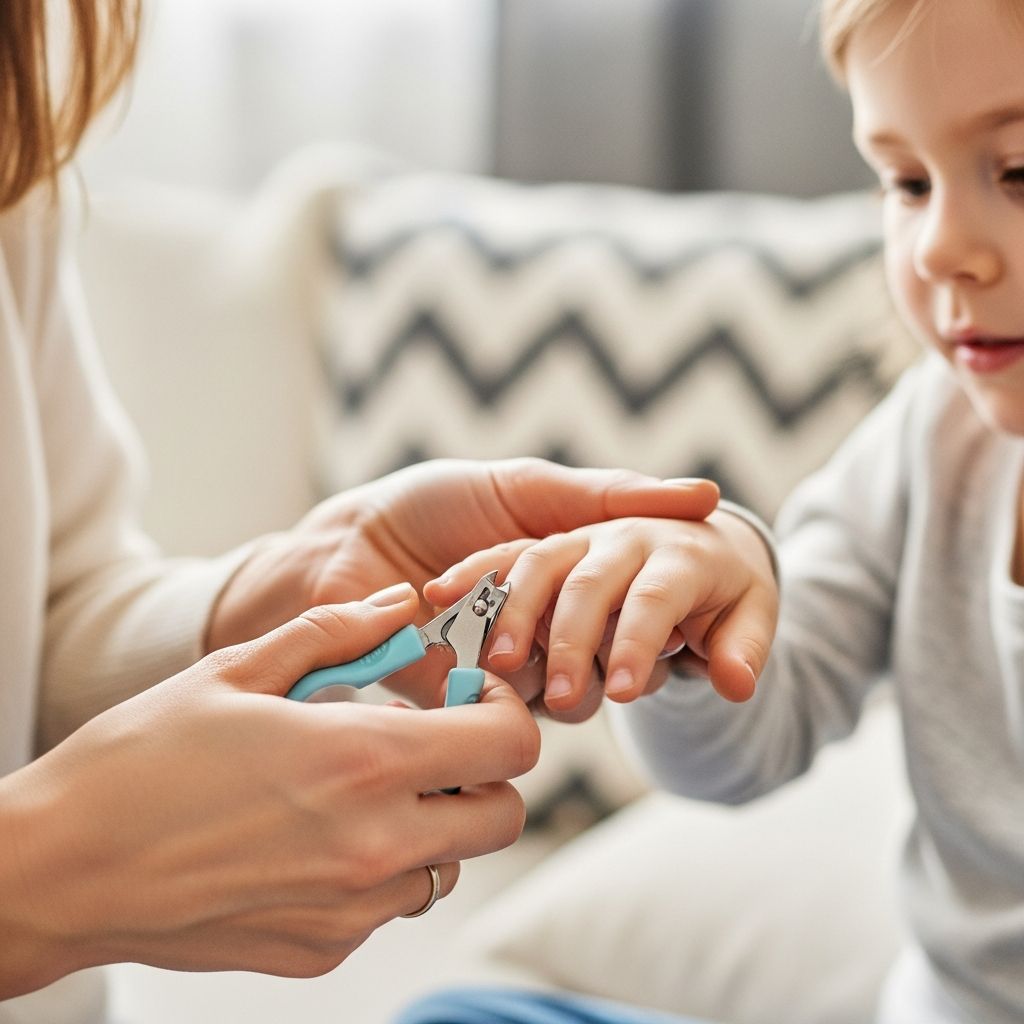
- Daily Grooming: Brush teeth twice daily for two minutes, floss, shower independently, and style hair. Demonstrate proper techniques and let them lead routines.
- Clothing Care: Select weather-appropriate outfits, iron minor wrinkles, and polish shoes. This ties into decision-making and pride in appearance.
- Health Monitoring: Recognize signs of illness like fever and take basic actions, such as resting or hydrating.
Safety and Emergency Preparedness
Equipping kids with safety knowledge provides peace of mind for parents and empowerment for children. Practice scenarios regularly without scaring them.
- Memorizing Contacts: Know home address, parents’ phone numbers, and emergency services (e.g., 911). Use rhymes or apps for memorization games.
- First Aid Fundamentals: Apply pressure to cuts, use ice for sprains, and perform ‘stop, drop, and roll’ for fires. Stock a kid-friendly first-aid kit for hands-on learning.
- Navigation Without Tech: Use maps or landmarks to find home from nearby locations. Local walks reinforce directions like ‘left at the park’.
Social and Communication Abilities
Strong interpersonal skills are vital in a digital age. Model behaviors and provide low-stakes practice opportunities.
- Firm Handshake and Introductions: Offer eye contact, a medium grip, and clear name-sharing. Practice with family or neighbors.
- Polite Conversations: Listen without interrupting, ask questions, and express gratitude. Role-play scenarios like meeting teachers.
- Advocacy: Speak up about feelings or needs calmly, such as ‘I feel unsafe when…’. Builds assertiveness safely.
Financial and Practical Know-How
Early money smarts prevent future pitfalls. Use real or play money for transactions.
- Making Change: Count coins and bills accurately for purchases under $5. Set up a mock store at home.
- Basic Tool Use: Safely handle hammer, screwdriver, and tape measure for small fixes like hanging pictures.
- Pet or Plant Care: Feed, water, and clean up after simple responsibilities, teaching empathy and routine.
Independence and Emotional Resilience
Solo time builds focus and creativity. Gradually extend unsupervised periods with clear rules.
- Solitary Play: Entertain themselves for 30+ minutes with books, puzzles, or crafts, developing concentration.
- Critical Thinking: Spot errors in articles or stories, questioning sources to sharpen analysis.
- Handling Feedback: Accept constructive criticism gracefully, reflecting on improvements without defensiveness.
Skill Development Milestones Table
| Age Range | Focus Area | Example Skills | Teaching Tip |
|---|---|---|---|
| 6-7 | Basics | Cleaning toys, simple hygiene | Daily routines with visuals |
| 8-9 | Intermediate | Laundry sorting, snack prep | Supervised practice weekly |
| 10 | Advanced | Full meals, emergencies | Independent challenges |
This table outlines progressive skill-building, aligning with developmental stages for optimal retention.
Frequently Asked Questions (FAQs)
How do I motivate my child to learn these skills?
Use positive reinforcement like praise, small rewards, or family game nights tied to chores. Consistency and modeling are key.
What if my child resists cleaning or cooking?
Start small, make it fun with music or timers, and involve them in choices to build ownership. Patience yields long-term habits.
Are these skills age-appropriate for all 10-year-olds?
Capabilities vary; adapt to individual maturity. Rural or larger families often accelerate practical training.
How much unsupervised time is safe by age 10?
Begin with short indoor periods, extending to neighborhood walks with safety rules. Always ensure contact knowledge.
Can these skills improve school performance?
Yes, organization and focus from chores enhance academic habits, while communication aids group work.
Implementing a Family Skill-Building Plan
Create a weekly chart tracking progress across categories. Celebrate milestones with outings, adjusting for each child’s pace. Parental involvement—demonstrating then observing—ensures mastery. Over time, these 20 skills transform hesitant kids into capable preteens ready for adolescence.
Integrate skills into daily life: kitchen help during dinners, hygiene checks before bed. Track via apps or journals for motivation. By age 10, expect proficiency in most areas, with ongoing refinement.
References
- 10 Life Skills Your Children Should Know by Age 10 — Sunshine House. Accessed 2026. https://sunshinehouse.com/blog/10-life-skills-your-children-should-know-by-age-10/
- 22 Essential Life Skills For Kids To Master By The Time They Turn 10 — Fatherly. Accessed 2026. https://www.fatherly.com/parenting/22-skills-every-kid-time-theyre-10
- 7 SKILLS YOUR KIDS SHOULD HAVE BEFORE TURNING 10 — Mommies of Jen (YouTube). Accessed 2026. https://www.youtube.com/watch?v=mb8iZe7BWlQ
- Life Skills to Teach Your Children by Age 10 — Connections Academy. Accessed 2026. https://www.connectionsacademy.com/support/resources/article/life-skills-teach-children-age-10/
- 7 Essential Life Skills for Kids — Bright Horizons. Accessed 2026. https://www.brighthorizons.com/article/education/teaching-kids-life-skills-seven-essential-life-skills-to-succeed