Understanding Modern Back-to-School Shopping Patterns
The landscape of back-to-school shopping has transformed significantly over recent years. Families no longer wait until late August to begin their preparations. According to current retail trends, savvy shoppers now initiate their purchasing in May, with approximately 67% of families completing most of their back-to-school buying by early July. This shift reflects changing consumer behaviors, earlier school calendars, and the desire to avoid crowded stores and picked-over inventory during peak shopping periods.
Understanding these timing patterns allows parents and guardians to make informed decisions about when to shop, where to find the best selections, and how to capitalize on promotional opportunities throughout the season. The earlier you begin your shopping journey, the greater your ability to compare options, take advantage of sales, and avoid last-minute stress.
Essential Categories for Complete School Readiness
Successful back-to-school preparation requires attention to multiple product categories, each serving distinct purposes in your child’s educational experience. Breaking down these categories helps ensure nothing gets overlooked during the shopping process.
Foundation Supplies and Writing Instruments
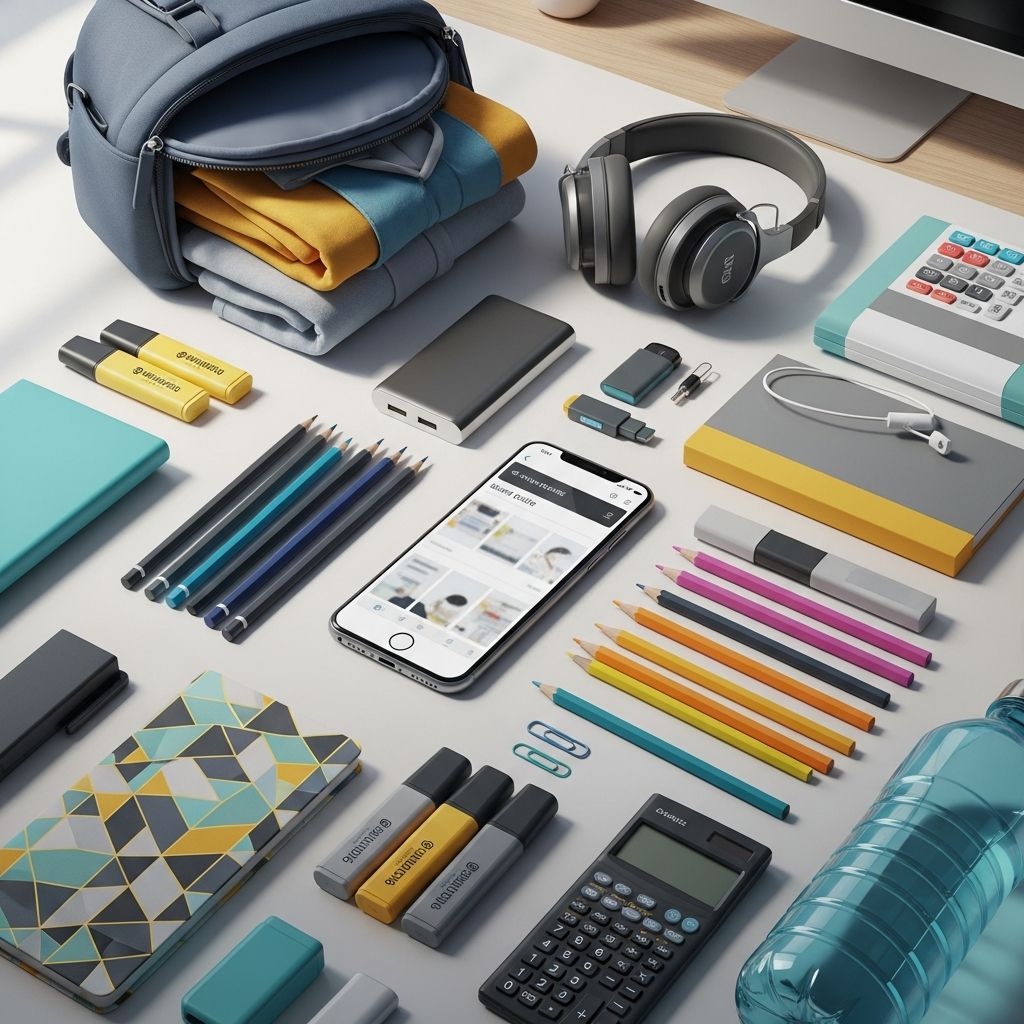
The backbone of any student’s toolkit consists of fundamental writing and organizational supplies. These items form the foundation upon which academic success is built. Notebooks serve as repositories for class notes and assignments, while binders and folders keep papers organized by subject or class. Writing instruments—pencils, pens, and markers—are consumed regularly and require consistent replenishment throughout the school year. A well-stocked pencil case containing erasers, highlighters, and colored pencils rounds out this essential category.
Personal and Organizational Accessories
Beyond traditional supplies, students benefit from items that support daily organization and personal comfort. A quality backpack designed for ergonomic support protects a child’s developing spine while providing accessible storage for books, supplies, and personal items. Lunch bags and insulated containers keep food items fresh and safe throughout the school day. Water bottles encourage hydration and healthy habits, while items like hand sanitizer and face masks address contemporary health considerations. Personalized name labels help prevent loss and mix-ups, particularly important in elementary settings where items frequently travel between classrooms.
Technology and Specialized Equipment
Modern education increasingly incorporates technology and specialized tools. Depending on grade level and subject focus, students may require graphing calculators for mathematics courses, laptops for digital learning environments, or other technology tools. These items represent significant investments and warrant careful consideration regarding specifications, durability, and long-term value.
Emerging Trends Shaping Purchase Decisions
Today’s back-to-school shopping reflects evolving preferences and priorities among young students. Recognizing these trends helps parents make purchases that resonate with their children’s interests and social environments.
Aesthetic-Driven Purchasing and Personal Expression
Contemporary students prioritize visual appeal and personal expression in their school supplies and accessories. Character-themed backpacks, monogrammed items, coordinated pastel color sets, and pop-culture merchandise are experiencing exceptional demand. This emphasis on aesthetics reflects broader cultural trends where students view their school supplies as extensions of their personal identity and style. Parents who acknowledge and accommodate these preferences often see increased enthusiasm and engagement from their children regarding school preparation.
Digital-First Learning Materials
Educational institutions increasingly rely on digital platforms and resources. In higher education specifically, digital materials now comprise 92% of publisher billings, indicating a significant shift away from traditional paper-based learning. Even at primary and secondary levels, digital supplements and online resources play substantial roles in curricula. Understanding your school’s technological requirements ensures you invest in appropriate devices and connectivity solutions rather than unnecessary paper-based products.
Hybrid Shopping Approaches
Modern consumers blend online and physical retail experiences strategically. While digital channels drive conversion and offer convenience, physical stores serve important discovery functions, allowing customers to examine product quality, try on items, and make informed decisions before purchasing. Retailers who successfully integrate these channels capture greater market share and customer loyalty.
Strategic Shopping Across Different Retail Environments
Different retailers offer distinct advantages depending on what you’re purchasing and your priorities regarding price, selection, and convenience.
Physical Store Benefits and Limitations
Traditional brick-and-mortar retailers provide immediate product availability and the opportunity to assess quality firsthand. However, during peak back-to-school seasons, stores become crowded, inventory depletes quickly, and selection narrows significantly. Shopping early in the season and during off-peak hours extends your options and reduces shopping-related stress.
Online Shopping Advantages
E-commerce platforms offer expanded selection, convenient home delivery, and often provide comparison shopping tools. Many online retailers offer promotional codes, cashback opportunities, and loyalty rewards that accumulate substantial savings. Starting your shopping online allows you to research options, read reviews, and identify specific items before visiting physical locations or committing to purchases.
Cost Management Strategies for Budget-Conscious Families
Back-to-school shopping represents a significant household expense. Strategic approaches to cost management preserve family budgets while maintaining quality and completeness in your supplies and equipment.
Store-Brand versus Name-Brand Considerations
For consumable items like pencils, notebooks, erasers, and crayons, store-brand alternatives often provide equivalent quality at substantially lower price points. These products function identically to premium brands while reducing overall expenditure. Reserving name-brand purchases for items where brand specifications matter—such as specific technology or specialized equipment—optimizes value without sacrificing quality.
Technology Purchasing Options
Electronics represent the largest individual investments in back-to-school shopping. Several cost-reduction strategies apply to these items without compromising functionality. Refurbished devices, which have been professionally restored and typically come with manufacturer warranties, offer 20-40% savings compared to new purchases. Open-box items from retailers represent another option for those comfortable with minimal cosmetic imperfections. Additionally, manufacturers like Apple and Samsung offer trade-in programs where you receive discounts on new devices when returning older equipment.
Timing-Based Savings Opportunities
Large retailers roll out deep discounts on school supplies, particularly notebooks, folders, crayons, and erasers. These sales typically begin in early July and continue through August. However, clothing represents a different opportunity—retailers introduce significant markdowns on apparel after school commences when children request trendy items, leaving families with residual budget for in-season fashions.
Reward Programs and Promotional Leverage
Retailers offer promo codes, cashback programs, and reward points that accumulate rapidly during back-to-school shopping periods. These benefits compound across multiple transactions and can reduce total spending by 10-20%. Maximizing these opportunities requires tracking promotions, timing large purchases strategically, and leveraging loyalty memberships.
Comprehensive Supply Organization and Preparation
| Supply Category | Essential Items | Quantity Considerations |
|---|---|---|
| Writing Instruments | Pencils, pens, erasers, highlighters, markers | Bulk quantities; expect regular replacement |
| Paper Products | Notebooks, folders, binders, index cards, sticky notes | Multiple sets for organization by subject |
| Tools and Accessories | Scissors, rulers, glue sticks, calculators, tape | One set for home and classroom use |
| Personal Items | Backpack, lunch bag, water bottle, pencil case | Single high-quality item for durability |
| Health and Safety | Hand sanitizer, face masks, tissues, first aid supplies | Check school requirements; maintain throughout year |
Pre-School Preparation and Confidence Building
Beyond purchasing supplies, deliberate preparation activities help children transition successfully into the school year with confidence and readiness.
Outfit Planning and First-Day Selection
Involving children in clothing selection for the first week of school builds excitement and ensures comfort with their choices. Laying out a complete first-day outfit the evening before reduces morning stress and prevents last-minute fashion dilemmas. This preparation extends beyond clothing to include shoes and accessories, creating a cohesive, confidence-building appearance for the important first impression.
Supply Familiarization and Accessibility Practice
Once purchased, taking time to pack supplies into the backpack thoughtfully ensures items fit comfortably and remain easily accessible throughout the school day. Encouraging children to practice using zippers, buckles, and lunchbox components builds familiarity and independence, reducing frustration during busy school mornings. This hands-on exploration develops motor skills while reducing operational anxiety.
Lunch Preparation Routines
For families providing packed lunches, preparing and assembling lunch containers the evening before conserves valuable morning time while ensuring nutritious, appealing meal options. This advance preparation reduces morning stress and allows families to provide consistent, homemade nutrition rather than rushing to pack items hastily.
Frequently Asked Questions About Back-to-School Shopping
When should families begin their back-to-school shopping?
Modern shoppers typically begin in May to maximize selection and take advantage of early promotional opportunities. Starting early allows families to avoid crowded stores, compare options carefully, and capitalize on available discounts before inventory depletes during peak shopping periods in July and August.
How can parents balance budget constraints with children’s preference for trendy items?
Prioritize essential supplies and durable items while incorporating trendy aesthetic elements strategically. Store-brand basics reduce costs, allowing budget allocation toward items that directly impact your child’s excitement and confidence, such as favorite character backpacks or preferred color coordination.
What role does technology play in modern back-to-school shopping?
Technology requirements vary by grade level and school. Confirm specific technology needs before purchasing, as many schools provide digital resources while others require student-supplied devices. Understanding digital versus paper-based learning approaches ensures investments align with actual educational requirements.
How can families maximize savings across multiple retailers?
Combine multiple strategies: shop early for selection, utilize promotional codes and cashback programs, choose store-brands for consumables, consider refurbished electronics, and leverage loyalty rewards. Timing significant technology purchases for specific promotional events maximizes cumulative savings.
Should parents shop exclusively online or visit physical stores?
Hybrid approaches work best—research online to compare options and identify specific items, then visit physical stores to examine quality and assess fit for personal items. Online channels provide convenience and rewards, while physical stores allow quality assessment and immediate product availability.
References
- Back-to-School Shopping Trends for the School Year 2025-26 — FosterLove. 2025. https://fosterlove.com/blog/back-to-school-shopping-trends-2025-26/
- Back to School Checklist 2026: Complete Guide & Supply List — Minted. 2026. https://www.minted.com/lp/back-to-school-checklist
- How to save on back-to-school shopping, including clothes, tech supplies — ABC11. 2024. https://abc11.com/post/tips-how-save-back-school-shopping-including-clothes-tech-supplies/17503348/
- Back to school season is here. See these tips to save money. — CBS News. 2024. https://www.cbsnews.com/news/back-to-school-shopping-ways-to-save/
- 2026 Back-to-School Shopping Trends — Shopify. 2026. https://www.shopify.com/enterprise/blog/back-to-school-shopping-trends