The transition back to school represents a significant milestone in both a child’s academic journey and family life. Whether your child is entering kindergarten for the first time or returning as a seasoned student, thoughtful preparation can make the difference between a chaotic start and a smooth, confident beginning. This guide walks parents through the essential steps needed to set their children up for success, from gathering necessary materials to establishing supportive routines and addressing health needs.
Assembling the Foundation: School Supplies and Materials
One of the first tangible steps in preparing for the school year is gathering all necessary supplies and materials. Before the first day arrives, contact your child’s school or teacher to request a detailed supply list specific to their grade level and classroom. Different grades and subjects often have distinct requirements, so a personalized list ensures you purchase exactly what’s needed without excess waste or forgotten items.
The process should begin several weeks before school starts, allowing time for thoughtful shopping rather than last-minute scrambling. Create a master checklist that includes writing instruments (pencils, pens, highlighters, markers), paper products (notebooks, folders, notebook paper in both wide and college-ruled varieties), organizational tools (binders, dividers), and practical items like glue sticks, scissors, erasers, and sharpeners. For younger students, consider safety scissors; older students may need more specialized supplies depending on their courses.
Beyond traditional writing supplies, modern classrooms often require digital tools and personal care items. Hand sanitizer, tissues, and disinfecting wipes have become standard classroom necessities. Additionally, headphones or earbuds may be needed for digital learning activities, while gym clothes and shoes should meet your school’s specific requirements. A quality backpack that distributes weight evenly and a durable lunch bag or lunchbox complete the essentials.
Organizational systems matter significantly, especially for older students managing multiple classes. Use labeled pouches within the backpack to categorize supplies by subject or function, and teach children to pack heavier items closest to the back panel to maintain proper posture and balance. This early introduction to organization builds habits that support academic success throughout their educational career.
Prioritizing Health and Medical Readiness
Before school begins, ensure your child’s health records are current and complete. Schedule any necessary medical appointments, including annual physicals, dental checkups, and vision screenings. If your child participates in sports, a sports physical is typically required and should be completed well in advance.
Vaccination records deserve particular attention. Schools maintain specific immunization requirements that must be met before students can attend classes. Review your school district’s vaccination policy and ensure all required shots are current. If your child needs catch-up vaccinations, schedule appointments early to avoid last-minute complications.
Communicate clearly with your school about any medical conditions, allergies, or dietary restrictions your child has. Provide detailed information about medications your child takes during school hours, including dosage instructions and administration methods. Complete all required medical forms accurately and submit them before the deadline. Schools need emergency contact information that is current and reliable, so verify that all numbers and email addresses are up to date.
For students with chronic conditions such as asthma, allergies, or diabetes, work directly with school nurses to develop management plans. Ensure the school has access to necessary emergency medications and understands your child’s specific needs and any warning signs to watch for.
Establishing Rhythms and Routines That Support Learning
Children thrive when they understand what to expect. Establishing consistent daily routines before school starts helps children adjust more smoothly when the academic year begins. Begin by gradually shifting bedtimes and wake times to match the school schedule. If your child currently sleeps until 8:30 AM but school starts at 7:45 AM, begin moving bedtime and wake time fifteen minutes earlier every few days until the new schedule feels natural.
A well-structured morning routine prevents stress and allows children to start their day calmly. Consider designing a schedule that includes waking, personal hygiene, eating a nutritious breakfast, reviewing the day’s activities, and packing necessary materials—all with adequate time before departure. A breakfast that balances protein, whole grains, and fruit provides sustained energy for learning and focus throughout the morning classes.
Evenings require equal attention. Establish a consistent dinner time that includes family participation when possible, followed by wind-down activities that signal to the body that sleep time approaches. A balanced evening meal with vegetables, protein, and whole grains supports growth and development. Physical activity—whether a family walk, trampoline time, or backyard play—helps children expend energy and sleep more restfully.
After-school routines matter too. Create a designated space where the family manages homework, projects, and school communications. This command center or drop zone becomes the hub where backpacks, lunch boxes, permission forms, and completed assignments are organized. When everyone in the household understands their responsibilities within the routine, mornings become significantly less chaotic.
Nutrition Planning for Sustained Energy and Focus
Proper nutrition directly impacts academic performance and behavior. Plan school meals and snacks strategically, considering both nutritional value and your child’s preferences. Many schools follow set lunch schedules, so establish regular mealtimes at home that mirror the school’s schedule. This helps children adjust to eating at designated times rather than constantly throughout the day.
If packing lunch from home, plan variety to maintain interest while ensuring balanced nutrition. Include protein sources (lean meats, nuts, beans, yogurt), whole grains (brown rice, whole wheat bread), fresh fruits and vegetables, and healthy fats. Pre-portioned snacks prevent overeating while providing convenient energy between meals. Label lunch containers and snack bags clearly, especially if your child has allergies or dietary restrictions that other family members need to recognize.
Hydration is equally important. A refillable water bottle attached to the backpack ensures your child can drink throughout the day without relying solely on school water fountains. Teach children to drink water regularly, not just when they feel thirsty, as thirst often indicates early dehydration.
Creating an Environment Conducive to Learning
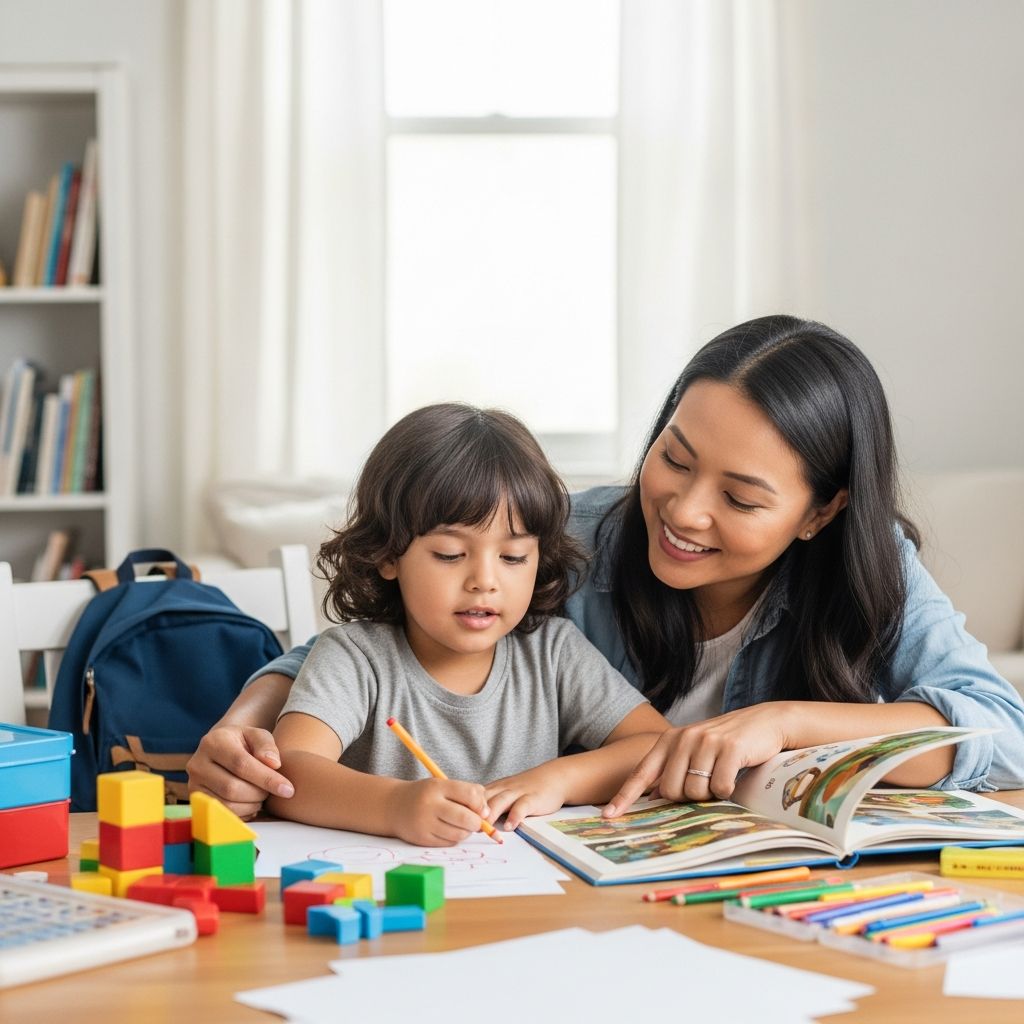
Homework and studying require a dedicated space free from distractions. Clear a desk or table of clutter, ensure adequate lighting, and stock it with necessary supplies—pencils, paper, a calculator, reference materials, and any subject-specific tools. For younger students, this becomes their introduction to the habit of focused work; for older students, it’s essential for managing multiple assignments across different subjects.
Organize school supplies logically within this study space. Keep supplies your child uses frequently within arm’s reach while storing less-used items nearby but out of the way. A comfortable chair that supports good posture prevents fatigue and physical strain during homework sessions.
Beyond the physical space, establish expectations about homework time. Determine a consistent time when homework occurs, communicate this expectation to your child, and minimize distractions during this period. For elementary students, shorter, more frequent homework sessions work better than marathon sessions. Older students benefit from understanding how to break larger assignments into manageable daily portions.
Understanding School Policies and Communication
Before the first bell rings, familiarize yourself thoroughly with your school’s policies. Request or download the student handbook and read sections addressing attendance, illness protocols, medication administration, emergency procedures, and behavioral expectations. Understanding these policies prevents confusion and ensures you can support school staff in maintaining a positive learning environment.
Know your school’s policy for reporting absences and illness. When should a child stay home? How do you report an absence? What documentation is required for extended absences? Understanding these guidelines helps you make informed decisions that respect both your child’s health and the school’s operations.
Identify primary communication channels between school and home. Many schools use apps or websites for assignments, grades, and announcements. Create accounts for these systems and check them regularly. Establish when and how you can contact your child’s teacher with questions or concerns. Most teachers appreciate email for non-urgent matters and maintain specific office hours for conferences.
Planning and Calendaring for the Year Ahead
Major school dates shape the academic year’s rhythm. Once you receive the school calendar, transfer important dates to your family calendar: conference weeks, testing periods, breaks (fall, winter, spring, summer), early dismissal days, and special events. Sharing these dates with babysitters, grandparents, and other caregivers prevents scheduling conflicts and ensures everyone involved in your child’s care is informed.
Note holidays and planned breaks so you can plan activities or arrange care in advance. Knowing when standardized testing occurs helps you prepare your child for these events and ensure they’re well-rested and ready. Early dismissal days require advance planning to ensure someone is available for pickup.
Supporting Academic Success from Day One
For older students, consider academic goals for the coming year. Discuss what they hope to achieve academically and identify any areas where they might need additional support. A specific, measurable goal—such as raising a grade, mastering a difficult subject, or achieving a certain GPA—provides direction and motivation.
Introduce time management tools and planning strategies suited to your child’s developmental level. Younger students benefit from simple visual schedules and reward systems. Older students can learn to use planners, digital calendars, and project management apps to organize their time and keep track of assignments and deadlines.
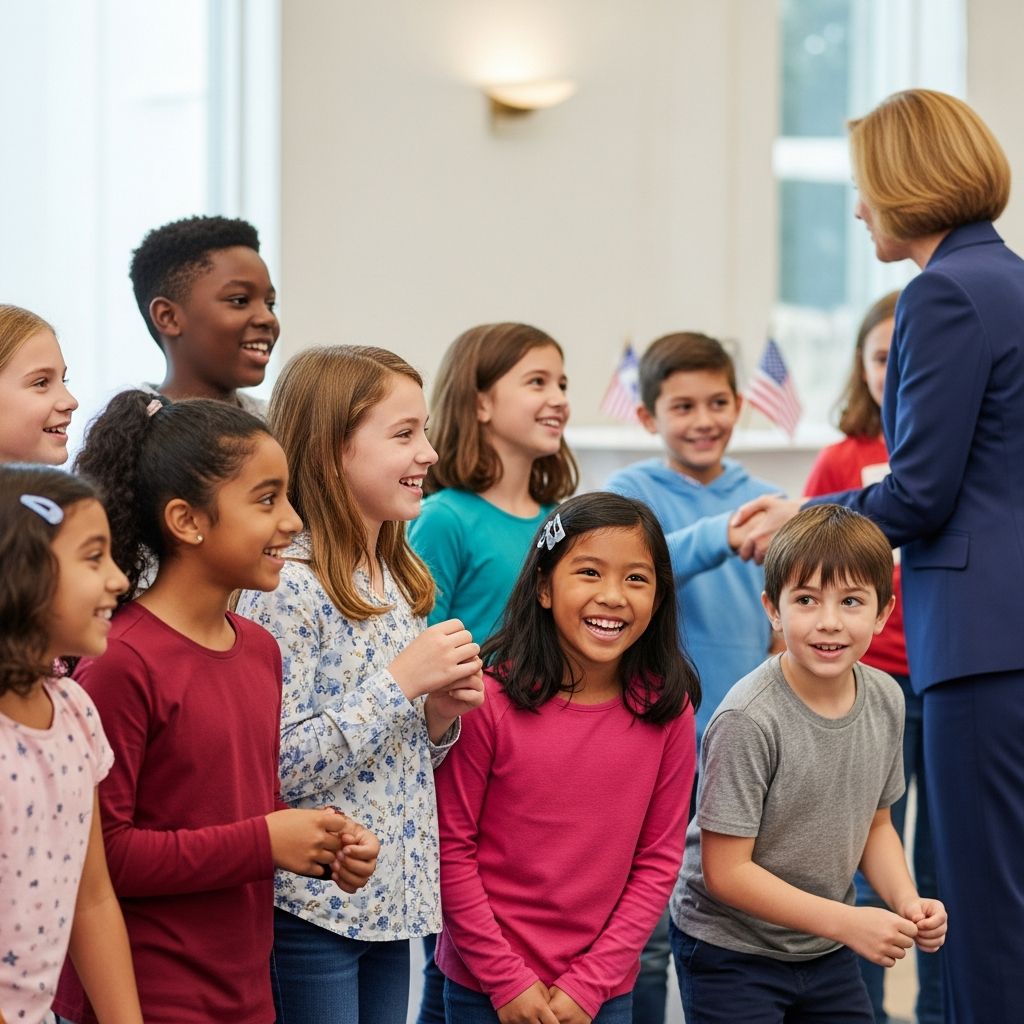
Connect with your child’s teacher before school starts if possible. Many schools host meet-and-greet events or allow parent-teacher conferences during the weeks before classes begin. Share relevant information about your child’s learning style, any challenges they’ve faced previously, and your family’s educational values. Teachers appreciate this partnership and can better support your child when they understand their family’s perspective.
Fostering Social and Emotional Readiness
Beyond supplies and schedules, children need emotional preparation for school transitions. Read books about starting school, talk openly about what to expect, and address any anxieties your child expresses. Visiting the school campus, viewing classrooms, or meeting the teacher can reduce nervousness about the unknown.
Encourage social readiness by discussing cooperation, kindness, and respectful behavior with peers and adults. Role-play common social situations and practice respectful responses to different scenarios. For shy or anxious children, extra reassurance and positive framing help build confidence.
Frequently Asked Questions
How far in advance should I begin back-to-school preparation?
Begin at least 4-6 weeks before school starts. This timeframe allows you to gather supplies at a comfortable pace, schedule necessary medical appointments without rushing, and gradually adjust your child’s sleep schedule.
What if my child has anxiety about starting school?
Normalize the transition through conversation and story books, visit the school if possible, maintain calm and positive language about school, and consider scheduling extra time with the teacher before classes begin. Most children adjust after the first week or two as they establish familiarity with routines and staff.
How should I organize my child’s backpack for maximum efficiency?
Use labeled pouches or compartments to organize supplies by subject or category. Place heavier items closest to the back panel, and teach your child to repack their bag each evening so nothing is forgotten.
What should I do if my child has dietary restrictions or allergies?
Inform the school in writing immediately, complete any required allergy action plans, provide necessary medications or emergency treatments, and send clearly labeled foods from home. Work with school staff to ensure your child’s safety throughout the day.
How can I support homework without doing it for my child?
Provide a quiet study space, ask questions that guide their thinking, check their work for completeness rather than correctness, and let them experience natural consequences for forgotten assignments. This builds independence and responsibility.
References
- 10 Essential Back-to-School Tips for a Successful Year — Springfree Trampoline. 2026. https://www.springfreetrampoline.com/blogs/beyond-the-bounce/back-to-school-tips
- Back-to-School Prep Checklist — Once Upon a Farm Organics. https://onceuponafarmorganics.com/blogs/upon-a-blog/back-to-school-checklist
- Back-to-School Checklist — Fort HealthCare. https://www.forthealthcare.com/back-to-school-checklist/
- Back to School Checklist for 2025-2026 — Prodigy Math. https://www.prodigygame.com/main-en/blog/parents-checklist-back-to-school
- Prep for Back to School With a Checklist for Parents & Kids — CALPAK Travel. https://www.calpaktravel.com/pages/back-to-school-checklist