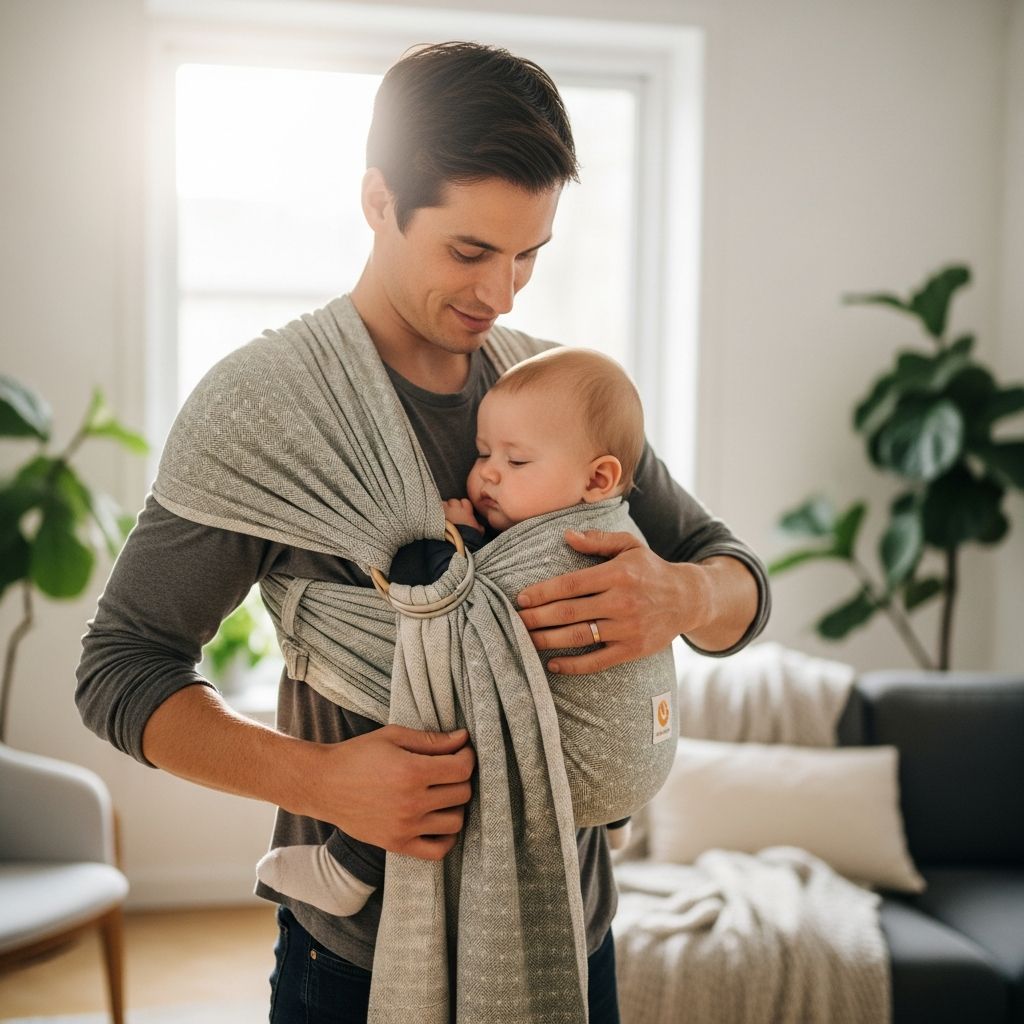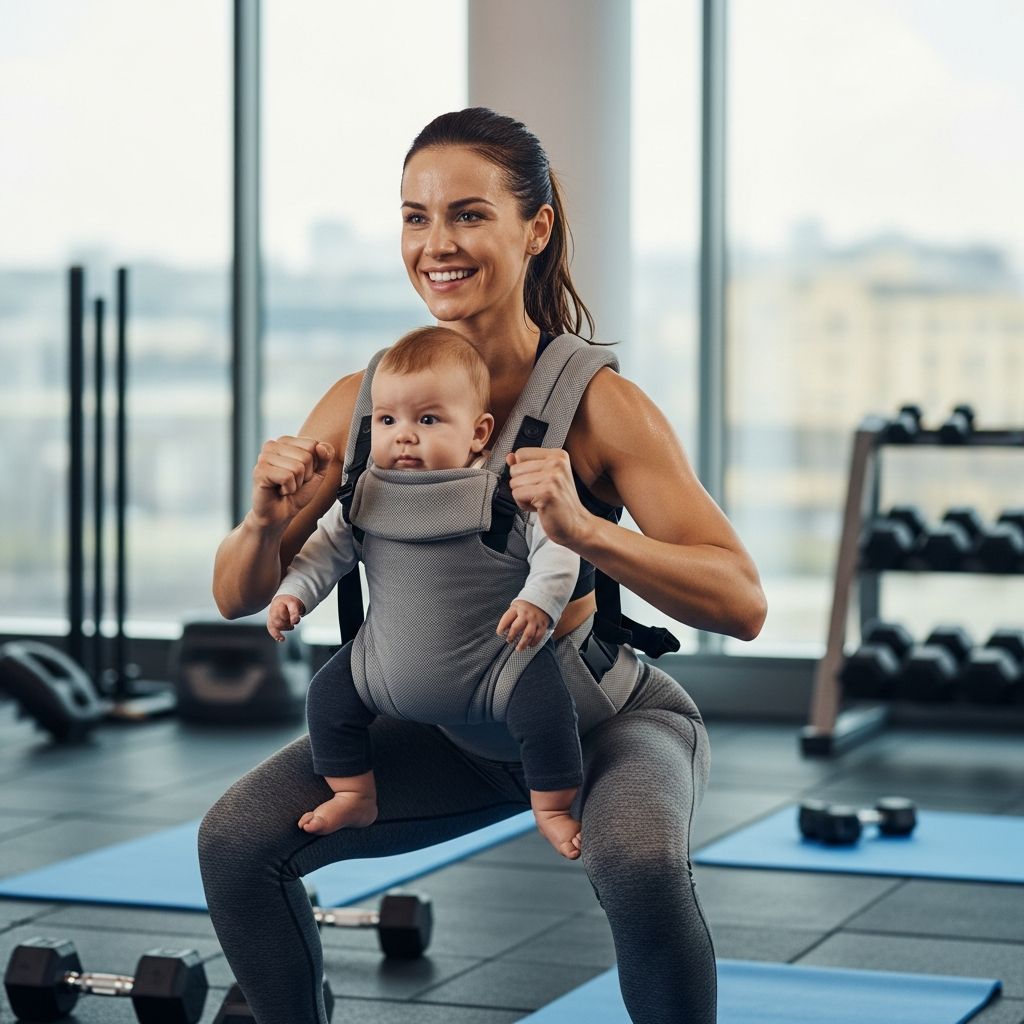
Bringing a new baby into the world transforms daily life, often leaving little time for traditional exercise routines. Babywearing offers a practical solution, allowing parents to stay active while providing comfort and closeness to their little one. These workouts leverage the added weight of your baby to enhance resistance, targeting key muscle groups essential for carrying, lifting, and moving throughout the day. By incorporating these movements, you can rebuild postpartum strength, improve posture, and foster a stronger bond with your child—all without needing gym equipment or extra time slots.
Why Babywearing Builds Real-World Strength
The concept of babywearing workouts revolves around functional fitness. Unlike isolated gym exercises, these movements mimic everyday actions like bending to pick up toys, walking with groceries, or chasing a toddler. The natural resistance from your baby’s weight—typically 10 to 20 pounds in early months—engages multiple muscle groups simultaneously, promoting balanced development.
Postpartum bodies undergo significant changes, including weakened core muscles from pregnancy and diastasis recti in many cases. Babywearing exercises focus on pelvic floor stability, deep abdominal activation, and lower body power, which are crucial for long-term maternal health. Studies from organizations like the American College of Obstetricians and Gynecologists emphasize the importance of gradual strength training after clearance from your healthcare provider, typically around 6-8 weeks postpartum.
Beyond physical benefits, these sessions create joyful interaction. Babies often respond with giggles or coos to the gentle rocking motions, turning exercise into playtime. Safety is paramount: always ensure your carrier is properly adjusted, baby is positioned with a clear airway, and movements remain controlled to avoid strain.
Essential Preparation for Safe Babywearing Fitness
Before starting, consult your doctor to confirm you’re cleared for exercise. Select a structured carrier like a soft wrap, ring sling, or ergonomic front-pack that keeps baby high and close (known as the ‘kissable’ position). Test for security by jumping lightly—baby shouldn’t shift.
- Posture Check: Stand tall with shoulders relaxed, ribs stacked over hips, and core lightly engaged.
- Breathing Technique: Exhale during effort (e.g., lifting or squatting) to protect your spine and activate deep muscles.
- Progression: Begin with 5-10 reps per side, 2-3 sets, 3 times weekly. Increase as strength builds.
- Hydration and Listening to Body: Stay hydrated and stop if you feel pain, dizziness, or baby’s discomfort.
Warm up with 2-3 minutes of marching in place or gentle arm circles to increase blood flow.
Lower Body Power Moves for Everyday Carriers
Strong legs and glutes are the foundation for carrying baby during walks or play. These exercises build endurance and stability.
Controlled Squats for Glute and Quad Activation
Position feet hip-width apart, toes slightly turned out. Inhale to hinge at hips, bending knees as if sitting back into a chair. Keep chest lifted and knees tracking over toes. Exhale to drive through heels and stand tall, squeezing glutes at the top. Perform 8-12 reps.
- Keep baby snug; avoid deep squats that compress the carrier.
- Progress by holding the squat for 3 seconds at the bottom.
Forward and Reverse Lunges for Balance
Step forward with one foot, lowering until both knees form 90-degree angles. Front knee stays over ankle; back knee hovers above ground. Push back to start. Alternate sides for 6-10 reps each.
For reverse variation: Step back, dipping the back knee down. This reduces balance demands, ideal for beginners. Use a wall for support if needed.
Lateral Steps and Side Lunges for Hip Strength
Strengthen outer hips to prevent waddling under load. Step wide to one side, bending the stepping knee while keeping the other leg straight. Push through the heel to return. 8 reps per side.
These mimic sideways movements when navigating crowds or furniture, enhancing multidirectional stability.
Core and Stability Exercises with Baby On Board
A strong core supports your spine during prolonged carrying, reducing back pain risks. Focus on transverse abdominis engagement without traditional crunches.
Marching Knees for Pelvic Floor and Deep Core
Stand tall, lift one knee to hip height (keep low to avoid baby contact), exhale to engage core. Alternate slowly for 10 reps per leg. Progress to holding arm reaches overhead.
Standing Side Bends for Obliques
Feet hip-width, slide one hand down the leg while lifting the opposite knee slightly. Imagine shortening the side body. 8-10 reps per side. Keep motion small and controlled.
Wood Chop Simulation for Rotational Power
From standing, reach one arm low across body, then lift diagonally overhead, rotating hips gently. Exhale on the upswing. 6-8 reps per side. Avoid spinal twist; move as a unit.
These build the anti-rotation strength needed for turning with baby in arms.
Upper Body and Posture Enhancers
Carrying forward-facing babies can strain shoulders and upper back. Counter this with targeted moves.
Heel Raises with Shoulder Retractions
Rise onto toes, rolling through big toe, while squeezing shoulder blades together. Lower with control. 12-15 reps.
This strengthens calves for walking stamina and improves posture.
Overhead Reaches and Pull-Downs
Reach arms overhead, then pull elbows back as if rowing. Keep core tight. 10 reps. Enhances shoulder mobility and upper back strength.
Sample 20-Minute Babywearing Workout Routine
| Exercise | Sets x Reps | Focus Area |
|---|---|---|
| Controlled Squats | 3 x 10 | Legs & Glutes |
| Forward Lunges | 3 x 8/side | Balance & Quads |
| Marching Knees | 3 x 10/side | Core |
| Side Bends | 3 x 8/side | Obliques |
| Heel Raises | 3 x 12 | Calves & Posture |
Rest 30-60 seconds between sets. Cool down with deep breaths and gentle stretches.
Advanced Variations and Progressions
Once basic moves feel easy, add challenges:
- Weighted Squats: Hold a water bottle in each hand.
- Walking Lunges: Move forward across a room.
- Core Holds: Plank-like stance with baby, holding 20 seconds.
Track progress in a journal, noting reps and how baby responds.
Common Mistakes to Avoid
- Arching the back or leaning—stay stacked.
- Over-lifting knees near baby’s face.
- Ignoring pelvic floor cues; integrate Kegels.
- Rushing—prioritize form over speed.
Frequently Asked Questions (FAQs)
Is babywearing exercise safe postpartum?
Yes, after medical clearance. Start slow, focus on form, and monitor for pain.
What age is best for these workouts?
From newborn (with proper carrier) through toddlerhood, adjusting for weight and size.
Can dads or partners do these?
Absolutely—benefits all caregivers.
How often should I train?
3-4 days weekly, with rest days for recovery.
What if my baby fusses?
Pause, soothe, or try rhythmic marches—many babies love the motion.
Long-Term Benefits for Parents and Babies
Consistent practice leads to better posture, reduced injury risk, and increased energy for parenting demands. Babies gain from skin-to-skin contact, promoting emotional security and healthy development per World Health Organization guidelines. Make it a habit: pair with walks or household chores for seamless integration.
Embrace babywearing as your fitness ally—stronger body, happier baby, empowered you.
References
- 5 Babywearing Exercises for the Multitasking Mom — The Bump. 2023. https://www.thebump.com/news/babywearing-exercises
- Exercises to help with Babywearing — The Natural Parent Magazine. 2022. https://thenaturalparentmagazine.com/exercises-to-help-with-babywearing/
- 7 Safe Exercises You Can Do While Babywearing — FIT4MOM. 2024. https://fit4mom.com/blog/7-safe-exercises-you-can-do-while-babywearing
- 5 Min. Postpartum Strength Workout with Baby — YouTube (Physical Therapy Video). 2023. https://www.youtube.com/watch?v=XHC_ql26JII
- Physical Activity and Exercise During Pregnancy and the Postpartum Period — American College of Obstetricians and Gynecologists (ACOG). 2020-12-01. https://www.acog.org/clinical/clinical-guidance/committee-opinion/articles/2020/04/physical-activity-and-exercise-during-pregnancy-and-the-postpartum-period
- WHO Recommendations on Postnatal Care — World Health Organization. 2022. https://www.who.int/publications/i/item/9789240045989