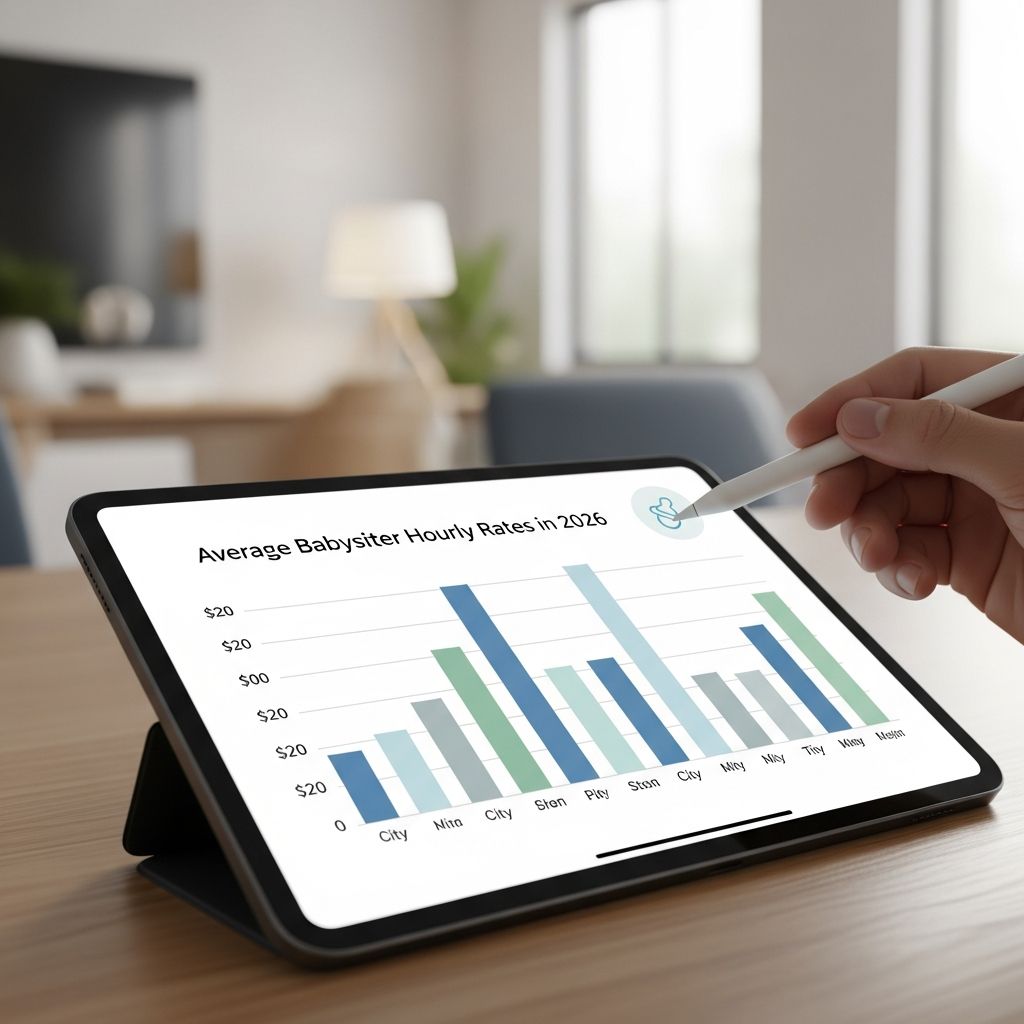
Babysitters provide essential childcare services for families, and their compensation reflects factors like location, experience, and responsibilities. In 2026, the national average hourly rate hovers between $14.65 and $26.24 depending on the data source and specifics such as the number of children.
National Averages and Key Trends
Across the United States, babysitting rates show a clear upward trajectory. Recent data indicates an average of $14.65 per hour for babysitters, with a range from $9.72 at the 10th percentile to $21.02 at the 90th percentile. However, platform-specific insights from UrbanSitter reveal higher figures: $26.24 per hour for one child and $29.87 for two children, marking a 4.9% increase over the previous year that surpasses inflation rates.
These discrepancies arise from methodology differences—PayScale aggregates self-reported salaries, while UrbanSitter draws from actual booking data. For parents, this means budgeting around $20 to $30 per hour is prudent, especially in urban areas.
- Entry-level pay: Under 1 year experience averages $10.83 total compensation.
- Early career: 1-4 years yields about $14.18 per hour.
- High-end earners: Experienced sitters in premium markets can exceed $21 per hour.
Regional Variations in Babysitting Costs
Geography plays a pivotal role in determining pay. Coastal and tech-hub cities command premium rates due to high living costs and demand, while heartland areas offer more affordable options.
| City | 1 Child (/hr) | 2 Children (/hr) |
|---|---|---|
| San Francisco, CA | $29.63 | $33.70 |
| Seattle, WA | $27.70 | $30.79 |
| Honolulu, HI | $27.22 | N/A |
| San Antonio, TX | $18.21 | $21.94 |
| Dallas/Ft. Worth, TX | $19.25 | N/A |
| Columbus, OH | $19.98 | N/A |
| Tampa Bay, FL | $21.26 | $25.58 |
| Washington, DC | $23.95 | $26.01 |
This table highlights extremes: San Francisco tops the list at nearly $30 per hour for one child, while San Antonio remains the most budget-friendly at $18.21. Parents in high-cost areas may face daily expenses of $145 to $240 for an 8-hour shift.
Factors Driving Babysitter Compensation
Several elements influence what babysitters earn beyond base location data.
Experience Levels
Novice sitters start lower, but tenure boosts earnings significantly. Entry-level workers (less than 1 year) average $10.83 including bonuses, rising to $14.18 for those with 1-4 years. For nannies, a related role, the International Nanny Association notes that 4-6 years of experience commands about $2 more per hour than 1-3 years, with 7-10 years adding another $1.
Number of Children and Responsibilities
Caring for multiple kids increases rates by roughly 10-15%. UrbanSitter data shows a jump from $26.24 to $29.87 for two children. Additional duties like meal prep, homework help, or driving to activities warrant premiums of $2-5 per hour.
Location and Time of Service
Urban premiums are stark: expect 20-50% higher rates in cities like New York or Los Angeles compared to rural zones. Overnight or weekend care escalates costs further—overnight shifts average $285, weekends $1,050.
Additional Perks and Bonuses
Babysitters often receive tips ($5-$1k range), profit sharing (up to $47), pushing total pay to $20k-$44k annually for full-time equivalents. Families might offer transportation reimbursement or meals to sweeten deals.
Budgeting for Babysitting Services
Parents can strategize to manage costs effectively. Start by using rate calculators from platforms like UrbanSitter for localized estimates. Negotiate based on bulk hours or long-term commitments, which sometimes yield discounts.
- Daily budgeting: Multiply hourly rate by expected hours; e.g., 8 hours at $26 = $208.
- Weekly planning: Full-time nanny posts average $870 per week or $21.75/hour.
- Long-term savings: Shared sitters or co-ops with neighbors reduce per-family costs by 30-50%.
Track expenses for tax deductions if qualifying as childcare costs under IRS rules for working parents.
Comparing Babysitters to Nannies
Babysitters handle occasional care, while nannies provide consistent, full-time support. Nanny rates start at $21.30/hour nationally, up to $27.27 in major cities, per Care.com data. Experience premiums apply similarly, emphasizing certified skills like CPR or special needs training.
| Role | Avg. Hourly Rate | Typical Duties | Best For |
|---|---|---|---|
| Babysitter | $14.65-$26.24 | Evening/weekend care, play, bedtime | Occasional needs |
| Nanny | $21.30-$27.27 | Daily routines, education, errands | Full-time family support |
Finding and Hiring the Right Babysitter
Vetting is crucial for safety and fit. Use reputable apps like UrbanSitter or Care.com for background-checked providers. Interview questions should probe experience, emergency protocols, and availability.
- Post detailed job descriptions specifying ages, hours, and extras.
- Request references from prior families.
- Conduct trial shifts to assess compatibility.
- Discuss pay upfront, including overtime (1.5x after 40 hours in some states).
Fair pay attracts quality talent, reducing turnover. Offering $2-3 above local averages ensures reliability.
Frequently Asked Questions
What is the average babysitter rate in 2026?
Rates average $14.65 per PayScale or $26.24 for one child per UrbanSitter, varying by source and location.
How much more for two kids?
Expect $3-4 extra per hour; national average $29.87 for two.
Do babysitters get paid overtime?
Yes, often at 1.5x after 8-10 hours daily or 40 weekly, per local labor laws.
What cities have the highest rates?
San Francisco ($29.63), Seattle ($27.70), and Honolulu ($27.22).
How to negotiate lower rates?
Offer consistent hours, perks like meals/gas, or long-term contracts for potential discounts.
Future Outlook for Childcare Wages
Rates are projected to rise with inflation and labor shortages. Parents should monitor annual updates from sources like UrbanSitter, which has tracked trends for 15 years. Investing in family-friendly policies, like employer childcare stipends, could ease burdens.
In summary, 2026 babysitting costs demand informed budgeting. By understanding averages, factors, and strategies, families can secure top-tier care without financial strain.
References
- Babysitter Hourly Pay in 2026 — PayScale. 2026. https://www.payscale.com/research/US/Job=Babysitter/Hourly_Rate
- Babysitting Rates by City (2026) — UrbanSitter. 2026-01. https://www.urbansitter.com/babysitting-rates/
- Babysitting rates in 2026: What parents should budget — LiveNow from FOX. 2026. https://www.livenowfox.com/money/babysitting-rates-2026-what-parents-should-budget
- 2026 nanny pay rates: How much should I pay my nanny? — Care.com. 2026. https://www.care.com/hp/nanny-pay-rates-how-much-should-i-pay-my-nanny/