Understanding the Timing of Your Newborn’s Initial Medical Visit
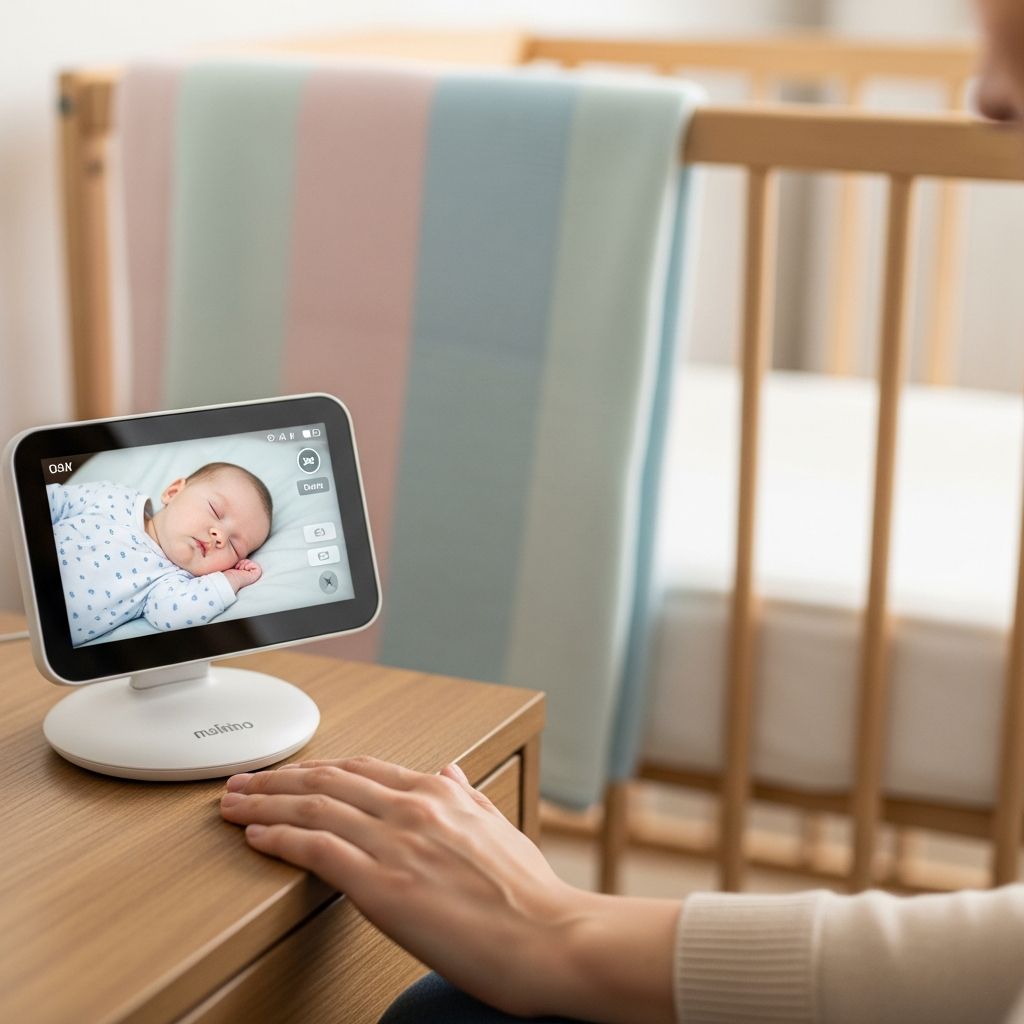
One of the most critical decisions new parents face is scheduling their baby’s first appointment with a pediatrician. This initial visit serves as a foundational health assessment that sets the tone for ongoing medical care. The timing of this appointment is particularly important because it allows healthcare providers to monitor your newborn’s transition to life outside the womb and identify any potential health concerns early.
Healthcare professionals recommend that newborns receive their first pediatric evaluation within a narrow timeframe after hospital discharge. Most babies should be seen by their pediatrician within one to two days following discharge from the hospital. For infants who remain hospitalized longer or who experience complications during delivery, the appointment window may extend to three to five days after discharge, provided there are no immediate concerns regarding feeding difficulties, excessive weight loss, or signs of jaundice. This relatively quick turnaround exists because newborns undergo significant physiological changes during their first days of life, and medical professionals need to verify that these transitions are occurring normally.
Some parents wonder if they can delay this appointment, particularly if they feel overwhelmed or unprepared for the visit. However, pediatricians emphasize that the early timing serves essential purposes that cannot be postponed without potential risk to the infant’s health.
Preparing Documentation and Materials Before Your Appointment
Arriving prepared for your baby’s first medical visit significantly reduces stress and ensures that your pediatrician has all necessary information to provide comprehensive care. Unlike routine appointments at later stages of childhood, the initial newborn visit requires specific documentation and materials that healthcare providers will reference throughout the examination.
The most important document to bring is your baby’s hospital discharge summary. This paperwork contains crucial information about your baby’s birth, any procedures or treatments administered in the hospital, preliminary screening results, and notes about any health considerations identified by the hospital medical team. If you misplace the original discharge papers, taking a photograph with your mobile phone allows you to reference this information even if the physical document is unavailable.
Beyond hospital paperwork, organize and bring the following items:
- Your health insurance card and identification documents
- Any infant growth charts or first statistics provided by the hospital
- A diaper bag containing fresh diapers, wipes, and a blanket
- A change of clothing for your baby in multiple sizes
- Feeding supplies, pacifiers, and comfort items
- Your partner or primary caregiver, if possible
Bringing your insurance information ensures there are no delays in documentation, while having your partner present provides additional support and helps with note-taking during the appointment. Since your baby will need to be completely undressed for measurements and the physical examination, having fresh clothing and a warm blanket readily available prevents your infant from becoming cold or uncomfortable.
The Sequence of Events During the First Medical Evaluation
Understanding what happens during your baby’s initial pediatric visit helps parents feel more confident and prepared. Most first appointments last approximately thirty minutes, though it’s wise to allow extra time for check-in procedures and travel to the medical office. The appointment typically follows a structured sequence that begins with measurements and vital signs before progressing to the physician’s examination.
A nurse or medical assistant will be your first point of contact during the appointment. This healthcare professional will undress your baby and obtain precise measurements that establish baseline data for future comparisons. These measurements include:
- Weight (a critical indicator of feeding success)
- Length from head to heel
- Head circumference (which reflects brain growth and development)
- Vital signs including heart rate, respiratory rate, and body temperature
Parents should not be alarmed if their newborn weighs less than at birth during this first visit. Newborns typically lose weight during their first few days of life as they transition to feeding, and weight loss of five to ten percent of birth weight is considered normal. Weight gain begins after this initial loss phase and becomes a primary indicator of adequate feeding.
Once the nurse completes measurements, the pediatrician conducts a comprehensive assessment. This evaluation begins with conversation rather than physical examination. Your pediatrician will review details of your pregnancy, labor, and delivery, then discuss your family’s medical history. This dialogue establishes important context about your baby’s health background and allows the physician to identify potential inherited conditions or familial health patterns that might require monitoring.
The Comprehensive Physical Examination Explained
After the initial conversation, your pediatrician performs what medical professionals describe as a “head to toe” examination. This thorough physical assessment evaluates your baby’s structural integrity, organ function, and developmental status. Understanding each component of this examination helps parents recognize why specific procedures are performed and what physicians are evaluating.
The examination includes detailed assessment of multiple body systems and structures:
- Head and neurological function: Your pediatrician will examine the soft spot (fontanel) on your baby’s head, which should feel slightly depressed but not sunken or bulging. The physician checks for signs of birth trauma and assesses basic reflexes including the rooting reflex (turning toward touch), sucking reflex, and startle reflex.
- Eyes, ears, nose, and mouth: These sensory organs are examined for normal appearance and function. Your pediatrician checks for any signs of infection, structural abnormalities, or obstructions that might impair feeding or breathing.
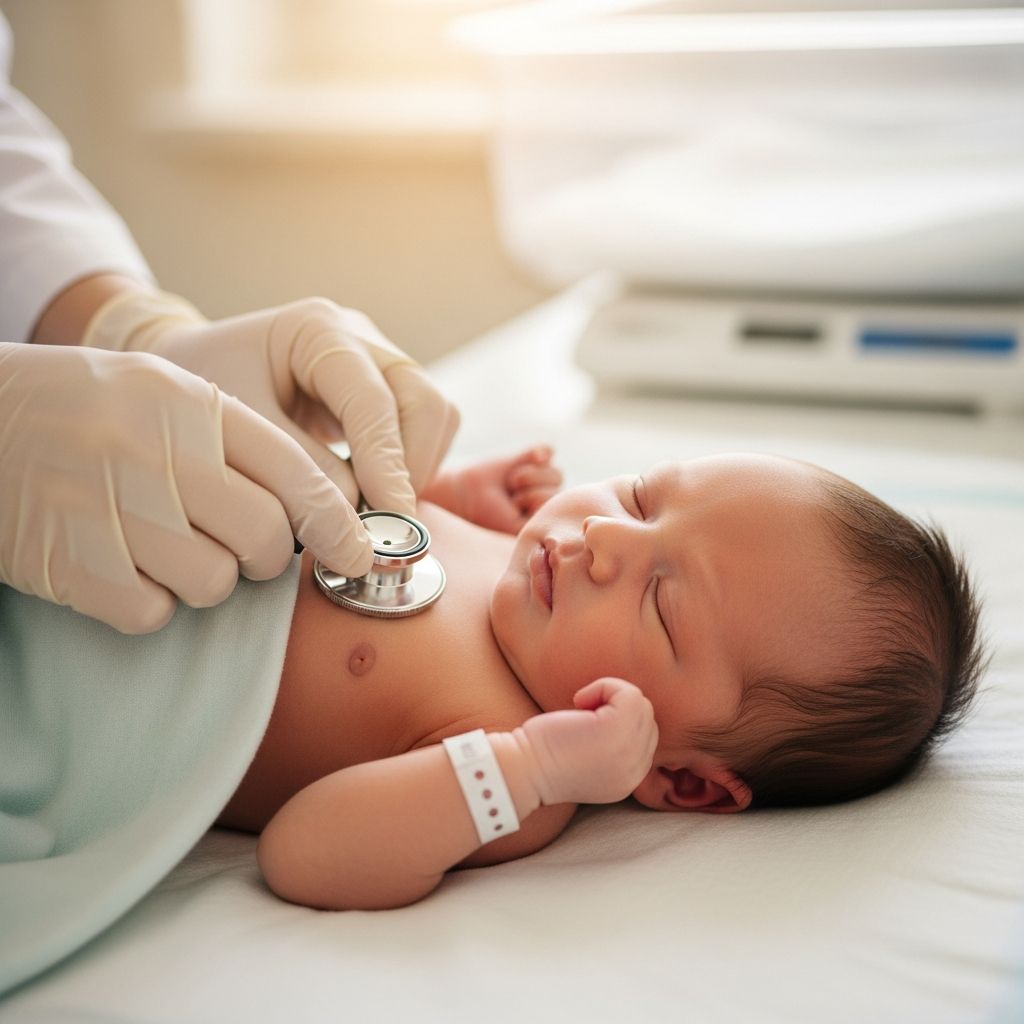
- Cardiovascular system: Your physician listens to your baby’s heart with a stethoscope to detect any irregular rhythms or abnormal sounds. Additionally, the femoral pulse (located in the groin area) is checked to assess circulation to the lower body. A weak femoral pulse could indicate a heart condition requiring further evaluation.
- Respiratory system: Lung sounds are assessed using a stethoscope to ensure normal breathing and to rule out any congestion or respiratory complications that may have developed since hospital discharge.
- Neck and collarbone: Your pediatrician carefully palpates the bones along the neck and collarbone, checking for any fractures or breaks that may have occurred during delivery.
- Abdominal examination: The belly is gently examined to check organ size and position, and to ensure normal development of abdominal structures.
- Hip assessment: Pediatricians gently roll your baby’s hips to screen for developmental dysplasia of the hip, a condition affecting proper hip joint formation. This screening continues at subsequent well-baby visits until your child begins walking.
- Genitalia inspection: Your pediatrician examines your baby’s genital area to confirm normal development, check for signs of infection (particularly important if circumcision was performed), and monitor for any conditions such as undescended testicles or labial adhesions requiring follow-up.
- Skin and umbilical cord: Your baby’s skin is inspected for rashes, discoloration, or other abnormalities. The umbilical stump is assessed for proper healing and signs of infection.
- Screening for jaundice: Your pediatrician evaluates your baby’s skin and eye whites for the yellowish discoloration characteristic of jaundice, a common condition in newborns that typically resolves without intervention but requires monitoring.
Screening Tests and Follow-Up Assessments
Beyond the physical examination, your baby’s first pediatric visit includes review of screening tests performed at the hospital and any necessary repeat testing. Your pediatrician will review the results of metabolic screening, which tests for rare but serious genetic and metabolic conditions. If your baby did not receive a hearing test before hospital discharge, one will be administered during this initial visit, as early identification of hearing loss is crucial for speech and language development.
Your pediatrician will also conduct postpartum screening for maternal depression and assess the home environment for safety hazards. These screening questions address topics including safe sleep practices, smoke exposure, presence of firearms, and household members who could pose risks to the infant.
Essential Questions to Ask During Your Visit
Your baby’s first pediatric visit is an ideal time to ask questions about feeding, sleep, development, and safety. Preparing a written list helps ensure you address all concerns, as it’s easy to forget questions in the moment. Consider asking about these important topics:
Nutrition and Feeding:
- How do I know if my baby is getting enough milk or formula?
- What are signs of proper latch and feeding position?
- How often should my baby be feeding?
- Is my baby’s poop color and frequency normal?
- Should I supplement breastfeeding with formula?
Sleep and Daily Routines:
- What is the safest sleep position and environment for my baby?
- Should I establish a bedtime routine, and if so, what approach do you recommend?
- How much sleep does my newborn need?
- When can I start establishing schedules with my baby?
Health and Safety:
- When can I take my baby to public places?
- How should I take my baby’s temperature if they seem ill?
- What symptoms warrant a call or visit to your office?
- What is the recommended vaccination schedule?
- Are there any concerns about screen time exposure?
Development and Behavior:
- What developmental milestones should I expect in the coming weeks?
- Is fussiness or crying normal, and what can I do to soothe my baby?
- How can I support speech and language development?
- What types of books and activities are appropriate for newborns?
Preparing Emotionally for the Appointment
Beyond the logistical preparation, new parents benefit from acknowledging the emotional dimensions of the first pediatric visit. For many parents, this appointment represents the first formal assessment of their baby outside the hospital setting, which can trigger anxiety or self-doubt about their caregiving abilities.
Remember that your pediatrician is a partner in your baby’s health journey, not a judge of your parenting. This visit is an opportunity to establish an ongoing relationship with a healthcare professional who will support you through the challenges and questions that inevitably arise during infancy and early childhood. Coming to the appointment with an open mind and willingness to ask questions sets a positive tone for future interactions with your pediatrician.
Frequently Asked Questions
Q: What if my baby seems fussy or cries during the appointment?
A: Crying and fussiness are normal newborn behaviors and do not interfere with your pediatrician’s ability to perform the examination. Bringing a pacifier or comfort item may help soothe your baby if needed.
Q: Should I bring my baby’s feeding supplies to the appointment in case they become hungry?
A: Yes, since appointments last approximately thirty minutes and you may need time to travel, bringing bottles, breast pump supplies, or formula is practical. Most pediatric offices are understanding about feeding needs during appointments.
Q: What happens if my pediatrician finds a concern during the first visit?
A: Your pediatrician will discuss any findings with you and explain next steps. Some concerns may require immediate specialist referral, while others may warrant close monitoring at subsequent visits.
Q: How often will my baby need checkups after this initial visit?
A: Babies typically need at least six well-baby visits before their first birthday, occurring at approximately two weeks, two months, four months, six months, nine months, and twelve months of age. Your pediatrician will provide a schedule of recommended visits.
Q: Can I bring multiple family members to the appointment?
A: While bringing your partner or primary caregiver is encouraged for support and information sharing, checking with your pediatrician’s office about space limitations is considerate. Too many visitors may make the small examination room crowded and warm for your baby.
Q: What should I do if I’m still worried about my baby after the appointment?
A: Contact your pediatrician’s office with any concerns that develop after the visit. Most offices have nurse lines that can address questions between scheduled appointments, and pediatricians want to be informed about symptoms or behaviors that worry you.
References
- A Guide to Baby’s First Doctor’s Appointment — Kiwi Pediatrics. https://www.kiwipediatrics.com/blog/1351650-a-guide-to-babys-first-doctors-appointment/
- What Your Baby’s First Pediatrician Appointment Will Be Like — Babylist. https://www.babylist.com/hello-baby/first-pediatrician-visit
- What to expect at your baby’s first check-up — CHOC Health. https://health.choc.org/what-to-expect-at-your-babys-first-check-up/
- Questions for a First Pediatrician Visit — Enfamil. https://www.enfamil.com/articles/questions-first-pediatrician-visit/
- Baby’s First Doctor’s Appointment — Community Health Network. https://www.ecommunity.com/healthminute/2023/babys-first-doctors-appointment
- Make the Most of Your Baby’s Visit to the Doctor (Ages 0 to 11 Months) — Office of Disease Prevention and Health Promotion (ODPHP), U.S. Department of Health and Human Services. 2025-10-21. https://odphp.health.gov/myhealthfinder/doctor-visits/regular-checkups/make-most-your-babys-visit-doctor-ages-0-11-months
- Well-Baby Visits and Immunizations — Kaiser Permanente. https://mydoctor.kaiserpermanente.org/ncal/structured-content/well-baby-visits-and-immunizations-841042