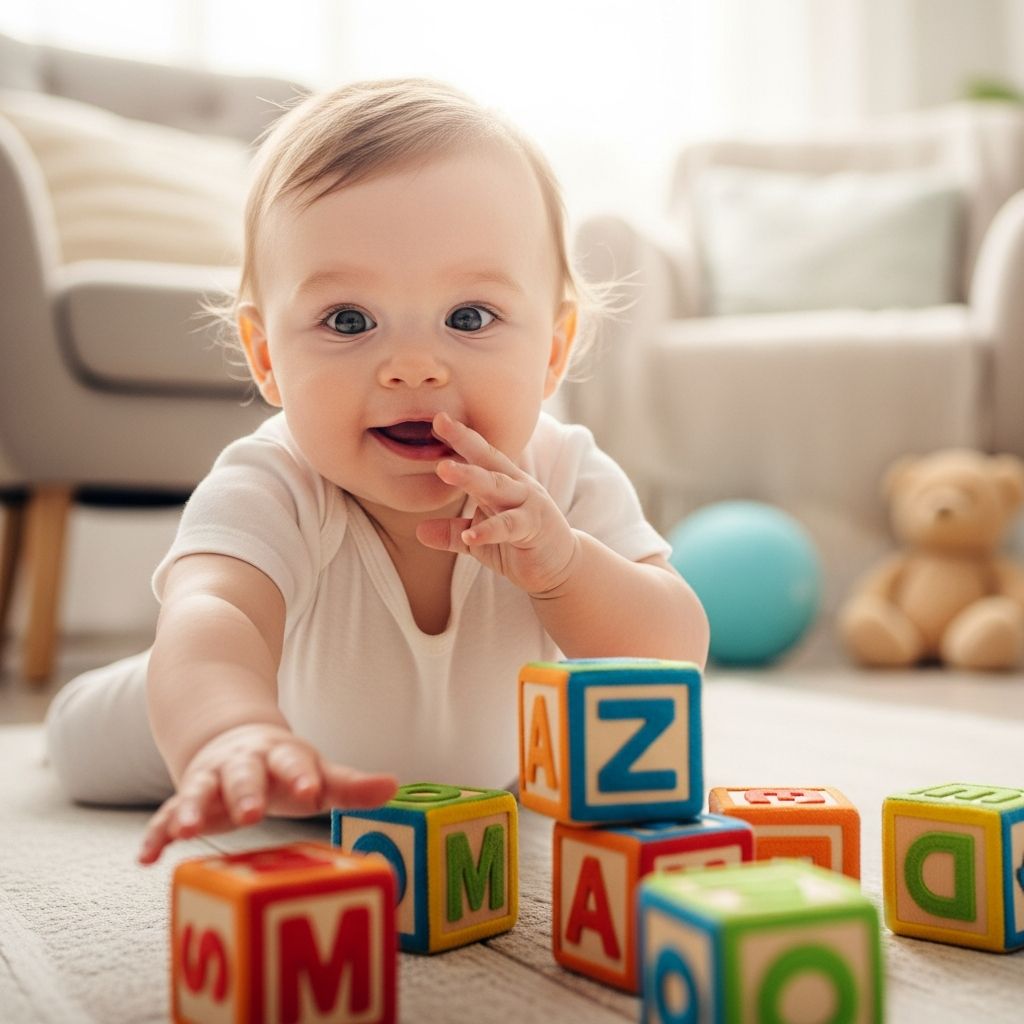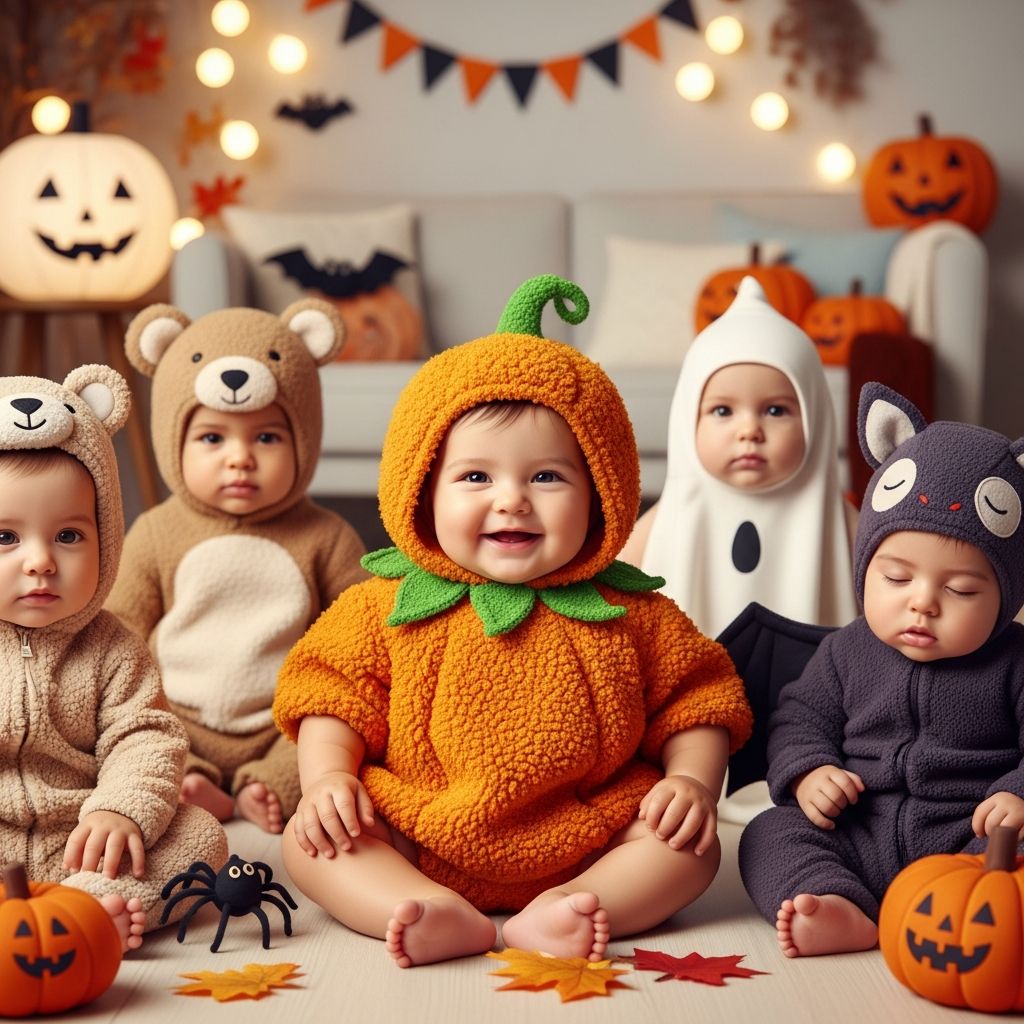
Baby’s first Halloween is less about candy and jump scares and more about cozy outfits, sweet photos, and gentle fun. This guide walks you through choosing a costume, keeping your little one comfortable, and enjoying the night without stress.
Why Baby Halloween Is Different From Everyone Else’s
Halloween with a baby is a quiet, early-evening version of the holiday. There is less trick-or-treating and more stroller walks, quick visits to friends and neighbors, and snapping photos before bedtime. That means a baby costume needs to prioritize warmth, softness, and easy changes over dramatic flair.
Instead of thinking about candy, think about naps, breastfeeding or bottle access, diaper changes, and how long your baby can realistically stay happy in an outfit. A costume that works for ten minutes of photos but leaves your baby fussy is not worth the fight.
Key Principles for Choosing a Baby Costume
Before you fall in love with a complicated outfit online, check it against these baby-friendly criteria. This simple mental checklist keeps your priorities clear when you’re browsing stores or planning DIY projects.
- Comfort first: If it looks itchy, stiff, or tight, skip it. Soft cotton or bamboo blends are usually the safest bet.
- Easy access for diapers: Look for snaps, zippers, or simple closures that make changes fast and low-drama.
- Safe design: Avoid loose strings, small detachable pieces, and anything your baby could pull off and mouth.
- Weather readiness: Think in layers so you can adapt to chilly sidewalks or warm living rooms.
- Low effort on the day: The more pieces and steps, the more stress you will have getting out the door.
Age-Appropriate Costume Styles
Newborns, young infants, and mobile older babies all have different needs. Choosing a costume that matches your baby’s developmental stage makes the evening smoother for everyone.
Newborns (0–3 Months)
Newborns mostly sleep, feed, and cuddle, so their costumes should fit over swaddles or be integrated into cozy sleepwear. Many parents focus on one cute element rather than a full multi-piece look.
- Soft costume-style sleepers or gowns with gentle prints.
- Simple hats (pumpkin stem, little bear ears, soft crown) paired with a plain onesie.
- Swaddles with Halloween themes, such as stars, bats, or friendly ghosts.
Young Infants (3–6 Months)
Babies in this range may be smiling, cooing, and enjoying interaction but still spend time lying down or being carried. Costumes should look cute from the front and back without bulky pieces that dig into their skin.
- One-piece rompers with attached tails, wings, or printed details.
- Costumes that match a baby carrier, like simple tops that blend with a themed carrier cover.
- Soft hooded outfits with animal or character features that can be easily pulled down.
Older Babies (6–12+ Months)
Once babies roll, crawl, or toddle, costumes must allow free movement. This is a good stage for interactive outfits that let them grab, clap, or explore safely.
- Two-piece sets: leggings and a themed top or tunic.
- Lightweight padded costumes that do not impede crawling or walking.
- Fun accessories like non-slip socks, soft hats, or wrist rattles that match the theme.
Simple Costume Themes That Always Work
Most parents want costumes that are recognizable, quick to put on, and comfortable enough for bedtime if needed. The ideas below are frameworks you can adapt with items you already own.
1. Animal and Creature Costumes
Animal costumes are classics because they’re easy to build with basic clothing and one or two standout accessories. They also photograph beautifully and never go out of style.
- Choose a solid-color base (like brown pajamas for a bear or green for a dinosaur).
- Add a hood or hat with ears, horns, or a mane.
- Attach a soft tail to the back of pants or a onesie with secure stitching or snaps.
2. Food-Inspired Baby Looks
Food costumes are playful and often very simple. They lend themselves to onesies, sleep sacks, and wearable blankets that your baby can comfortably nap in after the festivities.
- Pick a color theme (yellow for banana, red for strawberry, green for pea pod).
- Use felt or fabric patches to represent seeds, toppings, or leaves.
- Pair with a soft hat that completes the idea (like a leafy cap or crust-colored beanie).
3. Gentle Storybook and Fantasy Themes
Instead of detailed character replicas, aim for gentle nods to stories you love. This keeps outfits cozy and timeless for photos you will revisit for years.
- Neutral-color rompers with a cape, hood, or crown in matching tones.
- Light, short capes that attach at the shoulders with soft Velcro.
- Simple props for photos, like a plush wand or toy dragon, kept out of reach when not supervised.
DIY vs. Store-Bought: Which Is Better for Baby?
There is no single right answer; the best choice is the one that fits your time, budget, and stress level. Both homemade and store-bought costumes can be baby-friendly if you focus on safety and comfort.
| Option | Advantages | Potential Drawbacks |
|---|---|---|
| DIY costumes |
|
|
| Store-bought costumes |
|
|
If you love crafting, a DIY spin on a cozy sleeper may be perfect. If your weeks are busy, a simple store-bought costume that you can gently modify for comfort (removing scratchy tags, skipping extra pieces) is just as valid.
Safety Checklist for Baby Halloween Costumes
Baby safety on Halloween is mostly about preventing overheating, choking hazards, and restricted movement. Use this checklist while shopping or assembling a costume so nothing is overlooked in the rush.
- Fabric: Favor soft, breathable materials that do not trap heat excessively.
- Fit: Costumes should be snug enough not to twist or ride up but loose enough for your baby to move comfortably.
- Length: Avoid long skirts, capes, or trailing fabric that could tangle around little legs.
- Accessories: Skip necklaces, dangling strings, and small sewn-on pieces that could become loose.
- Face coverings: Avoid full-face masks; if you use face paint, choose gentle, baby-safe products and patch test in advance.
- Temperature: Dress in layers and bring a spare blanket or light jacket in case the weather changes.
Practical Dressing Tips for a Smooth Halloween
Even the cutest costume can cause meltdowns if it’s difficult to put on or clashes with your baby’s routine. Small adjustments to how and when you dress your baby can turn chaos into calm.
- Try the full costume on at least once a few days before Halloween to check fit and comfort.
- Plan for an extra backup outfit in the diaper bag in case of spills or blowouts.
- Dress your baby in a breathable base layer, then add costume elements shortly before photos or outings.
- Aim to take most of your photos early, before your baby is tired or hungry.
- If your baby uses a carrier, test the costume while wearing the carrier to ensure there are no bulky seams or tight spots.
Matching Family and Sibling Costume Ideas
Coordinated costumes are fun, but the baby’s comfort still has to come first. Build your group theme around the simplest possible version of the baby’s look, not the other way around.
- Start with what your baby will actually tolerate (a hat, a printed onesie, or a soft romper).
- Let older siblings or adults wear the more elaborate pieces like capes, masks, or detailed accessories.
- Think in color palettes: if baby is a green dragon, parents can wear green or medieval-inspired outfits without heavy armor or props.
Photographs of your coordinated group will tell the story even if the baby’s costume is the simplest one in the bunch.
Photo Ideas That Don’t Overwhelm Your Baby
Photo shoots can quickly turn from adorable to stressful if babies are overtired or overstimulated. A little planning helps you capture the memories while still respecting their limits.
- Schedule pictures after a nap and feeding, when your baby is usually content.
- Use soft indoor lighting or shade outdoors to avoid harsh sun in their eyes.
- Limit props to one or two items, such as a plush pumpkin or a simple blanket with subtle Halloween patterns.
- Take a mix of close-ups and full-body shots so you can see both your baby’s expression and the costume details.
Halloween Plans That Work With a Baby Schedule
Instead of late-night trick-or-treating, think of Halloween as a flexible, baby-paced experience. You can still create traditions without pushing beyond your baby’s limits.
- Take a short walk in the neighborhood before dark so neighbors can admire your baby safely.
- Visit one or two close friends or relatives for quick, low-key costume show-offs.
- Create an at-home “mini party” with themed pajamas, a small pumpkin, and a simple playlist of gentle music.
- End the evening with your regular bedtime routine so your baby can transition calmly.
Frequently Asked Questions About Baby Halloween Costumes
How long can my baby safely stay in a costume?
Most babies can wear a comfortable costume as long as they would a regular outfit, provided they are not overheating and can move and breathe freely. Take regular breaks to check their temperature, skin, and mood, and remove any hats or extra layers if they seem flushed or fussy.
Is it okay for a baby to wear face paint?
For very young babies, many parents skip face paint altogether. If you choose to use it, pick products specifically labeled for sensitive skin, perform a small patch test on the arm or leg ahead of time, and avoid the eye and mouth area. Remove it promptly with gentle baby cleanser after the event.
Can my baby go trick-or-treating?
Babies are not ready for candy, but they can join older siblings or parents for a short, early-evening stroll. Keep outings brief, avoid loud or crowded areas, and treat it more like a walk than a traditional candy-collecting trip. Many families prefer stationary events, like a small gathering at a friend’s house, instead.
What if my baby refuses the costume hat or hood?
Some babies strongly dislike anything on their head. In that case, simplify your plan and rely on a themed onesie, romper, or socks without headgear. You can try slipping the hat on for a fast photo or two and then immediately removing it so your baby can relax.
How do I handle costume changes with frequent diaper blowouts?
Choose costumes with bottom snaps or easy zippers and avoid one-piece outfits that must be fully removed for changes. Pack at least one spare costume or themed backup outfit so a mid-evening mess does not end your celebrations early.
Baby’s first Halloween does not have to be perfect to be memorable. A soft, comfortable costume, a handful of photos, and a relaxed, flexible plan are more than enough to create a tradition you will look forward to every year.