Choosing a baby’s name is a deeply personal decision, yet in many parts of the world, certain choices have led to legal battles, custody losses, and outright bans. Governments and courts intervene when names are seen as harmful, ridiculous, or disrespectful, prioritizing the child’s future well-being over parental creativity. This article delves into real cases of controversial names, the reasons behind rejections, and thoughtful advice for parents aiming to balance uniqueness with practicality.
Why Do Governments Regulate Baby Names?
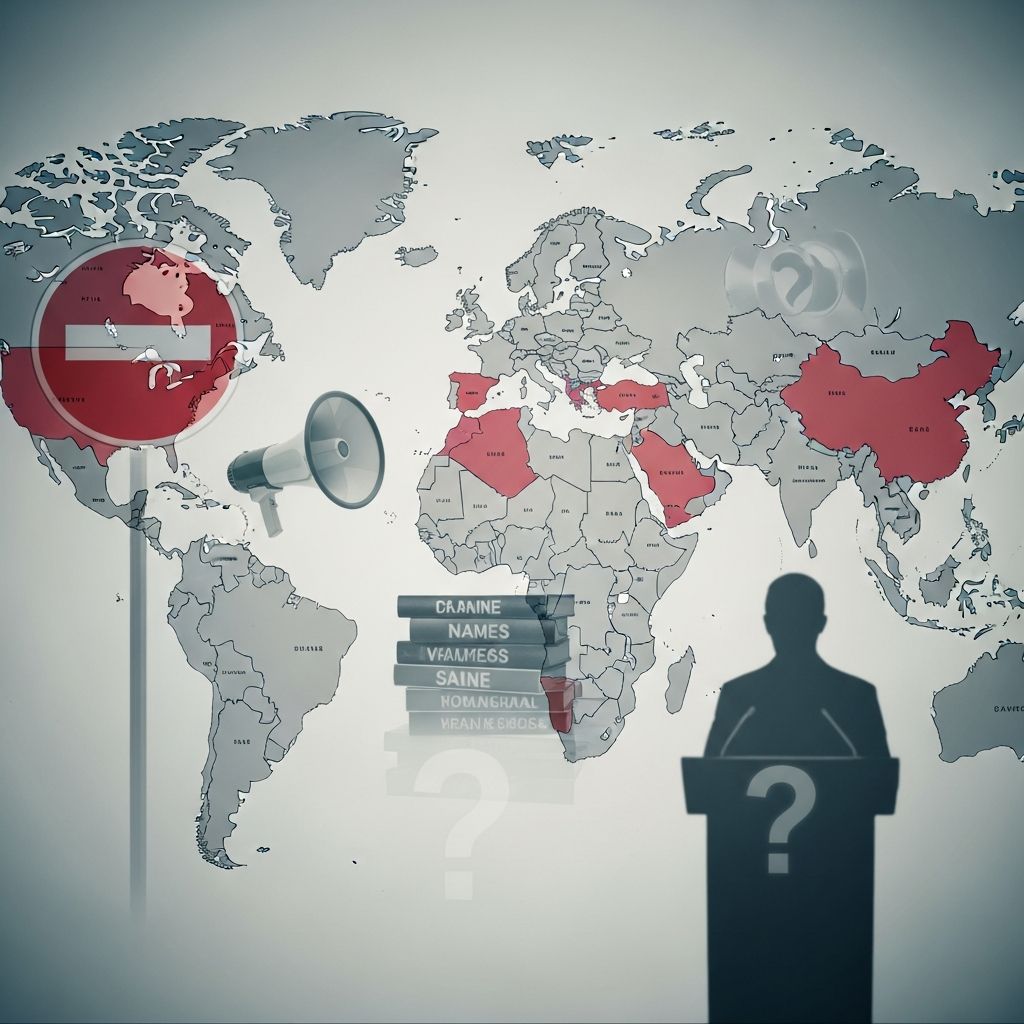
Naming laws vary widely by country, often rooted in protecting children from ridicule, confusion, or cultural offense. In places like France and New Zealand, judges review names to ensure they serve the child’s best interests. For instance, names resembling brands or food items have been struck down to prevent teasing. Similarly, symbols of hate or fictional characters can trigger bans, reflecting societal values on identity and respect.
These regulations highlight a universal concern: a name should empower, not burden, a child. Parents in regulated countries must submit choices for approval, while others face changes later if issues arise. Understanding these global perspectives helps families make informed decisions.
Food and Brand Names That Faced Rejection
Names inspired by everyday items like spreads or fruits often seem playful to parents but courts view them differently. In one European case, parents wanted to honor a popular hazelnut spread by naming their daughter after it. The court intervened, arguing it would invite mockery and harm her social integration. The name was altered to a simpler, similar-sounding option.
Fruit-themed names have met similar fates. A berry-inspired choice was banned in the same country because it evoked a casual slang phrase, potentially embarrassing the child. Another instance involved a green vegetable name rejected down under for its association with something unappealing. These examples show how innocent intentions can clash with practical realities.
- Nutella (France): Rejected for branding and teasing potential; changed to Ella.
- Fraise (Strawberry, France): Linked to slang; deemed inappropriate.
- Spinach (Australia): Too odd, risked ridicule.
Lengthy and Symbolic Names Causing Court Drama
Some parents push creativity with extremely long or protest names, leading to dramatic outcomes. In a Pacific nation, a girl was secretly named after a tropical dance routine. When discovered at school, authorities removed her from parental care until the name changed, citing emotional distress from hiding her identity.
Protest names take this further. In Scandinavia, a couple fined for late registration crafted an absurdly long string of letters and numbers as rebellion, pronounced like a common name. It was rejected for being unpronounceable and nonsensical. Another alphanumeric moniker, resembling a lab code, was banned in Eastern Europe for dehumanizing the child.
- Talula Does the Hula from Hawaii (New Zealand): Led to temporary custody loss.
- Brfxxccxxmnpcccclllmmnprxvclmnckssqlbb11116 (Sweden): Protest against fines; denied.
- BOChrVF260602 (Russia): Treated child as an object; prohibited.
Historical and Ideological Names Deemed Too Divisive
Names tied to dictators or hate symbols provoke strong reactions. In several nations, a infamous 20th-century leader’s full name is forbidden to avoid glorifying atrocities. One American family named children after him and related figures, sparking public outrage when a business refused service, though legally allowed domestically.
Religious titles also stir debate. A judge in the U.S. South ordered a change from a messianic term, calling it a title earned by one alone. In contrast, the name Jesus is common in some regions without issue, showing cultural variance.
- Adolf Hitler (Germany, Malaysia, Mexico, New Zealand): Strictly banned.
- Messiah (USA): Forced change in one case due to religious exclusivity.
Fictional and Pop Culture Inspirations Gone Wrong
Beloved characters from books and films inspire many, but not always legally. In Latin America, secret agent, wizard boy, and cyborg names were ousted for fictional ties. A heavy metal band name was rejected in Northern Europe over trademark worries.
Even symbols face blocks: an email punctuation mark was banned in North America, and fast-food royalty in the same Latin country.
- James Bond, Harry Potter, Robocop (Mexico): Fictional character prohibition.
- Metallica (Sweden): Trademark conflict.
- @ and Burger King (Various): Symbols and brands unsuitable.
Names with Unintended Cultural or Religious Connotations
Some names carry baggage across borders. A Jewish clerical title surged in popularity via TV but debates its use as a first name due to sacred ties. A biblical dove name evokes peace yet links to outdated product imagery, causing hesitation.
Devilish terms are universally shunned; one Asian country banned a word meaning evil spirit. Places or controversial figures like ancient queens add layers of contention.
- Cohen: Religious leader association sparks debate.
- Jemima: Biblical roots vs. brand stereotype.
- Akuma (Japan): Translates to devil.
Modern Trends and Hidden Meanings in Popular Picks
Today’s trendy names can hide pitfalls. Enlightenment terms popular among celebrities mean ‘enlightened’ but sound like body parts elsewhere. Backwards-spelled heavens rose fast yet criticized as gimmicky.
Regal or nature-inspired choices like King, Legend, or Ziva divide opinions for seeming pretentious or having rude translations in other tongues.
Creative spellings fuel controversy, pitting uniqueness against usability.
Practical Tips for Choosing a Controversy-Free Name
To sidestep issues, consider pronunciation ease, cultural checks, and long-term fit. Test names internationally via translation tools, consult diverse friends, and review local laws if traveling. Opt for timeless classics or family honors over fads.
Pronounce it aloud, imagine school roll calls, and pair with surnames. Resources like global name databases aid research without venturing into risky territory.
Frequently Asked Questions (FAQs)
What happens if a controversial name slips through initially?
Courts can intervene later, as in the dance-themed name case where school discovery prompted action years after birth.
Are there countries with no naming restrictions?
Many like the U.S. have few upfront rules, but social or business backlash can occur, unlike stricter Europe or Asia.
Can I use a banned name as a nickname?
Legal first names matter most; nicknames offer flexibility, but official documents control formal use.
How do cultural meanings affect name choice abroad?
Names like Akuma or Fraise carry unintended baggage; cross-check with native speakers from target regions.
References
- Controversial Baby Names That Have Been Banned Around the World — HER.ie. 2019-05-20. https://www.her.ie/life/controversial-baby-names-that-have-been-banned-around-the-world-1000328
- 18 Baby Names That Caused Controversy Around The World — Ranker. 2023-01-15. https://www.ranker.com/list/controversial-baby-names/lauren-glen
- 20 Most Controversial Baby Names — Nameberry. 2022-11-10. https://nameberry.com/blog/study-ranks-most-controversial-names
- Controversial Baby Names That Are Banned Across Countries — EURweb. 2024-06-05. https://eurweb.com/controversial-baby-names/