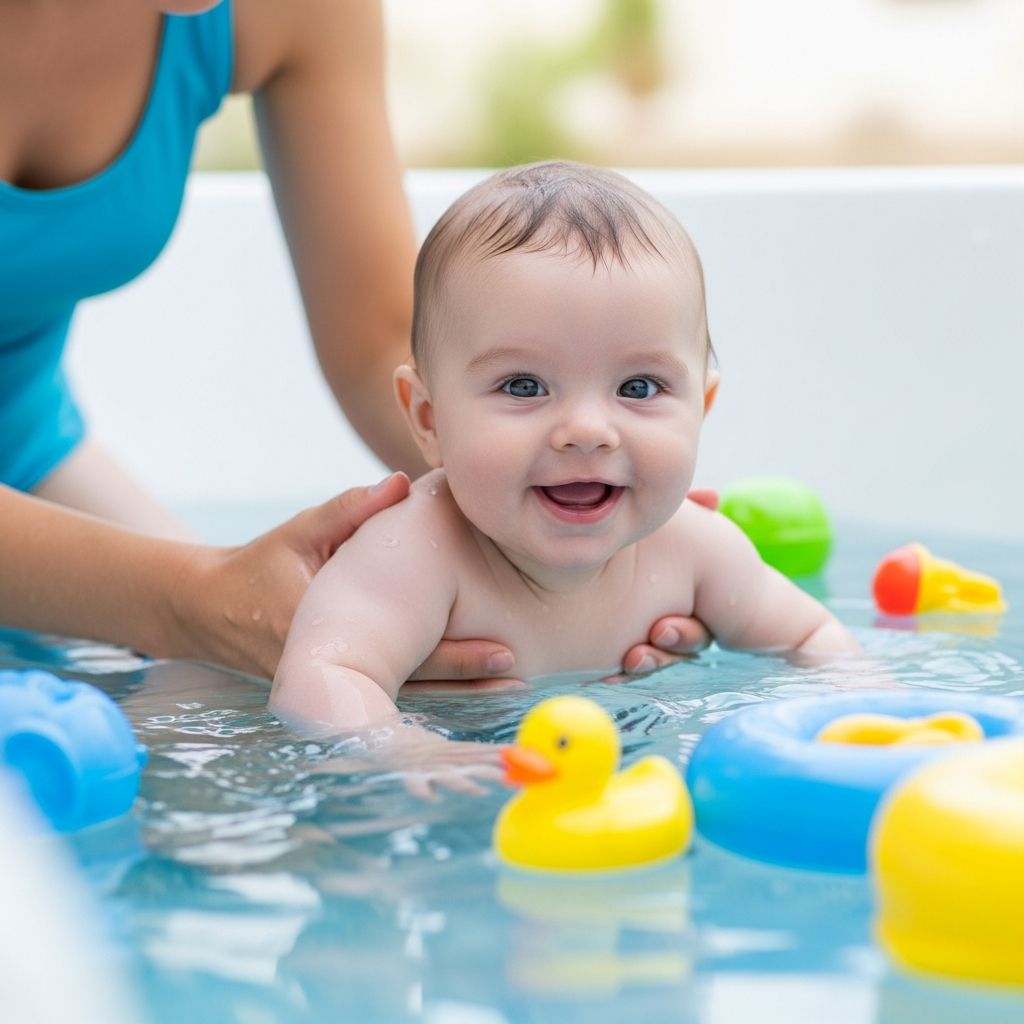
Introducing babies to water can be a joyful milestone, fostering early confidence and family bonding. However, with drowning as the leading cause of death for children under 5, strict safety measures are essential from the start. This comprehensive guide draws on pediatric recommendations to outline appropriate ages, environmental preparations, supervision protocols, and progression strategies for water play.
Understanding Drowning Risks in Early Childhood
Infants and toddlers face heightened vulnerability in water due to their limited mobility, inability to recognize danger, and rapid fatigue. Even 1-2 inches of water poses a fatal threat, as babies can drown silently without splashing or crying out. Statistics from health authorities underscore that constant vigilance is non-negotiable, regardless of swim aids or lessons.
- Key vulnerabilities: Babies under 1 year lack the strength to lift their heads consistently; toddlers may wander unpredictably.
- Common scenarios: Bathtubs, buckets, portable pools, and unattended family pools account for most incidents.
- Prevention foundation: Layered defenses including barriers, education, and skills training reduce risks by over 80% when combined.
Parents must prioritize ‘touch supervision’—staying within arm’s reach—at all times near water, eliminating distractions like phones or alcohol.
Recommended Ages for Water Introduction
Pediatric experts provide clear timelines to balance fun with safety. Most advise waiting until at least 6 months for pool entry, prioritizing heated, controlled environments. The American Academy of Pediatrics (AAP) suggests parent-child water play classes before age 1 for acclimation, but formal swim lessons from 12 months onward.
| Age Group | Recommended Activities | Key Considerations |
|---|---|---|
| 0-6 months | Bath time only; brief splashes in shallow tubs | Avoid public pools (water too cold); focus on skin-to-skin comfort |
| 6-12 months | Short sessions (10-20 min) in warmed pools (>89°F); gentle swishing | Constant holding; no submersion; monitor for illness |
| 1-4 years | Supervised swim classes; life jackets for open water | Build skills progressively; never rely on floaties |
For newborns, limit to supervised baths with non-slip mats and immediate draining. By 6 months, babies can tolerate brief, warm-water dips if healthy and diapered.
Preparing the Aquatic Environment
Optimal conditions prevent hypothermia, slips, and infections. Indoor pools should maintain 89.6°F minimum; outdoor ones require sunscreen and shade. Rinse chlorinated water off post-swim and moisturize to protect delicate skin.
- Temperature control: Sub-89°F risks chilling; limit sessions to 30 minutes max for under-1s.
- Chemical safety: Choose well-maintained facilities; avoid if baby has fever, rash, or ear issues.
- Hygiene: Use swim diapers; change frequently to curb accidents.
At beaches or lakes, scan for hazards like currents, debris, or wildlife via flags/signs. Exit immediately for storms.
Essential Supervision and Barriers
Adult oversight is the primary safeguard—no device substitutes. Designate ‘water watchers’ at gatherings, rotating focus solely on kids.
Home pools demand 4-sided fences (4+ feet high) with self-latching gates unclimbable by tots. Add door alarms, covers, and drain guards. Portable pools: Empty, flip, and store post-use.
- Touch rule: Arm’s reach in pools; eyes-on elsewhere.
- No distractions: Assign one vigilant adult per 1-2 beginners.
- Boat rules: USCG mandates life jackets worn until 13; hold infants.
Gear Essentials: What Works, What Doesn’t
Flotation toys like wings or rings create false security and fail under supervision lapses—they’re not life jackets. Opt for USCG-approved vests fitting snugly (no ear-chin rise).
- Approved: Life jackets for boats/docks; swim diapers.
- Avoid: Bath seats (tip-prone), arm floats, innertubes.
- Extras: CPR certification, non-slip tub strips, hair ties for drains.
Progress to edge jumps into arms as babies gain strength, building trust.
Building Water Confidence Through Play
Start with praise-filled splashes, toy retrievals, and body-held swishes. By 9-12 months, encourage kicking while supported. Water classes enhance comfort but don’t drown-proof.
Teach ‘water OK’ waits and facing waves. For tots, swim lessons by 4 dramatically cut risks.
Bath Time and Home Hazards
Baths are the top drowning site: Never leave baby alone, even briefly. Skip seats without hand-on grip; drain pronto, remove toys. Buckets/toilets: Empty/store high.
Progressing to Swim Lessons and Lifelong Habits
AAP endorses lessons post-1 year, emphasizing skills over early starts. Combine with fencing/supervision for maximal protection. Enroll by preschool for proficiency.
Frequently Asked Questions
Can babies under 6 months swim safely?
No—stick to baths; public pools are too cold and risky without proven benefits.
Are floaties safe for pool play?
No, they slip off and delay real skills; use life jackets only where needed.
What’s the best pool temperature for babies?
At least 89.6°F; limit time to avoid chill.
Do swim lessons prevent drowning in infants?
They help post-1 year but require supervision; no age guarantees immunity.
How to secure a backyard pool?
4-sided 4ft+ fence, self-latch gate, alarms, cover.
Empowering Parents for Worry-Free Water Fun
Layered strategies—supervision, barriers, skills—equip families for safe aquatic adventures. Prioritize CPR training for confidence. Regular drills and expert resources ensure every splash is secure.
References
- Water Safety For Kids—Rules for Infants and Toddlers — Strong4Life. 2023. https://www.strong4life.com/en/staying-safe/summer-safety/water-safety-tips-for-infants-and-young-children
- Swimming with Your Baby — Boys Town Pediatrics. 2024. https://www.boystownpediatrics.org/knowledge-center/swimming-with-your-baby
- Water Safety for Children Birth to 5 Years — Seattle Children’s Hospital. 2025. https://www.seattlechildrens.org/health-safety/injury-prevention/water-safety-for-children-birth-to-5-years/
- Water Safety for Babies & Families — Huggies US. 2024. https://www.huggies.com/en-us/resources/parenting/swimming-and-water-safety/learn-more-about-water-saftey-for-babys-toddlers-and-kids
- Swimming Safety for Babies — Safe Kids Worldwide. 2024. https://www.safekids.org/safetytips/field_age/babies-0%E2%80%9312-months/field_risks/swimming-and-water
- Drowning Prevention and Water Safety — American Academy of Pediatrics (AAP). 2025-02-01. https://www.aap.org/en/patient-care/drowning-prevention-and-water-safety/
- Pool Safely — Pool Safely (U.S. Consumer Product Safety Commission). 2026. https://www.poolsafely.gov