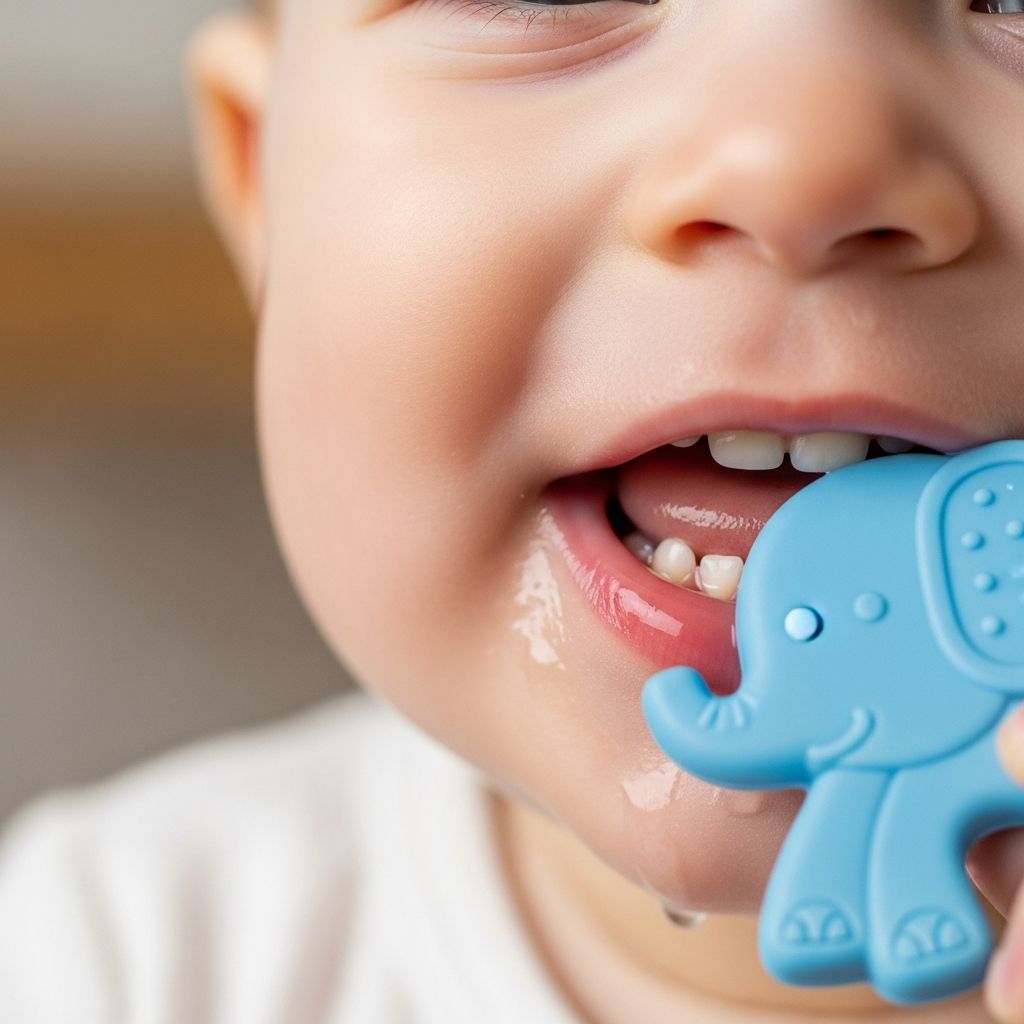
Many parents, including high-profile figures like tennis star Serena Williams, have turned to online communities for advice on soothing their young infants’ discomfort. When Williams shared concerns about her 3-month-old possibly teething, mothers worldwide responded with heartfelt suggestions. However, teething typically begins later, around 6 months, prompting experts to clarify myths and offer evidence-based guidance. This article dives into understanding early fussiness, distinguishing true teething from other issues, and provides practical, safe soothing methods.
Understanding Teething Timeline and Early Symptoms
Teething is the process where a baby’s first teeth emerge through the gums, usually starting between 4 to 7 months, with the average at 6 months. Signs are often subtle and short-lived, appearing only 1-2 days before a tooth breaks through. Common indicators include mild gum swelling, increased drooling, and slight irritability. For a 3-month-old, these symptoms are unlikely to signal teething, as dental development hasn’t progressed that far.
Parents frequently attribute fussiness, drooling, or sleep disruptions to teething prematurely. In reality, these can stem from developmental leaps, viral infections, or ear issues. Pediatricians emphasize that true teething discomfort is brief and not accompanied by high fever or severe symptoms. Recognizing this helps parents respond appropriately without unnecessary worry.
- Increased salivation: Babies produce more saliva as gums prepare, leading to chin rashes.
- Gum sensitivity: Rubbing fists or chewing on objects signals emerging teeth.
- Mild fussiness: Discomfort peaks just before eruption.
Common Misconceptions About Infant Discomfort
A major myth is that teething causes fever over 100.4°F (38°C), diarrhea, or vomiting. These symptoms warrant medical attention, as they often indicate illness rather than dental growth. Home remedies like amber necklaces, teething gels with benzocaine, or homeopathic tablets have been deemed ineffective or risky by health authorities, potentially leading to choking or toxicity.
| Myth | Reality | Expert Advice |
|---|---|---|
| Teething causes high fever | Fever signals infection | Check temperature; see doctor if over 100.4°F |
| Gels numb pain instantly | Many are unsafe for infants | Avoid benzocaine products |
| Early signs at 3 months | Too soon for teeth | Monitor for viruses or normal development |
Safe and Effective Soothing Techniques for Young Babies
When a baby seems uncomfortable, focus on gentle, age-appropriate methods. For infants under 6 months, prioritize comfort over assumed teething remedies. Parents online suggested creative ideas like frozen breastmilk in mesh feeders, which provide cold relief without direct ice contact. Always supervise to prevent choking.
Cold Comfort Methods
Cold temperatures numb gums naturally. Offer chilled items safely:
- Refrigerated clean washcloths for gnawing.
- Frozen fruit puree in mesh teething toys (introduce solids only after 6 months).
- Breastmilk ice cubes in feeders for nursing babies.
Distraction and Touch Therapies
Physical comfort works wonders. Gentle gum massages with a clean finger can ease tenderness. Carry your baby in a sling for skin-to-skin contact, or use white noise to promote sleep. Over-the-counter pain relievers like infant acetaminophen are options for babies over 2 months, but only under pediatrician guidance.
Hygiene and Rash Prevention
Drooling leads to skin irritation. Wipe chins frequently, apply barrier creams like petroleum jelly, and use bibs. Keep hands clean during massages to avoid infection.
Parental Wisdom: Community-Suggested Remedies
Online forums buzz with real-mom tips, inspired by shared experiences like Williams’. These emphasize natural, accessible solutions:
- Chilled pacifiers: Dip in water, freeze briefly for soothing suckling.
- Wooden teethers: Smooth, organic options for older babies.
- Cuddles and rocking: Emotional support often trumps gadgets.
- Hydration boosts: Extra feeds prevent dehydration from drool.
While anecdotal, these align with expert recommendations when used safely. Always test temperatures to avoid burns.
When to Consult a Pediatrician
Not all discomfort is teething-related. Seek professional help for:
- Fever above 100.4°F.
- Diarrhea, vomiting, or rash.
- Ear tugging or persistent crying.
- Sleep refusal beyond 3 days.
Ear infections mimic teething with fussiness and fever, resolving in days if viral but needing antibiotics if bacterial. Normal developmental fussiness phases pass without intervention.
Long-Term Teething Preparation
As babies approach 6 months, stock up on BPA-free teethers and monitor nutrition. Iron-rich foods post-6 months support enamel development. Track milestones: lower central incisors first, followed by uppers.

Frequently Asked Questions (FAQs)
Can a 3-month-old really be teething?
No, first teeth rarely appear before 4 months. Early signs are usually other issues like growth spurts.
Are teething necklaces safe?
No, they pose choking and strangulation risks. Experts strongly advise against them.
What’s the best remedy for drooling?
Wipe frequently, use bibs, and apply lanolin cream to prevent rashes.
Does teething affect sleep?
Mildly, but prolonged issues may indicate illness. Maintain routines.
When do most babies get their first tooth?
Around 6 months, varying by child.
Building Resilience: Emotional Support for Parents
Parenting young infants involves trial and error. Communities like those responding to Williams foster solidarity. Track symptoms in a journal to spot patterns, reducing anxiety. Remember, most discomfort is transient.
Expand your toolkit with books like Baby 411 by Dr. Ari Brown, praised for myth-busting advice. Join parent groups for ongoing support.
References
- It’s Ok Serena. There’s Hope for Your Teething Baby — Checkup Newsroom (Dr. Mona Amin). 2017-08-15. https://www.checkupnewsroom.com/its-ok-serena-theres-hope-for-your-teething-baby/
- Serena Williams asked for teething tips for her 3-month-old—and moms of the internet delivered — Mother.ly. 2017-08-14. https://www.mother.ly/life/serena-williams-asked-for-teething-tips-for-her-3-month-oldand-moms-of-the-internet-delivered/
- Teething in Babies — American Academy of Pediatrics (AAP). 2024-02-01. https://www.healthychildren.org/English/ages-stages/baby/teething-tooth-care/Pages/Teething-Pain.aspx
- Infant Teething: Common Questions — Mayo Clinic. 2025-01-10. https://www.mayoclinic.org/healthy-lifestyle/infant-and-toddler-health/expert-answers/teething/faq-20057997
- Teething Syndrome or Something More? — Centers for Disease Control and Prevention (CDC). 2023-11-20. https://www.cdc.gov/parents/essentials/teething.html