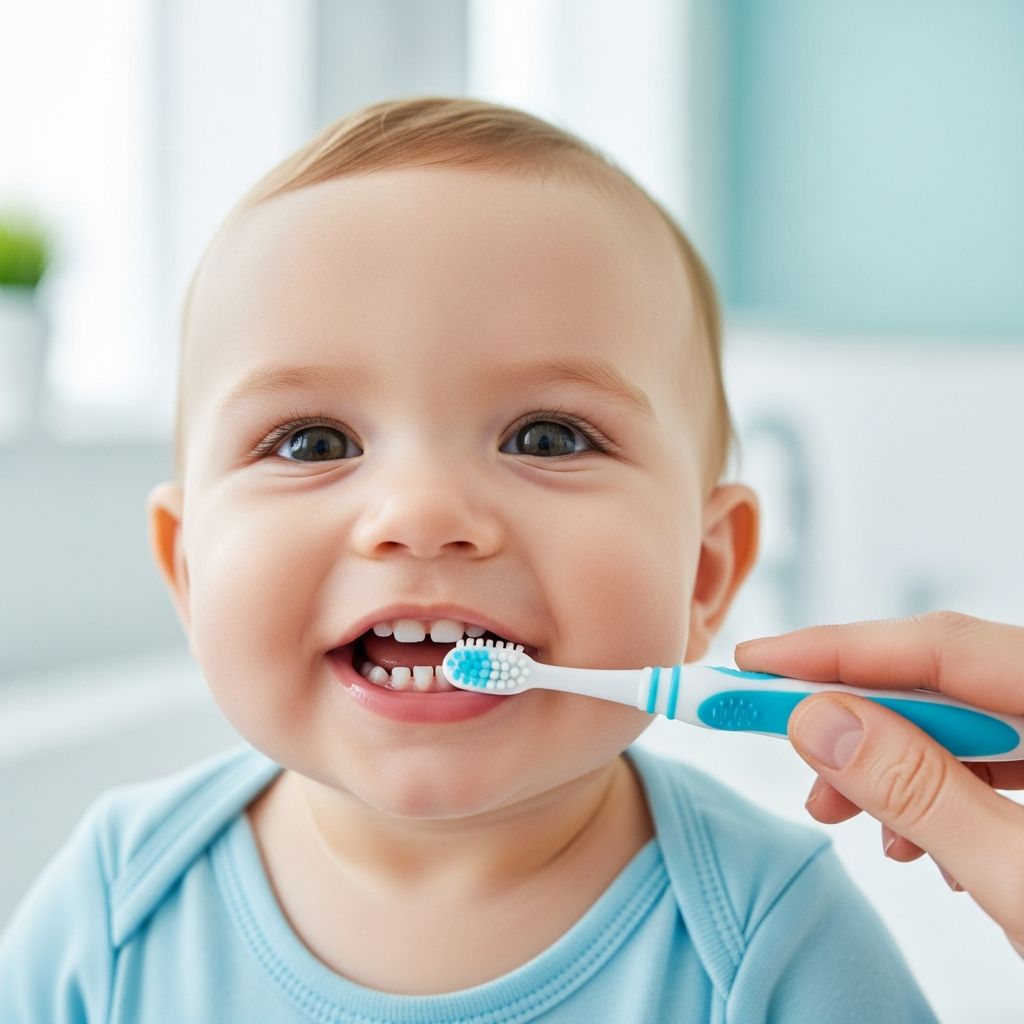
Primary teeth, often called baby teeth, are foundational for a child’s development, influencing speech, chewing, and the alignment of permanent teeth. Cavities in these teeth are surprisingly common, affecting nearly half of children by age five, but they are largely preventable with informed care.
Why Primary Teeth Deserve Your Attention
Baby teeth guide the eruption of adult teeth and support proper jaw growth. Neglecting them can lead to misalignment issues later. Research from the American Academy of Pediatrics emphasizes that early dental habits reduce decay risk into adolescence. Healthy primary teeth also promote confident eating and clear speech.
These teeth begin appearing around six months, with a full set by age three. Their thinner enamel makes them vulnerable to decay, which can cause pain, infections, or early loss, impacting nutrition and self-esteem.
How Tooth Decay Takes Hold in Young Mouths
Tooth decay starts when bacteria in the mouth feed on sugars from food and drinks, producing acids that erode enamel. This process, detailed by the National Institute of Dental and Craniofacial Research, can begin within minutes of sugar exposure and progress to cavities if unchecked.
In infants, saliva normally neutralizes acids, but frequent sugary exposures overwhelm this defense. Conditions like reduced saliva from medications heighten risk, as noted by pediatric experts.
Recognizing Early Warning Signs of Decay
- Dark spots or pits on tooth surfaces
- Sensitivity to sweet, hot, or cold items
- Complaints of toothaches or jaw pain
- Bad breath or visible plaque buildup
- Difficulty chewing or reluctance to eat
Spotting these early allows intervention before pain escalates. Regular checkups from age one can catch issues invisibly developing under the surface.
Key Risk Factors Every Parent Should Know
| Risk Factor | Description | Impact on Baby Teeth |
|---|---|---|
| Frequent Sugary Drinks | Bottles or sippy cups with milk, formula, or juice used for soothing | Prolonged acid attacks lead to ‘bottle decay’ on front teeth |
| Poor Hygiene Routines | Skipping gum cleaning or brushing | Plaque accumulation accelerates enamel breakdown |
| Bacterial Transmission | Parents sharing utensils or licking pacifiers | Transfers cavity-causing bacteria like Streptococcus mutans |
| Prolonged Night Feedings | Falling asleep with breast, bottle, or pacifier | Sugars pool around teeth overnight without saliva flow |
| Limited Fluoride Exposure | Non-fluoridated water or toothpaste | Weaker enamel prone to faster decay |
These factors compound; for instance, preemies often have softer enamel, amplifying risks.
Building a Strong Defense: Daily Oral Care Essentials
Start before teeth emerge by wiping gums with a damp cloth after feeds to remove milk residues. Once the first tooth appears, brush twice daily with a rice-sized smear of fluoride toothpaste for children under three.
Supervise brushing to ensure coverage, using gentle circles. By age three, increase to a pea-sized amount, and introduce flossing when teeth touch. Consistency turns hygiene into habit.
The Power of Fluoride in Fortifying Tiny Teeth
Fluoride remineralizes enamel, halting early decay. The CDC highlights that fluoridated water communities see 25% fewer cavities. Use fluoridated toothpaste and ask dentists about varnish applications at visits, which strengthen teeth professionally.
Avoid excess to prevent fluorosis; supervision prevents swallowing. For non-fluoridated areas, supplements may be recommended.
Diet Choices That Shield Against Decay
Opt for water between meals to rinse sugars. Limit sticky snacks like gummies; choose cheese or yogurt, which neutralize acids. Breast milk or formula at mealtimes is fine, but wean from bottles by 12-15 months.
- Encourage crunchy fruits and veggies for natural cleaning
- Avoid juice; dilute if offered, in cups only
- Pair sweets with meals to minimize exposure time
Balanced nutrition supports saliva production, a natural decay fighter.
Breaking Harmful Habits Before They Harm Teeth
Never put babies to bed with bottles containing anything but water—sugars linger without swallowing to clear them. Transition to cups by one year. Clean pacifiers with water, not mouths, to avoid bacteria transfer.
Limit pacifier use post-first birthday to prevent alignment shifts. These steps curb ‘nursing caries’ effectively.
When to Schedule That First Dental Visit
The AAP recommends a visit by age one or first tooth, establishing a preventive baseline. Dentists assess risks, apply fluoride, and guide parents. Biannual cleanings monitor growth.
Early visits normalize dentistry, reducing future anxiety. High-risk kids benefit from tailored plans.
Treatment Options for Detected Cavities
Early decay may reverse with fluoride treatments. Deeper cavities require fillings to restore function. Severe cases might need crowns or extractions, with space maintainers to guide permanent teeth.
Pain management and antibiotics treat infections. Prompt action prevents spread to permanent teeth buds.
Long-Term Consequences of Ignoring Baby Tooth Decay
Untreated cavities cause chronic pain, hindering sleep and eating. Abscesses risk jaw spread, and early loss misaligns bites, potentially needing orthodontics. Poor habits perpetuate into adulthood, raising costs.
Investing now yields healthier futures; studies link early decay to lifelong issues.
Frequently Asked Questions
Can cavities in baby teeth harm permanent ones?
Yes, infections can damage underlying permanent teeth, causing delays or defects. Treat promptly.
Is fluoride safe for infants?
In recommended amounts, yes—it strengthens enamel. Consult dentists for personalized advice.
What if my child refuses brushing?
Make it fun with songs, timers, or character brushes. Lead by example.
How do I know if our water has fluoride?
Check local water reports or use CDC tools; supplements fill gaps.
Are baby teeth extractions common?
Only for severe, untreatable decay; space maintainers follow.
Empowering Parents for Lasting Oral Health
Armed with knowledge, parents can foster cavity-free smiles. Combine hygiene, diet vigilance, and professional care for optimal results. Your child’s radiant grin starts with today’s choices.
References
- Cavities in Baby Teeth: Understanding & Prevention — Leap Kids Dental. 2023. https://leapkidsdental.com/cavities-in-baby-teeth-understanding-and-prevention/
- How to Prevent Tooth Decay in Your Baby — American Academy of Pediatrics (healthychildren.org). 2024-01-15. https://www.healthychildren.org/English/ages-stages/baby/teething-tooth-care/Pages/How-to-Prevent-Tooth-Decay-in-Your-Baby.aspx
- Dental: Cavities in Baby Teeth — Nationwide Children’s Hospital. 2024. https://www.nationwidechildrens.org/family-resources-education/health-wellness-and-safety-resources/helping-hands/dental-cavities-in-baby-teeth
- Cavities are a big problem for little ones’ teeth — Delta Dental. 2023-06-01. https://www.deltadental.com/us/en/protect-my-smile/life-stages/infants-toddlers/cavities-are-a-big-problem-for-little-ones-teeth.html
- The Tooth Decay Process: How to Reverse It and Avoid a Cavity — National Institute of Dental and Craniofacial Research (NIDCR), NIH. 2024. https://www.nidcr.nih.gov/health-info/tooth-decay/more-info/tooth-decay-process