Water can be a wonderful place for your baby to explore, bond with you, and build early confidence, but it also demands careful planning and strict safety habits. This guide walks you through when to start, how to prepare, what to bring, and how to keep every splash session safe and enjoyable for both of you.
Why Water Time Matters for Babies
Gentle water play exposes babies to new sensations, helping them become more comfortable with bathing, pools, and other water environments as they grow. Being in the water together is also a powerful bonding experience, as your baby learns to trust your support while discovering new movements.
With the right preparation, early swim sessions can help your child develop body awareness, confidence, and positive associations with water that make future swim lessons easier.
When Can Babies Start Going in the Pool?
Most pediatric experts recommend waiting until your baby is a few months old before visiting large, public pools, mainly due to water temperature, germs, and overstimulation. Warm, well-maintained pools designed for families are usually the best first choice, especially if you can limit the time spent in the water.
Rather than focusing only on a specific age, pay attention to your baby’s readiness: stable health, ability to regulate temperature reasonably well, and an overall calm, curious temperament during baths are strong signs that gentle pool time may go smoothly.
Health and Hygiene Considerations
Before planning a pool visit, talk with your pediatrician if your baby was premature, has chronic health conditions, breathing issues, or skin problems. A quick conversation can help you decide when and how to introduce your baby to the water more safely.
Public pools can contain germs that spread through swallowing or inhaling water or through contact with skin and eyes, so strict diaper rules, pre-swim rinses, and avoiding the pool when your baby is ill are important habits.
Signs You Should Skip the Pool Today
- Fever, cough, difficulty breathing, or obvious signs of illness.
- Vomiting, diarrhea, or a recent stomach bug within the last couple of days.
- Open sores, untreated rashes, or skin infections that could worsen in pool water.
- Unusual fussiness or lethargy, suggesting your baby is not feeling well.
Pool Temperature and Time Limits
Babies lose body heat more quickly than adults, especially in cooler water, so temperature and time limits are essential. Warm-water pools (often around typical therapy or baby class temperatures) are ideal, while very cold pools, lakes, or the ocean can be too harsh for early experiences.
Short, frequent sessions are kinder to your baby than one long stay in the water, and you can always add more time gradually as your child grows and becomes more comfortable.
| Approximate Age | Water Type | Suggested Time in Water | Key Notes |
|---|---|---|---|
| 0–3 months | Bath at home only | 5–10 minutes of gentle play | Focus on safe baths and comfort with water on skin and head. |
| 3–6 months | Warm indoor pool | 5–10 minutes followed by a warm towel break | Always keep baby close to your body; watch for shivering or blue lips. |
| 6–12 months | Warm indoor pool or calm outdoor pool | 10–20 minutes with breaks | Gradually add toys and simple games but keep water shallow and calm. |
| 12+ months | Shallow pools, splash pads | Up to 30 minutes with breaks | Watch energy levels and temperature; offer rest and hydration often. |
Essential Safety Rules Every Parent Must Know
Drowning can be silent and extremely fast, so supervision and physical proximity are non-negotiable every time your baby is near water. No device, class, or toy replaces an alert adult within arm’s reach.
Creating strict personal rules around phones, conversations, and distractions can dramatically reduce risk, especially at busy pools or social gatherings where attention naturally wanders.
Non-Negotiable Safety Habits
- Stay within arm’s reach of your baby every second they’re in or near the water.
- Assign a single “water watcher” adult at gatherings, and rotate this role regularly.
- Never rely on older children to supervise a baby in or near any type of water.
- Treat bathtubs, buckets, kiddie pools, and garden ponds with the same caution as big pools.
- Remove toys from the pool area when not in use so babies are not tempted to crawl toward the water.
Choosing the Right Place for Baby’s First Swim
The environment you choose for early swim sessions can shape your baby’s feelings about water for years to come. Look for places that prioritize cleanliness, clear rules, and family-friendly features like shallow sections and steps.
Whether you use a community pool, gym, or neighborhood club, take time to observe how the facility is managed before bringing your baby for the first time.
What to Look for in a Pool
- Moderate noise levels so your baby is not overwhelmed by echoes and shouting.
- Separate shallow areas or designated family sections where you can stand comfortably.
- Visible lifeguards who appear attentive, not distracted.
- Clear rules about diapers, illness, and water cleanliness posted where parents can see them.
- Easy access to warm showers and changing areas with benches or changing tables.
Gear Checklist: What to Bring
The right gear keeps your baby comfortable, supports hygiene, and helps you stay organized so you can focus on enjoying the water rather than scrambling for missing items. Planning ahead can turn what might feel like a stressful outing into a smooth, predictable routine.
Many parents find it easier to pack a dedicated “swim bag” that lives by the door, stocked and ready for every aquatic adventure.
Baby Swim Essentials
- Swim diaper (plus multiple backups).
- Snug-fitting baby swimsuit or rash guard (for warmth and sun protection if outdoors).
- Large hooded towel and an extra towel for you.
- Clean diaper, wipes, and a plastic bag for wet clothes.
- Baby-safe sunscreen (for babies old enough per your pediatrician’s advice).
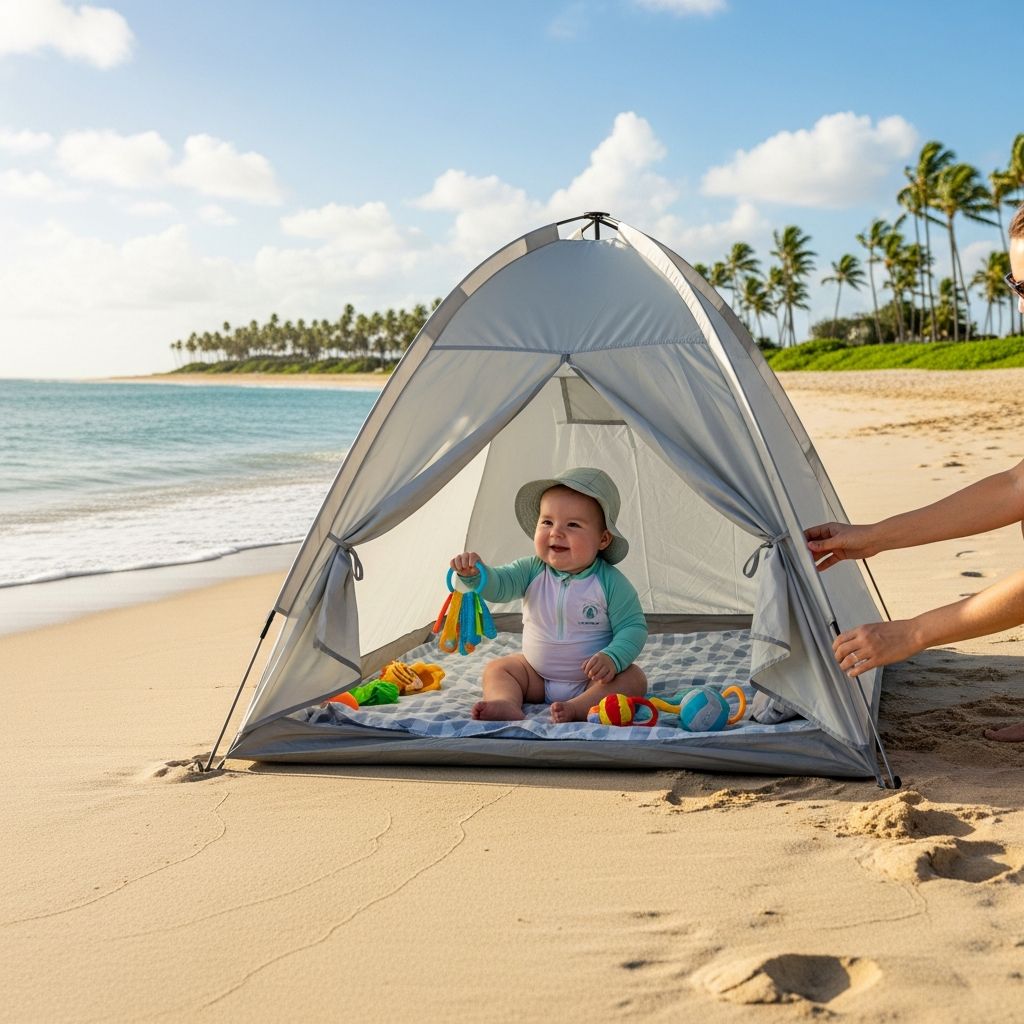
- Soft hat and lightweight cover-up for outdoor pools.
- Baby-friendly moisturizer for after-swim skin care.
- Favorite small toy or comfort item for the locker room.
Using Swim Diapers the Smart Way
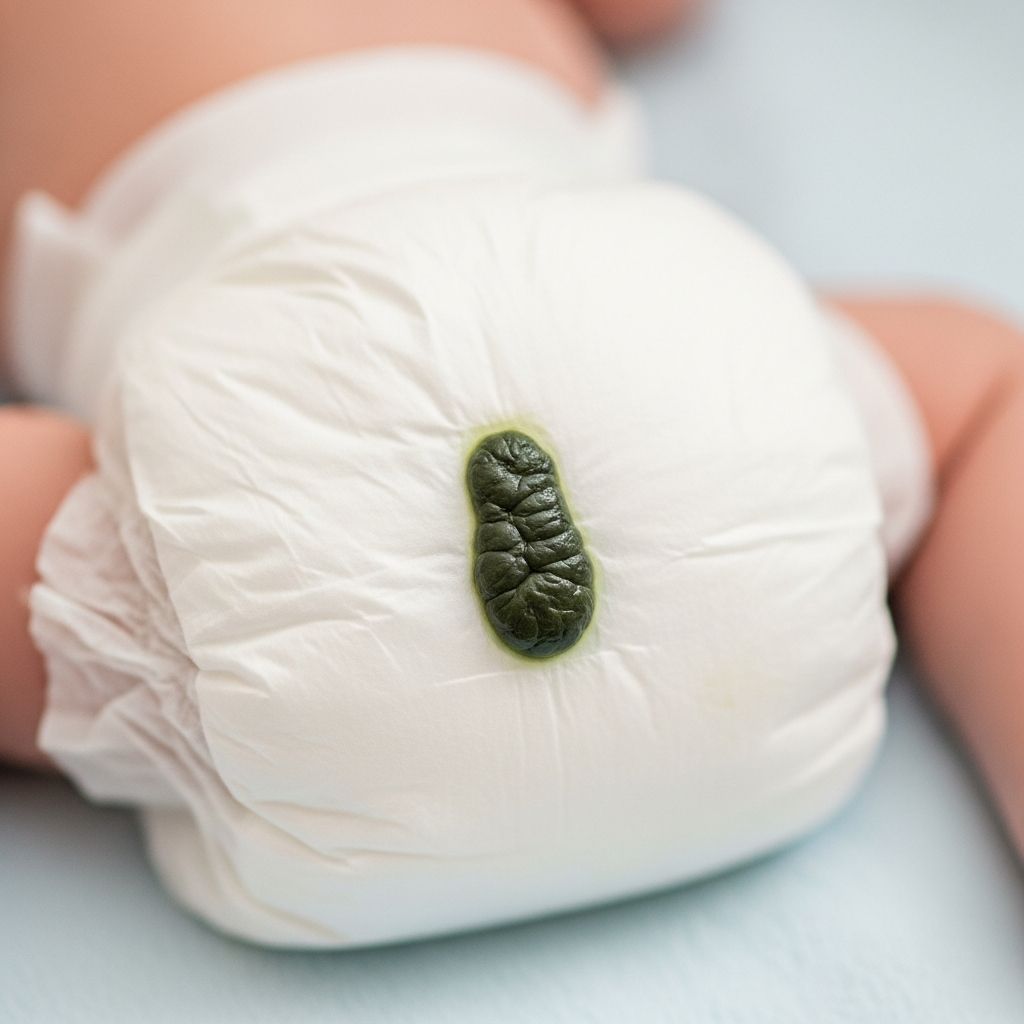
Swim diapers are designed to contain solids, not liquids, so they must be paired with frequent checks and bathroom breaks. Leaving a baby in a saturated swim diaper too long can lead to discomfort or leaks into the pool.
Reusable swim diapers and snug-fit disposable styles both work; the key is correct sizing and a good leg and waist seal without irritating the skin.
Practical Swim Diaper Tips
- Put the swim diaper on right before entering the pool to avoid extra time in a damp or tight garment.
- Check the diaper regularly and exit the water immediately if you suspect it needs changing.
- Never use a standard disposable diaper in the pool, as it will swell and likely burst.
- Keep a changing mat handy for quick, sanitary diaper changes in the locker room.
Comfortable Ways to Hold Your Baby in the Water
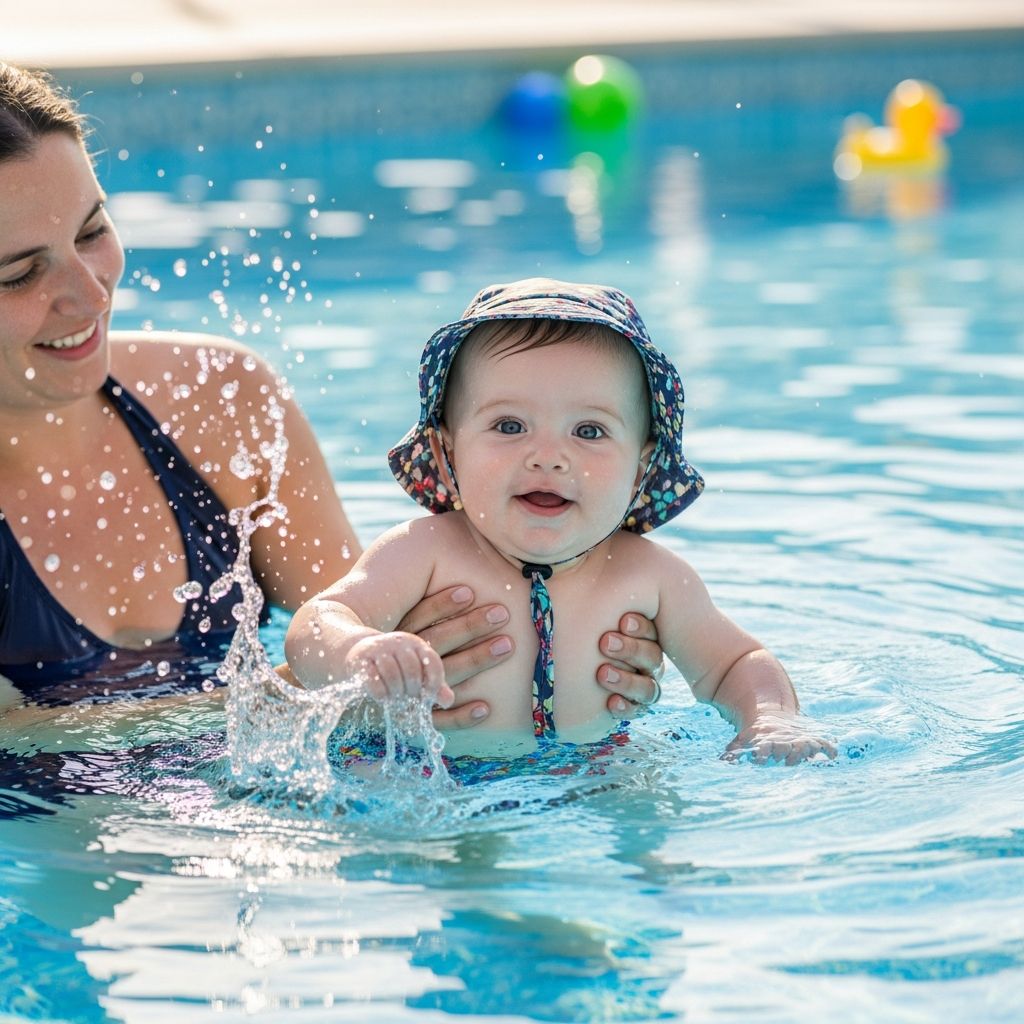
The way you support your baby in the pool affects both safety and comfort, so start with positions that keep your baby very close to your body. This closeness offers warmth, security, and an easy way to monitor your baby’s cues.
As your baby grows and gains neck and core strength, you can gradually move toward more extended holds that give them room to kick and splash while you maintain firm support.
Gentle Holding Positions
- Chest-to-chest hold: Hold your baby upright against your chest, one arm under their bottom and one hand supporting the head and neck if needed. Walk slowly through shallow water so your baby feels the gentle movement.
- Side hip hold: When your baby has better head control, support them on your hip with one arm and one hand under the thighs, keeping their face turned away from splashes.
- Belly float support: When developmentally appropriate, support your baby’s chest and upper arms with both hands while they float on their tummy, keeping their face above water at all times.
Simple Games to Make Water Fun
Early swim sessions are less about learning strokes and more about building trust and enjoyment. Quiet, predictable games allow your baby to explore cause and effect, practice moving their arms and legs, and associate the water with play and laughter.
Always follow your baby’s lead: if they seem tense or overstimulated, switch to a calmer activity or take a break wrapped in a warm towel.
Age-Appropriate Water Play Ideas
- Gentle splashes: Sit on the steps or in very shallow water with your baby on your lap. Help them tap their hands and feet on the water surface and talk about what they feel.
- Follow the toy: Float a small toy a short distance away and slowly walk or glide toward it while holding your baby, allowing them to reach and grab when close.
- Water songs: Sing simple songs or rhymes while bouncing gently in the water, using the rhythm to cue slow lifts or sways.
- Pouring play: Use small cups to pour water over baby’s arms, shoulders, and back, gradually introducing light drips on the top of the head if they remain calm.
Building Comfort with Water on the Face
Many children resist water on their faces, especially around the eyes and nose, so it helps to start very gently and gradually. Forcing dunking or splashing can create fear and make future swim lessons harder.
At home, you can prepare your baby for the pool by making face rinsing a normal, predictable part of baths and by keeping your own reaction to splashes relaxed and cheerful.
Gentle Face-Water Progression
- Start with a soft, damp washcloth on cheeks and forehead, using a calm voice.
- Lightly drizzle water from your hand across the back of the head so a few drops roll down the neck and shoulders.
- When your baby is comfortable, allow small splashes to reach their chin and lips while you smile and reassure them.
- Avoid sudden submersions or surprise splashes that might cause coughing or panic.
After-Swim Care: Warmth and Skin
Once you leave the pool, your baby may cool down quickly, so wrapping them in a large, dry towel right away is important. If possible, move straight to a warm indoor changing area to dress your baby in dry clothes.
Rinsing off pool water and gently moisturizing your baby’s skin helps reduce dryness and irritation, particularly if you swim regularly in chlorinated pools.
Baby Swimming and Formal Lessons
Many parents wonder when to start formal swim lessons or water safety classes. For young babies, parent-and-child sessions mostly focus on comfort, play, and basic water awareness, not real swimming skills or survival techniques.
As your child becomes a toddler and preschooler, structured lessons can support their ability to float, move through the water, and follow safety rules, but even confident swimmers still need constant adult supervision near water.
Common Myths About Babies and Water
Misconceptions about what babies can do in the water can lead to unsafe choices, so it helps to separate myths from reality. While babies may naturally move their arms and legs in water, this does not mean they can swim or keep themselves safe.
No early water experience can make a baby “drown-proof,” so parents should continue using multiple layers of protection like supervision, barriers, and education as children grow.
Myth vs. Reality
| Myth | Reality |
|---|---|
| Babies are natural swimmers and can keep themselves afloat. | Babies may have reflexive movements, but they cannot understand danger or reliably keep their airways clear. |
| A baby who enjoys the pool is safe around water. | Enjoyment has nothing to do with safety; supervision and barriers are still essential. |
| Floatation toys are enough protection in shallow water. | Inflatable toys can slip off, flip, or fail and must never replace an adult’s arms and attention. |
| Short absences, like answering the door, are harmless. | Serious accidents can happen in seconds, even in very shallow water. |
FAQs About Swimming with Your Baby
How long should my baby stay in the water?
Keep early sessions very short, often just 5–10 minutes in the water followed by a warm break, and slowly increase to about 20–30 minutes as your baby grows and tolerates the temperature well. If you notice shivering, pale or bluish lips, or fussiness, end the session and warm your baby immediately.
Can I take my newborn to a public pool?
Very young babies are more vulnerable to infections and have difficulty regulating body temperature, so many healthcare providers suggest limiting them to baths at home or very controlled private settings at first. Always follow your pediatrician’s advice about timing, especially for premature babies or those with health concerns.
Do I need special goggles or floatation devices for my baby?
Goggles are usually unnecessary for young babies, who spend most of their time upright in your arms, but they may be useful later when your child begins putting their face in the water willingly. If you use any floatation aid, ensure it is properly rated for infants or toddlers and remember that it does not remove the need for direct, hands-on supervision.
What should I do if water gets in my baby’s mouth or nose?
Remain calm and hold your baby upright against your chest while they cough or sputter, gently patting their back. If your baby recovers quickly and seems content, you can continue with quieter activities, but if they remain distressed, it is best to end the session.
How can I help my baby enjoy the water if they seem scared?
Move slowly, keep them close to your body, and stay in very shallow water at first. Talk or sing softly, avoid sudden movements, and be willing to stop early; consistency over multiple short, positive experiences often works better than trying to “push through” fear in a single visit.