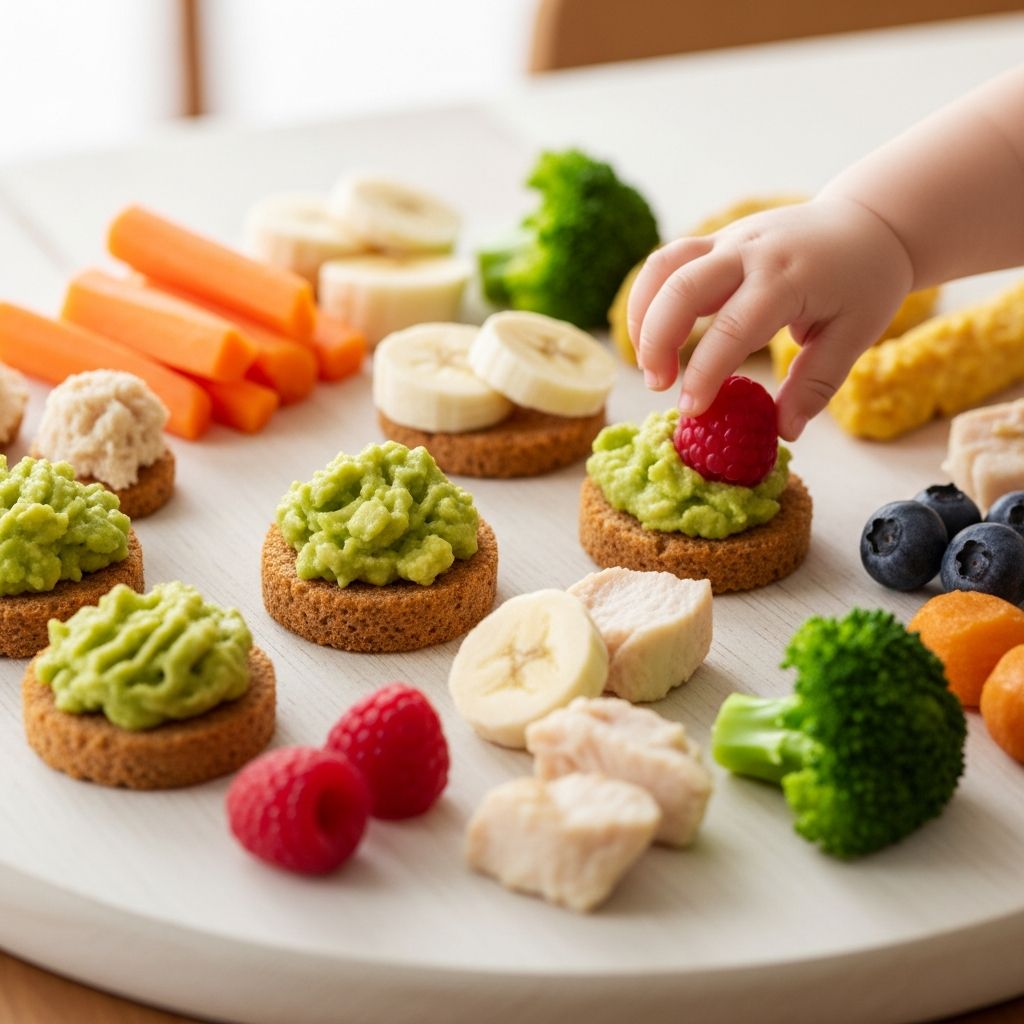
Transitioning babies from purees to finger foods marks an exciting milestone in their feeding journey. This stage, typically beginning around 6-9 months, encourages self-feeding, enhances motor skills, and exposes little ones to diverse textures and flavors. Parents play a crucial role in making this phase safe and enjoyable by selecting appropriate foods, mastering preparation techniques, and vigilantly preventing choking incidents.
Determining Readiness for Self-Feeding
Babies generally show signs of readiness for finger foods between 6 and 9 months, though every child develops at their own pace. Key indicators include the ability to sit upright with minimal support, good head and neck control, and emerging pincer grasp—using thumb and forefinger to pick up small items. At this stage, babies’ strong gums suffice for mashing soft foods, eliminating the need for teeth.
Consult your pediatrician before starting, especially if your baby was premature or has developmental delays. The American Academy of Pediatrics recommends introducing solids around 6 months, aligning with improved digestive maturity and reduced allergy risks when allergens are introduced early.
- Strong sitting posture without support
- Interest in watching others eat
- Ability to rake food with palms, progressing to pincer grasp by 9 months
- Loss of tongue-thrust reflex, allowing food to stay in mouth
Essential Safety Rules for Mealtimes
Safety is paramount when introducing finger foods. Always supervise closely during meals—never leave a baby unattended with food. Position your baby in a highchair with straps secured, ensuring feet dangle without touching the ground for stability. Keep mealtimes distraction-free; turn off TVs and put away toys to maintain focus.
Test food softness by squishing it between your thumb and forefinger—it should mash easily, mimicking what baby gums can handle. Cut pieces to about the size of an adult pinky finger initially (roughly 1-2 inches long, half-inch wide) for 6-8 month olds, adjusting smaller as skills improve.
| Age Group | Recommended Size/Shape | Texture Test |
|---|---|---|
| 6-8 months | Finger-length strips | Squish easily between fingers |
| 9-12 months | Smaller bites, pea-sized for some | Mashable with gums, no hard edges |
Prime Finger Food Categories and Picks
Fruits: Sweet and Squishable Delights
Ripe fruits provide natural sweetness and hydration. Opt for soft varieties like bananas sliced into spears, avocado chunks, or ripe pear slivers (peeled to avoid tough skins). Roast or steam firmer options such as apples or peaches until fork-tender. For grip, lightly roll slippery pieces in baby cereal or crushed puffs.
- Banana spears: Naturally soft, potassium-rich
- Avocado: Creamy fat source for brain development
- Soft pear or peach slices: Vitamin C boost
- Steamed apple wedges: Fiber for digestion
Vegetables: Nutrient-Packed and Gentle
Steamed veggies offer vitamins without overwhelming chewiness. Favorites include sweet potato fries (roasted soft), carrot sticks (well-cooked), or green bean pieces trimmed to manageable lengths. Broccoli florets steamed until floppy provide iron and fun textures.
- Sweet potato: Beta-carotene powerhouse
- Carrots: Cooked until mushable
- Green beans: Trim ends, steam soft
- Zucchini sticks: Mild flavor, high water content
Proteins: Building Blocks for Growth
Introduce tender proteins shredded or minced finely. Plain yogurt drops, scrambled eggs (well-cooked), or ground poultry/pork patties crumbled small deliver essential amino acids. Tofu cubes absorb flavors and are naturally soft.
- Shredded chicken: Mild, versatile protein
- Scrambled egg: Choline for brain health
- Soft tofu: Plant-based, easy to gum
- Ground turkey: Lean iron source
Grains and Carbs: Energy Sustainers
Whole grains support steady energy. Offer toasted whole-grain toast strips with thin avocado spread, mini pasta pieces (overcooked al dente-free), or quinoa blobs molded soft. Rice cakes (crumbled if needed) add crunch safely.
- Whole wheat toast fingers: B vitamins
- Overcooked pasta: Iron-fortified options
- Quinoa: Complete protein grain
- Oat pancakes: Cut into strips
Choking Hazards to Eliminate
Choking remains the top concern; the CDC identifies round, hard, sticky, or slippery foods as primary risks for infants under 12 months. Avoid whole grapes (quarter them later), nuts/seeds, popcorn, hot dogs (even cut), raw veggies, chunks of cheese/meat, gummy candies, and untoasted bread that clumps.
Common pitfalls include undercooked produce or large bites. If baby gags, resist intervening— their gag reflex protects airways. Only act if breathing stops or lips blue; learn infant CPR via certified classes.
- Never: Whole nuts, grapes, hot dogs, popcorn, hard candy
- Modify: Peel fruits, cook veggies thoroughly, cut meats tiny
- Avoid: Slippery foods uncoated, chewy textures
Smart Preparation Techniques
Preparation transforms safe foods into graspable delights. Steam/roast veggies to fork-tender; blend meats if needed before shredding. For fruits, ripeness is key—overripe is ideal. Vary shapes: strips for raking grasp, later small pieces for pincers.
Enhance nutrition by pairing: nut butter-thinned on toast (post-allergy check), cheese shreds on veggies. Introduce one new food every 3-5 days to monitor allergies like rashes or swelling.
Allergy Awareness and Family History
Top allergens—milk, eggs, peanuts, tree nuts, fish, shellfish, wheat, soy, sesame—should enter early (4-6 months per recent guidelines) but singly. If family allergies exist, consult allergist. Offer peanut products as thinned butter on crackers after 6 months.
Sample Daily Meal Plans
| Meal | 6-8 Months Options | 9-12 Months Options |
|---|---|---|
| Breakfast | Banana spear + yogurt dollop | Oat pancake strips + berry mash |
| Lunch | Steamed carrot stick + tofu cube | Shredded chicken + quinoa blob |
| Dinner | Sweet potato fry + avocado slice | Pasta pieces + broccoli floret |
| Snack | Toast finger + soft pear | Cheese shred + apple wedge |
Overcoming Common Challenges
Messy eaters? Bibs and floor mats help. Picky phases pass with repeated exposure—offer varieties without pressure. Gagging normalizes with practice; track progress in feeding skills.
Frequently Asked Questions (FAQs)
What if my baby refuses finger foods?
Persist gently; mix with familiar purees. Hunger drives interest—offer at regular mealtimes.
How do I know if food is too hard?
Squish test: Mash easily between fingers. Cook longer if needed.
Can babies have honey or peanut butter early?
Honey never under 12 months (botulism risk). Peanuts after 6 months if low-risk, per doctor.
What about teeth? Do they need them?
No—gums mash soft foods effectively up to 12 months.
How often should we offer finger foods?
3 meals + 1-2 snacks daily, alongside breastmilk/formula until 12 months.
Long-Term Benefits of Early Self-Feeding
Mastering finger foods builds confidence, hand-eye coordination, and positive food relationships. Babies who self-feed from early on often become intuitive eaters, recognizing fullness cues and enjoying family meals. Track milestones: from palm raking at 6 months to precise pinching by year one.
By 12 months, expand to more textures, but maintain safety. This foundation supports lifelong healthy habits, reducing obesity risks through responsive feeding.
References
- Choking Hazards — Centers for Disease Control and Prevention (CDC). 2023-10-01. https://www.cdc.gov/infant-toddler-nutrition/foods-and-drinks/choking-hazards.html
- How to prevent your babies from choking on finger foods — Children’s Hospital of Orange County (CHOC). 2023-05-15. https://health.choc.org/how-to-prevent-your-babies-from-choking-on-finger-foods/
- Food Sizes & Shapes to Serve Baby at Each Age — Solid Starts. 2024-01-10. https://solidstarts.com/safe-food-sizes-shapes-for-babies/
- How to Serve Finger Foods to Baby from 6-12 months — SR Nutrition. 2024-11-01. https://www.srnutrition.co.uk/2024/11/how-to-serve-finger-foods-to-baby-from-6-12-months/
- The Smart Guide to Baby’s First Finger Foods — KinderCare. 2023-06-01. https://www.kindercare.com/content-hub/articles/2017/june/smart-guide-to-babys-first-finger-foods