Summer brings joy with outdoor play, but for infants, high temperatures pose serious threats like dehydration, heat exhaustion, and sunburn. Babies under one year regulate body temperature poorly due to immature systems, heating up faster than adults—up to three to five times quicker. Prioritizing shade, hydration, and protective gear keeps them safe and comfortable.
Understanding Heat Vulnerabilities in Babies
Infants lose heat less efficiently through sweating and have larger head-to-body ratios, increasing heat absorption. Overheating risks escalate in temperatures above 75-80°F heat index, potentially leading to heat-related illnesses. Early sunburns before age 15 heighten melanoma risk later, making prevention critical from birth.
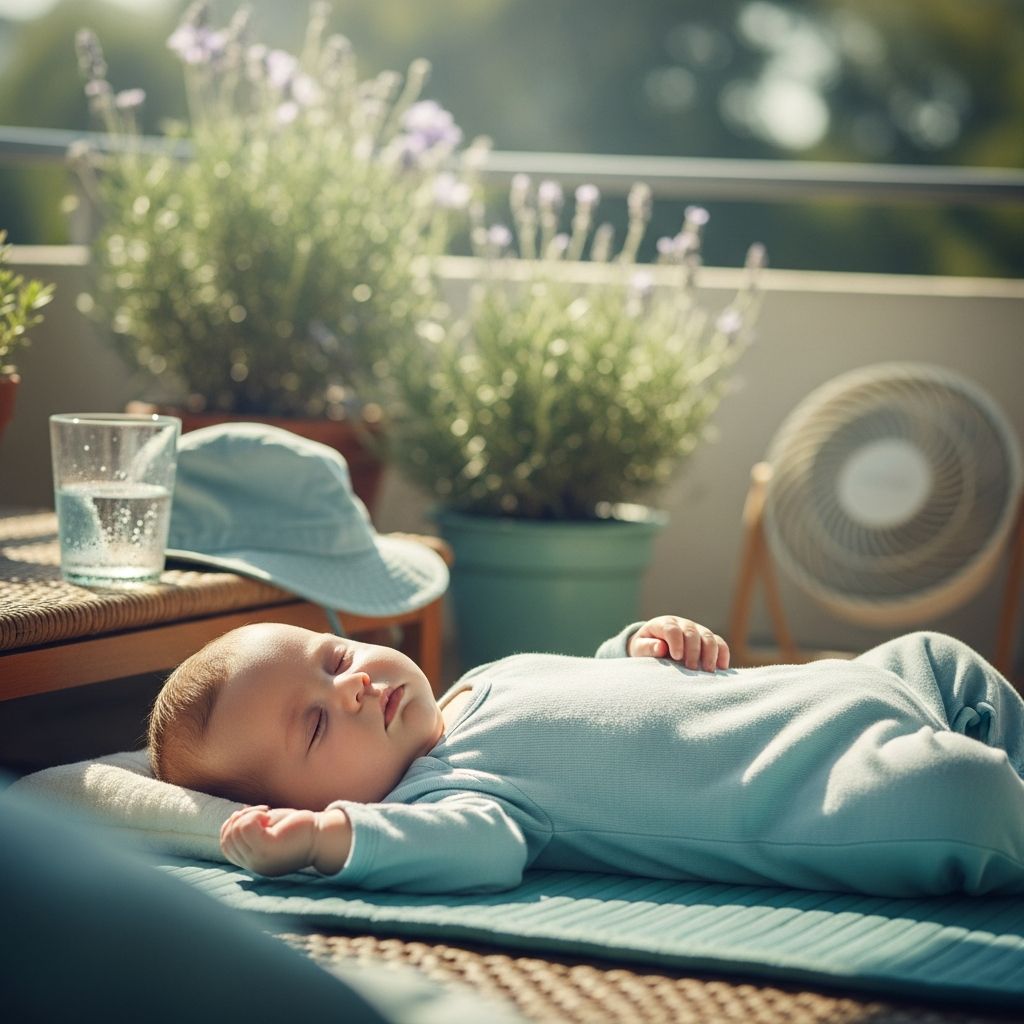
Maintain indoor temperatures below 75°F using air conditioning or fans. Check room thermostats regularly; if adults feel warm, babies likely overheat too. Avoid direct sun exposure between 10 a.m. and 4 p.m., when UV rays peak.
Optimal Clothing Choices for Hot Days
Dress babies in lightweight, breathable cotton onesies or loose outfits in light colors to reflect heat. A single layer suffices at home or bedtime; skip heavy blankets or multiple layers. For outdoors, opt for long-sleeved shirts and pants covering skin without tightness.
- Use wide-brimmed hats shielding face, ears, and neck.
- Add UV-protective sunglasses if tolerated.
- Choose stroller canopies or umbrellas for shade; never drape blankets, as they trap heat.
At night, ensure sleep areas are cool with uncovered heads and minimal bedding per safe sleep guidelines. Thin swaddles work if needed, but prioritize ventilation.
Hydration Essentials to Prevent Dehydration
Dehydration strikes babies fast, causing fussiness, fewer wet diapers, or seizures in extremes. Breastfeed or formula-feed on demand more frequently in heat; offer cooled boiled water to those over 6 months. Caregivers should hydrate too, especially when breastfeeding.
| Age Group | Daily Fluid Needs | Signs of Dehydration |
|---|---|---|
| Newborns (0-6 months) | Breast milk/formula on demand | Dry mouth, sunken fontanelle, lethargy |
| 6-12 months | Breast milk/formula + water (4-6 oz) | Fewer diapers, no tears when crying |
Aim for 4-6 glasses of water daily for mobile infants, more if active. Monitor urine output: 6-8 wet diapers daily signals good hydration.
Sun Protection Strategies by Age
For babies under 6 months, avoid sunscreen; rely on shade, clothing, and hats. Over 6 months, apply mineral-based, broad-spectrum SPF 30+ lotion 15-30 minutes pre-exposure, reapplying every 2 hours or after water/sweat. Use about 1 ounce per application for full coverage.
- Prefer lotions over sprays to avoid inhalation.
- Select fragrance-free, hypoallergenic formulas.
- Combine with car window shades for rides.
For young infants outdoors, park strollers under trees, pavilions, or mesh tents ensuring airflow. Limit play to shaded areas.
Smart Scheduling for Outdoor Activities
Plan outings before 10 a.m. or after 4 p.m. Check heat index forecasts; stay indoors above 80°F. Take 20-minute shade breaks during longer exposures. Short trips reduce risks while allowing fresh air benefits.
Indoor alternatives include water play with shallow tubs or fan-cooled rooms. Schedule extra naps during peak heat to combat fatigue.
Vehicle and Water Safety Imperatives
Never leave babies unattended in cars; interiors heat rapidly to lethal levels even with cracked windows. Use sunshades on windows. For pools/beaches, constant supervision trumps floaties; enroll in infant swim lessons and keep rescue gear handy. CPR training equips parents for emergencies.
- Designate a water watcher never distracted.
- Avoid hot car seats; feel before placing baby.
- Childproof travel spots by scanning low-level hazards like cords.
Recognizing and Responding to Heat Illness
Watch for heat exhaustion: hot skin, rapid breathing, irritability. Heatstroke shows no sweating, confusion, seizures—call 911 immediately, cool with wet cloths, and offer fluids if alert. Prevention beats treatment; act on early signs like unusual crying or limpness.
First aid kits should include sunscreen, hats, water bottles, and cooling towels. Inspect play areas for shade pre-use.
Indoor Cooling Techniques for Homes
Cool homes proactively: close blinds, use exhaust fans post-showers, and run AC. Place cribs in coolest rooms away from windows. Frozen wet washcloths near cribs (out of reach) aid air cooling without direct contact.
For apartments sans AC, visit cooled public spots like libraries during peaks. Light meals reduce cooking heat.
Long-Term Skin Health and Summer Habits
Cumulative sun damage raises skin cancer odds; consistent protection from infancy matters. Teach routines early for lifelong habits. Annual pediatric checkups discuss heat safety tailored to region/climate.
Combine strategies holistically: hydrated, shaded babies enjoy summers safest.
Frequently Asked Questions
Can I use fans directly on my baby?
Use fans for air circulation, not direct blowing to avoid chilling or drying skin. Position away from cribs.
What’s the best sunscreen for sensitive baby skin?
Mineral-based (zinc oxide/titanium dioxide) SPF 30+ broad-spectrum, fragrance-free lotions.
How often should I check my baby for overheating?
Every 15-20 minutes outdoors; monitor neck/arm temperature against yours.
Is swimming safe for babies in summer heat?
Yes in shallow, supervised water under 85°F; dry and shade post-swim to prevent chills.
What if my baby refuses hats or sunglasses?
Prioritize full shade and clothing; use stroller canopies as backups.
References
- How to Keep Baby Cool in Summer — Children’s Hospital Colorado. 2023. https://www.childrenscolorado.org/just-ask-childrens/articles/how-to-keep-baby-cool-summer/
- Keeping Your Baby Safe and Cool in Summer — Children’s Health. 2024. https://www.childrens.com/health-wellness/keeping-your-baby-safe-and-cool-in-summer
- Summer Safety Tips — Head Start (U.S. Department of Health and Human Services). 2023. https://headstart.gov/publication/summer-safety-tips
- How to Protect Your Baby from Dangers of Hot Weather — Michigan Medicine. 2024. https://www.michiganmedicine.org/health-lab/how-protect-your-baby-dangers-hot-weather
- Babies in Hot Weather — Pregnancy Birth and Baby (Australian Government). 2024. https://www.pregnancybirthbaby.org.au/babies-hot-in-weather
- 6 Summer Safety Tips for Babies and Kids — Happiest Baby. 2023. https://www.happiestbaby.com/blogs/parents/summer-safety-tips