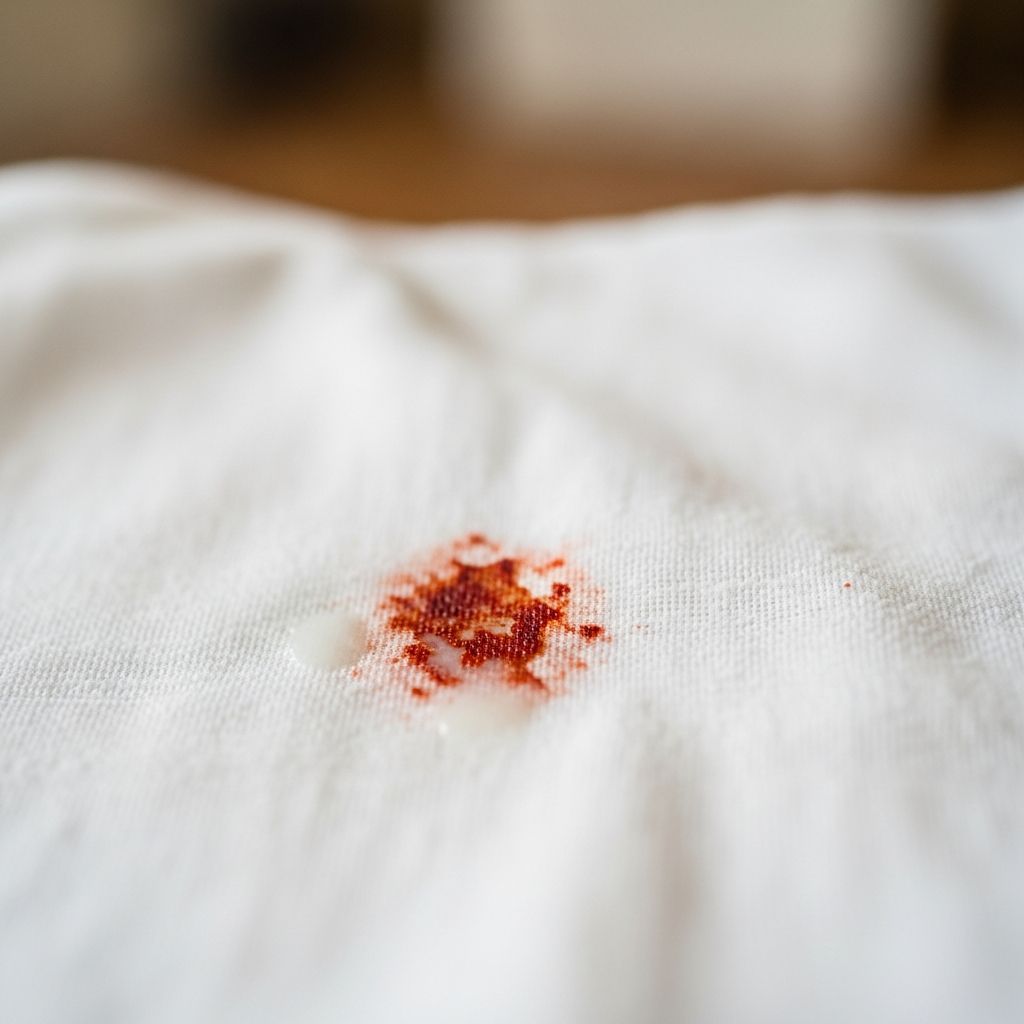
Seeing blood in your baby’s spit-up can trigger immediate alarm for any parent. This phenomenon, known medically as hematemesis in infants, often arises from minor, self-resolving issues but occasionally points to conditions needing medical attention. Understanding the distinctions between harmless traces and potential problems empowers caregivers to respond appropriately.
Recognizing Blood in Infant Regurgitation
Infants frequently regurgitate milk or formula due to their underdeveloped digestive systems, but blood alters this normal pattern. It may appear as vivid streaks, diluted pink hues, or darker residues, each hinting at different origins. Fresh, bright red spots typically suggest recent minor trauma in the upper digestive areas, while altered colors indicate exposure to stomach acids.
- Bright red flecks: Often from immediate sources like oral irritation or feeding-related scratches.
- Pink tinge: Commonly diluted maternal blood from breastfeeding.
- Dark brown or coffee-ground texture: Signals older blood processed by gastric juices, warranting closer scrutiny.
These variations help differentiate benign from concerning cases, guiding when observation suffices versus professional consultation.
Common Benign Explanations
Many instances trace to everyday occurrences in newborn care. For breastfeeding families, cracked or bleeding maternal nipples represent a frequent culprit, with the infant ingesting tiny blood amounts that pass through undigested or slightly altered. This typically resolves as nipple healing progresses, often within days, without impacting the baby.
Another prevalent factor involves swallowed maternal blood during vaginal delivery. Newborns may retain small quantities in their stomachs post-birth, leading to pinkish or reddish spit-up in the initial 24-48 hours. Healthy feeding, alertness, and absence of distress confirm its transient nature.
Pacifier use or vigorous sucking can also nick delicate mouth tissues, introducing fresh blood. Monitoring for resolution alongside gentle care usually alleviates these episodes.
Digestive Irritation and Reflux Issues
Gastroesophageal reflux, common in infants, occasionally escalates to cause esophageal lining irritation. Forceful or repeated spit-ups generate small tears, known as Mallory-Weiss tears, resulting in blood-streaked output. While most reflux remains physiological and improves by 12 months, persistent cases with blood merit evaluation for esophagitis or gastritis.
| Reflux Severity | Symptoms | Management |
|---|---|---|
| Mild | Frequent clear spit-up, no blood | Positioning, smaller feeds |
| Moderate with blood | Streaks post-forceful regurgitation | Pediatric review, possible meds |
| Severe (GERD) | Dark blood, poor weight gain | Specialist intervention |
Symptoms like arching during feeds, excessive fussiness, or failure to thrive alongside blood elevate concern levels.
Allergic Reactions in the Gut
Protein sensitivities, especially to cow’s milk in formula or via breast milk, provoke gut inflammation in 2-7.5% of infants. This cow’s milk protein allergy (CMPA) leads to eosinophilic reactions, manifesting as occult blood in spit-up or stools. Elimination diets for the mother or hypoallergenic formulas often yield rapid improvement.
Other allergens like soy may mimic this, necessitating allergy testing if symptoms persist. Accompanying eczema, diarrhea, or colic strengthen suspicion.
Infections and Systemic Concerns
Less commonly, gastrointestinal or respiratory infections inflame tissues, yielding blood-tinged sputum. Viral gastroenteritis or bacterial invaders coincide with fever over 100.4°F (rectal in young infants), diarrhea, or lethargy, demanding prompt care. Respiratory issues might produce mucus-admixed blood, distinguishable from pure hematemesis.
Rare clotting issues, such as vitamin K deficiency bleeding (prevented routinely at birth), present with widespread bruising or persistent bleeding. Undiagnosed cases require urgent coagulation studies.
Interpreting Colors and Amounts
Color provides diagnostic clues: bright red from upper tract freshness; rust or brown from acidic digestion; black tarry stools indicate lower gut sources. Quantities matter—flecks often benign, but profuse volumes or clots signal urgency.
- Single episode, tiny amount: Monitor 24-48 hours if baby thrives.
- Recurrent or large volume: Immediate pediatric contact.
- Accompanied by green vomit, fever, or distress: Emergency evaluation.
Brown hues might confuse with bile or meconium in newborns, but blood confirmation via appearance or stool guaiac tests clarifies.
Immediate Steps for Parents
Upon noticing blood, document details: color, amount, frequency, associated behaviors. Maintain feeding routines unless advised otherwise, burp frequently, and hold upright post-meals to minimize reflux. Avoid self-medicating; instead, prepare for medical discussion with photos if possible.
For breastfeeding, inspect nipples and consider lanolin creams. Formula-fed babies might trial hydrolyzed options under guidance.
Medical Evaluation Process
Pediatricians start with history and exam, possibly ordering stool occult blood tests, allergy panels, or endoscopy for recalcitrant cases. Ultrasound rules out obstructions; pH monitoring assesses reflux severity. Most resolve outpatient, but hospitalizations occur for dehydration or failure to thrive.
Prevention Strategies
Proactive measures reduce risks: paced bottle feeding, elevated sleep positioning (head 30 degrees), allergy screening in at-risk families. Maternal diets excluding common triggers aid breastfed infants. Regular well-child visits catch evolving issues early.
Frequently Asked Questions
Is blood in spit-up always serious?
No, often it’s from swallowed maternal blood or minor irritation, resolving spontaneously. Persistent or voluminous cases need checking.
What if my baby spits up brown fluid?
This coffee-ground appearance suggests digested blood; consult a doctor promptly to exclude gastritis or ulcers.
Can formula cause bloody spit-up?
Yes, cow’s milk allergy affects formulas; switching to extensively hydrolyzed types helps under medical advice.
When is emergency care needed?
If with fever >100.4°F, lethargy, bloody stools, or breathing distress, seek immediate help.
How long after birth is swallowed blood normal?
Up to 48 hours; beyond that, or with symptoms, evaluate further.
This guide equips parents with knowledge for confident navigation of this scary symptom, emphasizing timely professional input for optimal infant health.
References
- Spitting up in babies: What’s OK, what’s not — Mayo Clinic. 2023-10-15. https://www.mayoclinic.org/healthy-lifestyle/infant-and-toddler-health/in-depth/healthy-baby/art-20044329
- Why Babies Spit Up — HealthyChildren.org (American Academy of Pediatrics). 2024-05-20. https://www.healthychildren.org/English/ages-stages/baby/feeding-nutrition/Pages/Why-Babies-Spit-Up.aspx
- Reflux (Spitting Up) — Seattle Children’s Hospital. 2025-01-10. https://www.seattlechildrens.org/conditions/a-z/reflux-spitting-up/
- Baby Spitting Up Blood: Why It’s Happening and What to Do — Flo Health. 2024-08-05. https://flo.health/being-a-mom/your-baby/baby-care-and-feeding/baby-spitting-up-blood
- Spitting Up Blood & Bloody Diapers — Physician Guide to Breastfeeding. 2023-11-12. https://physicianguidetobreastfeeding.org/mythbusters/spitting-up-blood-bloody-diapers/