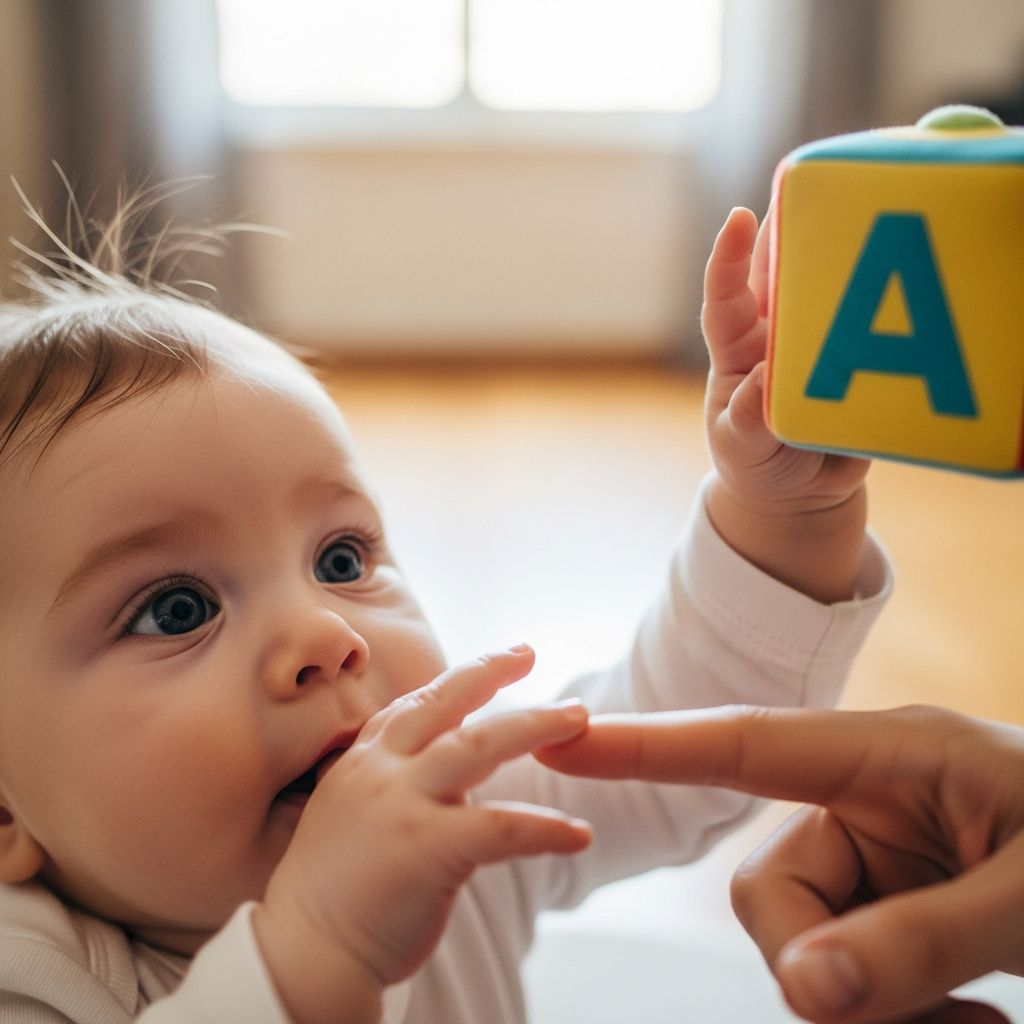
During the first three months of life, infants undergo rapid changes in their sleep behaviors, transitioning from irregular newborn patterns to more predictable rhythms. Babies in this age range typically require 12 to 18 hours of sleep per 24 hours, split between daytime naps and nighttime rest, though individual variations are common.
Understanding Infant Sleep Cycles in Early Months
Newborns and young infants experience sleep differently from adults, primarily cycling through active sleep (similar to REM) and quiet sleep stages. These cycles last 20 to 50 minutes, much shorter than adult cycles of 90 minutes. In active sleep, babies may twitch, grimace, or breathe irregularly, while quiet sleep features stillness and steady breathing.
By 1-3 months, infants spend roughly half their sleep time in each stage, with no deep non-REM phases like older children or adults. This setup makes them prone to waking frequently as they transition between stages. Around 3 months, many begin distinguishing day from night, consolidating longer stretches at night.
- Active Sleep Features: Rapid eye movements, irregular breathing, possible sucking motions—babies appear ‘awake’ but are deeply asleep.
- Quiet Sleep Features: Relaxed limbs, even breathing, minimal movement—ideal for deeper rest.
- Cycle Length: 40-50 minutes on average, leading to 8-12 sleep episodes daily.
Total Sleep Needs: Day vs. Night Breakdown
Infants aged 1-3 months need substantial sleep to support growth and brain development. Total daily sleep ranges from 12-16 hours by 2-3 months, down from 14-18 hours in the earliest weeks.
| Age Range | Total Sleep (24 hrs) | Daytime Naps | Nighttime Sleep |
|---|---|---|---|
| 0-1 Month | 14-18 hours | 6-9 hours (frequent short naps) | 8-10 hours (interrupted) |
| 1-2 Months | 14-17 hours | 6-8 hours | 8-10 hours* |
| 2-3 Months | 12-16 hours | 4-6 hours (2-4 naps) | 8-11 hours |
| *Interrupted by feeds every 2-4 hours; breastfed more frequently. | |||
Daytime sleep often occurs in clusters of 1-2 hour naps, totaling 4-8 hours, while nights feature longer but still fragmented sleep. By 3 months, about 50-60% of babies manage 5-6 hour stretches at night.
Evolution of Sleep Patterns Month by Month
First Month: Chaotic and Frequent Rest
In month one, sleep is erratic due to undeveloped circadian rhythms. Babies wake every 1-3 hours for feeds, sleeping in 45-60 minute wake-sleep cycles. Expect 10-12 feeds daily, punctuating rest periods.
Second Month: Emerging Predictability
Around 4-8 weeks, patterns stabilize slightly. Naps lengthen to 1-2 hours, with 2-3 per day. Night sleep may extend to 3-4 hours uninterrupted for some formula-fed babies. Total sleep dips to 14-17 hours as alertness grows.
Third Month: Night-Day Differentiation
By 3 months, circadian rhythms mature, prompting more nighttime sleep (up to 10 hours, fragmented) and fewer, longer naps (3-5 hours total). Many achieve 6-hour stretches, with 62% of 6-month-olds (trend starting at 3 months) hitting this milestone.
This progression aligns with weight gain; babies often sleep longer once reaching 12-13 pounds.
Key Factors Influencing Sleep Quality
Several elements affect rest in this phase:
- Feeding Frequency: Breastfed infants wake every 2-3 hours; formula-fed every 3-4. Prioritize feeds over rigid schedules.
- Growth Spurts: Temporary disruptions around weeks 2, 6, and 12 increase hunger and wakefulness.
- Environment: Dark, quiet rooms during day-night shifts help circadian development.
- Overstimulation: Short wake windows (45-90 minutes) prevent overtiredness.
Building a Flexible Daily Sleep Routine
Rigid schedules aren’t suitable yet; focus on responsive routines. Aim for bedtime around 9-10 PM initially, shifting earlier to 7-9 PM by month 3.
- Wake and feed upon natural stirring.
- Play/tummy time during 45-60 minute wake windows.
- Short nap (1-2 hours) when drowsy cues appear (yawning, eye-rubbing).
- Evening wind-down: Dim lights, bath, feed, swaddle.
- Bedtime in crib, room 68-72°F, white noise on.
Sample 2-3 Month Schedule:
| Time | Activity |
|---|---|
| 7 AM | Wake, feed |
| 8-10 AM | Nap 1-2 hrs |
| 10 AM-12 PM | Wake, play, feed, short nap |
| 1-3 PM | Nap 2 hrs |
| 4-6 PM | Catnap 30-45 min, evening routine |
| 7-9 PM | Bedtime feed, night sleep |
Proven Soothing Techniques for Better Sleep
Harness the ‘5 S’s’—swaddling, shushing (white noise), side/stomach position (supervised), swinging, sucking—to activate the calming reflex.
- Swaddling: Secure arms to mimic womb; safe until rolling starts (~2 months).
- White Noise: Continuous sound masks disruptions, promoting longer cycles.
- Motion: Gentle rocking or swings soothe like in utero movement.
- Pacifier: Satisfies suck reflex post-feed.
- Dark Room: Blackout curtains reinforce night sleep.
Safe Sleep Practices to Prevent Risks
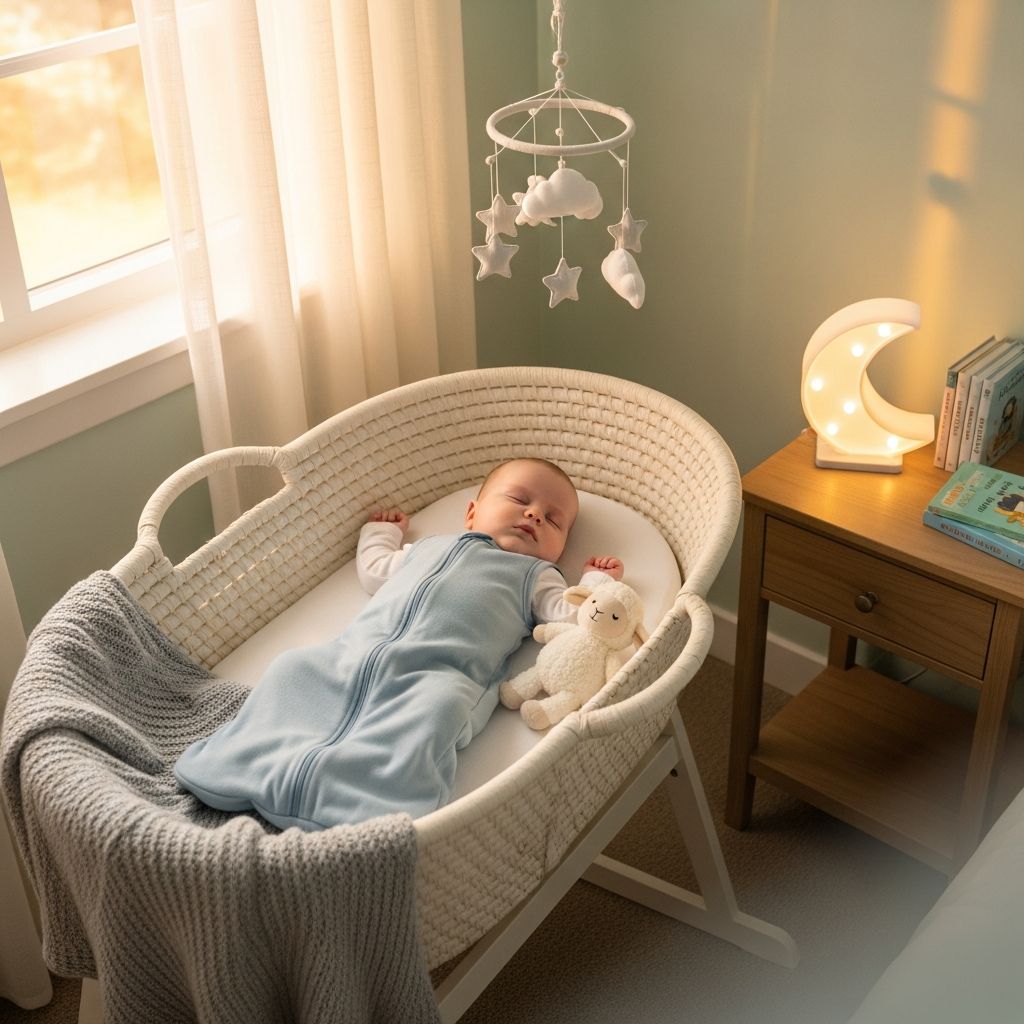
Follow AAP guidelines: Back sleeping in empty bassinet/crib, firm mattress, no pillows/blankets/toys. Room-share without bed-sharing. Avoid overheating; light clothing, 68-72°F ideal.
Monitor for safe swaddling to prevent hip dysplasia; transition when rolling imminent.
Common Sleep Challenges and Solutions
Frequent Night Wakings: Normal; ensure full feeds, check for reflux. Cluster feed evenings to tank up.
Short Naps: Overtiredness culprit—cap wake times, use consistent cues (swaddle, noise).
Refusal to Sleep Alone: Gradual separation with lovey post-3 months; white noise bridges gap.
Frequently Asked Questions
When do babies sleep through the night?
Most not until 3-6 months or 12-13 lbs; 43-62% by 6 months manage 6-8 hours.
How many naps for 1-3 month olds?
4-6 short naps totaling 4-6 hours daytime.
Is it okay if my baby sleeps more/less?
Variations normal (11-19 hours total); consult pediatrician if extreme or accompanied by poor feeding/weight gain.
Does feeding type affect sleep?
Breastfed wake more often, but no impact on eventual night sleeping.
What if baby cries during sleep transitions?
Active sleep normal; intervene only if escalating.
Long-Term Outlook: Progress Beyond 3 Months
Post-3 months, naps consolidate to 2-3/day (3-5 hours), nights lengthen to 9-11 hours. By 6 months, linked cycles enable true ‘sleeping through.’ Patience and consistency yield results.
References
- Baby REM Sleep Cycle Chart | Newborn Sleep Stages Explained — Nested Bean. 2023. https://www.nestedbean.com/pages/baby-rem-sleep-cycle-chart
- Newborn Baby Sleep Schedule From Birth to 12 Months — Happiest Baby. 2024. https://www.happiestbaby.com/blogs/baby/first-year-sleep-schedule
- Typical sleep behaviour – newborns (0-3 months) — Better Health Channel (Vic.gov.au). 2023-10-01. https://www.betterhealth.vic.gov.au/health/healthyliving/typical-sleep-behaviour-nb-0-3-months
- Baby sleep patterns by age — Pregnancy Birth and Baby (Australian Government). 2024. https://www.pregnancybirthbaby.org.au/sleep-patterns-for-babies
- Newborn-Sleep Patterns — Children’s Hospital of Philadelphia (CHOP.edu). 2023. https://www.chop.edu/pages/newborn-sleep-patterns
- Baby sleep schedule by age: Nap and sleep chart — Huckleberry. 2024. https://huckleberrycare.com/blog/baby-sleep-schedule-by-age-nap-and-sleep-chart
- Sleep – HealthyChildren.org — American Academy of Pediatrics. 2024-01-15. https://www.healthychildren.org/English/ages-stages/baby/sleep/Pages/default.aspx