Separation anxiety is a normal developmental milestone where infants experience distress upon parting from primary caregivers, typically emerging between 6-8 months and peaking around 10-18 months. This phase reflects healthy emotional bonding and cognitive growth, as babies grasp object permanence—the realization that objects and people persist even when out of sight.
Understanding the Roots of Infant Separation Distress
Babies enter this stage as they develop awareness of their independence from caregivers, yet lack the cognitive tools to predict returns, leading to fears of permanent loss. Factors like fatigue, hunger, or illness can intensify reactions, while secure attachments formed through consistent responsiveness lay a foundation for resilience.
Unlike stranger anxiety, which involves wariness of unfamiliar faces around 6 months, separation anxiety specifically triggers upon caregiver departure, even briefly. It underscores a child’s reliance on parents for security, signaling strong bonds rather than inadequacy.
Recognizing Common Indicators in Young Infants
Early signs often appear as subtle fussing when a parent steps away, evolving into more pronounced behaviors by 9 months. Key indicators include:
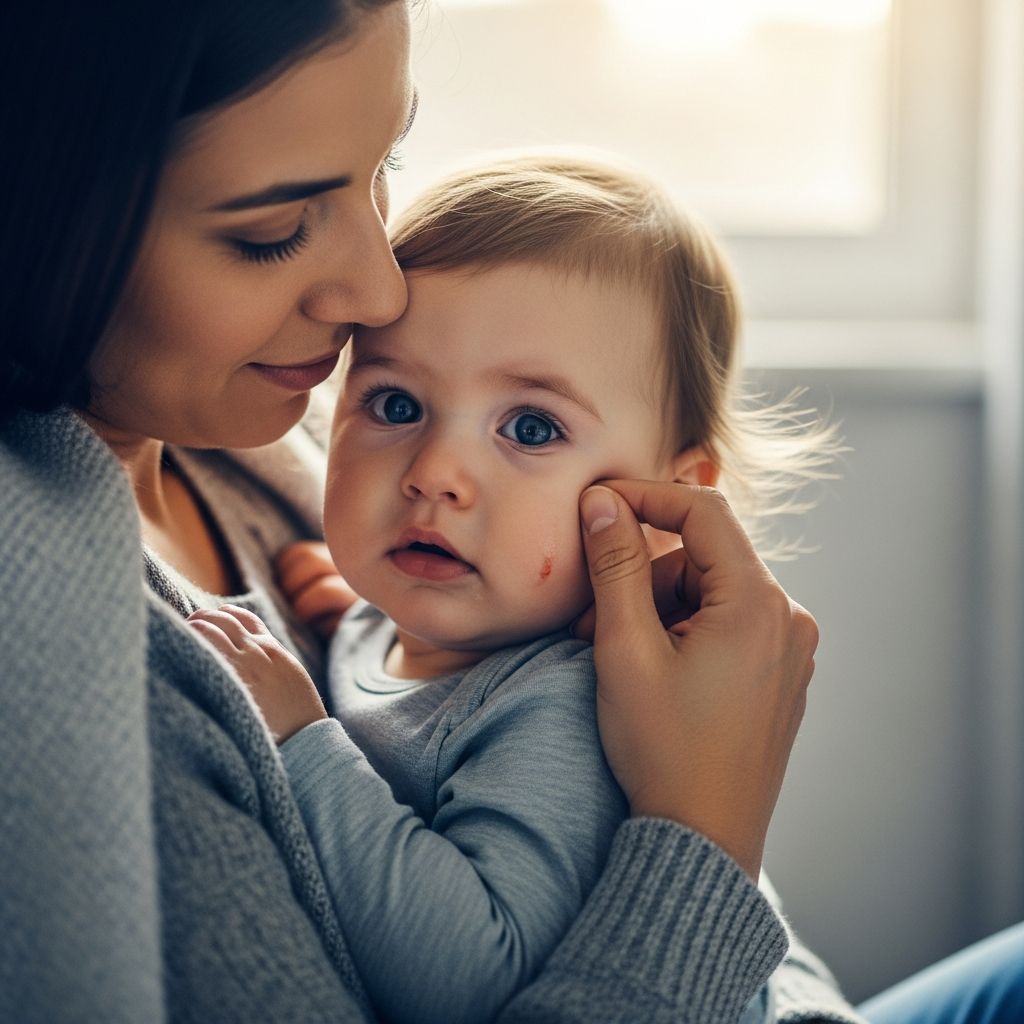
- Intense crying or screaming upon caregiver exit from the room.
- Clinginess, particularly in novel environments or with strangers.
- Preference for one primary caregiver, resisting others.
- Night wakings with cries for parents, disrupting sleep.
- Tantrums or withdrawal in toddlers, escalating emotional displays.
Physical complaints like stomachaches or headaches may accompany distress in older toddlers, mimicking other issues but tied to impending separations.
| Age Range | Typical Signs | Duration Insight |
|---|---|---|
| 4-8 months | Mild fussing, brief cries | Early onset, short episodes |
| 9-18 months | Peak clinginess, tantrums | Intensifies, resolves gradually |
| 2+ years | Verbal protests, school refusal | May signal disorder if persistent |
Distinguishing Normal Phases from Clinical Concerns
Most infants outgrow this by age 2-3 as memory and trust develop, understanding departures are temporary. Persistent symptoms beyond this—such as school avoidance, nightmares, or panic—may indicate separation anxiety disorder (SAD), affecting 1-4% of children and warranting professional evaluation.
SAD involves excessive worry about harm befalling loved ones, physical symptoms, or refusal of age-appropriate independence, differing from normative peaks. Early intervention through therapy can mitigate long-term impacts on social and academic functioning.
Practical Daily Routines to Build Baby Confidence
Consistent practices help babies internalize security. Establish predictable schedules for meals, play, and sleep to reduce unpredictability. Practice short separations during calm moments, like peeking games, to demonstrate reliable returns without pressure.
Introduce comfort objects such as a favorite blanket or toy, associating them with parental presence to bridge absences. Maintain eye contact and warm tones during transitions, modeling calm to regulate infant emotions.
Daytime Strategies for Smooth Caregiver Transitions
For daycare or babysitter handoffs, prepare in advance by familiarizing babies with new settings through visits. Brief, positive goodbyes—”I’ll be back after nap time”—prevent prolonged distress, as drawn-out farewells heighten anxiety.
Project confidence: Babies mirror parental assurance. A quick wave and smile reassures more than hesitation. Collaborate with caregivers on consistent soothing techniques, like lullabies or rocking, to extend comfort.
Addressing Nighttime Disruptions Calmly
Sleep regressions often coincide with peaks, as babies seek reassurance in darkness. Implement gentle bedtime routines: dim lights, stories, and cuddles leading to independent settling in a familiar crib environment.
If wakings occur, offer brief verbal comfort from the doorway, gradually increasing distance to encourage self-soothing. Avoid bringing to bed, as it reinforces dependency; instead, pat or sing softly until calm.
Fostering Independence Through Play and Exploration
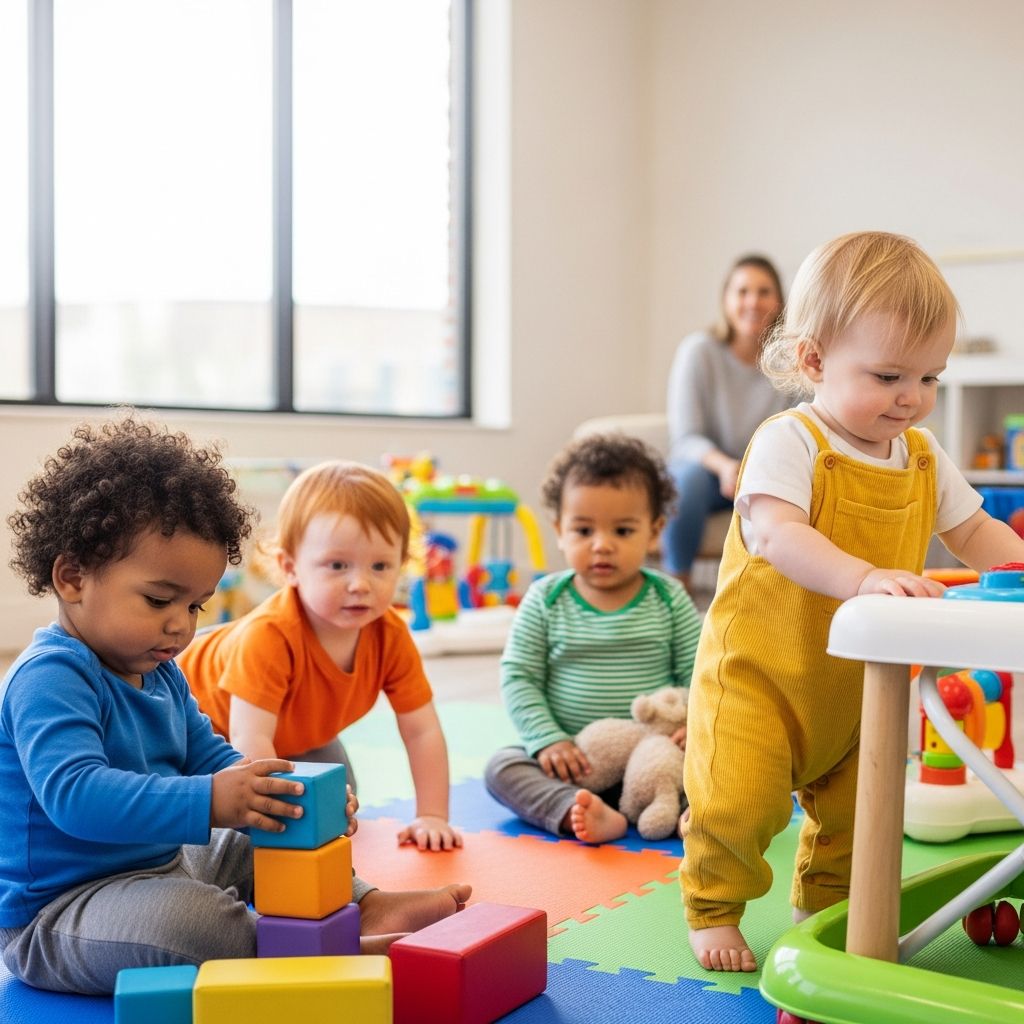
Encourage autonomy via play: Place babies in safe spaces with toys, stepping back incrementally to promote exploration over clinginess. Interactive games like hide-and-seek teach object permanence playfully, reducing fear responses.
Balance responsiveness with gentle limits—comfort distress promptly but guide toward self-regulation, building emotional resilience over time.
Role of Multiple Caregivers in Easing Anxiety
Involve partners, grandparents, or nannies early through shared routines, diluting fixation on one parent. Rotate holding and feeding duties to normalize varied attachments, preventing over-reliance.
For working parents, video calls during breaks provide visual reassurance without physical presence, easing prolonged separations.
When to Consult Pediatric Professionals
Monitor for red flags: Anxiety persisting past 3 years, interfering with growth, or accompanied by developmental delays. Pediatricians can rule out underlying issues like hearing problems or autism spectrum traits mimicking clinginess.
Therapies like cognitive-behavioral approaches for SAD help older children reframe fears; early parental education often suffices for infants.
Frequently Asked Questions
At what age does separation anxiety typically begin and end?
It often starts at 6-8 months, peaks at 10-18 months, and fades by 24-36 months as cognitive skills advance.
Is separation anxiety a sign of poor parenting?
No, it’s evidence of strong bonding; responsive care during this phase strengthens long-term security.
How can I prepare my baby for daycare drop-offs?
Visit beforehand, keep goodbyes short and upbeat, and share comfort rituals with staff for continuity.
What if my toddler refuses preschool?
Use gradual exposure, positive reinforcement, and consult a doctor if symptoms include physical complaints or panic.
Can separation anxiety affect sleep permanently?
Rarely; consistent routines resolve most issues, but persistent cases benefit from professional sleep training.
Long-Term Benefits of Navigating This Phase
Successfully managing separation fosters secure attachment styles, enhancing social skills and adaptability. Parents emerge more attuned, with tools for future milestones like school entry.
View tears not as failure but growth markers—each comforted cry builds trust, paving pathways to independence.
References
- Separation anxiety in babies: Causes, signs, and how to help — Medical News Today. 2023-10-12. https://www.medicalnewstoday.com/articles/separation-anxiety-in-babies
- Separation anxiety disorder – Symptoms and causes — Mayo Clinic. 2024-05-05. https://www.mayoclinic.org/diseases-conditions/separation-anxiety-disorder/symptoms-causes/syc-20377455
- Separation anxiety in babies and toddlers — Huckleberry Care. 2023-08-15. https://huckleberrycare.com/blog/separation-anxiety-in-babies-and-toddlers
- Separation Anxiety Disorder in Children — Stanford Children’s Health. 2022-11-01. https://www.stanfordchildrens.org/en/topic/default?id=separation-anxiety-disorder-in-children-90-P02582
- Separation Anxiety and Stranger Anxiety — Merck Manuals Professional Edition. 2024-02-20. https://www.merckmanuals.com/professional/pediatrics/symptoms-in-infants-and-children/separation-anxiety-and-stranger-anxiety