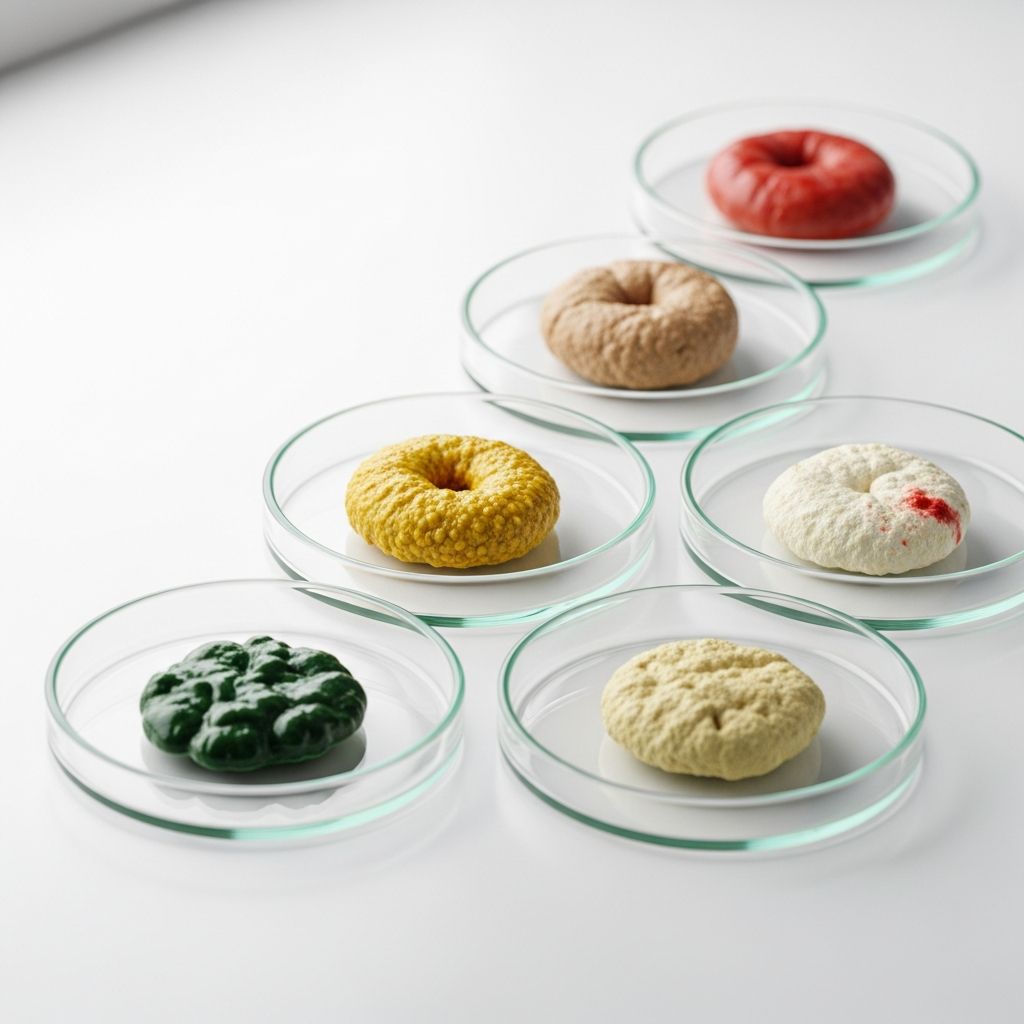
Observing your baby’s stool provides crucial insights into their digestive health, nutrition absorption, and overall well-being. From the first days after birth through the introduction of solid foods, stool characteristics evolve significantly based on feeding methods and developmental stages. This guide explores these changes, helping parents distinguish typical patterns from potential concerns.
Initial Newborn Stools: The Meconium Phase
The very first stools a newborn passes, known as meconium, mark the transition from womb to world. Typically appearing within the first 24 to 48 hours, meconium consists of materials ingested in utero, including amniotic fluid, mucus, lanugo, and intestinal cells. Its appearance is distinct: dark green to black, sticky, and tar-like in consistency, often resembling motor oil.
This phase lasts 2 to 4 days, after which transitional stools emerge—less sticky, greenish, and more loose. Meconium passage is essential for clearing the intestines, and delays beyond 48 hours may warrant pediatric consultation to rule out issues like Hirschsprung’s disease.
- Color: Black-green or deep brown
- Texture: Thick, sticky, no odor initially
- Frequency: Several times daily
By day 4-5, stools shift to reflect the baby’s primary nutrition source, whether breast milk or formula.
Breastfed Infant Stool Characteristics
Exclusively breastfed babies produce stools that are notably different from formula-fed counterparts. These are often mustard-yellow, sometimes with green tinges, featuring a seedy or curd-like texture from undigested milk fats and proteins. The consistency is soft to watery, resembling loose mustard or diarrhea, but this is normal and not indicative of illness.
Frequency is high—up to 8-12 times per day in the early weeks, decreasing as the baby matures. The smell is mild and sweet, akin to yeast or popcorn, due to the composition of breast milk.
| Aspect | Typical Features | Normal Range |
|---|---|---|
| Color | Mustard-yellow, occasional green | Bright to golden yellow |
| Texture | Seedy, pasty, runny | Soft, curd-filled |
| Odor | Sweet, mild | Non-offensive |
| Frequency | Multiple daily | 4-12 times/day |
Variations like frothy green may occur if switching breasts too frequently; focusing on one breast per feed can help.
Formula-Fed Baby Stool Patterns
Infants on formula exhibit firmer, more formed stools compared to breastfed peers. Colors range from yellowish-brown, tan, light brown, to greenish-brown, influenced by formula ingredients like iron fortification.
Texture mimics peanut butter or play-doh—thicker and pastier—with a stronger, more pungent odor. Bowel movements are less frequent, often 1-4 times daily, and larger in volume.
- Green hues: Common from iron; dark green is typical and harmless.
- Brown shades: Indicate mature digestion; tan or yellow-tan normal.
Sudden shifts, like green after introducing formula to a breastfed baby, are expected and not a sign of intolerance.
Impacts of Starting Solid Foods
Around 6 months, as babies begin solids, stool transforms dramatically. Colors diversify based on intake—orange from carrots, green from spinach, brown from grains—becoming firmer and more adult-like in smell and consistency.
Initial reactions include harder, pebble-like stools signaling constipation, especially with low-fiber foods or dehydration. Iron-rich cereals can darken stools further.
Monitor for:
- Increased firmness from rice cereals
- Color explosions from purees
- Potential allergies causing mucus or blood
Common Stool Colors and Their Implications
Baby stool displays a spectrum of colors, most benign but some alerting.
Yellow and Orange Shades
Bright yellow is hallmark for breastfed; darker yellow or orange for formula or solids. These signal healthy bile processing and fat absorption.
Green Variations
Prevalent in formula-fed due to iron, or breastfed from foremilk overload. Dark green from bile is normal; frothy green may need feeding adjustments.
Brown Tones
Tan to dark brown emerges with maturation or solids, fully normal across feedings.
Warning Colors: When to Worry
Not all hues are harmless. Persistent anomalies require professional evaluation.
- Black (post-meconium): May indicate upper GI bleeding or excess iron; specks from maternal cracked nipples are benign.
- Red/Bloody: Often from diet (beets) or anal fissures; true blood suggests allergies or polyps—urgent if ongoing.
- White/Chalky: Alarming sign of bile duct obstruction or liver issues; no bile means poor fat digestion.
Mucus streaks (slimy, green-tinged) point to infections, allergies, or teething drool.
Textures Beyond the Norm
Consistency offers further clues.
- Hard/Pebbly: Constipation from solids, dehydration, or sensitivities (dairy/soy).
- Watery/Diarrhea-like: Normal for breastfed; excessive suggests infection or intolerance.
- Mucousy: Infection or cow’s milk protein allergy (CMPA).
Track patterns: fewer than 3 stools/week post-1 month, or sudden changes, merit a call.
Practical Tips for Parents
Diaper diaries aid in spotting trends. Note color, texture, frequency, diet changes.
- Bicycle legs or tummy massages for constipation.
- Hydration boosts with extra feeds.
- Allergy suspicions? Consult for hypoallergenic formula.
Annual pediatric checkups contextualize observations.
Frequently Asked Questions (FAQs)
Is green poop normal for formula-fed babies?
Yes, dark green is common from iron fortification and entirely healthy.
What causes seedy yellow stools?
Undigested breast milk components in exclusively breastfed infants; normal and nutritious.
When is black stool after the newborn phase a concern?
If persistent, it may signal bleeding; consult pediatrician promptly.
Does mucus in poop always mean illness?
Often from infections or allergies, but check for patterns and seek advice.
How often should my 2-month-old poop?
Breastfed: multiple times daily; formula: 1-4 times. Variations are common.
This guide empowers parents to navigate infancy’s messy milestones confidently. Always prioritize pediatric guidance for personalized reassurance.
References
- The Essential Guide to Baby Poop Colors and Stool Types — Enfamil. 2023. https://www.enfamil.com/articles/parents-baby-poop-guide/
- 12 Types of Baby Poop & What They Mean — UnityPoint Health. 2023. https://www.unitypoint.org/news-and-articles/12-types-of-baby-poop-what-they-mean-infographic
- Your Guide to Baby Poop (Colors and More) — Bobbie. 2023. https://www.hibobbie.com/blogs/bobbieu/baby-poop
- Baby Poop Guide — Children’s Hospital Colorado. 2023. https://www.childrenscolorado.org/just-ask-childrens/articles/baby-poop-guide/
- Baby Poo Guide — Pregnancy Birth & Baby. 2023. https://www.pregnancybirthbaby.org.au/baby-poo-guide
- Baby Poop Colors: What Do They Mean? — Cleveland Clinic. 2023. https://health.clevelandclinic.org/the-color-of-baby-poop-and-what-it-means-infographic