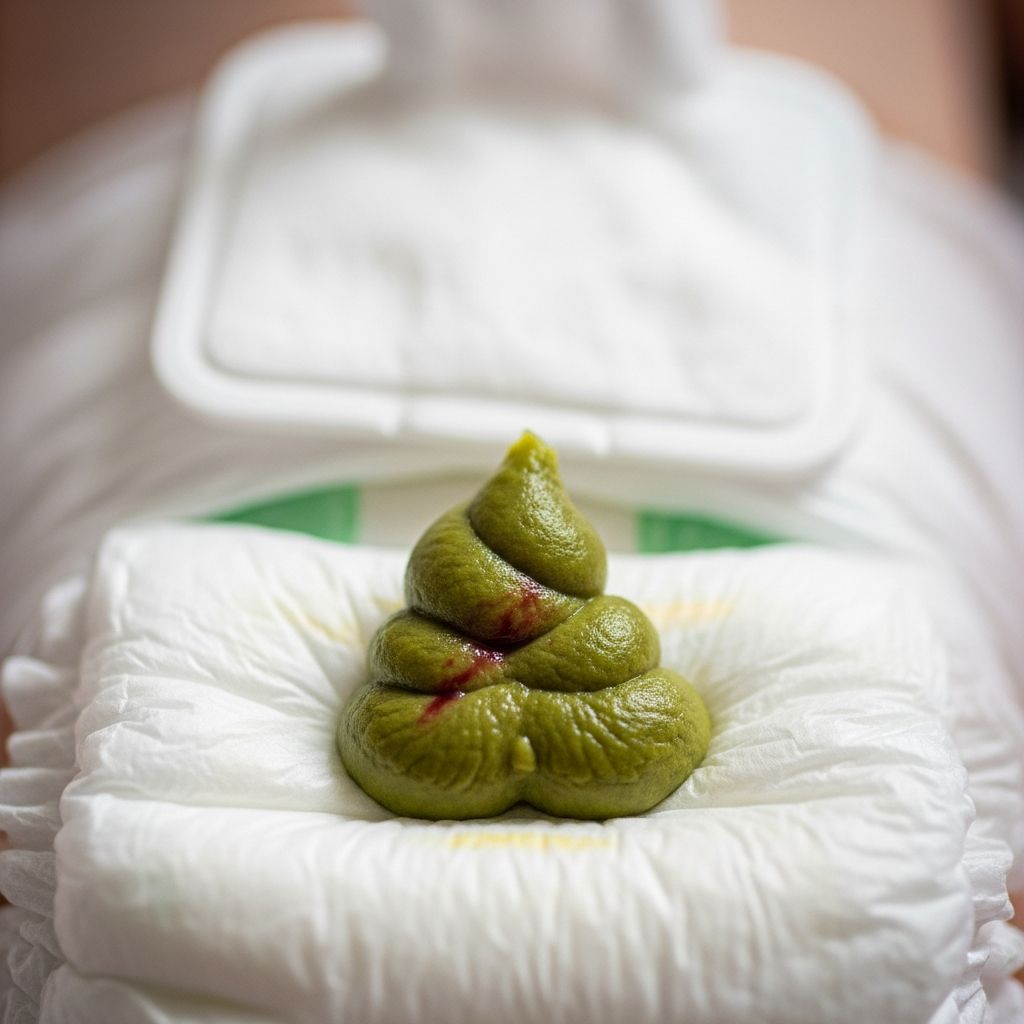
Changes in an infant’s stool can be one of the first clues to underlying health issues, particularly cow’s milk protein allergy (CMPA), affecting up to 7.5% of formula-fed babies. Parents often notice unusual poop patterns like blood streaks, excessive mucus, or persistent diarrhea, which may point to this common food allergy. CMPA occurs when a baby’s immune system reacts to proteins in cow’s milk, leading to digestive distress that manifests prominently in stool abnormalities.
Understanding Cow’s Milk Protein Allergy in Infants
Cow’s milk protein allergy involves an immune response to casein or whey proteins found in dairy. Unlike lactose intolerance, which is a digestive enzyme deficiency, CMPA triggers inflammation in the gut, often altering stool consistency and appearance. This condition splits into IgE-mediated (immediate reactions) and non-IgE-mediated (delayed symptoms), with the latter more commonly linked to stool changes. Breastfed babies can also be affected if the mother consumes dairy, as proteins pass through breast milk.
Early recognition is crucial since most infants outgrow CMPA by age 3, but untreated cases can lead to poor weight gain or discomfort. Stool analysis provides vital insights, as gut symptoms dominate in 60-70% of cases.
Key Stool Changes Signaling Milk Protein Allergy
Baby poop varies by age and feeding method, but CMPA introduces distinct red flags. Normal newborn stools transition from meconium (dark, sticky) to yellow, seedy mustard-like in breastfed babies or firmer tan in formula-fed ones. CMPA disrupts this, causing:
- Bloody stools: Bright red or dark streaks indicate gut inflammation; common in non-IgE CMPA, appearing days after milk exposure.
- Mucus presence: Slimy, gel-like strands suggest irritated intestines.
- Diarrhea: Frequent loose, watery stools, sometimes frothy, leading to diaper rash.
- Constipation: Hard, pellet-like poop with straining, paradoxically from milk allergy.
- Foamy or greasy appearance: Indicates poor fat absorption due to enteropathy.
These changes often accompany fussiness or reflux, but stool is a primary indicator.
Immediate vs. Delayed Reactions in Baby Stools
IgE-mediated CMPA causes rapid symptoms within 2 hours, including vomiting and hives, with acute diarrhea possible. Non-IgE forms delay stool issues 2-72 hours post-exposure, mimicking infections. A table compares them:
| Type | Onset | Stool Signs | Other Symptoms |
|---|---|---|---|
| IgE-Mediated | Minutes to 2 hours | Immediate loose stools, vomiting | Hives, wheezing, swelling |
| Non-IgE-Mediated | 2 hours to 3 days | Blood/mucus in stool, chronic diarrhea/constipation | Colic, eczema, poor growth |
Delayed types are harder to link to milk but resolve on elimination diets.
Other Digestive Clues Beyond Poop
While stool is central, CMPA affects the whole gut. Watch for:
- Excessive spitting up or reflux.
- Vomiting, especially delayed in FPIES (gray skin, lethargy).
- Abdominal pain shown by arching or crying.
- Poor weight gain from malabsorption.
Skin issues like eczema or respiratory signs like wheezing may co-occur, but gut dominance in infants flags CMPA.
How to Differentiate CMPA from Other Issues
Not all odd poop means allergy. Lactose intolerance causes bloating/gas without immune involvement. Infections yield fever/loose stools briefly. Anal fissures mimic blood but lack mucus/diarrhea. A diagnostic trial removing dairy for 2-4 weeks clarifies.
| Condition | Stool Features | Duration | Other Signs |
|---|---|---|---|
| CMPA | Blood, mucus, diarrhea/constipation | Persistent until elimination | Fussiness, eczema |
| Lactose Intolerance | Watery diarrhea, no blood | After dairy, resolves quickly | Gas, no immune symptoms |
| Gastroenteritis | Watery, explosive | 1-3 days | Fever, vomiting |
Diagnostic Approaches for CMPA
Consult a pediatrician for stool tests (occult blood, calprotectin) or allergy panels. IgE blood/skin tests confirm immediate allergies but miss non-IgE. The gold standard: elimination diet with hypoallergenic formula (e.g., extensively hydrolyzed) for 2-4 weeks, followed by rechallenge. For breastfed babies, maternal dairy avoidance.
Managing and Treating Milk Protein Allergy
Treatment centers on avoidance. Formula-fed: Switch to hydrolyzed or amino acid formulas. Breastfed: Mom eliminates dairy (calcium-rich alternatives advised). Symptoms improve in days for IgE, weeks for non-IgE. Monitor growth; probiotics may aid gut healing. Most outgrow by 1-3 years; regular challenges test tolerance.
FAQs on Baby Poop and Milk Allergies
Can breastfed babies have CMPA-related bloody poop?
Yes, if mom drinks milk; proteins transfer via breast milk, causing delayed gut bleeding in 2-7.5% of cases.
Is mucus in stool always an allergy?
No, but persistent mucus with blood/diarrhea suggests CMPA; consult a doctor.
How long do symptoms take to resolve on dairy-free diet?
Immediate types: hours-days; delayed: 1-4 weeks.
Does goat’s milk work for CMPA babies?
Rarely; 90% cross-react due to similar proteins.
When to worry about baby poop changes?
If persistent blood, mucus, poor gain, or fussiness post-milk exposure.
Preventing Complications from Undiagnosed CMPA
Early intervention prevents anemia from blood loss or failure-to-thrive. Track feeding/stool diaries for patterns. Allergy family history raises risk. Nutritionists help with dairy-free diets.
In summary, vigilant poop monitoring empowers parents. With proper management, CMPA babies thrive happily.
References
- Cow’s milk protein allergy – immediate and delayed symptoms — WSH NHS. 2023. https://www.wsh.nhs.uk/CMS-Documents/Patient-leaflets/PaediatricDepartment/6434-1-Cows-milk-protein-allergy-immediate-and-delayed-symptoms.pdf
- Cow’s milk protein allergy (CMPA) — Children’s Hospital of Philadelphia. 2024. https://www.chop.edu/conditions-diseases/cows-milk-protein-allergy
- Milk Allergy in Infants — Nemours KidsHealth. 2023. https://kidshealth.org/en/parents/milk-allergy.html
- How to spot a cow’s milk protein allergy — Children’s Wisconsin. 2020-01-01. https://childrenswi.org/at-every-turn/stories/2020/01/milk-protein-allergy
- Milk allergy – Symptoms & causes — Mayo Clinic. 2024. https://www.mayoclinic.org/diseases-conditions/milk-allergy/symptoms-causes/syc-20375101
- Cow’s Milk Protein Intolerance — Children’s National Hospital. 2024. https://www.childrensnational.org/get-care/health-library/cows-milk-protein-intolerance
- Signs Your Breastfed Baby Has a Cow’s Milk Allergy — University Hospitals. 2024-09-01. https://www.uhhospitals.org/blog/articles/2024/09/signs-your-breastfed-baby-has-a-cows-milk-allergy
- Cow’s milk protein allergy in children: a practical guide — PMC (NCBI). 2010. https://pmc.ncbi.nlm.nih.gov/articles/PMC2823764/