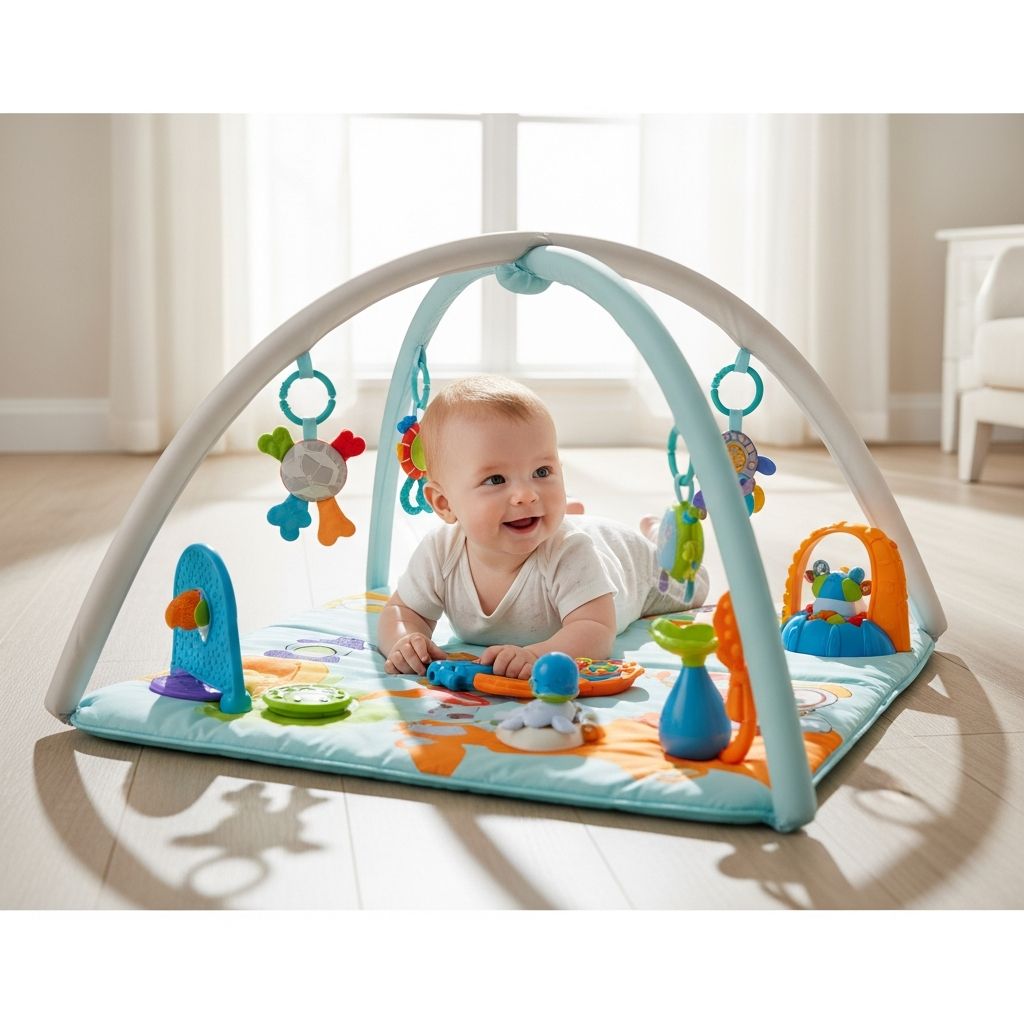
Baby play mats serve as versatile tools that create secure, engaging spaces for infants to explore, supporting critical developmental milestones from birth through toddlerhood. These padded surfaces not only protect against hard floors but also stimulate senses and encourage movement, making them indispensable for modern parenting.
Why Every Home Needs a Dedicated Play Surface
Investing in a high-quality play mat transforms ordinary floor space into a hub of discovery. Unlike bare carpets or hardwood, these mats offer cushioning that absorbs impacts during rolls, tumbles, and first steps, reducing injury risks while promoting confidence in movement. Parents report that consistent use fosters longer play sessions, as children feel secure enough to experiment freely.
Beyond safety, play mats integrate educational elements like bold patterns and textures, aligning with natural curiosity. This setup encourages babies to reach, grasp, and interact, laying foundations for lifelong learning habits.
Boosting Motor Skills Through Cushioned Exploration
From the earliest tummy time sessions, play mats play a pivotal role in gross motor development. The soft, stable surface allows infants to practice lifting their heads, strengthening neck and shoulder muscles essential for sitting up and crawling. Studies from pediatric experts highlight how such environments prevent flat head syndrome by distributing pressure evenly during prone play.
- Neck and Core Strength: Tummy time on padded mats builds endurance, helping babies hold heads steady longer.
- Crawling Confidence: Textured zones provide traction, aiding forward propulsion and coordination.
- Balance and Walking: As toddlers pull up, the forgiving padding supports wobbly attempts without discouraging persistence.
Fine motor skills also thrive as little hands manipulate crinkly edges or grasp dangling toys, refining dexterity over time.
Sensory Stimulation: Awakening Young Minds
Modern play mats are designed with multisensory features that captivate developing brains. Vibrant colors and high-contrast patterns draw visual attention, enhancing tracking abilities and depth perception. Textural variety—from silky fabrics to bumpy ridges—invites tactile exploration, helping infants differentiate sensations and integrate sensory input.
Auditory elements, like squeaky patches or rustling materials, further enrich experiences, promoting sound recognition and cause-effect understanding. This holistic sensory engagement accelerates cognitive milestones, such as object permanence and pattern memory.
| Sensory Type | Mat Features | Developmental Benefit |
|---|---|---|
| Visual | Bright patterns, mirrors | Focus, tracking, visual acuity |
| Tactile | Varied textures, soft fabrics | Fine motor, touch discrimination |
| Auditory | Crinkles, bells | Listening skills, sound localization |
Cognitive Growth and Imaginative Play
Play mats extend beyond physicality to nurture intellect. Interactive designs with letters, shapes, or animals spark curiosity, encouraging problem-solving as babies connect actions to outcomes. Repetitive engagement with these elements bolsters memory retention and critical thinking, setting the stage for language acquisition.
Open-ended layouts foster creativity, where a simple arch becomes a tunnel or a printed scene inspires storytelling. Toddlers use mats for role-play, honing social-emotional skills like sharing during group sessions. Occupational therapists endorse these tools for their role in attention span extension through focused, rewarding activities.
Age-Appropriate Stages: Tailoring Mats to Milestones
Selecting a mat that evolves with your child ensures sustained value. Newborns benefit from minimalist, high-contrast designs for tummy time around 0-3 months, progressing to activity arches by 3-6 months for reaching practice.
- 0-3 Months: Focus on padding for head support and basic visuals.
- 3-6 Months: Add toys for batting and rolling encouragement.
- 6-12 Months: Expandable mats for crawling and sitting adventures.
- 12+ Months: Larger surfaces for walking and pretend play.
Versatile mats with removable parts adapt seamlessly, maximizing longevity.
Safety First: Essential Features for Peace of Mind
Non-toxic, waterproof materials top the list for hygiene, as mats withstand spills and easy wipes. Look for certifications like GREENGUARD Gold for low VOC emissions, ensuring air quality. Thick padding (at least 0.5 inches) prevents joint strain, while grippy undersides stop slippage on various floors.
Edge-free designs minimize pinch hazards, and machine-washable covers simplify maintenance amid daily use. Avoid mats with small detachable parts to eliminate choking risks.
Strengthening Bonds: Family Playtime Magic
Play mats facilitate parent-child interactions, turning routines into joyful connections. Joint tummy time builds trust, while guided exploration enhances communication through cooing and pointing. Siblings join in, promoting sharing and empathy in a contained, safe zone.
These moments regulate emotions, offering comfort during fussy periods and a consistent ‘happy place’ that soothes transitions. Long-term, such routines correlate with secure attachments vital for emotional health.
Choosing Your Perfect Play Mat: Buyer Checklist
Evaluate size for your space—foldable options suit apartments, while extra-large fit active families. Durability matters; reinforced stitching withstands enthusiastic tugs. Portability via carrying straps aids travel or storage.
- Thickness: 1/2 inch+ for optimal cushioning.
- Materials: Phthalate-free foam, organic fabrics.
- Design: Reversible patterns for variety.
- Extras: Arches, mirrors, toys included.
Budget-friendly yet premium mats balance cost with quality, often lasting years.
Real Parent Experiences and Pro Tips
Many caregivers note mats extend independent play, freeing hands for chores. One tip: Rotate toys weekly to maintain novelty. Combine with black-and-white cards early for visual boosts, graduating to colorful mobiles.
For multi-child homes, modular mats expand easily. Outdoor use on grass requires UV-resistant models to prevent fading.
Frequently Asked Questions
When should I introduce a play mat?
Start at birth for supervised tummy time, ramping up as baby gains strength around 1-2 months.
How long are tummy time sessions?
Begin with 3 minutes, building to 20-30 daily by 3 months on a soft mat to avoid frustration.
Are play mats machine washable?
Most covers are; spot-clean foam and air-dry to preserve padding.
Can they go outdoors?
Yes, if waterproof and shaded, but avoid direct sun to protect materials.
Do they help with flat head prevention?
Absolutely, by encouraging varied positions and reducing floor pressure.
References
- How Does A Play Mat Help A Child’s Development — Tiny Land. 2023-05-15. https://www.tinylandus.com/blogs/collections/how-does-a-play-mat-help-a-childs-development
- The Benefits Of Baby Play Mats In Early Childhood Development — Poppyseed Play. 2024-02-10. https://poppyseedplay.com/pages/the-benefits-of-baby-play-mats-in-early-childhood-development
- Choosing the Best Baby Playmats for Safety and Fun — Toddle Kind. 2023-11-20. https://toddlekind.com/blogs/news/choosing-the-best-baby-playmats-for-safety-and-fun
- When to Start Using the Baby Activity Mat? — WildBird. 2024-01-08. https://wildbird.co/blogs/news/when-to-start-using-baby-activity-mat
- Baby Play Mats By Developmental Stage — Infantino UK. 2023-09-12. https://uk.infantino.com/blogs/news/baby-play-mats-by-developmental-stage
- Play Mat Buying Guide: How to Choose a Play Mat for Your Baby — Newton Baby. 2024-03-05. https://www.newtonbaby.com/blogs/hush/play-mat