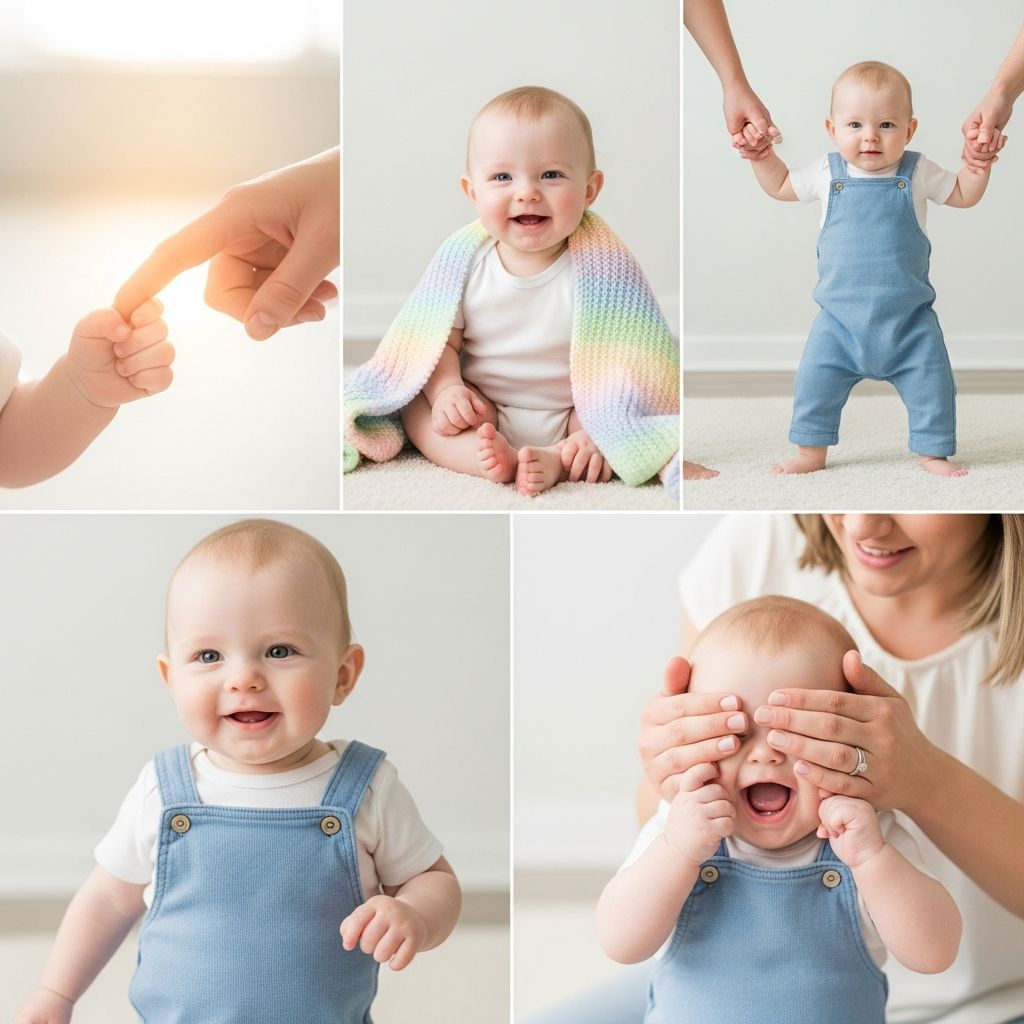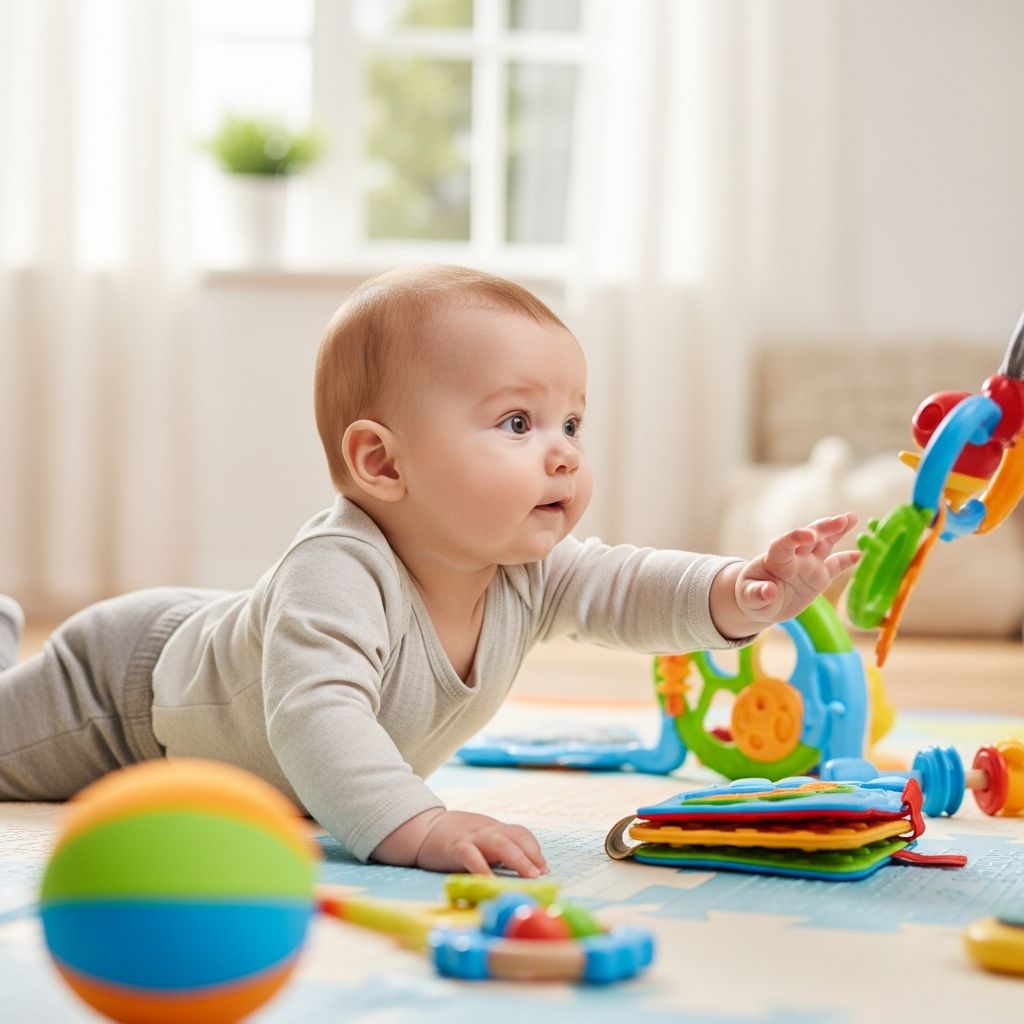
From their first wobbly head lifts to triumphant crawls, babies embark on an incredible journey of physical growth. Engaging in targeted movement activities plays a pivotal role in fortifying muscles, refining coordination, and laying the groundwork for major milestones like rolling, sitting, and walking. These simple, parent-led exercises not only enhance gross motor skills but also foster brain development, body awareness, and parent-child bonding.
Why Movement Matters for Your Infant’s Growth
Physical activity in the earliest months is foundational for lifelong health. It strengthens neck and core muscles essential for head control, supports joint flexibility, and activates the vestibular system for better balance. Research shows that regular movement promotes neural connections, aiding cognitive and sensory progress while reducing risks of developmental delays. For preterm infants, these activities are particularly beneficial, countering low muscle tone and accelerating strength gains.
Guidelines from health authorities emphasize daily active play. Infants under one year should engage in varied movements throughout the day, including tummy time, to build endurance and flexibility. Beyond physical gains, these interactions boost emotional security through close contact and responsive play.
Core Benefits of Early Physical Play
- Muscle Fortification: Repetitive motions like leg kicks and arm extensions build tone in the upper body, trunk, and limbs, preparing for rolling and crawling.
- Enhanced Flexibility: Gentle stretches maintain joint mobility, preventing tightness and supporting fluid motion.
- Balance and Proprioception: Position changes stimulate inner ear responses, improving spatial awareness.
- Cognitive Boost: Movement sparks brain-body links, sharpening attention, memory, and problem-solving.
- Milestone Acceleration: Consistent practice correlates with earlier walking and stable locomotion.
Age-Appropriate Movement Routines
Tailor activities to your baby’s stage for maximum safety and effectiveness. Start slow, observing cues like fussiness or fatigue, and consult a pediatrician for personalized advice.
Newborns (0-6 Weeks): Awakening the Body
In these initial weeks, focus on subtle, soothing motions to introduce muscle engagement without overwhelm. Natural reflexes like kicking provide a base; amplify them gently.
- Leg Pedaling: Lay baby on their back and softly cycle legs as if riding a bicycle. This eases hip tension, relieves gas, and initiates lower body strength—do 5-10 reps per leg, 2-3 times daily.
- Arm Waves: Extend arms overhead then out to sides, mimicking gentle flapping. Promotes shoulder mobility and upper body tone.
- Sensory Touches: Massage limbs lightly during diaper changes to heighten body awareness.
These micro-movements support early neural pathways, with studies noting improved knee flexion strength from rhythmic kicking.
Young Infants (6-12 Weeks): Building Foundations
As alertness grows, introduce supported positions to challenge emerging control.
| Activity | Target Muscles | Duration/Frequency | Benefits |
|---|---|---|---|
| Tummy Time | Neck, shoulders, back | 3-5 mins, 3x/day | Head lifting prep, prevents flat head |
| Supported Sit | Core, spine | 1-2 mins, 2x/day | Posture awareness, trunk stability |
| Toy Reaches | Arms, hands | Play sessions as tolerated | Grasping skills, visual tracking |
Tummy time is non-negotiable; the American Academy of Pediatrics recommends it from day one, gradually increasing to 15-30 minutes total daily by three months.
Active Babies (3-6 Months): Momentum Building
Mobility ramps up—encourage exploration to harness energy.
- Assisted Pull-Ups: Hold hands and guide baby to a semi-sit, supporting head if needed. Strengthens abs for rolling.
- Leg Presses: Place feet on your palm; let baby push against gentle resistance. Mimics standing prep.
- Pillow Climbs: Stack soft cushions for safe ‘mountains’ to crawl over, enhancing grip and leg power.
Evidence from intervention studies shows such activities advance walking onset without growth risks.
Pre-Crawlers (6-9 Months): Advanced Challenges
Transition to dynamic play as independence emerges.
- Standing Supports: Hold under arms for foot pressing on firm surfaces—builds leg endurance.
- Roll Assists: Nudge sides during tummy time to practice full rotations.
- Obstacle Nav: Scatter toys for reaching/crawling paths, promoting coordination.
Safety Guidelines for Playful Strength Training
Prioritize comfort: Always supervise, use padded surfaces, and avoid overexertion. Never force positions; stop if baby arches or cries. For high-risk infants, physical therapy input ensures tailored progress. Hydrate during sessions and integrate into routines like post-feed play.
Integrating Movement into Daily Life
Weave exercises into feeds, baths, and walks for seamless habits. Babywearing activates balance via vestibular input. Outdoor time amplifies benefits, enhancing social and attentional skills. Track progress with milestone charts; celebrate small wins to motivate.
Common Concerns and Expert Insights
Parents often worry about ‘too much’ activity—rest assured, gentle play aligns with natural reflexes. If delays persist, early intervention via professionals yields optimal outcomes.
Frequently Asked Questions
How much daily activity is ideal for babies?
Aim for varied movement throughout the day, totaling 30 minutes of tummy time by 3 months, plus short play bursts.
Are these exercises safe for preemies?
Yes, adapted versions significantly improve tone; consult your doctor for modifications.
Can movement help with sleep or digestion?
Leg cycling often relieves colic gas, and active play promotes better rest cycles.
What if my baby resists tummy time?
Start with seconds on your chest, use mirrors/toys for engagement, and build gradually.
Do boys and girls need different activities?
No—universal benefits apply; individual pace varies.
These activities transform routine care into developmental powerhouses. Consistent, joyful play equips your baby for a strong start, fostering resilience and curiosity.
References
- Benefits of Gross Motor Exercises for Baby — BabySparks. 2019-04-16. https://babysparks.com/2019/04/16/benefits-of-gross-motor-exercises-for-baby/
- Play ideas for baby movement and physical activity — Raising Children Network. N/A. https://raisingchildren.net.au/babies/play-learning/play-baby-development/movement-play-babies
- Baby Exercises: Fun Activities to Help Strengthen and Develop — Dr. Talbot’s. N/A. https://drtalbots.com/blogs/dr-talbots-blog/baby-exercises
- 9 Best Physical Activities for Babies — Abiie. N/A. https://www.abiie.com/blogs/news/9-best-physical-activities-for-babies
- Physical activity in infancy and early childhood: a narrative review — PMC (NCBI). 2023. https://pmc.ncbi.nlm.nih.gov/articles/PMC10244791/
- 5 Ways To Increase Physical Activity for Infants and Toddlers — Choose PT. N/A. https://www.choosept.com/health-tips/5-ways-increase-physical-activity-infants-toddlers