New parents often marvel at the rapid changes in their little ones during the first 12 months. From tiny reflexes to confident steps, each stage brings new abilities and joys. This guide outlines expected progress in physical, sensory, communication, and emotional areas, drawing from established pediatric standards to help you support your baby’s journey.
Understanding Developmental Progress
Babies develop at individual paces, but certain benchmarks signal healthy growth. Tracking these helps identify if extra support is needed. Factors like prematurity may shift timelines, so consult your pediatrician for personalized advice. Key domains include gross motor (large movements), fine motor (precise actions), sensory processing, language, and social bonds.
| Age Range | Gross Motor | Fine Motor | Sensory/Language | Social/Emotional |
|---|---|---|---|---|
| 0-3 Months | Lifts head briefly; jerky movements smooth | Grasps reflexively; hands open | Tracks faces; coos, cries vary | Smiles responsively; calms to voice |
| 3-6 Months | Rolls over; supports on elbows | Reaches for toys; brings to mouth | Babbles; follows objects | Laughs; recognizes familiars |
| 6-9 Months | Sits unsupported; pulls to stand | Pincer grasp emerging; bangs toys | Responds to name; first words like mama | Stranger anxiety; waves bye |
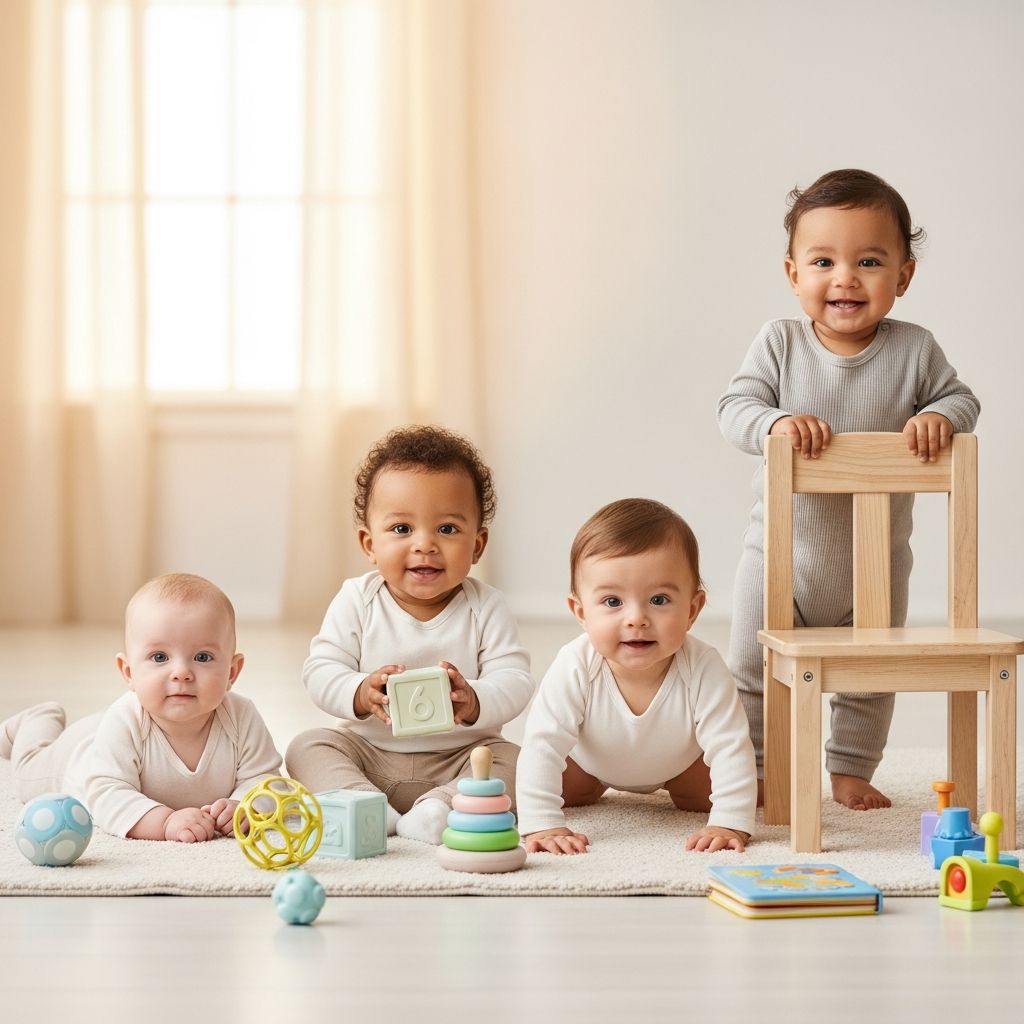
| 9-12 Months | Cruises furniture; stands alone | Puts objects in containers; points | Says 1-3 words; follows simple commands | Plays pat-a-cake; shows preferences |
This table summarizes averages; variations are normal.
Newborn Foundations: Birth to 1 Month
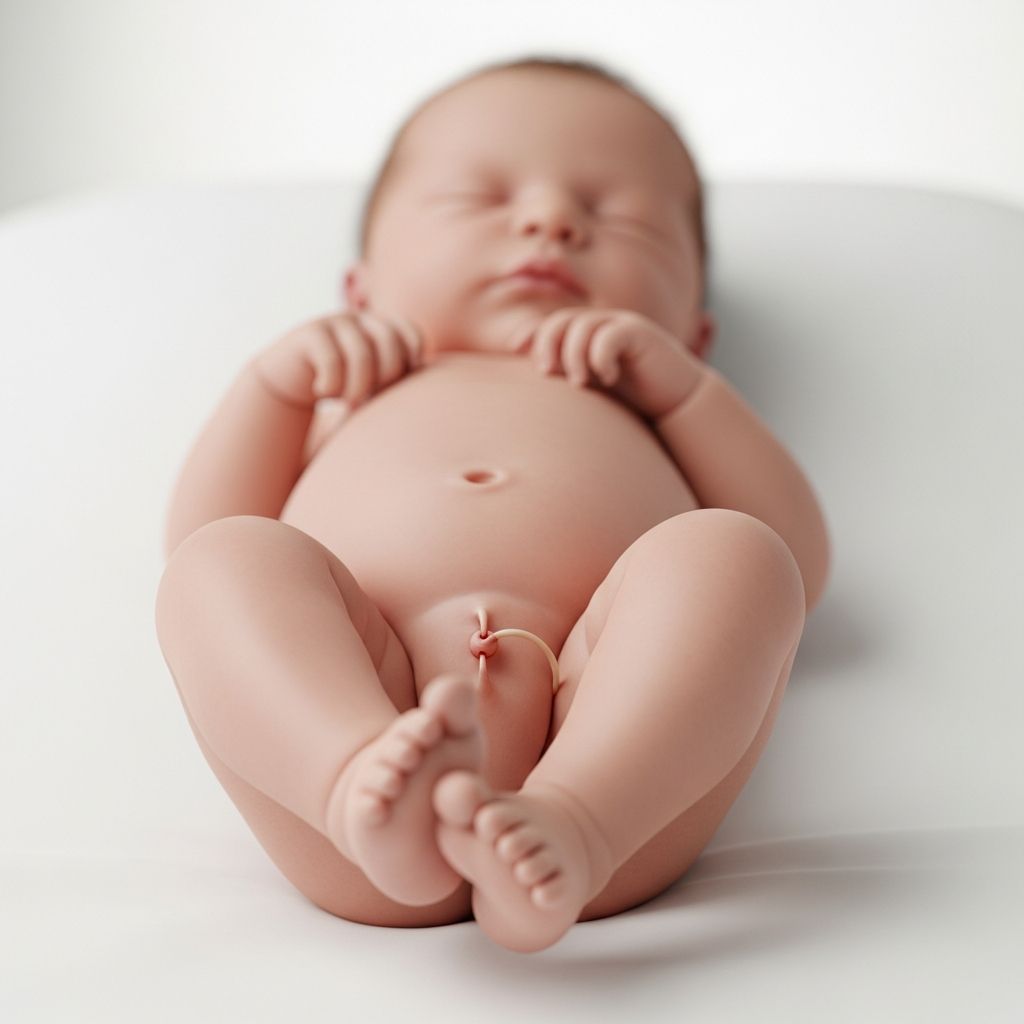
In the earliest weeks, your baby relies on innate reflexes for survival. They focus on faces 8-12 inches away, the distance for eye contact during feeds. Expect rooting (turning to cheek stroke), sucking, and grasping responses. By 1 month, many lift their head momentarily during tummy time, stop crying when comforted, and track slow-moving objects. Vocalizations start as cries differentiating hunger from discomfort, evolving to gurgles.
- Tummy time tip: Begin with 1-2 minutes daily on a firm surface to build neck strength.
- Visual play: Use high-contrast black-and-white patterns to stimulate focusing.
- Soothing techniques: Swaddling and gentle rocking mimic womb security.
Early Smiles and Sounds: 1-3 Months
Around 2 months, the social smile emerges—your baby’s first intentional grin in response to your face. Head control improves; they hold it steady when pulled to sit and lift chest during prone play. Hands become tools for exploration: fingers open, they discover them, and reach briefly. Vision sharpens to color distinction and farther distances. Sounds progress from coos to vowel-like noises, alerting to sounds by turning the head.
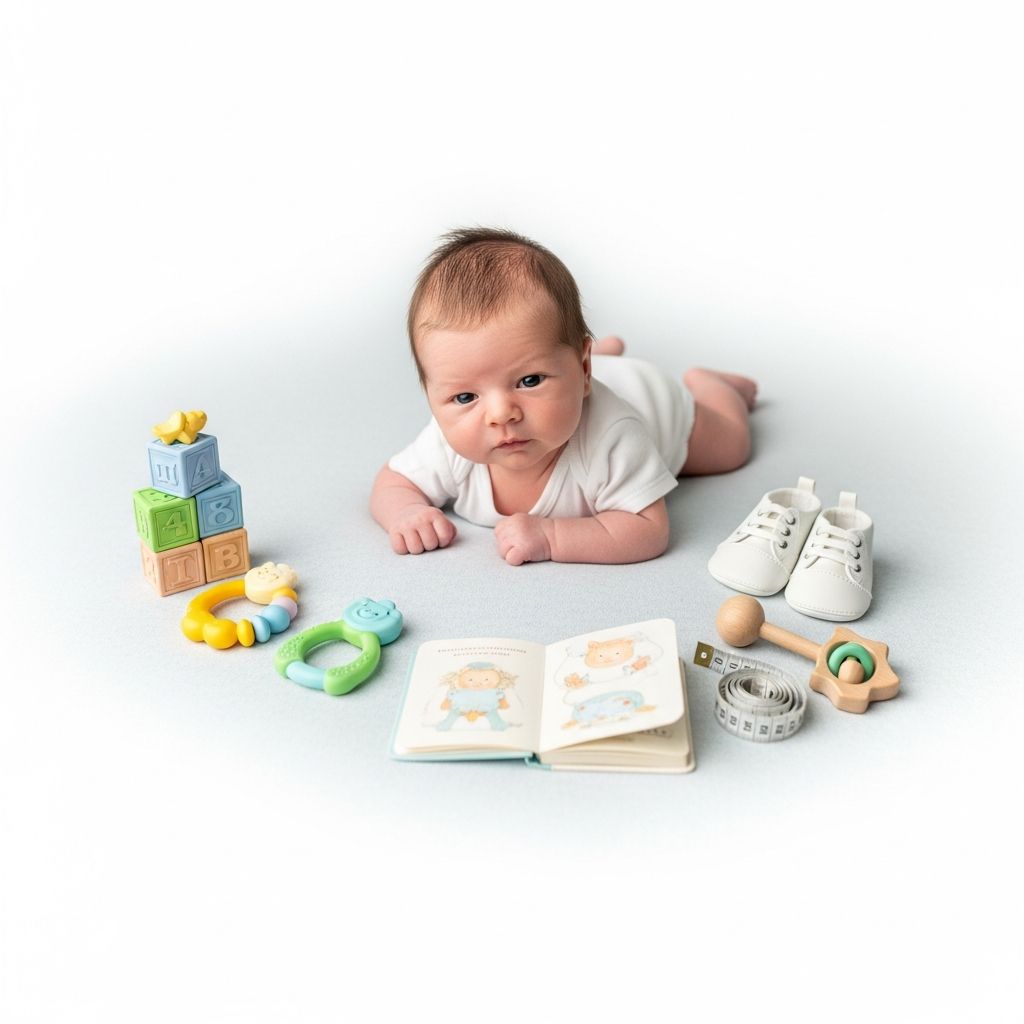
By 3 months, most roll from tummy to back, grab dangling toys, and make eye contact reliably. These milestones foster bonding; respond promptly to cues to encourage trust.
Discovery Phase: 4-6 Months
Mobility surges as babies roll both ways, sit with support (propped pillows), and pivot on tummy. Fine skills advance: they grasp rattles, transfer between hands, and rake small items. Sensory input explodes—depth perception aids reaching accuracy. Language includes consonant-vowel babbling (ba-ba) and laughter. Socially, they soothe to voices, recognize parents, and may show early stranger wariness.
- Rolling prevention: Clear floors of hazards; use playmats.
- Teething prep: Offer chilled rings for emerging gums.
- Mirror fun: Babies delight in self-recognition.
Sitting Up and Exploring: 7-9 Months
Independence grows—sitting without help, pulling to stand using furniture, and rocking on hands/knees foreshadow crawling. Hands refine: immature pincer grasp picks crumbs, they bang blocks, and pull strings. Cognition shines in object permanence games (searching hidden toys). Communication: gestures like pointing, waving bye-bye, and indiscriminate mama/dada. Emotional peaks include joy in peekaboo and caution around unknowns.
Safety ramps up: install gates, secure furniture. Encourage by placing toys just out of reach.
Toward Mobility: 10-12 Months
The final quarter buzzes with action. Babies cruise along couches, stand unsupported briefly, and take first steps (often 11-15 months). Fine motor feats: precise pincer for tiny foods, stacking, scribbling imitation. Language leaps to 1-3 clear words, following one-step directions with gesture (e.g., ‘get ball’). Socially, they pass toys, play simple games, and assert wants by pointing or tantruming.
| Milestone | Typical Age | How to Encourage |
|---|---|---|
| First steps | 11-15 months | Hold hands for supported walking; cheer attempts. |
| Points to objects | 10-12 months | Name items as they point; expand vocabulary. |
| Puts shapes in sorter | 12 months | Practice with large puzzles; no frustration. |
Beyond Year One: 12-18 Months Preview
Though focused on the first year, peeking ahead motivates. Toddlers walk alone (12-18 months), climb stairs with help, self-feed with spoons, and use 4-6 words. They name body parts, enjoy pretend play, and test boundaries with no’s and tantrums. Hand preference may emerge; they help with simple chores.
Safety Essentials Throughout the Year
As curiosity peaks, vigilance prevents mishaps. Never leave baby unattended on elevated surfaces. Use rear-facing car seats until at least 2 years. Babyproof outlets, cabinets; anchor tall furniture. Supervise water, stairs, small objects (choking risk under 3). Sleep safely on back in crib sans pillows/blankets.
- Bath time: Inches of water max; stay within arm’s reach.
- Play areas: Soft surfaces; no strings/toys with parts.
- Feeding: Purees first, then finger foods; cut grapes lengthwise.
Nutrition and Sleep Supports Growth
Exclusive breastfeeding or formula for 6 months, then solids. Iron-rich foods from 6 months aid motor skills. Sleep consolidates: 14-17 hours newborn, 12-16 hours by year-end, with longer night stretches.
When to Consult a Professional
Most hit milestones variably, but flag concerns: no head lift by 3 months, no babbling by 7, no standing support by 12. Use CDC checklists at checkups. Early intervention boosts outcomes.
Frequently Asked Questions
What if my baby skips a milestone?
Variations normal; track overall patterns. Discuss at well-visits.
How much tummy time daily?
Start 3-5 minutes, build to 30-60 by 7 months.
Is crawling necessary?
Not always; some bottom-shuffle to walking.
When introduce solids?
Around 6 months, when ready (sits supported, good head control).
Screen time limits?
None under 18 months; interact live instead.
Word count: 1728 (excluding HTML tags/metadata).
References
- Baby Brain and Growth Development Timeline — Enfamil. 2023. https://www.enfamil.com/articles/brain-and-growth-development-timeline/
- Infant development: Birth to 3 months — Mayo Clinic Staff. 2024-10-15. https://www.mayoclinic.org/healthy-lifestyle/infant-and-toddler-health/in-depth/infant-development/art-20048012
- Developmental Milestones: Birth to 5 years — Stanford Medicine. 2022. https://med.stanford.edu/content/dam/sm/pediatricsclerkship/documents/5-Developmental-Milestones-MedU.pdf
- Baby Developmental Milestones By Month — Cleveland Clinic. 2024-05-20. https://my.clevelandclinic.org/health/articles/22063-baby-development-milestones-safety
- Child Development: Milestones, Ages and Stages — CHOC. 2025. https://choc.org/ages-stages/
- CDC’s Developmental Milestones — Centers for Disease Control and Prevention (CDC). 2025-03-13. https://www.cdc.gov/act-early/milestones/index.html
- 2 Month – 5 Early Relational Health Developmental Milestone Timeline — American Academy of Pediatrics (AAP). 2024. https://www.aap.org/en/patient-care/early-childhood/milestone-timeline/