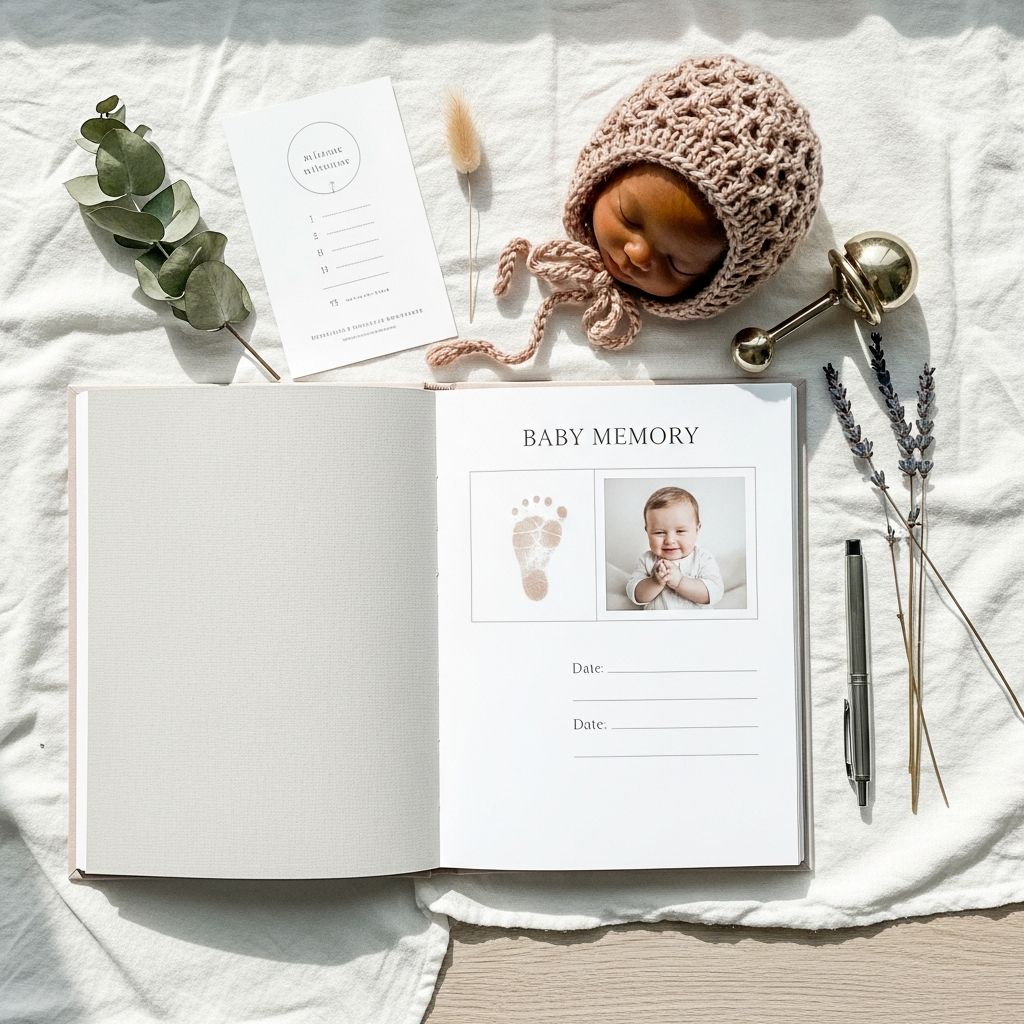
Those first months and years with a baby are a blur of late nights, tiny socks, and big feelings—and a baby memory book is one of the simplest ways to keep those fleeting moments from fading away.
This guide walks through why memory books matter, how to choose the right style for your family, and easy, low-stress ways to actually keep up with it over time.
Why a Baby Memory Book Still Matters in a Digital World
Phones are overflowing with photos and videos, but a baby memory book serves a different purpose: it turns scattered moments into a story you can hold in your hands. It brings structure and meaning to your memories instead of leaving them buried in camera rolls and cloud folders.
Parents often find that sitting down to write in a memory book encourages them to slow down, reflect, and savor milestones that might otherwise pass unnoticed. It becomes part scrapbook, part journal, and part love letter to your child’s earliest years.
Key Decisions Before You Buy
Before picking a specific book, it helps to think through how you want to use it. A little clarity up front can prevent regret later, like realizing your book stops at age one when you hoped to document school years.
- How long do you want it to cover? Just baby’s first year, the first five years, or all the way to early school days?
- How much time do you realistically have? Daily journaling, monthly summaries, or quick notes when you remember?
- Do you love writing or hate it? Some parents want thoughtful prompts; others just want spaces for photos and simple facts.
Types of Baby Memory Books
Modern baby memory books come in a wide range of formats, each with unique advantages. Understanding the main types makes it easier to find one that fits your lifestyle instead of fighting against it.
| Type | Best For | Pros | Potential Drawbacks |
|---|---|---|---|
| Traditional bound book | Parents who want a classic, coffee-table keepsake | Polished look, structured pages, often beautifully designed | Less flexible; hard to add or remove pages later |
| Ring-binder or disc-bound | Families who like to customize and rearrange | Pages can be added, moved, or removed; good for extra photos | Can feel bulkier; requires more organizing |
| Journal-style | Parents who enjoy writing and reflection | Open-ended prompts, plenty of space for stories and feelings | Less guidance; can feel overwhelming if you dislike writing |
| Photo-focused album | Visual storytellers with tons of pictures | Quick to update; simple captions instead of long entries | Can leave out smaller details or emotions if not intentional |
| Hybrid digital-to-print | Tech-comfortable parents who want backup copies | Record on phone or app, then print a bound book later | Requires using specific software; may have recurring costs |
Features That Actually Make a Difference
Beautiful covers and trendy fonts are fun, but everyday usability matters much more. Focus on features that will genuinely make it easier to record memories when you are tired, busy, and sometimes one-handed.
- Durable cover and binding: Choose something that can survive curious toddlers and years of page-turning.
- Thick, pen-friendly pages: Look for paper that resists bleeding and smudging so you can use your favorite pens and markers.
- Lay-flat design: A book that lies flat on the table is far easier to write in, especially when adding photos.
- Pockets or envelopes: Handy for hospital bracelets, locks of hair, cards, and other three-dimensional keepsakes.
- Simple, intuitive layout: Clear sections and prompts help you know exactly what to fill out next.
Essential Pages You’ll Want Included
Different books offer different spreads, but some pages prove timeless across families and cultures. When browsing, flip through sample pages or descriptions to be sure your favorites are there.
- Before baby arrives: Space for pregnancy stories, ultrasounds, baby shower memories, and name ideas.
- Birth details: Date and time, place, length, weight, and a few lines about the birth experience.
- Family tree: Names, relationships, and perhaps a photo or two of close relatives.
- Milestone tracker: First smile, first tooth, first word, first steps, and other key moments.
- Growth charts: Sections for height, weight, and head circumference at key ages.
- Letters to baby: Pages where parents, siblings, or grandparents can write messages.
- Special occasions: First holidays, birthdays, and cultural or religious celebrations.
How to Match a Memory Book to Your Personality
The “best” baby memory book is the one you will actually use. Your personality, energy level, and creative style should drive your choice more than anyone else’s recommendations.
- The minimalist: Pick a book with clean design, short prompts, and predefined spaces for a handful of photos each month.
- The storyteller: Look for long, open writing spaces, thoughtful questions, and room for multi-page letters.
- The scrapbooker: Choose a ring-bound or scrapbook-style book with decorative pages, stickers, and flexible layouts.
- The data lover: Find a book with charts, timelines, and structured spaces for measurements and milestones.
- The overwhelmed but hopeful parent: Opt for a low-pressure book that focuses on occasional highlights instead of daily or weekly entries.
Low-Stress Strategies for Keeping Up
Many parents start with the best intentions and then feel guilty when the book gathers dust. A few small habits can turn your memory book from a chore into a simple, sustainable ritual.
- Set a recurring reminder: Once a month, choose a calm moment to add photos, jot milestones, and write a short update.
- Keep a running notes list: Use a notes app or a small notebook to capture funny quotes, new skills, and sweet moments in real time.
- Batch your photos: Once every few months, print a small set of favorite pictures instead of trying to keep up weekly.
- Lower the bar: A few sentences per month add up to a rich story over years; perfection is not required.
Creative Ideas for What to Include
If you want your memory book to feel personal and unique, go beyond standard milestones. The little details often become the most precious later on.
- Everyday favorites: Write about current favorite songs, toys, foods, and bedtime books at different ages.
- Quirky habits: Capture tiny mannerisms, like how your baby holds their bottle, crinkles their nose, or lines up toys.
- Family traditions: Note seasonal rituals, holiday routines, and cultural practices you hope to continue.
- Mini interviews: As your child grows, record their answers to simple questions like “What makes you happy?” or “What do you want to be?”
- Snapshots of the world: Mention popular songs, prices, or events around the time of their birth to give context to their early years.
Memory Books for Different Family Situations
No two families look exactly the same, and a good memory book should honor that. When possible, choose designs and prompts that feel inclusive and flexible enough to reflect your reality.
- Blended and stepfamilies: Look for open language about caregivers, or customize family tree pages to include everyone important.
- Solo parents: Skip pages that do not apply, re-label them with stickers, or repurpose them for friends and chosen family.
- Adoptive and foster families: Consider books that include or allow for pre-placement history, first meetings, and unique milestones.
- Multiple children: Decide whether each child gets their own book or whether you want one shared family chronicle.
Turning Digital Clutter into a Printed Story
Many parents already record notes and photos digitally: text threads, social media posts, and phone snapshots. Instead of starting from scratch, you can repurpose that material for your baby memory book.
- Scroll back through your messages or posts to collect dates and descriptions of milestones.
- Screenshot or print favorite captions to paste into your book as mini journal entries.
- Use digital albums labeled by month to quickly choose which photos to print and include.
From First Days to First Days of School
Some parents stop after the first birthday, while others love continuing the tradition for years. Either approach is valid, but if you plan ahead, you can choose a book that grows with your child.
Many multi-year books include sections for preschool, first day of school, and changing interests. Even if your chosen book ends early, you can extend the habit into a simple yearly letter or a new volume that covers the school years.
Sample Structure for Your Own DIY Memory Book
If you cannot find a book that feels just right, consider building your own in a binder or notebook. Use these sections as a starting point and customize them to match your family and culture.
- Section 1: Before you arrived – pregnancy highlights, name story, hopes and dreams.
- Section 2: Your birth day – birth story, first photos, visitors, first impressions.
- Section 3: Month-by-month – a page or two for each month in the first year.
- Section 4: Big milestones – firsts, from rolling over to starting school.
- Section 5: Traditions and celebrations – holidays, birthdays, cultural rituals.
- Section 6: Letters and messages – notes from parents, siblings, relatives, and even future self letters.
Frequently Asked Questions About Baby Memory Books
Do I really need a baby memory book if I already post on social media?
Social media posts are easy to lose as platforms change or accounts are closed, while a physical book offers a stable, tangible keepsake. It also gives you space for details and private reflections you may not want to share publicly.
What if I start late and already missed early milestones?
Starting late is common, and it is completely fine to reconstruct earlier memories from photos, texts, and conversations. A partial story is infinitely more valuable than no record at all, and you can always leave some pages blank without guilt.
How often should I update the book?
There is no single right frequency; many parents find that monthly updates strike a good balance between detail and practicality. During especially busy seasons, brief quarterly summaries or highlight pages can keep the story going without pressure.
What should I use to write and attach photos?
Acid-free pens and archival-safe adhesive or photo corners help protect pages from yellowing and damage over time. Lightweight prints instead of very thick photos also make it easier for the book to close neatly.
Can I involve older siblings in creating the book?
Older siblings can add drawings, dictate short notes, or answer questions about their new brother or sister, which makes the book feel like a shared family project. Their early illustrations and observations often become cherished highlights in later years.
Making the Memory Book Truly Yours
Whether you choose a minimalist album or a detailed journal, the magic of a baby memory book lies in its imperfections: the hurried handwriting, the crooked photos, and the occasional blank page. These small signs of real life will one day remind you just how full and busy these years were.
The goal is not to create a flawless museum piece, but to preserve a living record of love, growth, and everyday miracles that you and your child can revisit together for decades to come.