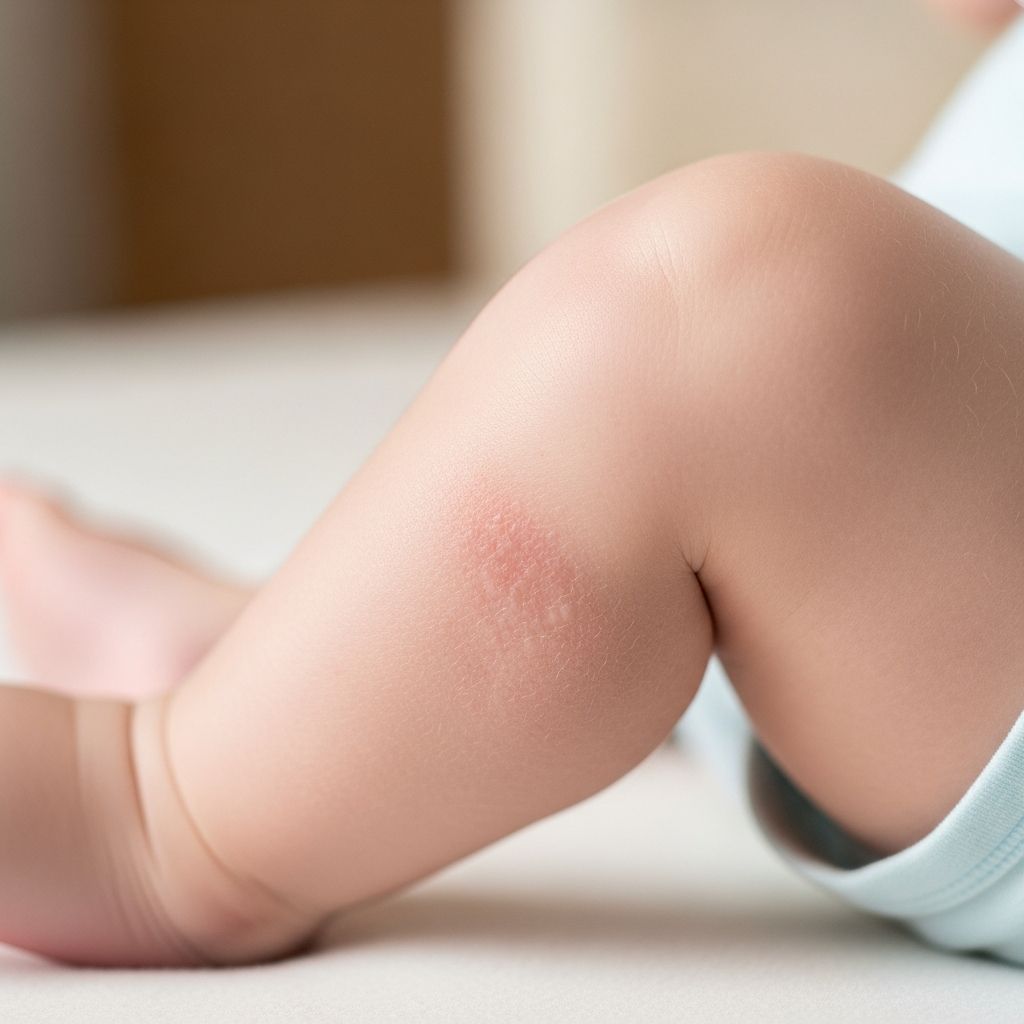
Infants often develop rashes on their legs due to sensitive skin reacting to moisture, friction, irritants, or environmental factors. These spots can range from mild redness to bumpy patches, but most resolve with proper care. Understanding the type helps parents respond effectively without unnecessary worry.
Why Legs Are Prone to Rashes in Babies
Baby legs frequently contact diapers, clothing, saliva, or sweat, creating ideal conditions for irritation. Delicate skin barriers are still maturing, making them vulnerable to allergens, bacteria, and heat. Frequent leg movement against fabrics can cause chafing, while enclosed areas trap moisture leading to fungal growth or dermatitis.
Key factors include:
- Moisture buildup from urine, stool, or sweat.
- Friction from tight clothes or rough materials.
- Irritants like soaps, detergents, or food residues.
- Temperature extremes causing overheating or dryness.
Common Types of Rashes on Baby Legs
Several rashes commonly appear on legs, each with distinct features. Early identification prevents worsening.
Diaper Rash Extending to Legs
This red, inflamed area starts in the diaper zone but spreads to upper thighs and legs from prolonged wetness or stool contact. Skin may feel hot, develop spots, or blister if infected. Babies with loose stools or infrequent changes are at higher risk.
Eczema on Legs
Atopic dermatitis shows as dry, itchy, red patches, often behind knees or on lower legs. It flares with allergens like dairy, dust, or wool fabrics. Family history increases likelihood.
Heat Rash on Legs
Milaria appears as tiny clear or red bumps when sweat ducts clog in warm weather. Legs covered by pants or blankets are common sites; it fades quickly upon cooling.
Contact Dermatitis from Clothing or Drool
Red, patchy irritation from synthetic fabrics, dyes, or drool wiping on legs. It mimics allergy responses but resolves by removing the trigger.
Fungal or Bacterial Infections
Bright red patches with satellite spots indicate yeast overgrowth in moist folds. Bacterial issues add pus-filled bumps.
| Rash Type | Appearance | Common Leg Locations | Duration |
|---|---|---|---|
| Diaper Rash | Red, raw, possible blisters | Thighs, creases | Days to weeks |
| Eczema | Dry, scaly, itchy patches | Behind knees, calves | Chronic if untreated |
| Heat Rash | Small clear/red bumps | Thighs, shins | Hours to days |
| Contact Dermatitis | Red streaks or patches | Where clothes touch | Days after trigger removal |
Symptoms That Signal Concern
Monitor for fever, lethargy, spreading rash, pus, or breathing issues alongside leg spots—these warrant immediate pediatrician visits. Persistent rashes over two weeks or non-responsive to care also need evaluation.
Effective Home Treatments for Leg Rashes
Most leg rashes improve with gentle care tailored to the cause.
For Diaper-Related Leg Irritation
- Change diapers every 2 hours or immediately after soiling.
- Gently clean with lukewarm water and soft cloths; skip alcohol wipes.
- Apply thick zinc oxide barrier creams to protect skin.
- Allow diaper-free air time on a towel.
Managing Eczema on Legs
- Moisturize twice daily with fragrance-free ointments.
- Bathe in lukewarm water with colloidal oatmeal; pat dry.
- Use cotton clothing and hypoallergenic detergents.
- Avoid triggers like citrus in diet if breastfeeding.
Relieving Heat Rash
- Cool the room to 68-72°F with good ventilation.
- Dress in loose, breathable cotton layers.
- Avoid ointments; let skin air dry.
General Soothing Tips
Keep nails short to prevent scratching. Use cool compresses for itch relief. Pharmacists recommend child-safe antihistamines or pain relievers for babies over 2 months.
Prevention Strategies for Healthy Baby Legs
Proactive steps minimize recurrence.
- Daily Routine: Bathe 2-3 times weekly with mild, soap-free cleansers.
- Laundry: Fragrance-free, baby-specific detergents; double rinse.
- Clothing: 100% cotton, properly sized to avoid rubbing.
- Diet Tracking: Note reactions to new foods.
- Environment: Maintain comfortable temperatures; use humidifiers in dry air.
Vaccinations protect against viral rashes like roseola that may affect legs.
When to Consult a Pediatrician
Seek help if rash covers large areas, baby seems ill, or home care fails after 3-5 days. Dermatologists assess chronic cases. Never use adult creams or steroids without advice.
Frequently Asked Questions (FAQs)
Can baby leg rashes be contagious?
Most like eczema or heat rash are not, but fungal or bacterial ones can spread. Isolate from other children if suspected.
How long do leg rashes typically last?
With care, 3-7 days for mild cases; eczema may persist longer.
Is coconut oil safe for baby leg rashes?
Yes, for loosening scales or moisturizing non-open skin, but test patch first.
Does drool cause leg rashes?
Indirectly, if hands transfer saliva to legs during play.
What if the rash turns purple?
This signals urgency; contact a doctor immediately for possible serious infection.
Long-Term Skin Health for Growing Babies
As babies crawl and walk, legs face more exposure. Build resilience with consistent moisturizing and gentle products. Track patterns in a journal for doctor discussions. Most infants outgrow frequent rashes by toddlerhood. Empower yourself with knowledge to nurture confident, rash-free skin.
(Word count: 1624)
References
- Baby Rash: Causes, Types, Treatments, Prevention — Healthline. 2023-05-15. https://www.healthline.com/health/how-to-spot-and-take-care-of-your-babys-rash
- Rashes in babies and children — NHS. 2024-02-10. https://www.nhs.uk/symptoms/rashes-babies-and-children/
- Common baby rashes — Mayo Clinic. 2023-11-20. https://www.mayoclinic.org/healthy-lifestyle/infant-and-toddler-health/in-depth/baby-rashes/art-20546833
- Skin conditions in children — Cleveland Clinic. 2024-01-08. https://my.clevelandclinic.org/health/diseases/6951-skin-conditions-in-children
- Rashes in Infants and Children: Identification & Treatment — Altitude Dermatology. 2023-07-12. https://www.altitudedermatology.com/blog-post/rashes-infants-children