Parents often seek clever ways to save time and reduce waste when preparing meals for their infants. One popular online tip involves storing opened jars of baby food directly in the fridge after feeding, sometimes even reusing the same spoon. But is this fridge hack truly safe for delicate baby tummies? Health authorities like the FDA warn that such practices can introduce harmful bacteria from saliva, leading to potential foodborne illnesses. This article dives deep into the science behind baby food safety, explores why these shortcuts fall short, and provides reliable strategies endorsed by leading organizations to keep your baby nourished without unnecessary risks.
Understanding the Dangers of Improper Baby Food Storage
Infants have developing immune systems, making them highly susceptible to bacteria like Salmonella and Listeria. A common fridge trick—dipping a spoon into a jar, feeding the baby, and then refrigerating the rest—transfers saliva back into the food. This saliva contains oral bacteria that thrive in the nutrient-rich environment of pureed fruits and veggies. The FDA explicitly advises against this, recommending spooning out a serving onto a clean dish first, then refrigerating the untouched jar portion.
Time is another critical factor. Leftover formula or breast milk in a bottle should be discarded after 2 hours at room temperature, as bacteria multiply rapidly. Similarly, opened baby food jars left out too long invite contamination. Studies show that improper storage can lead to intestinal issues or worse in babies under 12 months.
- Bacterial Growth Risk: Saliva introduces enzymes and microbes that accelerate spoilage.
- Temperature Danger Zone: Food between 40°F and 140°F (4°C-60°C) is prime for pathogen proliferation.
- Immune Vulnerability: Babies can’t fight off infections as effectively as adults.
Proven Safe Storage Methods for Baby Purees and Formulas
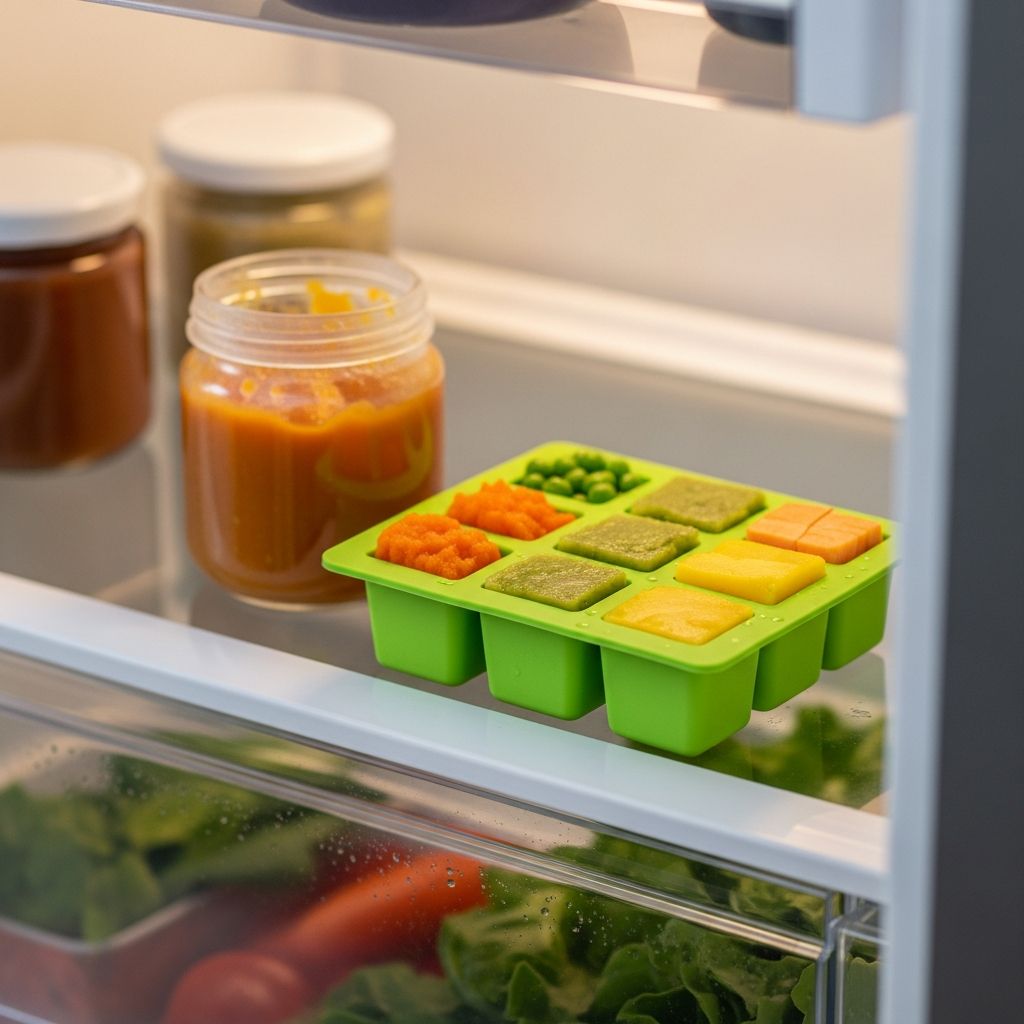
To sidestep these pitfalls, follow guidelines from trusted sources like the USDA and CDC. Always portion out baby food into a separate bowl before feeding. Any uneaten food from the bowl goes straight in the trash, while the jar can be capped tightly and refrigerated for up to 48 hours—or frozen in portions for longer. For homemade purees, use fresh ingredients, refrigerate within 48 hours (meats within 24), or freeze immediately in ice cube trays.
Heating is equally important. Microwaves create hot spots in milk or purees, risking mouth burns. Instead, warm bottles under hot running water or in a warm water bath until lukewarm—test on your inner wrist. Stir solid foods well, let them stand for 30 seconds, and taste-test before serving.
| Method | Safe Practice | Why It Works |
|---|---|---|
| Jar Storage | Spoon to bowl only | Prevents saliva contamination |
| Formula/Breast Milk | Discard after 2 hours | Bacteria doubles every 20 minutes |
| Homemade Purees | Freeze in portions | Maintains freshness up to 3 months |
| Heating | Warm water bath | Even temperature, no hot spots |
Choking Hazards: Beyond the Fridge, a Bigger Mealtime Threat
Storage is just one piece; safe eating environments prevent choking, a leading cause of injury in infants. Babies should always be seated upright in a high chair with feet supported and tray at chest level, minimizing distractions like screens. Foods like whole grapes, nuts, popcorn, hot dogs, and raw carrots are notorious culprits due to their size, shape, and texture—round, hard, or slippery items lodge easily in tiny airways.
Responsive feeding lowers risks: let babies self-feed larger pieces they can grasp and gnaw, building oral motor skills. Spoon-feeding increases choking odds if food is pushed past the gag reflex. The AAP echoes this, advising cuts no larger than ½ inch for kids under 4. Supervise every bite, and know gagging (noisy, baby recovers) from true choking (silent, blue lips—act fast with infant Heimlich).
- Cut grapes, hot dogs, and cherry tomatoes into quarters.
- Offer fish fully deboned.
- Avoid honey under 12 months due to botulism risk.
- No dairy milk or plant-based alternatives before 12 months.
Hygiene Essentials: The Foundation of Baby Feeding Safety
Good habits start with clean hands, surfaces, and gear. Wash bottles, nipples, and utensils after every use; sterilize new items or when baby is ill. For pouches, squeeze into a bowl—never double-dip the spout. A pleasant, distraction-free mealtime fosters healthy eating patterns and reduces mishaps.
Establish routines: consistent meal times, warm interactions, no forcing food. This builds trust and prevents overfeeding or refusal. For weaning, introduce solids around 6 months alongside exclusive breastfeeding, per WHO and AAP.
Age-Specific Feeding Guidelines to Avoid Common Pitfalls
Tailor practices by age. For 0-6 months: breast milk or formula exclusively—no solids, water, or juice. At 6-12 months: soft purees or finger foods, iron-rich options like fortified cereals. Toddlers (12-24 months): expand textures but watch portions to curb obesity risks.
Steer clear of high-risk items:
- Under 12 months: honey, cow’s milk, unpasteurized juices.
- Always: choking foods unless modified.
Making your own food? Use fresh produce, cook thoroughly, and batch-freeze. It’s cost-effective and customizable, but hygiene is non-negotiable.
Common Myths About Baby Food Hacks Debunked
Myth 1: “A quick fridge dip is fine if it’s just once.” Reality: Even one exposure risks bacterial transfer.
Myth 2: “Microwaving is faster and safe.” Reality: Uneven heating causes burns.
Myth 3: “Babies outgrow choking risks quickly.” Reality: Supervision needed until age 4.
Frequently Asked Questions (FAQs)
Can I refrigerate opened baby food jars after feeding?
Yes, but only the untouched portion. Spoon out servings first to avoid saliva contamination. Discard bowl leftovers.
What’s the max time for room-temp baby food?
No more than 2 hours. Refrigerate or discard promptly.
How do I safely heat breast milk?
Use warm running water or a water bath. Shake and test on wrist—no microwaves.
What are top choking foods to avoid?
Nuts, grapes, popcorn, hot dogs, raw carrots. Cut into tiny pieces if offering.
Is homemade baby food safer?
It can be, if prepared fresh and stored properly. Freeze portions and use within guidelines.
Empowering Parents with Long-Term Safe Feeding Habits
Mastering these practices not only averts immediate dangers but cultivates lifelong healthy eaters. Combine safety with joy: family meals, varied textures, and positive cues. Consult your pediatrician for personalized advice, especially allergies or reflux.
By prioritizing FDA, CDC, and AAP protocols, you safeguard your baby’s health amid trendy hacks. Knowledge is your best tool—feed confidently.
References
- Ages 0-2 Feeding Recommendations — Healthy Eating Research. 2023. https://healthyeatingresearch.org/tips-for-families/ages-0-2-feeding-recommendations/
- Once Baby Arrives (Food Safety for Moms-to-Be) — FDA. 2024-01-15. https://www.fda.gov/food/people-risk-foodborne-illness/once-baby-arrives-food-safety-moms-be
- Safe Eating Environments — Solid Starts. 2023. https://solidstarts.com/safety/
- Food Safety for Babies and Toddlers — Happy Family Organics. 2024. https://www.happyfamilyorganics.com/learning-center/article/food-safety-for-babies-and-toddlers/
- Infant Feeding: Tips for Food Safety — USDA WIC Works. 2022-06-01. https://wicworks.fns.usda.gov/sites/default/files/media/document/Infant_Feeding_Food_Safety_Job_Aid.pdf
- How to Clean, Sanitize, and Store Infant Feeding Items — CDC. 2024. https://www.cdc.gov/hygiene/faq/index.html
- Infant Food and Feeding — AAP. 2025-01-10. https://www.aap.org/en/patient-care/healthy-active-living-for-families/infant-food-and-feeding/