A baby’s skin is incredibly sensitive, serving as the first line of defense against environmental irritants, and food allergies can trigger visible distress through rashes and inflammation. These reactions occur when the immune system mistakenly identifies proteins in certain foods as threats, prompting the release of histamine and other chemicals that cause skin symptoms like hives or worsened eczema.
Understanding the Immune Response Behind Skin Reactions
The body’s defense mechanism involves IgE antibodies, which detect allergenic food proteins and initiate a cascade of responses. Upon exposure, these antibodies signal mast cells to release histamine, leading to widened blood vessels, fluid leakage, and inflammation that manifests as raised, itchy rashes on the skin. In infants, whose immune systems are still maturing, this overreaction can appear rapidly after ingestion, often within minutes to two hours.
This process not only affects the skin but can exacerbate conditions like eczema, where the skin barrier is already compromised, allowing allergens to penetrate more easily and intensify flares. Parents often notice these changes during the introduction of solid foods or formula, highlighting the importance of vigilant monitoring.
Common Types of Skin Manifestations in Allergic Babies
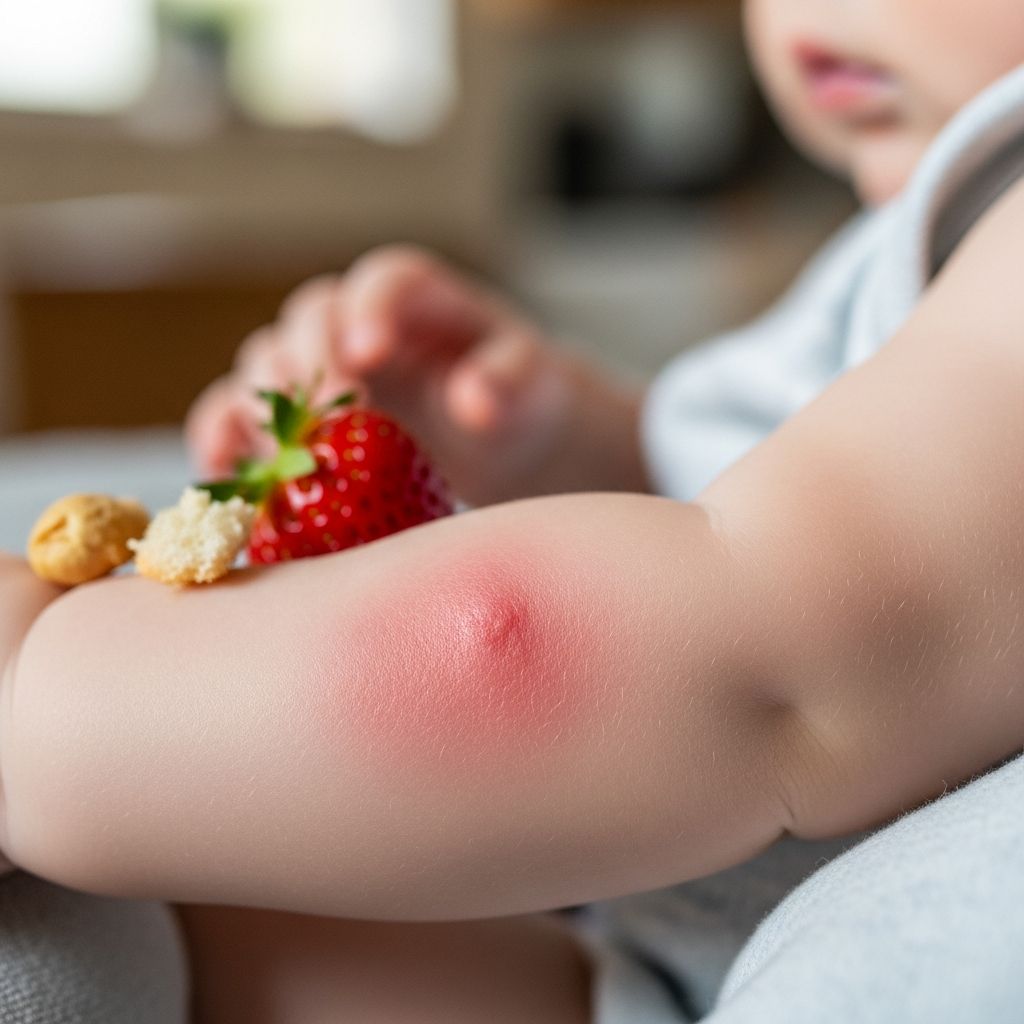
Food-induced skin issues vary in appearance and severity. The hallmark is **hives (urticaria)**, characterized by raised, pink welts with pale centers that resemble bug bites and can appear anywhere on the body. These often emerge shortly after eating the trigger food and may be accompanied by itching or swelling.
- Hives: Sudden, widespread red bumps that itch intensely and can migrate across the skin.
- Eczema flares: Dry, red, inflamed patches that worsen post-exposure, particularly in babies with pre-existing atopic dermatitis.
- Contact dermatitis: Localized redness from direct food contact, like around the mouth from acidic fruits, resolving quickly with cleaning.
- Angioedema: Deeper swelling under the skin, often around the face, lips, or eyes.
While mild rashes may resolve on their own, widespread or persistent ones warrant immediate attention to rule out progression to severe reactions.
Recognizing Accompanying Symptoms Beyond the Skin
Skin reactions rarely occur in isolation; they often signal broader allergic involvement. Mild indicators include nausea, vomiting, sneezing, congestion, stomach pain, itchy eyes, coughing, or aggravated eczema, typically appearing within hours of consumption.
Severe signs demand urgent care:
- Shortness of breath, wheezing, or repetitive coughing.
- Pale or bluish skin, sudden lethargy.
- Swelling of face, lips, tongue.
- Repetitive vomiting, diarrhea, or signs of dehydration.
In cases like Food Protein-Induced Enterocolitis Syndrome (FPIES), symptoms such as profuse vomiting 1-4 hours post-ingestion may follow, though skin involvement is less prominent. Distinguishing these from non-allergic rashes, like viral exanthems, relies on timing and correlation with meals.
Prevalent Food Triggers for Infants
Certain foods account for the majority of allergic reactions in babies. In the first year, **cow’s milk**, soy, and eggs top the list, often via formula or early solids. As children age, peanuts, tree nuts, fish, shellfish, wheat, and sesame become more common.
| Age Group | Top Triggers | Reaction Frequency |
|---|---|---|
| Infants (0-12 months) | Cow’s milk, soy, eggs | High in formula-fed babies |
| Toddlers/Older | Peanuts, tree nuts, fish, shellfish | 40% severe reactions |
| Both | Wheat, sesame | Increasing prevalence |
Exclusively breastfed infants rarely experience FPIES, but allergens can pass through maternal diet. Early introduction guidelines now recommend offering peanut products around 4-6 months for high-risk babies to potentially prevent allergies, per recent pediatric consensus.
Steps for Accurate Diagnosis
Diagnosis begins with a detailed history: noting rash timing relative to foods, symptom patterns, and family allergy history. Pediatricians may recommend:
- Skin prick tests: Dropping allergen extracts on the skin and pricking to check for wheal formation.
- Blood tests: Measuring specific IgE levels to suspect foods.
- Elimination diets: Removing suspects under supervision, followed by supervised reintroduction.
- Oral food challenges: Gold standard, conducted in medical settings.
Not all eczema links to food; only about one-third of moderate-severe cases do, so unnecessary restrictions can heighten allergy risk. Consult allergists for tailored plans, especially if reactions recur.
Immediate Management of Mild Reactions
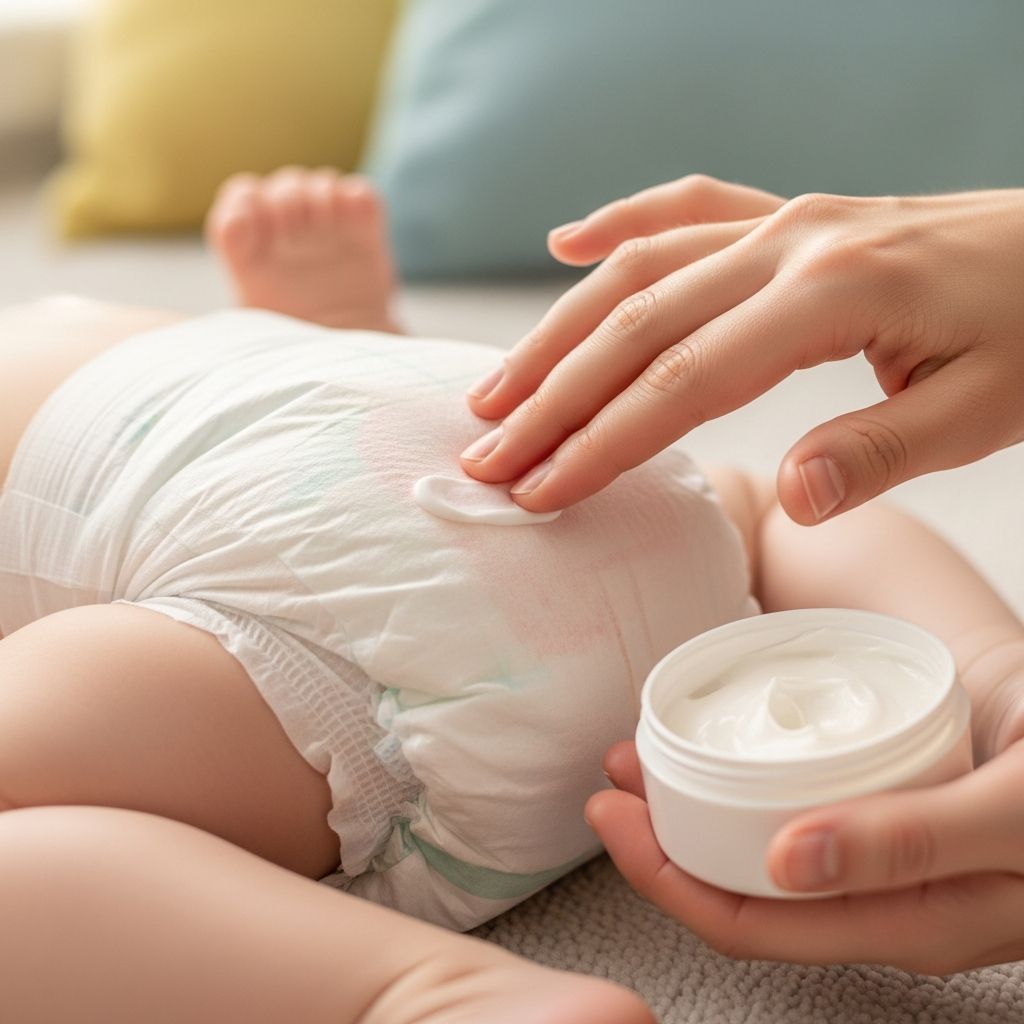
For localized rashes, gently cleanse the area with lukewarm water and apply fragrance-free moisturizers to soothe. Over-the-counter hydrocortisone (1%) can reduce itching temporarily, but avoid long-term use without guidance. Antihistamines like cetirizine may help for hives in infants over 6 months.
Monitor closely: if symptoms spread or intensify, seek medical help promptly. For breastfeeding moms, tracking maternal diet can pinpoint transferred allergens.
Handling Severe Allergic Episodes
Widespread hives, breathing difficulties, or swelling signal anaphylaxis risk—administer epinephrine via auto-injector if prescribed, call emergency services, and note symptoms for doctors. Post-reaction, all babies with confirmed allergies should carry epinephrine and have an action plan.
Long-term, cow’s milk allergies damaging the skin barrier can lead to the ‘allergic march’—progressing to asthma or hay fever—underscoring early intervention.
Safe Introduction of Solids to Minimize Risks
Current guidelines advise introducing common allergens early (4-6 months) in small amounts, alongside continued breastfeeding, to build tolerance. For high-risk babies (severe eczema, egg allergy), consult before peanuts.
- Start with single-ingredient purees.
- Wait 3-5 days between new foods.
- Observe for 2 hours post-feeding.
- Skin care: Daily emollients strengthen barriers.
Avoid delaying allergens unnecessarily, as this may increase sensitization.
Preventive Skincare for Allergic Infants
Maintain skin health with:
- Fragrance-free, hypoallergenic products.
- Regular moisturizing to repair barriers.
- Avoiding harsh soaps or hot baths.
- Humidifiers for dry environments.
These steps reduce flares even without allergies.
Frequently Asked Questions
How soon after eating does a food allergy rash appear in babies?
IgE-mediated rashes typically emerge within minutes to 2 hours; delayed eczema flares may take longer.
Can breastfed babies have food allergies?
Yes, via proteins in maternal diet; track mom’s intake if symptoms appear.
Is every baby rash a food allergy?
No—viral rashes, contact irritants, or teething mimic allergies; consult a doctor for confirmation.
What if my baby’s eczema worsens with new foods?
Don’t eliminate without testing; it may not be causal, and restriction risks new allergies.
Should I avoid all allergens until age 1?
No—early exposure per guidelines may prevent allergies; personalize with pediatric advice.
This comprehensive guide empowers parents to safeguard their baby’s skin amid food explorations. Always prioritize professional medical advice for personalized care.
References
- Does My Baby Have a Food Allergy Rash? — Prevent Allergies. 2023. https://www.preventallergies.org/blog/baby-food-allergy-rash
- Symptoms of Allergic Reactions in Babies — Solid Starts. 2024. https://solidstarts.com/symptoms-of-allergic-reactions/
- Food Allergy Rash: What Does It Look Like? — Hackensack Meridian Health. 2024-09-04. https://www.hackensackmeridianhealth.org/en/healthu/2024/09/04/food-allergy-rash-what-does-it-look-like
- Food Allergy – Symptoms and Causes — Mayo Clinic. 2024. https://www.mayoclinic.org/diseases-conditions/food-allergy/symptoms-causes/syc-20355095
- Food Allergy — Seattle Children’s Hospital. 2024. https://www.seattlechildrens.org/conditions/a-z/food-allergy/
- Infancy — Food Allergy Research & Education (FARE). 2024. https://www.foodallergy.org/resources/infancy
- Navigating Food Allergies in Young Children — InfantRisk Center. 2024. https://www.infantrisk.com/content/navigating-food-allergies-young-children