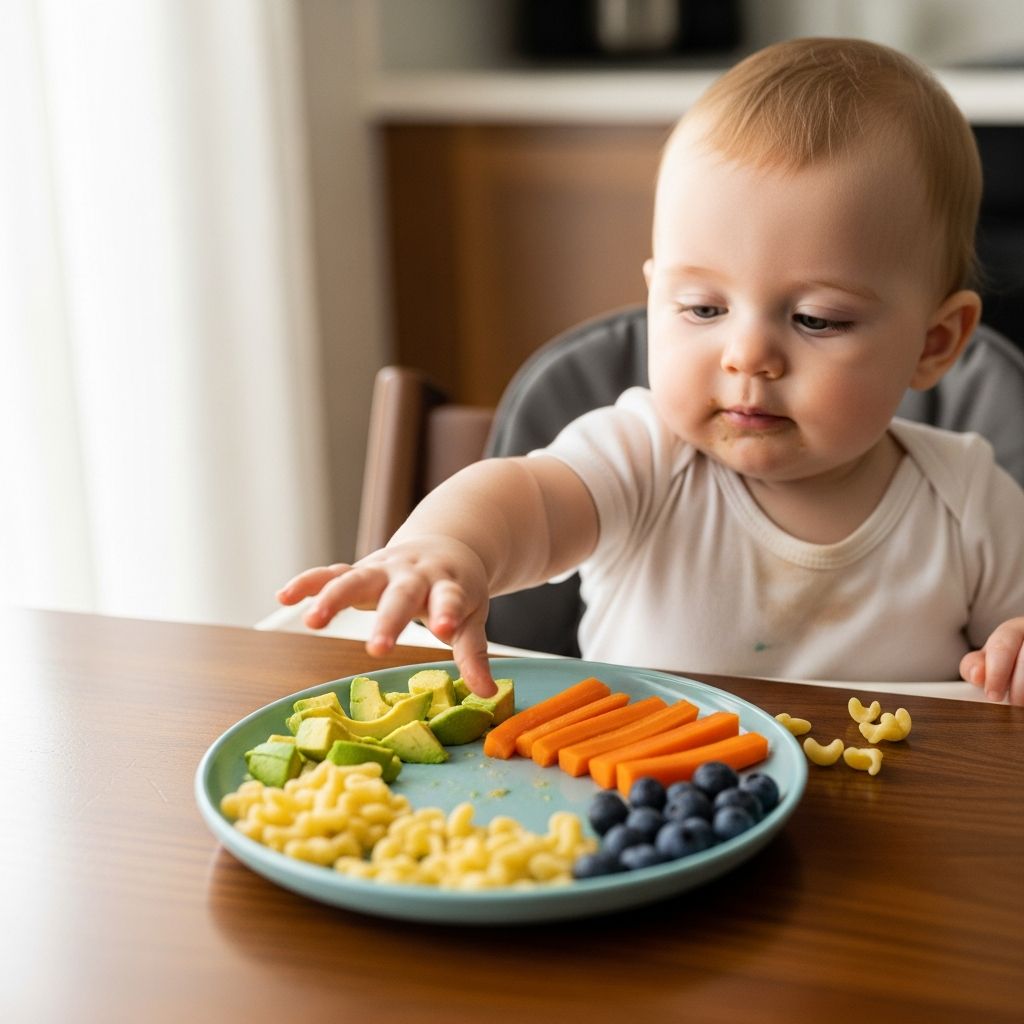
Understanding Your Baby’s Readiness for Self-Feeding
One of the most exciting transitions in your baby’s first year involves the shift from exclusively spoon-fed purees to self-directed eating. Around the six-month mark, many infants are developmentally ready to explore solid foods beyond breast milk or formula. However, the true window for finger feeding typically opens when babies reach approximately nine months of age, when they’ve developed the necessary fine motor coordination to grasp and manipulate small food pieces. This developmental milestone represents far more than simply eating; it’s a critical phase in your child’s journey toward independence and healthy eating patterns.
Before introducing finger foods, observe whether your baby demonstrates certain physical capabilities. Can your child sit upright without significant support? Are they showing interest in grabbing objects and bringing them to their mouth? Do they exhibit the “pincer grasp”—the ability to pick up items between their thumb and forefinger with precision? These indicators suggest your baby has likely developed the motor control necessary for safe self-feeding experiences. Every child develops at their own pace, so while these guidelines provide general timeframes, your pediatrician remains your best resource for determining whether your specific infant is ready for this transition.
The Developmental Significance of Self-Directed Eating
Permitting your child to feed themselves with finger foods serves purposes that extend well beyond nutrition. When babies control which foods enter their mouths and how much they consume, they begin developing crucial self-regulation abilities. This autonomy helps children learn to recognize their own hunger and satiety signals—essential skills that can influence their relationship with food throughout their lives. Rather than parents deciding how much a child “should” eat, finger feeding empowers babies to stop when satisfied, fostering awareness of their body’s internal cues.
Additionally, the practice of manipulating food pieces strengthens the fine motor skills your baby will need for writing, drawing, and countless other daily tasks. The repeated practice of pinching, grasping, and bringing food to the mouth refines neural pathways and muscle coordination. Encouraging your child to self-feed as much as possible—while you continue providing spoon-fed items like cereals and other nutritional staples—creates a balanced feeding approach that maximizes developmental benefits.
Preparing the Right Environment for Mealtime Safety
The physical setting where your baby eats significantly impacts their safety during finger feeding. Always position your child in a high chair or other secure, stationary seating arrangement. These dedicated feeding chairs keep your baby upright and stable, making it easier for them to swallow safely. Critically, never permit your child to eat while lying down, crawling, or walking. The risk of choking increases substantially when babies consume food while mobile or recumbent, as gravity cannot assist in moving food toward the stomach.
Creating a calm, focused mealtime environment further protects your child. Minimize distractions such as television, toys, or other competing stimuli that might divert your attention from your baby. Additionally, avoid eating in vehicles or strollers, where supervision becomes compromised and emergency response would be complicated. Mealtimes should feel unhurried; rushing through feeding sessions increases the likelihood of improper chewing and swallowing. Maintain direct visual contact with your child throughout the entire meal, watching carefully for what enters their mouth and how they manage each bite.
Selecting Appropriate Textures and Consistencies
The texture and consistency of finger foods matter enormously for safe consumption. Foods suitable for finger feeding should meet several criteria. First, choose items that readily dissolve in the mouth—foods like soft, flaky cereals and light crackers that break down easily without requiring substantial chewing. Second, opt for foods that have been cooked until they achieve a texture that mushes easily, such as well-cooked vegetables and fruits or canned produce varieties without added sodium or sugar. Soft dairy products including cottage cheese, shredded cheese, and tofu present excellent options as well.
Foods that can be effectively “gummed”—mashed by your baby’s developing teeth and gums—include ripe banana pieces and thoroughly cooked pasta. When considering whether a food is appropriately sized, remember that different textures require different dimensions. A piece of chicken must be smaller than a piece of watermelon, since baby gums will quickly compress softer items. Pieces should generally measure between one-quarter inch to one-half inch in dimension, small enough for your baby’s developing abilities yet large enough to grasp comfortably.
High-Risk Foods to Exclude From Your Baby’s Diet
Certain foods present unacceptable choking hazards and should be withheld until your child is substantially older—typically age three or four or beyond. Understanding these dangerous options is absolutely essential for protecting your baby’s safety. Avoid serving whole grapes, berries, cherry tomatoes, or grape tomatoes; instead, peel and slice these items into quarters. Raw vegetables and hard fruits pose similar risks and should be excluded until your child’s chewing abilities mature significantly.
Dried fruit pieces like raisins, whole nuts, peanuts, and seeds remain prohibited, as are large spoonfuls of peanut butter or other nut and seed butters—though thin layers spread on other foods are acceptable. Hot dogs and sausages are particularly dangerous; if you offer these items, they must be peeled and cut into extremely small pieces. Untoasted bread, especially white bread varieties, can stick together in the mouth, creating an aspiration risk. Chunks of cheese or meat, hard candy, jellybeans, gummies, chewing gum, marshmallows, popcorn, pretzels, and corn chips all belong on the prohibited list.
Beyond food items, remain vigilant about non-food objects your baby might access. Small household items such as deflated balloons, pen caps, coins, beads, and batteries present choking dangers equivalent to prohibited foods. Keep toys with small detachable parts safely out of your baby’s reach, and regularly scan your floor and furniture surfaces for hazardous objects.
Understanding Gagging Versus Actual Choking
Many parents confuse gagging with choking, often reacting with alarm to what is actually a protective reflex. Gagging is your baby’s natural defense mechanism—it represents the body’s attempt to prevent food from entering the airway. When your child gags, they can typically cough, cry, or otherwise vocalize, indicating that air is still moving freely. In contrast, true choking involves airway obstruction, characterized by silent or severely limited vocalizations and inability to cough effectively.
Should your baby gag, remain calm and resist the instinct to reach into their mouth. Inserting your fingers can inadvertently push food farther back into the airway, transforming a manageable gag reflex into a genuine emergency. Instead, stay with your child, observe carefully, and allow the gag reflex to do its job. Most gagging episodes resolve naturally. However, if gagging persists or worsens significantly, contact your pediatrician. True choking requires immediate intervention according to infant CPR and first aid protocols—knowledge every parent should possess before introducing finger foods.
Expanding Your Baby’s Food Repertoire
As your baby becomes more comfortable with finger foods, gradually introduce variety. Offer different foods repeatedly, understanding that acceptance of new tastes often requires multiple exposures—sometimes ten or more attempts before a child willingly consumes a previously rejected item. This patience with food introduction establishes a foundation for adventurous eating throughout childhood. Include proteins, grains, vegetables, and fruits in varied preparations, always maintaining appropriate texture and size standards.
Fish presents an excellent nutritional choice for toddlers, offering valuable omega-3 fatty acids and protein, but ensure all bones are completely removed before serving. Pasteurized full-fat dairy products support healthy growth and development better than low-fat or fat-free options for young children. Variety not only provides diverse nutrients but also helps prevent boredom and encourages the development of healthy eating habits that extend well beyond infancy.
Temperature Management and Burn Prevention
Beyond choking hazards, food temperature poses another safety concern. Always test food temperature yourself before serving it to your baby; it should feel lukewarm rather than hot. Never depend on your baby to communicate discomfort from overly hot foods—their developing nervous systems may not register and respond to dangerous temperatures quickly enough to prevent burns. When heating bottles containing breast milk or formula, warm them by running hot tap water over the bottle for approximately two minutes, or place the bottle in a pan of hot water removed from the heat source. Microwaving, while convenient, can create dangerous hot spots within food, so if you use a microwave, do so only for very brief intervals and stir food thoroughly before serving.
Establishing Healthy Mealtime Routines
Creating consistent meal and snack schedules supports your baby’s digestive health and helps them develop predictable eating patterns. Regular mealtimes provide structure that babies find reassuring. During feeding sessions, interact warmly with your child, maintaining eye contact and offering positive reinforcement for their efforts at self-feeding. Minimize distractions including smartphone use by parents; mealtime represents valuable bonding time and an opportunity for your full attention. Before eating, always wash your baby’s hands to reduce the transfer of bacteria and contaminants to food.
Practical considerations like using a bib with a deep pocket to catch dropped food help contain messes, but wait until the end of the meal to use a damp cloth for cleanup rather than stopping repeatedly during eating. This approach allows your baby to maintain focus and encourages continued practice with self-feeding skills. As your child develops, they’ll progress from using their fist to grasp food and scraping pieces into their mouth, gradually transitioning toward more refined coordination and eventually utensil use.
Understanding Developmental Timelines and Food Introduction
Delaying the introduction of textured foods, including finger foods, beyond approximately nine to ten months of age can subsequently create feeding difficulties once your baby reaches twelve months and older. Early exposure to varied textures during the optimal developmental window helps prevent later issues with food acceptance and eating skills. Your child’s first year represents a critical period for sensory and motor development related to eating; taking advantage of this window by offering appropriately prepared finger foods supports long-term feeding success.
However, each baby progresses at an individual pace. Some infants may show readiness slightly earlier, while others develop these skills somewhat later. Work collaboratively with your pediatrician to determine the optimal timing for your specific child, considering their developmental progress, any underlying health conditions, and family medical history.
Common Questions About Finger Feeding
At what exact age should I introduce finger foods?
While some babies show interest in solid foods around six months, finger foods specifically are typically introduced around nine months when babies develop the pincer grasp and fine motor control necessary for safe self-feeding. Always consult your pediatrician about your individual baby’s readiness.
What’s the difference between gagging and choking in babies?
Gagging is a protective reflex where your baby can still vocalize, cough, or cry—indicating air is moving. Choking involves airway obstruction with minimal or no sound production. If gagging occurs, remain calm and do not insert your fingers in your baby’s mouth.
Can I give my baby peanut butter as a finger food?
Large scoops of peanut butter present a choking hazard, but a thin spread on other foods is acceptable. This allows your baby to benefit from peanut protein exposure while maintaining safety.
How should I prepare hot dogs for my baby?
Whole hot dogs are extremely dangerous choking hazards. If offering hot dogs, peel them, cut them into very small pieces, and ensure your baby is sitting upright in a high chair with constant supervision.
What’s the ideal size for finger food pieces?
Pieces should measure approximately one-quarter inch to one-half inch in dimension. The exact size depends on food texture—softer foods can be slightly larger since they break down more easily.
Why is my baby still not interested in finger foods at nine months?
Developmental timelines vary significantly among babies. If your child isn’t showing interest in self-feeding by nine to ten months, discuss this with your pediatrician to rule out any underlying concerns and receive personalized guidance.
References
- How to Prevent Your Babies from Choking on Finger Foods — Children’s Hospital of Orange County (CHOC). Accessed January 2026. https://health.choc.org/how-to-prevent-your-babies-from-choking-on-finger-foods/
- Ages 0-2 Feeding Recommendations — Healthy Eating Research. Accessed January 2026. https://healthyeatingresearch.org/tips-for-families/ages-0-2-feeding-recommendations/
- Finger Foods — Child Development Programs. April 2019. https://www.childdevelopmentprograms.ca/wp-content/uploads/2019/04/finger-foods.pdf
- Choking Hazards | Infant and Toddler Nutrition — Centers for Disease Control and Prevention (CDC). Accessed January 2026. https://www.cdc.gov/infant-toddler-nutrition/foods-and-drinks/choking-hazards.html
- Finger Foods for Infants and Toddlers: Make Every Bite Count — Rutgers Cooperative Extension. Accessed January 2026. https://njaes.rutgers.edu/fs1046/
- Chew on This: Not All Products Labeled First Finger Foods Are Created Equal — American Academy of Pediatrics, Pediatrics Journal. 2018. https://publications.aap.org/pediatrics/article/141/1_MeetingAbstract/101/5461/
- Food Sizes & Shapes to Serve Baby at Each Age — Solid Starts. Accessed January 2026. https://solidstarts.com/safe-food-sizes-shapes-for-babies/