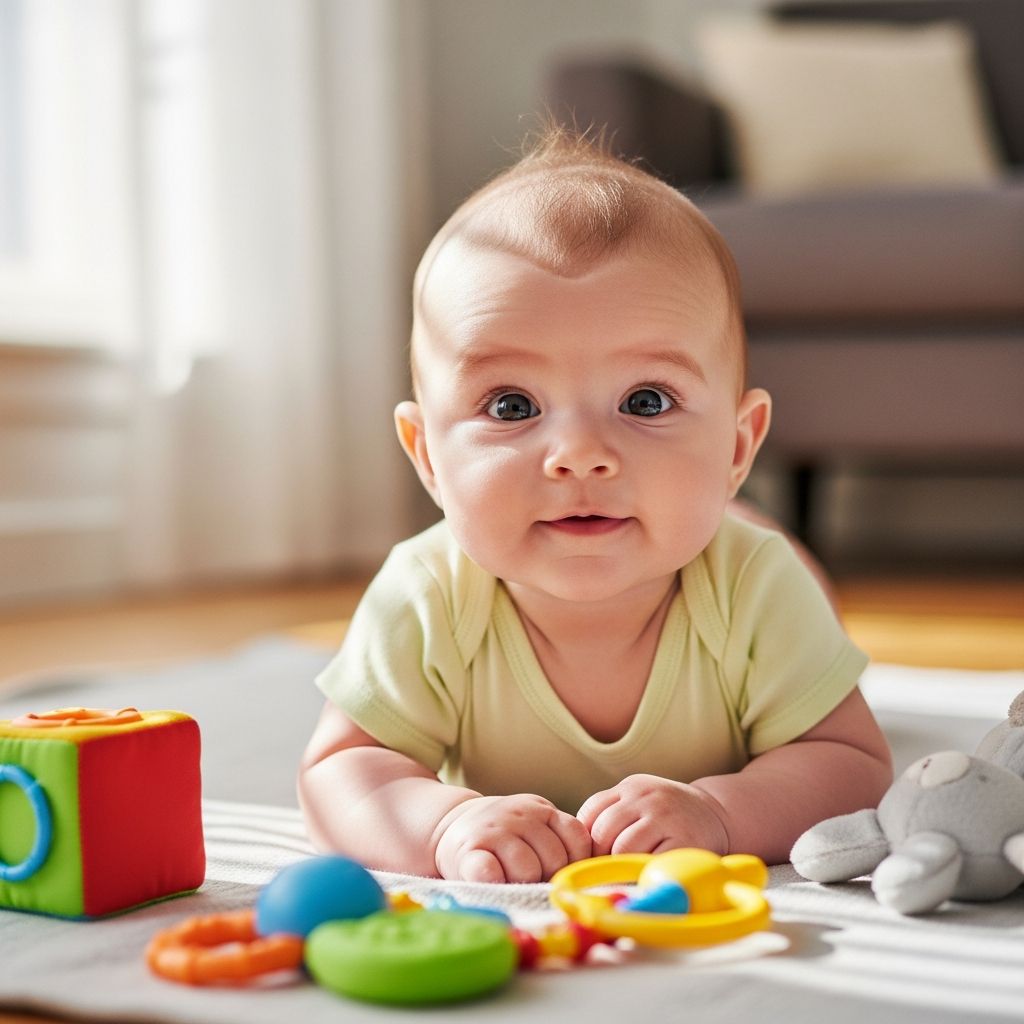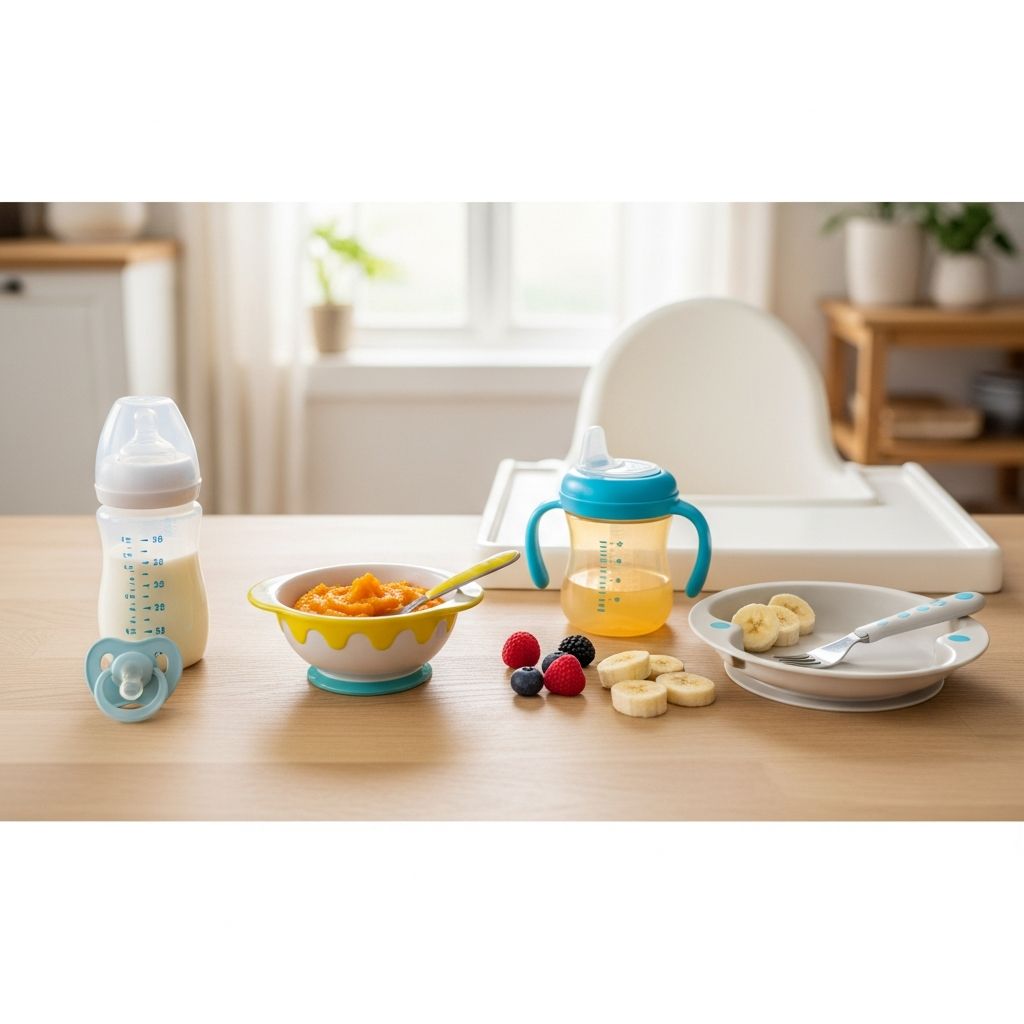
Introducing solid foods marks a thrilling milestone in your baby’s development, transitioning them from exclusive milk feeds to a diverse diet. This guide outlines the progressive stages of baby feeding, focusing on textures, suitable foods, and practical strategies to foster healthy eating habits while minimizing risks like allergies or choking. Backed by pediatric recommendations, these phases align with developmental readiness, typically starting around 6 months when babies exhibit head control, interest in food, and diminished tongue-thrust reflex.
Recognizing Readiness for Solids
Before diving into textures, assess your baby’s cues. The American Academy of Pediatrics (AAP) advises beginning solids around 6 months, not earlier than 4 months, to support digestive maturity and reduce obesity risks later. Key signs include:
- Sitting with minimal support
- Good head and neck control
- Interest in watching others eat
- Leaning toward spoon-fed food
- Loss of tongue-thrust reflex, where babies no longer push food out with their tongue
Consult your pediatrician to rule out delays or concerns. Early introduction builds flavor acceptance, potentially curbing pickiness.
Stage 1: Smooth Introductions (4-6 Months)
The initial phase emphasizes single-ingredient, runny purees to familiarize babies with non-milk tastes safely. These thin consistencies suit immature swallowing, preventing overwhelm. Start with iron-rich options to complement milk’s nutrients, offering 1-2 teaspoons per session, 1-2 times daily.
Key Features
- Texture: Liquid-like, lump-free purees
- Portions: Tiny amounts for tasting
- Frequency: Once daily, building gradually
- No additives: Salt, sugar, honey (botulism risk), or spices
Recommended Foods
| Food Type | Examples | Preparation |
|---|---|---|
| Vegetables | Carrots, sweet potatoes, squash | Steam, blend with breast milk/formula |
| Fruits | Banana, avocado, pears | Mash ripe fruits smoothly |
| Cereals | Iron-fortified rice/oat cereal | Mix thin with milk |
Introduce one new food every 3-5 days to monitor allergies like rashes or vomiting. Persistence pays off—babies may need 10-15 exposures to accept a flavor.
Stage 2: Building Texture and Variety (6-8 Months)
As swallowing strengthens, advance to thicker purees and simple combinations. This stage introduces proteins and mild flavors, expanding the palate while providing bulk. Babies may now take 2-4 tablespoons per feed, 2-3 times daily, alongside milk.
Key Features
- Texture: Thicker, mashable blends
- Ingredients: 2-3 items, including proteins
- Additions: Tiny hints of herbs or healthy fats
- Skills: Developing chew-swallow coordination
Recommended Foods
- Vegetable-protein mixes: Lentils with carrots, chicken puree with peas
- Fruit grains: Pear-oat blend, mango-quinoa
- Proteins: Pureed turkey, tofu, yogurt
Encourage self-feeding with loaded spoons. This promotes motor skills and independence. If using pouches, pair with fresh mashes for variety.
Stage 3: Embracing Chunks (8-10 Months)
With emerging teeth and pincer grasp, babies handle soft mashes and small pieces. Focus shifts to table foods modified for safety, aiding chewing practice. Offer 3-4 tablespoons per meal, 3 times daily.
Key Features
- Texture: Lumpy mashes, soft finger foods
- Shapes: Small dices, shreds
- Focus: Chewing development, self-feeding
Recommended Foods
| Category | Examples | Safety Notes |
|---|---|---|
| Vegetables | Mashed peas, soft carrot sticks | Steam until fork-tender |
| Fruits | Ripe peach dices, avocado chunks | Remove skins, cut small |
| Proteins | Shredded chicken, scrambled egg bits | Fully cooked, moist |
| Grains | Mashed potatoes, mini pasta | Soft-cooked |
Meltable solids like puffs or teething biscuits build confidence. Supervise closely to prevent choking.
Stage 4: Finger Foods and Independence (10-12 Months)
The final puree phase evolves into chewable solids and family meals. Babies master rotary chewing and scoop-feeding, eating ¼ adult portions. Integrate with milk for balanced nutrition.
Key Features
- Texture: Cubes, chopped pieces, meltables
- Skills: Pincer grasp, self-spooning
- Style: Baby-led weaning options
Recommended Foods
- Soft cubes: Tofu, cheese, steamed broccoli florets
- Finger snacks: Diced grapes (quartered), breadsticks
- Meals: Shredded meat with rice, yogurt with fruit bits
Transition fully to table foods by 12 months, varying textures daily for oral motor growth.
Safety Essentials Across Stages
Prioritize prevention:
- Allergy Watch: Delay high-risk foods (peanut, egg) if family history; introduce under guidance.
- Choking Hazards: Avoid nuts, popcorn, whole grapes—cut all into <1/4 inch pieces.
- Positioning: Upright in high chair, never prop bottles.
- Responsive Feeding: Follow cues—open mouth for more, turning away to stop.
Nutrition Priorities
Emphasize iron (meats, fortified cereals), zinc, and variety. Milk remains primary (24-32 oz daily); solids complement. Hydrate with sips of water.
Common Challenges and Solutions
| Issue | Solution |
|---|---|
| Gagging/Refusal | Normal; offer repeatedly, thin textures |
| Constipation | Increase prunes, pears, water |
| Picky Eating | Model eating, no pressure |
Frequently Asked Questions
What if my baby skips a stage?
Every baby progresses uniquely; follow cues over strict timelines. Consult pros if stalled.
Can I mix stages?
Yes, blend for transition, but ensure age-appropriate textures.
Baby-led weaning vs. purees?
Both valid from 6 months if ready; combine for flexibility.
How much solids daily?
Start small, ramp to half adult portions by 12 months.
When to worry about allergies?
Seek care for hives, swelling, breathing issues.
References
- When, What, and How to Introduce Solid Foods — Centers for Disease Control and Prevention (CDC). 2023-10-01. https://www.cdc.gov/infant-toddler-nutrition/foods-and-drinks/when-what-and-how-to-introduce-solid-foods.html
- Infant Food and Feeding — American Academy of Pediatrics (AAP). 2024-05-15. https://www.aap.org/en/patient-care/healthy-active-living-for-families/infant-food-and-feeding/
- A Guide to Starting Solids — Gerber Medical Hub. 2023-08-20. https://medical.gerber.com/topics/guide-to-starting-solids
- Solid Feeding Stages Guide for Babies — Dr. Brown’s Baby. 2024-02-10. https://drbrownsbaby.com/blogs/articles/solid-feeding-stages-guide-for-babies
- A Developmental Guide to Introducing Food Textures to Infants — Sensory Innovation Therapies. 2023-11-05. https://sensoryinnovationtherapies.com/feeding-blog/
- Food Sizes & Shapes to Serve Baby at Each Age — Solid Starts. 2024-01-12. https://solidstarts.com/safe-food-sizes-shapes-for-babies/