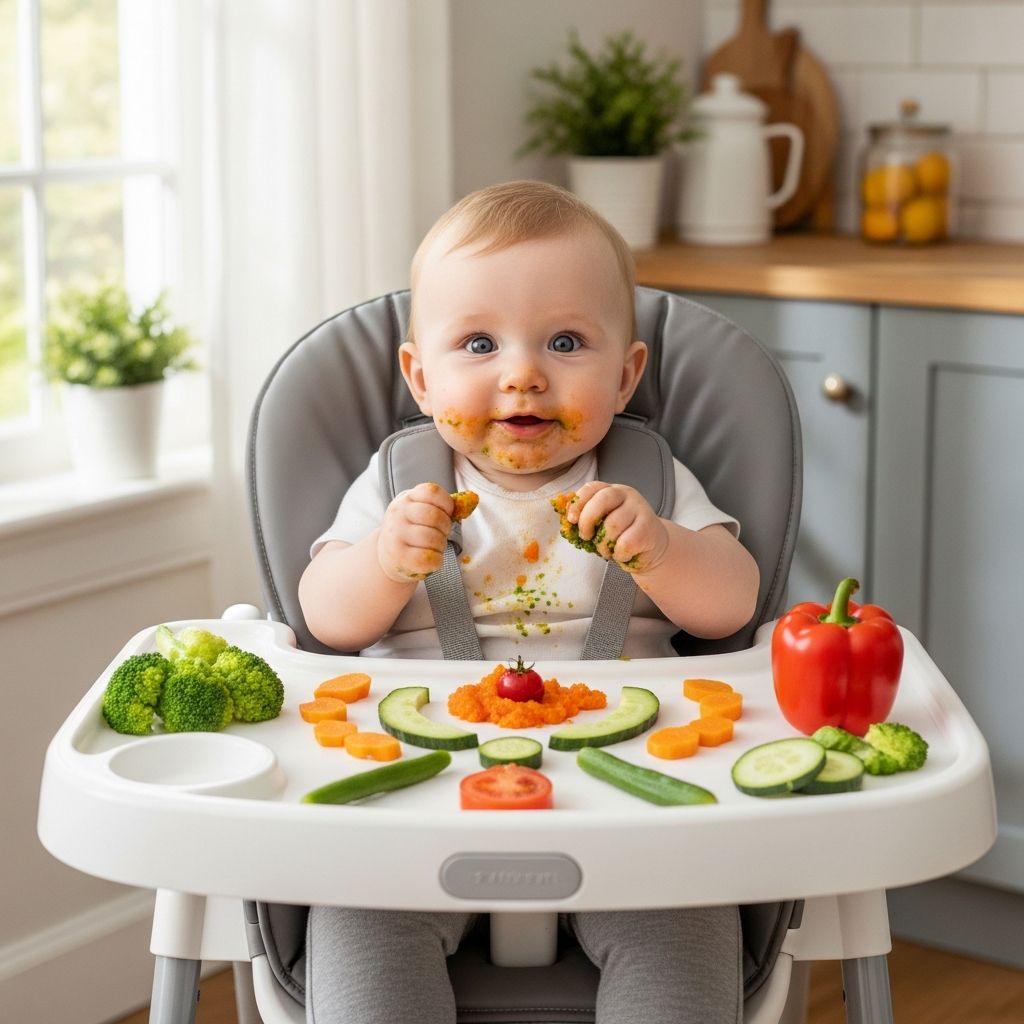
Introducing solid foods to your baby marks an exciting milestone in their growth journey. Around six months, most infants show readiness signs like steady head control and interest in what you’re eating. This transition from milk to solids builds essential skills while laying the foundation for lifelong healthy habits. By aligning feeding with developmental stages and using engaging techniques, parents can transform potential mealtime battles into delightful shared experiences.
Understanding Your Baby’s Feeding Readiness Signals
Every infant progresses at their own pace, but key indicators signal it’s time for solids. Babies typically double their birth weight by 4-6 months and lose the tongue-thrust reflex, which pushes food out instinctively. Look for them sitting with minimal support, reaching for objects, and watching you eat intently—these cues mean their coordination is advancing for handling purees safely.
Premature observation prevents frustration; rushing can lead to choking risks or aversion. Pediatric guidelines emphasize waiting until these milestones to ensure safe swallowing and reduce digestive issues. For instance, head and neck control allows proper posture during feeds, while hand-to-mouth exploration shows emerging fine motor skills.
Mastering the Transition: From Purees to Textured Delights
Start simple with smooth iron-fortified cereals or single-ingredient purees like mashed avocado or sweet potato. These provide nutrients while letting babies adjust to new sensations. Gradually thicken textures over weeks—move to stage 2 purees by 7-8 months, introducing lumps that encourage tongue movement and early chewing.
By 9 months, rotary chewing emerges, where jaw and tongue work together to mash food. This stage supports chunkier options, building oral motor strength crucial for speech and eating later. Introduce mashed banana or soft-cooked carrots, always supervising to monitor gagging, a normal protective reflex.
| Age Range | Texture Milestones | Example Foods | Skills Developed |
|---|---|---|---|
| 6-7 months | Smooth purees | Rice cereal, apple puree | Sucking to swallowing transition |
| 8-9 months | Thicker mashes | Mashed peas, yogurt | Tongue side-to-side movement |
| 10-12 months | Soft chunks | Diced pasta, banana pieces | Chewing, pincer grasp |
This progression matches natural development, minimizing rejection and promoting confidence at the table.
Empowering Self-Feeding: The Joy of Finger Foods
Around 7-11 months, babies grab food from your plate, signaling readiness for finger foods. Offer soft, nutritious bites like pea-sized cooked veggies, pasta, or cheese puffs. These encourage the pincer grasp—pinching with thumb and forefinger—boosting independence and dexterity.
Self-feeding fosters a positive food relationship; let them explore messily. Start with ‘raking’ motions using whole hands, progressing to precise picks. Avoid hard items like whole grapes or nuts to prevent choking—cut everything small and stay vigilant. This phase also teaches cause-and-effect, as babies link grabbing to satisfying hunger.
- Choose soft textures: Steamed broccoli florets, ripe pear slices.
- Variety matters: Rotate colors and flavors to expand palates.
- Mess is progress: Provide teething toys nearby for cleanup ease.
Creative Strategies to Build Enthusiasm for New Flavors
Babies may need 10-15 exposures to accept a new taste, so patience is key. Model enjoyment by eating together—your excitement is contagious. Pair unfamiliar foods with favorites, like mixing pureed spinach into familiar sweet potato.
Involve baby in prep: Let them touch ingredients or ‘help’ stir (safely). Family-style meals expose them to adult foods naturally, promoting balanced intake. Respond to cues—hunger shows as reaching or excitement, satiety as turning away or slowing.
For picky phases, offer choices: ‘Carrot or zucchini?’ This empowers without overwhelming. Keep portions tiny initially; appetite grows with skills. Fun presentations, like food faces on plates, spark curiosity without pressure.
Navigating Common Mealtime Challenges
Gagging or refusal is normal—it’s learning. Position baby upright in a high chair for safety. If thrusting tongue persists, delay solids. For texture aversion, regress briefly then rebuild slowly.
Allergies warrant caution: Introduce one new food every 3-5 days, watching for rashes or upset. Consult pediatricians for family history risks. Hydration via sippy cups or open cups supports transition, aiming for two-handed cup holding by 12 months.
Nutrient-Focused Choices for Optimal Growth
Prioritize iron-rich foods post-6 months, as stores deplete. Meats, fortified cereals, and beans pair with vitamin C sources like strawberries for absorption. Healthy fats from avocado aid brain development; diverse veggies ensure fiber and vitamins.
By 12 months, most can handle table foods chopped small, joining family meals. This exposes balanced plates, curbing future pickiness. Limit juice to 4 oz daily, favoring water or milk after 12 months.
Long-Term Habits: From Infant to Toddler Success
Feeding skills solidify by 2-3 years, shifting to mature swallowing patterns. Early positive experiences predict varied diets, reducing obesity risks later. Consistent routines—three meals, two snacks—regulate hunger.
Encourage exploration over finishing plates; pressure backfires. By toddlerhood, they chew mixed textures, participating fully. Track milestones: spoon use by 18 months, straw drinking earlier.
Frequently Asked Questions
What if my baby refuses solids at 6 months?
It’s common—revert to milk, retry weekly. Ensure readiness; force-feeding creates aversion.
How do I prevent choking?
Seat upright, cut foods small, avoid round/hard items. Learn infant CPR; gagging differs from choking.
When to introduce allergens like peanuts?
Early (4-6 months) for low-risk babies per guidelines; consult doctor.
Is baby-led weaning safe?
Yes, with soft foods and supervision, starting at readiness signs.
How much should my 9-month-old eat?
2-4 oz per meal, focusing on variety over volume as skills grow.
References
- Stages of Infant Development and Feeding Skills — Cambridge Public Health. 2022-09. https://www.cambridgepublichealth.org/wp-content/uploads/2022/09/Services_OST-ECC_Onsite_Infant-Feeding-Development-Milestones_CACFP.pdf
- Baby’s Eating Milestones: Solids, Finger Foods, and More — WebMD. N/A. https://www.webmd.com/parenting/baby/baby-food-milestones
- Nutrition Information for Infants — MyPlate.gov (USDA). N/A. https://www.myplate.gov/life-stages/infants
- Development of eating skills in infants and toddlers — PMC (NCBI). 2024. https://pmc.ncbi.nlm.nih.gov/articles/PMC11149262/
- Foods and Drinks for 6 to 24 Month Olds — CDC. N/A. https://www.cdc.gov/infant-toddler-nutrition/foods-and-drinks/index.html
- Feeding and Swallowing Milestones — ASHA. N/A. https://www.asha.org/public/developmental-milestones/feeding-and-swallowing-milestones/
- Feeding Guide for the First Year — Stanford Medicine Children’s Health. N/A. https://www.stanfordchildrens.org/en/topic/default%3Fid=feeding-guide-for-the-first-year-90-P02209